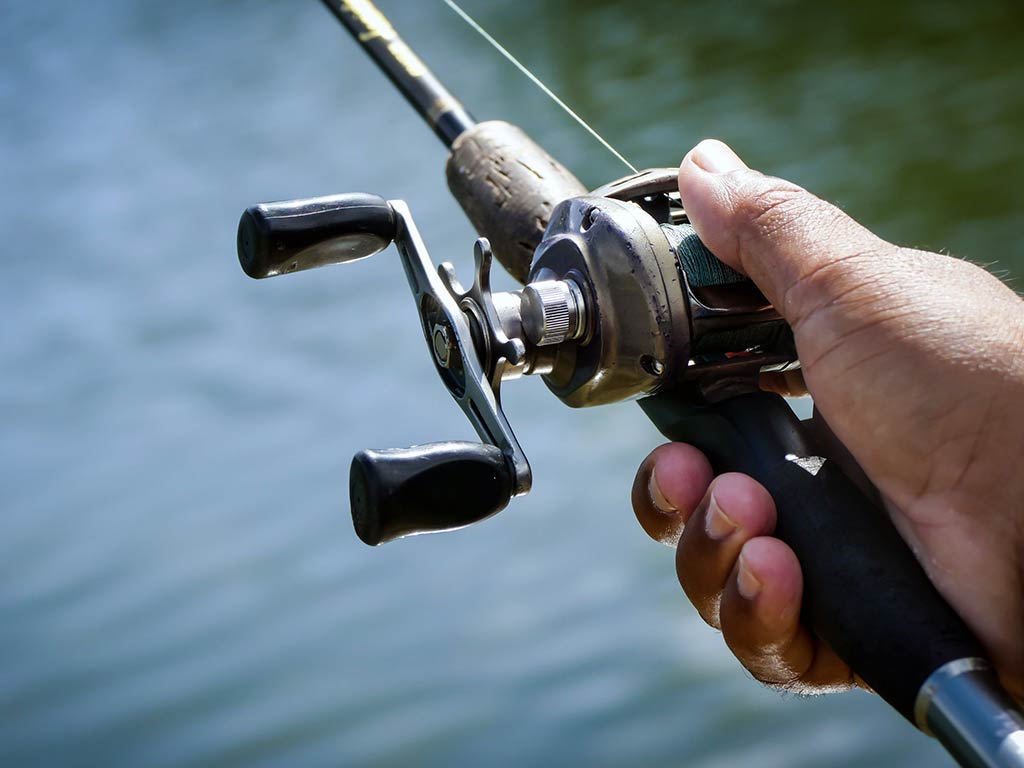
If you’re serious about bass fishing, choosing the right rod and reel can make all the difference between a great catch and a frustrating day on the water. But with so many options out there, how do you find the best rod and reel that fits your style and boosts your success?
This guide will help you understand exactly what to look for, so you can spend less time guessing and more time reeling in those big bass. Ready to upgrade your gear and improve your fishing game? Keep reading, because the perfect setup is closer than you think.
Credit: n1outdoors.com
Top Bass Fishing Rods
Choosing the right rod and reel helps you catch more bass. Different rods fit different fishing styles and conditions. Knowing the options makes your fishing trips better.
This guide looks at spinning rods, baitcasting rods, and how to pick between lightweight and heavyweight rods. Each type has its own strengths for bass fishing.
Spinning Rods For Bass
Spinning rods work well for beginners and light lures. They are easy to cast and good for fishing in open water. These rods give good control with soft baits.
- Light to medium power rods
- Fast action for sensitivity
- Good for finesse fishing
- Works well with light line
- Ideal for long casts
Baitcasting Rods
Baitcasting rods offer more power and accuracy. They handle heavier lures and lines better. These rods suit experienced anglers who want to cast big baits precisely.
| Feature | Spinning Rods | Baitcasting Rods |
|---|---|---|
| Ease of Use | Easy for beginners | Requires practice |
| Power | Light to medium | Medium to heavy |
| Line Capacity | Smaller line | Larger line |
| Casting Accuracy | Good | Excellent |
| Best Lure Type | Light baits | Heavy baits |
Lightweight Vs Heavyweight Rods
Lightweight rods help you feel the bite and fight fish with finesse. Heavyweight rods give more power to control large bass and cast heavy baits.
- Lightweight rods suit small lures and calm waters
- Heavyweight rods are better for big lures and heavy cover
- Choose rod weight based on fishing style and bass size
- Balance rod weight with reel and line for comfort
Best Reels For Bass Fishing
Choosing the right reel is key to catch bass successfully. A good reel helps you cast farther and handle fish better.
This guide explains types of reels and how to pick the right size and gear ratio for bass fishing.
Spinning Reels
Spinning reels are easy to use and good for beginners. They work well with light lures and lines.
They allow smooth casting and less tangling. Many anglers use spinning reels for small to medium bass.
- Good for light to medium tackle
- Easy to cast and control
- Less chance of backlash
- Works well with soft plastics and small jigs
Baitcasting Reels
Baitcasting reels offer more power and accuracy. They are best for heavier lures and bigger bass.
These reels require more skill but give better control for long casts and strong fish.
- Good for heavy lines and lures
- High casting accuracy
- Strong drag system
- Better for big bass and tough fishing spots
Choosing Reel Size And Gear Ratio
Reel size affects how much line you can hold. Smaller reels suit light tackle and close fishing.
Gear ratio controls how fast the line comes in. Higher ratios retrieve line faster for active fish.
| Reel Size | Best Use | Gear Ratio | Effect |
|---|---|---|---|
| 1000-2500 | Light line, small lures | 5.0:1 – 6.0:1 | Slower retrieve, more power |
| 3000-4000 | Medium line, versatile use | 6.0:1 – 7.0:1 | Balanced speed and power |
| 5000+ | Heavy line, large lures | 7.0:1 – 8.1:1+ | Fast retrieve, less power |
Rod And Reel Combos
Choosing the right rod and reel combo is key for bass fishing. Combos make it easier to get started quickly. They match rods and reels for balance and performance.
These combos save time and often cost less than buying parts separately. Let’s look at options for pre-matched combos, custom pairing, and budget choices.
Pre-matched Combos
Pre-matched combos come ready to use. The rod and reel are paired by the manufacturer. This helps ensure good balance and easy handling.
These combos fit most bass fishing needs. They usually include medium to medium-heavy rods with baitcasting or spinning reels. The line is often pre-spooled on the reel.
- Good for beginners and casual anglers
- Balanced setup for common bass lures
- Usually covered by one warranty
Custom Pairing Tips
Custom pairing lets you pick the rod and reel that fit your style. Match the rod power and action to the reel size and gear ratio. This improves control and casting.
Choose a rod with medium or medium-heavy power for bass. Pair it with a reel sized for 6 to 12-pound line. Pick a gear ratio that suits your fishing speed.
- Match rod length to fishing environment
- Use baitcasting reels for accuracy and power
- Spinning reels are good for light lures and finesse techniques
- Check reel drag system for smoothness
Budget-friendly Options
You can find good rod and reel combos without spending much. Look for combos from trusted brands that offer value sets. These often include durable rods and smooth reels.
Focus on combos with solid construction and decent warranties. Avoid very cheap combos that use low-quality parts. A good budget combo will last several seasons.
- Search for combos under $100 to start
- Check user reviews for reliability
- Look for combos with pre-spooled line
- Consider combos with extra features like comfortable grips
Key Features To Consider
Choosing the best rod and reel for bass fishing depends on several important features. These features help improve your fishing experience and catch rate.
Focus on material, sensitivity, and handle comfort. Each affects how well you fish and how long your gear lasts.
Material And Durability
The material of your rod and reel affects its strength and weight. Look for rods made of graphite or composite materials. These are both light and strong.
Durability means your gear can handle many fishing trips without breaking. Check if the reel uses corrosion-resistant metals. This helps if you fish in saltwater or wet conditions.
- Graphite rods are lightweight and sensitive
- Composite rods offer good strength and flexibility
- Reels with aluminum or stainless steel resist rust
- Check for quality guides and reel seats for long life
Sensitivity And Flexibility
Sensitivity lets you feel small bites from bass. Flexible rods help you cast farther and fight fish better. A rod with good sensitivity helps detect even light taps.
Choose rods with moderate to fast action. These bend well but also give quick response. Reels with smooth drag systems also help control your catch without breaking the line.
- Fast action rods bend near the tip
- Moderate action rods bend more evenly
- Smooth drag reels protect your line
- High sensitivity means better bite detection
Handle And Grip Comfort
Comfortable handles let you fish longer without pain. Look for grips made from cork or EVA foam. These materials feel good and provide a firm hold.
Check the handle size and shape. It should fit your hand well and not slip when wet. Good grip helps control your rod and reel during casting and reeling.
- Cork handles offer natural comfort and grip
- EVA foam handles resist water and last long
- Choose handle size that fits your hand
- Non-slip grips improve control in wet conditions
Tips For Choosing Gear
Choosing the right rod and reel helps you catch more bass. The right gear fits your fishing style and conditions.
Picking the best rod and reel means thinking about the fish, water, and how you like to fish.
Match Gear To Fishing Style
Your fishing style affects the rod length and power you need. Light rods work well for finesse fishing. Heavy rods suit strong, fast reels for big lures.
Reel type also matters. Spinning reels are easy to use. Baitcasting reels give better control for heavier baits.
- Use a light rod for small lures and soft baits
- Choose a medium or heavy rod for large lures and flipping
- Pick spinning reels for light setups
- Use baitcasting reels for power and accuracy
Consider Target Bass Species
Different bass species need different gear. Largemouth bass are bigger and fight harder. Smallmouth bass prefer rocky areas and need sensitive rods.
Match your gear to the size and habits of the bass you want to catch. This helps you land fish easier.
- Use strong rods for largemouth bass
- Choose sensitive rods for smallmouth bass
- Pick reels with smooth drag for fighting fish
Adjusting For Water Conditions
Water affects your gear choice. Clear water calls for lighter gear and subtle lures. Murky water needs heavier gear and louder lures.
Also think about water depth and current. Strong currents require stronger rods and reels with good drag.
- Use light rods in clear, calm water
- Pick heavier rods in murky or moving water
- Choose reels with strong drag for fast currents

Credit: medium.com
Maintenance And Care
Proper maintenance keeps your rod and reel in top shape. It helps you catch more bass and lasts longer.
Simple care steps prevent damage and improve performance on every fishing trip.
Cleaning Your Rod And Reel
After fishing, clean your rod and reel to remove dirt and salt. Use fresh water and a soft cloth. Avoid harsh chemicals that can harm the finish.
- Rinse the rod and reel gently with fresh water.
- Use a soft brush to clean hard-to-reach spots.
- Dry everything completely with a clean towel.
- Lubricate reel parts lightly to keep them moving smoothly.
Storage Tips
Store your rod and reel in a dry place to avoid rust and damage. Keep them away from direct sunlight and extreme temperatures.
| Storage Method | Reason |
| Hang rod vertically | Prevents bending and warping |
| Use reel covers | Protects from dust and scratches |
| Keep in cool, dry room | Stops rust and mold growth |
Troubleshooting Common Issues
If your reel feels stiff or noisy, it may need cleaning or oiling. Check the line for tangles and replace it if worn. Rod guides can crack and cause line breaks.
- Clean and oil the reel regularly.
- Replace fishing line every season.
- Inspect rod guides for cracks or damage.
- Tighten loose parts to avoid breakdowns.

Credit: gearjunkie.com
Frequently Asked Questions
What Features Should A Bass Fishing Rod Have?
A good bass fishing rod should have strength, sensitivity, and flexibility. Look for a medium to heavy power rod. This ensures it can handle the fight. A fast action tip is also essential for better hook sets. The rod length, typically between 6.
5 to 8 feet, offers better casting distance.
How To Choose A Reel For Bass Fishing?
When choosing a reel, consider the reel’s gear ratio, drag system, and spool size. A gear ratio of 6:1 or higher is ideal for bass fishing. Ensure the drag system is smooth to handle heavy bass. Opt for a lightweight reel for better comfort during long fishing sessions.
Are Baitcasting Reels Better For Bass Fishing?
Baitcasting reels offer superior control and power, making them ideal for bass fishing. They allow precise casting and better lure control. These reels are perfect for heavy lures and larger fish. Though they require practice, they provide excellent performance for experienced anglers.
What’s The Ideal Rod Length For Bass Fishing?
The ideal rod length for bass fishing is between 6. 5 to 8 feet. Longer rods offer better casting distance and leverage. They are great for open waters and long casts. Shorter rods provide better control and precision, suitable for tight spaces and shorter casts.
Conclusion
Choosing the best rod and reel for bass fishing helps you catch more fish. Focus on comfort, strength, and balance. A good setup makes casting easier and improves your control. Remember, your gear should fit your style and fishing spots.
Practice with different rods and reels to find what works best. Enjoy the time on the water and keep learning. Fishing is about patience and fun, not just the equipment. Keep your gear ready, and happy bass fishing!