
Choosing the best rod for bass fishing can make all the difference between an average day on the water and an unforgettable catch. If you want to improve your fishing game, picking the right rod is key.
But with so many options out there, how do you know which one fits your style and needs? You’ll discover exactly what to look for in a bass fishing rod. By the end, you’ll feel confident in making a choice that boosts your chances of landing that trophy bass.
Keep reading—your next big catch could depend on it.
Bass Fishing Basics
Bass fishing is a popular sport that many enjoy. It requires the right gear to catch bass successfully.
The fishing rod is one of the most important tools. It helps you cast, hook, and reel in bass effectively.
Key Rod Features
A good bass fishing rod has features that fit the fishing style. These features affect how well you catch bass.
Length, power, and action are key rod features to know. Each affects your casting and control.
- Length:Usually between 6 to 8 feet. Longer rods cast farther.
- Power:Tells how strong the rod is. Medium or medium-heavy power works well for bass.
- Action:Describes how much the rod bends. Fast action rods bend near the tip for quick hook sets.
- Material:Graphite rods are light and sensitive. Fiberglass rods are stronger but heavier.
Types Of Bass Fishing Rods
There are different types of bass fishing rods. Each type suits different fishing methods and conditions.
Choosing the right type helps you catch bass easier and enjoy fishing more.
- Spinning Rods:Good for light lures and beginners. Easy to use and versatile.
- Baitcasting Rods:Offer more control and power. Best for heavier lures and longer casts.
- Fly Rods:Used for fly fishing bass. Require special skills and fly lines.
- Casting Rods:Similar to baitcasting but designed for different reels. Good for accuracy and power.
Choosing The Right Rod Length
Bass fishing requires the right rod length for success. Picking the right one can improve your fishing experience.
Different lengths suit different techniques and fishing spots. Understanding these can make your choice easier.
Short Vs Long Rods
Short rods are usually under seven feet long. They are great for accurate casting and fishing in tight spaces.
Long rods are over seven feet long. They help with casting distance and are good for open water fishing.
- Short rods: better for accuracy
- Long rods: better for distance
Best Length For Different Techniques
Different techniques need different rod lengths. Knowing this helps you choose the best rod for your style.
For flipping and pitching, a shorter rod can be better. For long casts with crankbaits, a longer rod is more effective.
- Flipping and pitching: use a shorter rod
- Crankbaits and long casts: use a longer rod
Rod Power And Action
Choosing the right rod power and action is key for bass fishing. These features affect how you cast and fight fish.
Understanding power and action helps you pick a rod that fits your style and the fish you want to catch.
Light To Heavy Power
Rod power shows how strong the rod is. It tells how much weight the rod can handle.
Light power rods are good for small bass and finesse fishing. Heavy power rods work well for big bass and heavy lures.
- Light power:Best for small lures and gentle bites
- Medium power:Good for most bass fishing situations
- Heavy power:Ideal for big fish and strong cover
Fast Vs Slow Action
Rod action means how fast the rod bends. It affects hook setting and lure movement.
Fast action rods bend near the tip. Slow action rods bend more along the whole length.
- Fast action:Quick hook sets and good for single hooks
- Moderate action:Balanced bend and good for many lures
- Slow action:Smooth bend and best for treble hooks or light bites
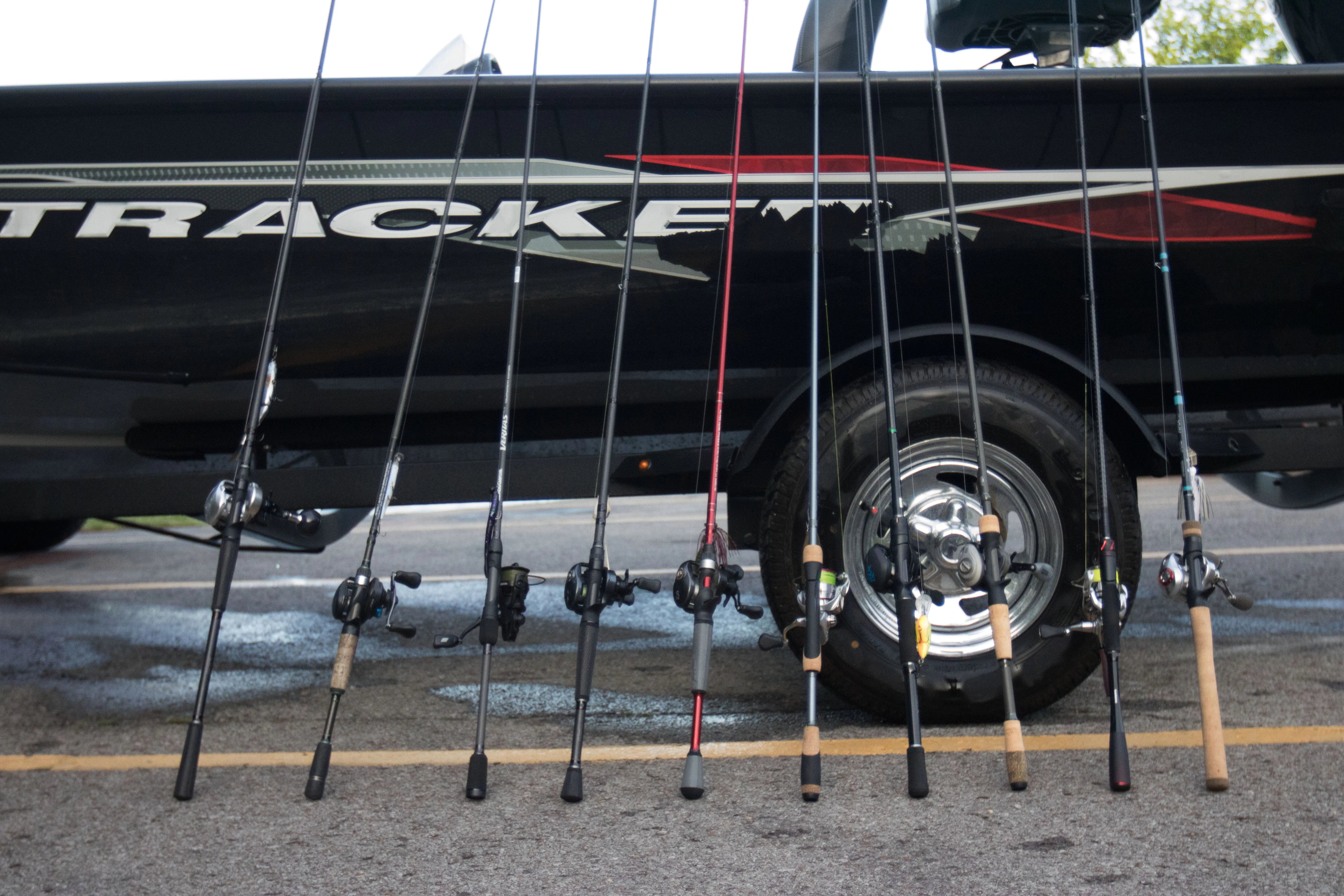
Credit: gearjunkie.com
Material Matters
The material of your bass fishing rod changes how it feels and performs. Different materials offer different strength, weight, and sensitivity.
Choosing the right material helps you catch more bass and enjoy fishing more.
Graphite Vs Fiberglass
Graphite rods are light and very sensitive. They let you feel even small bites from bass. These rods are good for long casts and precise control.
Fiberglass rods are heavier and stronger. They are less sensitive but very durable. Fiberglass works well for rough fishing and heavy cover.
- Graphite: light, sensitive, good for accuracy
- Fiberglass: heavy, strong, good for tough conditions
Composite Rods
Composite rods mix graphite and fiberglass to get the best of both. They balance strength and sensitivity. These rods work well for many types of bass fishing.
Composite rods are often more affordable than pure graphite rods. They give good power without losing too much feel.
- Blend of graphite and fiberglass
- Balanced strength and sensitivity
- Good for versatile fishing styles
Top Rod Picks For Bass Fishing
Choosing the best rod for bass fishing can improve your fishing experience. Different rods suit different fishing styles and budgets.
This guide highlights top rods in three categories. You will find budget-friendly, premium, and specialized rods for techniques.
Best Budget Rods
Budget rods offer great value for new anglers. They have good quality and work well in many fishing situations.
These rods are usually made from fiberglass or basic graphite. They are light and flexible for easy use.
- Medium power rods are versatile for bass fishing
- Length between 6 to 7 feet works well in most places
- Look for rods with comfortable handles for long use
Premium Rod Options
Premium rods use advanced materials for strength and sensitivity. They help anglers feel even small bites.
These rods are lighter and more durable. They often have better guides and reel seats for smooth fishing.
- Carbon fiber rods offer excellent sensitivity
- Fast action rods improve hook setting
- 7-foot rods give a good balance of control and reach
Specialized Rods For Techniques
Some rods are made for specific bass fishing methods. These rods improve performance in those techniques.
Examples include rods for flipping, pitching, or drop shot fishing. Each style needs a rod with certain features.
- Flipping rods are short and heavy for close cover fishing
- Pitching rods have medium-heavy power and moderate length
- Drop shot rods are light and sensitive for finesse baits

Credit: www.whiskeyriff.com
Matching Rods With Reels And Lures
Choosing the best rod for bass fishing means pairing it well with reels and lures. The right combo helps you cast better and catch more bass.
Understanding how rods match with reels and lures improves your fishing experience. It makes your setup balanced and easier to use.
Spinning Vs Baitcasting Combos
Spinning and baitcasting rods work with specific reels. Spinning reels hang under the rod, while baitcasting reels sit on top.
Spinning combos are easier for beginners. Baitcasting combos give more control for precise casts and bigger lures.
- Spinning combos suit light lures and small bass
- Baitcasting combos handle heavier lures and bigger bass
- Spinning rods have a larger line guide to prevent tangles
- Baitcasting rods have stronger blanks for power
Rod And Lure Compatibility
Match rod power and action with the lure type you use. This helps you cast smoothly and fish better.
Light rods work well with small lures. Medium or heavy rods suit bigger, heavier lures for deep water or cover.
| Rod Type | Best Lure Types | Typical Bass Size |
|---|---|---|
| Light Power, Fast Action | Small crankbaits, spinnerbaits, soft plastics | Small to medium bass |
| Medium Power, Moderate Action | Jigs, medium crankbaits, swimbaits | Medium bass |
| Heavy Power, Slow Action | Large jigs, big swimbaits, heavy spinnerbaits | Large bass |
Maintenance Tips For Bass Rods
Keeping your bass fishing rod in good shape helps it last longer. Regular care prevents damage and keeps performance high.
Proper maintenance includes cleaning, storing, and repairing your rod. These simple steps save money and improve fishing trips.
Cleaning And Storage
Clean your bass rod after every fishing trip. Dirt, salt, and moisture can harm the rod over time.
Use fresh water and a soft cloth to wipe the rod and guides gently. Avoid strong chemicals that may damage the finish.
- Rinse rod with fresh water after use
- Dry completely before storing
- Store rod in a cool, dry place
- Use a rod holder or rack to avoid bending
- Keep rod away from direct sunlight
Repair And Upkeep
Check your rod regularly for cracks, loose guides, or damaged reel seats. Early repair keeps the rod safe to use.
Replace worn parts quickly. Small fixes help avoid bigger problems and keep your rod working well.
- Inspect guides and wraps for damage
- Tighten reel seat screws as needed
- Use rod repair kits for minor cracks
- Consult a professional for major repairs
- Keep spare parts handy for quick fixes
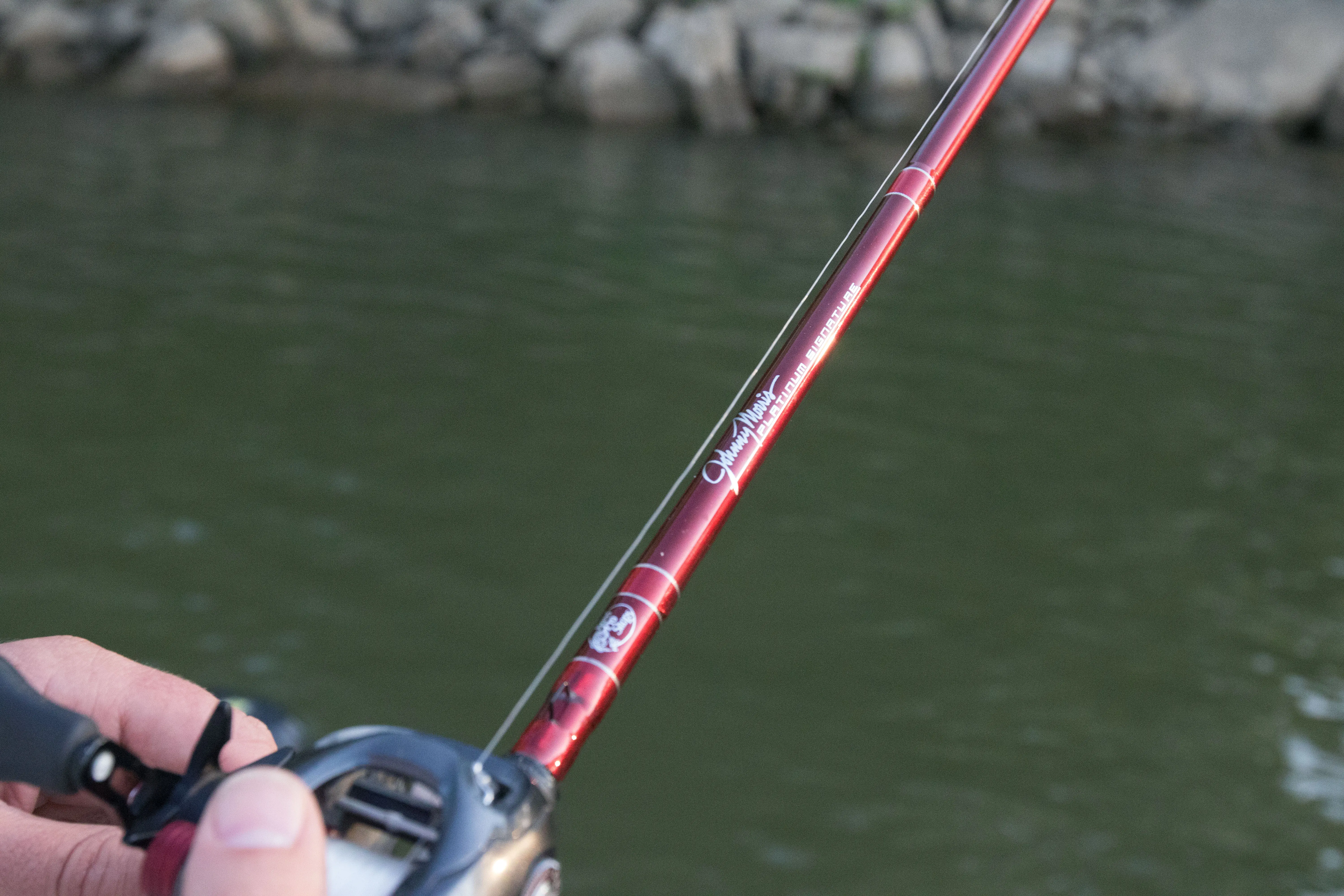
Credit: gearjunkie.com
Frequently Asked Questions
What Rod Length Is Ideal For Bass Fishing?
A 6’6” to 7’6” rod length offers the best balance. It provides great casting distance and control for bass fishing.
Which Rod Power Suits Bass Fishing Best?
Medium to medium-heavy power rods are ideal. They offer enough strength to handle bass of various sizes effectively.
What Rod Action Works Best For Bass Fishing?
Fast action rods are preferred. They provide quick hook sets and better sensitivity for detecting bass bites.
Should I Choose A Spinning Or Baitcasting Rod?
Baitcasting rods are popular for bass fishing. They offer accuracy and power for heavier lures and bigger bass.
Conclusion
Choosing the best rod for bass fishing depends on your style and needs. A good rod feels comfortable and matches your fishing spots. Light rods work well for small bass, while heavier rods help with bigger fish. Balance, length, and action matter a lot.
Test different rods if you can. This helps find what suits you best. Remember, the right rod makes fishing more fun and successful. Keep practicing and enjoy every catch with your perfect bass rod.