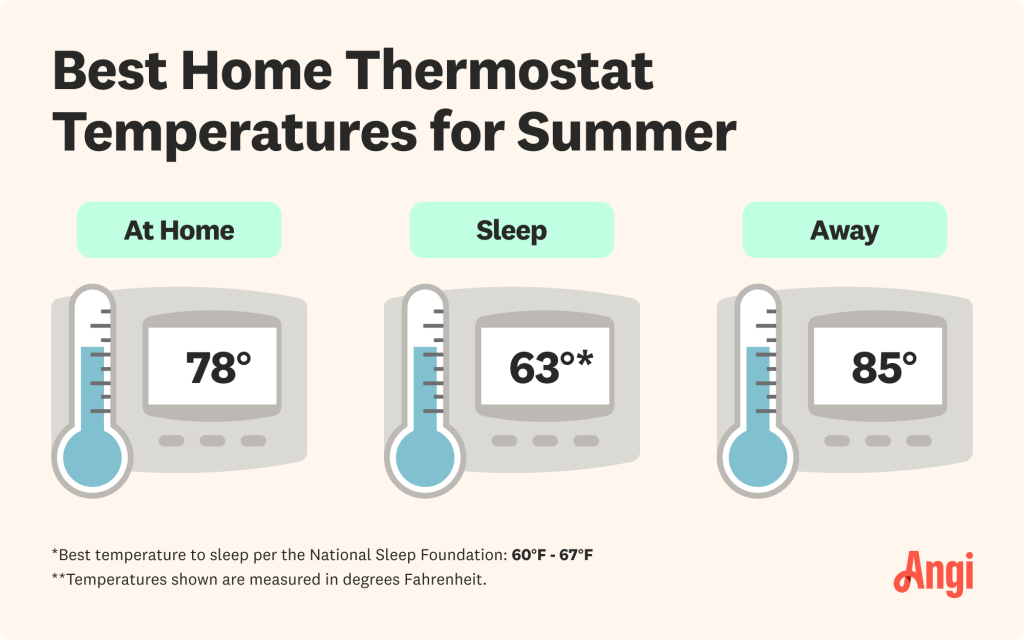
Are you struggling to find the perfect temperature for your air conditioner? Setting it too cold can hike up your bills, while too warm might leave you uncomfortable.
Finding the best temperature for your AC isn’t just about comfort—it’s about saving money and staying healthy too. You’ll discover simple tips to set your air conditioner just right, making your home feel refreshing without wasting energy. Keep reading to unlock the secret to the ideal coolness that works for you and your wallet.

Credit: www.healthkart.com
Ideal Air Conditioner Temperature
Choosing the right temperature for your air conditioner helps keep your home comfortable. It also saves energy and lowers bills.
Finding the balance between comfort and efficiency is important for every season and weather condition.
Energy Efficiency And Comfort Balance
Setting your air conditioner too low wastes energy. Too high makes your home uncomfortable. The ideal temperature keeps you cool and saves power.
- Set the AC between 24°C and 26°C (75°F to 78°F) for good comfort.
- Each degree lower can increase energy use by 6% to 8%.
- Use fans to help spread cool air and allow a higher AC setting.
- Turn off the AC when no one is home to save energy.
Recommended Settings For Different Seasons
| Season | Ideal Temperature (°C) | Ideal Temperature (°F) |
| Spring | 24 – 26 | 75 – 78 |
| Summer | 23 – 25 | 73 – 77 |
| Fall | 24 – 26 | 75 – 78 |
| Winter (for cooling) | 26 – 28 | 78 – 82 |
Adjust the temperature slightly depending on outside weather. Cooler days allow a higher AC temperature.
Adjusting Temperature For Humidity Levels
Humidity affects how cold or warm you feel. High humidity makes it feel hotter, so you may want a lower temperature.
- High humidity: set AC 1-2°C lower for comfort.
- Low humidity: set AC slightly higher to save energy.
- Use a dehumidifier if humidity stays high.

Credit: www.cnet.com
Factors Affecting Cooling Efficiency
Choosing the right air conditioner temperature depends on several factors. These factors change how well the unit cools a space.
Understanding these factors helps maintain comfort and save energy while keeping the room cool.
Room Size And Insulation
Larger rooms need more cooling power to reach the set temperature. Good insulation keeps cool air inside and hot air out.
- Small rooms cool faster and use less energy.
- Poor insulation causes the air conditioner to work harder.
- Windows and doors affect how much heat enters the room.
Number Of Occupants
People produce body heat, which raises the room temperature. More occupants increase the cooling load on the air conditioner.
| Number of People | Effect on Cooling |
| 1-2 | Low heat output |
| 3-5 | Moderate heat output |
| 6 or more | High heat output |
Appliance Heat Output
Appliances like computers, TVs, and ovens give off heat. This heat adds to the room’s temperature and makes the air conditioner work more.
- Computer: 100-200 watts
- Television: 80-150 watts
- Oven: 1000-5000 watts
- Refrigerator: 100-800 watts
Energy Savings Tips
Choosing the best temperature for your air conditioner can save energy and lower bills. Small changes make a big difference.
Using the right settings and maintaining your AC helps it work better. This keeps your home cool without wasting power.
Using Programmable Thermostats
Programmable thermostats let you set your AC to cool only when needed. You can save energy by avoiding constant cooling.
Set your thermostat to higher temperatures when you are away. Lower the temperature before you return home for comfort.
- Set daytime temperature higher when no one is home
- Cool the house before people arrive
- Use nighttime settings to save energy while sleeping
Optimal Temperature For Sleep
The best temperature for sleeping is cooler but not too cold. This helps you rest well and uses less energy.
Set your AC between 75°F and 78°F at night. This range balances comfort and energy savings.
- Keep bedroom temperature steady
- Avoid setting AC too cold
- Use fans to help air circulate
Maintaining Your Ac Unit
Regular maintenance keeps your air conditioner running well. Clean filters and check parts often to save energy.
A well-maintained AC uses less power and cools better. Fix small problems early to avoid bigger repairs.
- Clean or replace filters every 1-2 months
- Clear debris around outdoor units
- Schedule yearly professional checkups
Health And Safety Considerations
Setting the right temperature on your air conditioner helps keep you safe and healthy. Too cold or too warm temperatures can cause health issues.
This guide covers key points to stay comfortable and avoid problems with your air conditioner.
Avoiding Overcooling
Overcooling can cause discomfort and health risks like colds or muscle stiffness. Keep your room temperature moderate to avoid these problems.
Experts suggest setting your air conditioner between 24°C and 26°C (75°F to 78°F) to stay comfortable and safe.
- Too cold rooms can cause dry skin and irritation.
- Sudden temperature changes may lead to colds.
- Keep the temperature steady to protect your health.
Air Quality And Ventilation
Good air quality is important when using an air conditioner. Poor ventilation can trap dust and germs indoors.
Make sure to open windows or use an air purifier to keep air fresh and safe to breathe.
- Change air filters regularly for better air quality.
- Use fans or vents to improve airflow.
- Avoid closing rooms completely to prevent stale air.
Temperature Settings For Vulnerable Groups
Children, elderly, and sick people need careful temperature control. Too cold or too warm can worsen their health.
Keep the temperature around 24°C (75°F) to protect these groups from heat or cold stress.
- Check on vulnerable people often during hot or cold days.
- Use a humidifier if the air feels too dry.
- Adjust settings gently to avoid shocks to the body.
Smart Cooling Technologies
Smart cooling technologies help keep your home comfortable. They use modern tools to control the air conditioner efficiently.
These systems save energy and adjust the temperature based on your needs and habits.
Smart Thermostats And Sensors
Smart thermostats learn your daily schedule. They adjust the temperature to match when you are home or away.
Sensors track room temperature and humidity. They send data to the thermostat to keep the air just right.
- Detects when rooms are empty
- Adjusts cooling to save energy
- Allows remote control via phone apps
Zoned Cooling Systems
Zoned cooling divides your home into sections or zones. Each zone can have a different temperature setting.
This system cools rooms only when needed. It avoids wasting energy on empty spaces.
- Control temperature room by room
- Reduces energy use in unused areas
- Improves comfort in every zone
Integration With Home Automation
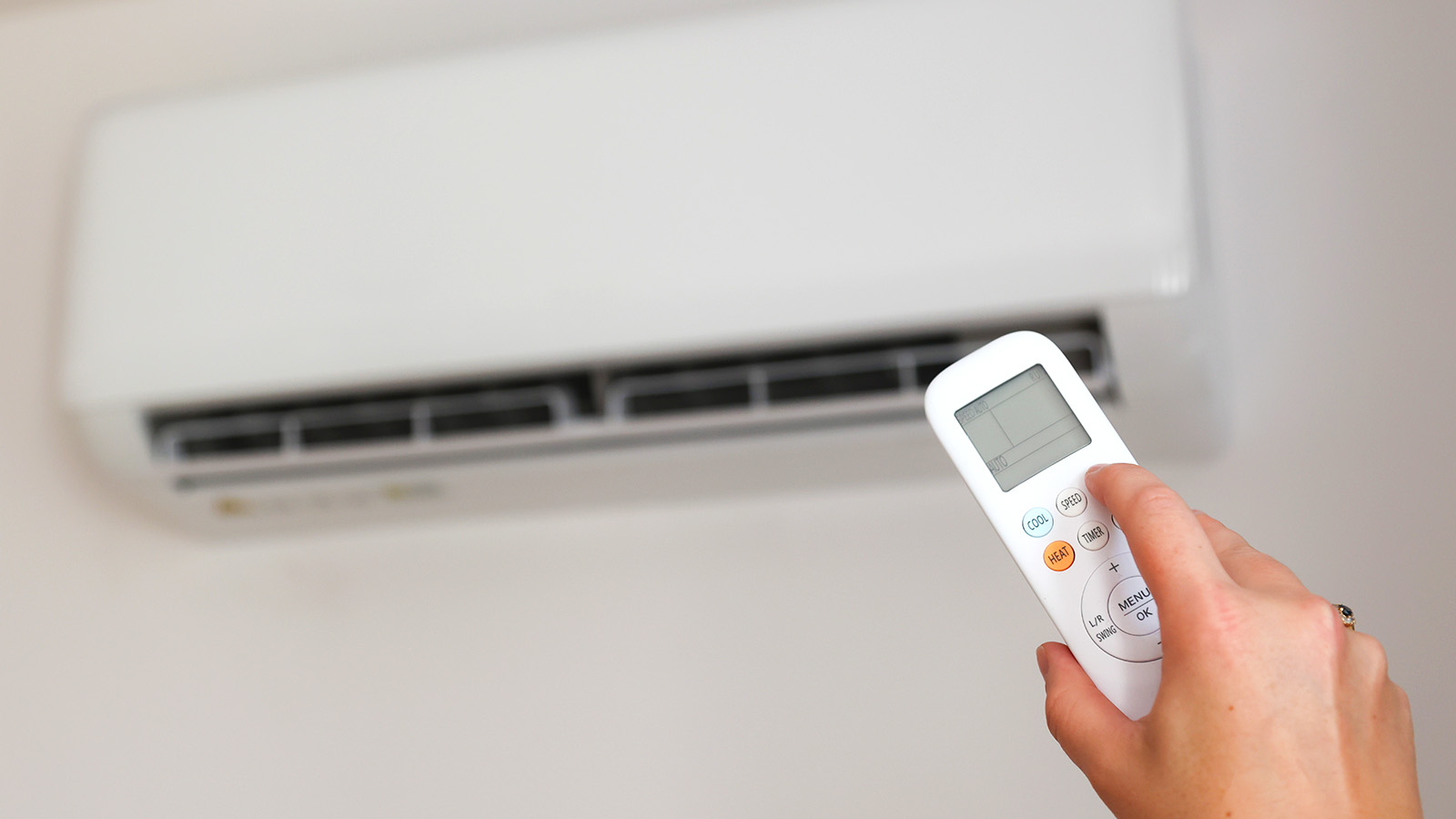
Smart air conditioners can connect with home automation systems. This allows easy control of all devices from one place.
You can set schedules or adjust settings using voice commands or mobile apps.
- Works with smart lights and security
- Allows voice control through assistants
- Automates cooling based on your routine
Credit: www.tomsguide.com
Frequently Asked Questions
What Is The Ideal Air Conditioner Temperature Setting?
The ideal temperature for air conditioners is between 24°C to 26°C (75°F to 78°F). This range balances comfort and energy efficiency effectively.
How Does Temperature Affect Air Conditioner Energy Use?
Lowering the temperature increases AC energy consumption. Setting it around 24-26°C reduces electricity bills without sacrificing comfort.
Can Air Conditioner Temperature Impact Health?
Yes, extreme cold temperatures can cause discomfort or respiratory issues. Maintaining a moderate temperature prevents health problems and ensures comfort.
Why Is 24°c Considered The Best Ac Temperature?
24°C is optimal for cooling without overworking the unit. It saves energy and keeps rooms comfortably cool throughout the day.
Conclusion
Choosing the right air conditioner temperature saves energy and money. Comfort is essential, but efficiency matters too. Set your thermostat between 24-26°C for optimal cooling. This range keeps you cool and reduces energy bills. Remember, small adjustments make a big difference.
Avoid setting temperatures too low. It strains your air conditioner and increases costs. Consider your personal comfort and local climate. Experiment a little to find your perfect balance. Every home is unique, so trust your instincts. Stay cool and enjoy your energy savings!