
Are you struggling to find the perfect temperature setting for your air conditioner? You’re not alone.
Choosing the best temperature can make a big difference in your comfort and energy bills. Set it too low, and you might feel cold and waste money. Set it too high, and the room won’t feel cool enough. But what exactly is the best temperature for your air conditioner to keep you comfortable while saving energy?
Keep reading, because we’ll reveal the ideal temperature that works for you and your home. This simple change could transform how you feel indoors every day.

Credit: www.healthkart.com
Ideal Temperature Range
Setting the air conditioner to an ideal temperaturehelps save energy and keeps you comfortable. During the daytime, keep the temperature around 24-26°C (75-78°F). This range balances coolness and power use well.
At night, a slightly warmer setting around 26-28°C (78-82°F)is best. This helps you sleep without feeling too cold. It also reduces energy costs.
Seasonal changes mean adjusting the temperature. In summer, lower the setting slightly for hotter days. During milder weather, raise the temperature to avoid overcooling. This keeps your room comfortable all year long.
Energy Efficiency Tips
Setting your air conditioner to around 78°F balances comfort and energy savings. Cooler settings increase electricity use and costs. Adjusting the temperature slightly can reduce bills without losing coolness.
Balancing Comfort And Savings
Setting your air conditioner to 78 degrees is ideal. This temperature keeps you cool and saves energy. For each degree above 78, you save 3-5% on bills. Use ceiling fans to make rooms feel cooler. Close curtains to block the sun during hot days.
Smart Thermostat Benefits
Smart thermostats help save energy. They adjust the temperature automatically. You can control them with your phone. This helps you stay comfortable and cut costs. Program them to lower settings when you’re not home. This saves money and energy.
Maintaining Your Air Conditioner
Regular maintenance keeps your air conditioner efficient. Clean the filters every month. Dirty filters use more energy. Check the outdoor unit for debris. Keep it clean and clear of leaves. This ensures better airflow and cooling. Schedule a professional checkup yearly for best results.
Health And Comfort Factors
Proper humidity controlkeeps the air comfortable and healthy. High humidity can cause mold and dust mites. Low humidity may dry out skin and throat. A good air conditioner balances moisture to avoid these issues.
Air quality is vital for health. Air conditioners with filtersremove dust, pollen, and germs. Clean filters ensure fresh air and reduce allergies. Change filters regularly for best results.
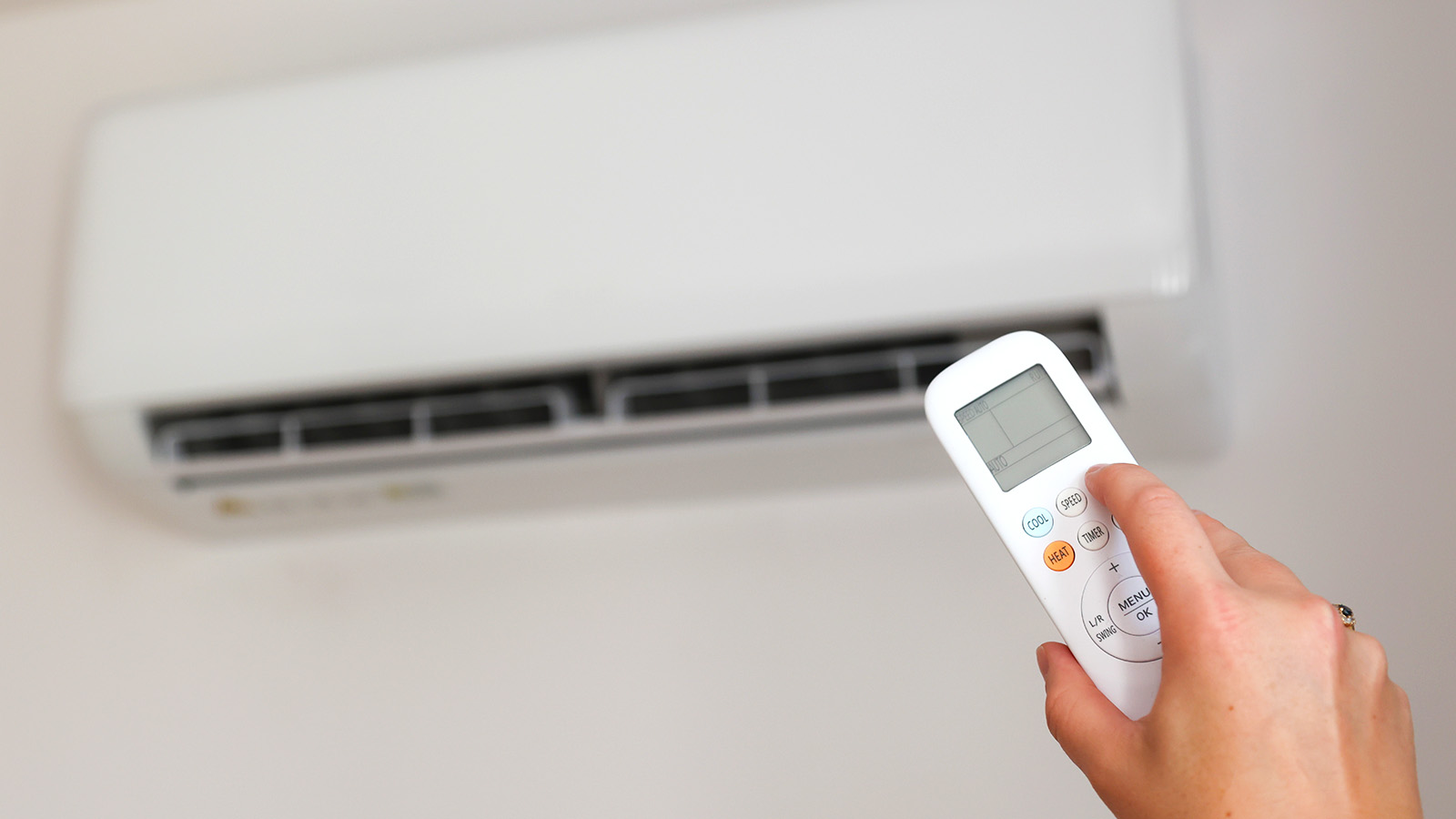
Avoiding overcooling stops cold drafts and chills. Set the temperature around 75°F (24°C)for comfort. Sudden cold can cause headaches and stiff muscles. Moderate cooling saves energy and keeps you comfy all day.
Credit: www.tomsguide.com
Room Size And Layout
The size of the roomaffects the air conditioner’s cooling power needed. A larger room needs a stronger unitto keep the temperature steady. The layoutalso matters; open spaces cool differently than rooms with many walls.
Zoninghelps by dividing a home into sections. Each zone can have its own temperature setting. This saves energy and keeps everyone comfortable.
Furniture can block air flow. Keep air vents clear for better circulation. Arrange chairs and tables so cool air moves freely around the room.
Special Situations
Babies and elderly need gentle, stable temperatures. Set air conditioners between 72°F and 75°Fto keep them comfortable. Avoid sudden changes. Use fans to help air flow without cold blasts.
Workspaces benefit from cool, calm environments. Ideal temperatures range from 70°F to 73°F. This range helps people focus and stay alert. Too cold or hot can lower productivity and cause discomfort.
Outdoor temperature affects indoor cooling needs. Hot days require air conditioners to run longer at lower settings. Cooler days need less cooling, so set temperatures higher to save energy.

Credit: www.cnet.com
Frequently Asked Questions
What Is The Ideal Air Conditioner Temperature Setting?
The ideal air conditioner temperature is around 24-26°C (75-78°F). This range balances comfort and energy efficiency. It keeps rooms cool without excessive power use, saving money and reducing environmental impact.
How Does Temperature Affect Air Conditioner Efficiency?
Air conditioners use less energy at moderate temperatures. Setting the AC too low increases power consumption. Maintaining a steady, moderate temperature improves efficiency and lowers electricity bills.
Can Air Conditioner Temperature Impact Health?
Yes, extreme AC temperatures can cause discomfort or health issues. Too cold air may cause respiratory problems or dry skin. A moderate temperature ensures comfort and avoids health risks.
Why Should I Avoid Setting Ac Too Cold?
Setting the AC too cold wastes energy and raises costs. It strains the unit, reducing its lifespan. Also, drastic temperature differences can cause discomfort or illness.
Conclusion
Choosing the right air conditioner temperature saves energy and keeps you comfortable. Setting it between 24°C and 26°C usually works best. This range cools your room without using too much power. It also helps your air conditioner last longer. Remember, personal comfort matters too.
Adjust the temperature slightly if you feel too hot or cold. Simple habits like closing curtains can help your AC work well. Stay cool and save money by picking the best temperature for your space. Small changes make a big difference in comfort and cost.