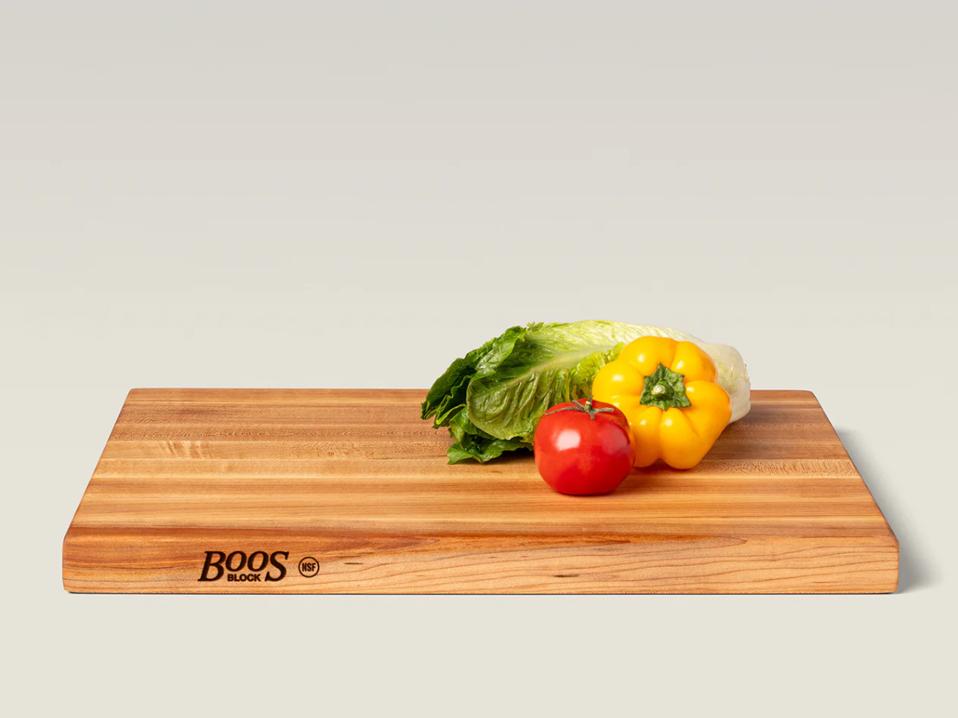
Choosing the right wood cutting board might seem simple, but it can make a big difference in your kitchen. You want a board that’s durable, easy to clean, and gentle on your knives.
But with so many types of wood available, how do you know which one is best for you? You’ll discover the key features that make certain wood cutting boards stand out. By the end, you’ll feel confident picking the perfect board that fits your cooking style and keeps your kitchen safe and efficient.
Keep reading to find the best type of wood cutting board for your needs.

Credit: oggnhome.com
Types Of Wood Cutting Boards
Wood cutting boards come in many types. Each type has unique features. Knowing these helps you pick the best board.
This guide explains three common wood cutting board types. They are hardwood, softwood, and bamboo boards.
Hardwood Boards
Hardwood boards are popular for their strength. They resist deep cuts and last a long time. Common hardwoods include maple, walnut, and cherry.
- Durable and strong
- Gentle on knife edges
- Resists water and bacteria
- Requires regular oiling
Softwood Boards
Softwood boards come from trees like pine or cedar. They are lighter but less durable. Softwoods can show knife marks more easily.
| Feature | Softwood Boards |
| Durability | Lower than hardwood |
| Weight | Light |
| Knife Friendly | Less gentle |
| Cost | Usually lower |
Bamboo Boards
Bamboo boards are made from grass, not wood. They are eco-friendly and hard. Bamboo resists water and bacteria well.
- Fast-growing and sustainable
- Hard and durable surface
- Resists moisture and bacteria
- Can dull knives faster than hardwood
Factors Affecting Board Quality
Choosing the right wood cutting board depends on many factors. Each factor affects the board’s performance and lifespan.
Understanding these factors helps you pick a board that suits your kitchen needs and keeps knives safe.
Durability
Durability means how well the board stands up to cutting, moisture, and wear. Hardwoods like maple and walnut last longer than softwoods.
Boards made from dense wood resist deep cuts and cracking. This keeps the surface smooth for years.
Grain And Texture
The grain of wood affects how the board looks and performs. End-grain boards show the wood rings on the surface. Face-grain boards show the wood’s lines.
| Type of Grain | Description | Benefits |
| End-Grain | Wood fibers stand up vertically | Self-healing cuts, gentle on knives |
| Face-Grain | Wood fibers lie flat | Smoother surface, less expensive |
| Edge-Grain | Wood fibers lie on edge | Durable, easier to clean |
Maintenance Needs
Wood cutting boards need care to last. Regular oiling stops wood from drying out. Avoid soaking boards in water to prevent warping.
- Apply food-safe mineral oil every few weeks
- Clean with mild soap and water after use
- Do not put in dishwasher
- Dry board thoroughly after washing
Knife Friendliness
Wood boards protect knives better than plastic or glass. Soft wood grain allows knives to cut smoothly without dulling quickly.
Tips for Knife-Friendly Boards:
- Choose hardwoods like maple or cherry
- Avoid very hard surfaces like bamboo or glass
- Use end-grain boards to reduce knife wear
Popular Wood Species For Boards
Wood cutting boards come in many types. Each wood species has unique features.
Choosing the right wood affects durability and food safety. Some woods are harder and last longer.
Maple
Maple is a common choice for cutting boards. It is hard and has a tight grain.
This wood resists cuts and scratches well. It also cleans easily and does not absorb much moisture.
Walnut
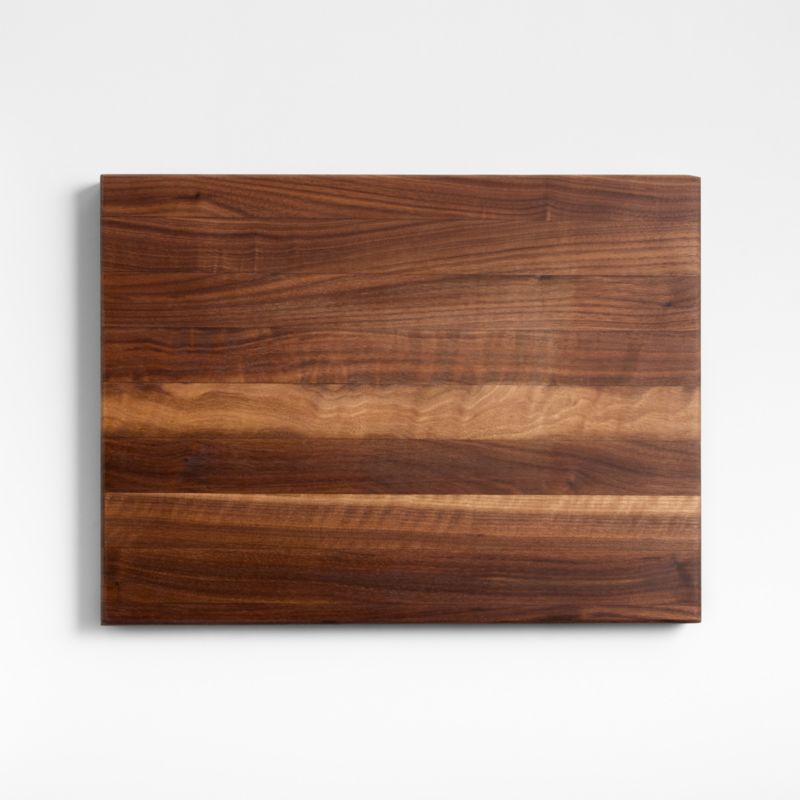
Walnut boards have a rich, dark color. They are strong and gentle on knives.
Walnut wood is less dense than maple but still durable. It offers a smooth surface for cutting.
Cherry
Cherry wood has a warm, reddish tone. It is moderately hard and ages beautifully over time.
This wood is less common but valued for its appearance. It wears well with proper care.
Teak
Teak is known for its oils that resist water and stains. It is very durable and ideal for heavy use.
Its natural oils keep the wood from cracking. Teak boards need less maintenance than others.
Board Construction Styles
Wood cutting boards come in different styles based on how the wood is arranged. Each style affects the board’s durability and appearance.
Understanding these styles helps you choose a board that fits your cooking needs and lasts longer.
Edge Grain
Edge grain boards are made by gluing wood strips with their edges facing up. The grain runs lengthwise along the board.
These boards are usually less expensive and lighter. They offer a smooth surface but show knife marks more easily.
End Grain
End grain boards show the ends of wood fibers on the surface. The wood pieces are glued with their ends facing up.
- Knife cuts go between the wood fibers, not across.
- The board heals better from cuts and lasts longer.
- They are heavier and often cost more.
- End grain has a unique checkerboard pattern.
Face Grain
Face grain boards use the flat side of the wood plank as the surface. The grain runs across the board’s width or length.
| Feature | Face Grain |
| Appearance | Shows natural wood patterns clearly |
| Durability | Less durable than end grain |
| Maintenance | Requires regular oiling to prevent warping |
| Cost | Usually affordable |
Health And Safety Considerations
Choosing the best wood cutting board is important for health and safety. Some woods are safer and cleaner than others.
Wood type affects bacteria growth and how easy the board is to clean. Keeping your board safe helps prevent foodborne illness.
Antibacterial Properties
Some wood types naturally fight bacteria better than others. Hardwoods like maple and walnut are good choices.
These woods have tight grain structures. This stops bacteria from hiding deep inside the board.
- Maple has natural antibacterial oils
- Walnut resists moisture and bacteria
- Bamboo is also a strong antibacterial option
Cleaning Tips
Cleaning your wood cutting board properly keeps it safe to use. Wash it after every use with hot water and soap.
Dry the board well to stop mold and bacteria from growing. Avoid soaking wood boards in water for a long time.
- Use mild dish soap and a sponge
- Rinse with hot water
- Dry with a clean towel or air dry upright
- Oil the board regularly to protect the surface
Avoiding Cross-contamination
Cross-contamination spreads germs from one food to another. Use different boards for raw meat and vegetables.
Label your cutting boards or use color codes to keep foods separate. Clean boards well between uses.
- Use one board for raw meat and fish
- Use another for fruits and vegetables
- Wash boards thoroughly after each use
- Replace boards if deep cuts or cracks appear
Care And Maintenance Tips
Wood cutting boards need proper care to last a long time. Taking good care keeps them safe and clean.
Follow simple steps to keep your board smooth and strong. This helps avoid cracks and stains.
Seasoning And Oiling
Seasoning your wood board protects it from water damage. Oiling keeps the wood healthy and shiny.
Use food-safe mineral oil or beeswax oil. Apply it evenly and let it soak in for hours or overnight.
- Clean the board before oiling
- Apply oil with a soft cloth
- Let the oil soak in fully
- Wipe off extra oil with a clean cloth
- Repeat oiling once a month or as needed
Cleaning Methods
Clean your wood board after every use. Avoid soaking it in water or using harsh chemicals.
Use warm water and mild soap. Scrub gently with a soft sponge, then dry quickly with a towel.
- Do not put wood boards in the dishwasher
- Remove odors by rubbing with lemon or baking soda
- Dry board standing up to air out fully
Repairing And Sanding
Small cuts and scratches are normal on wood boards. Sanding smooths the surface and removes damage.
Use fine-grit sandpaper to sand the board gently. Sand along the grain to keep the surface even.
- Clean the board before sanding
- Sand lightly until smooth
- Wipe away dust with a damp cloth
- Apply oil after sanding to protect wood
Comparing Wood Boards With Other Materials
Choosing the best cutting board depends on the material. Wood boards are popular, but plastic, composite, glass, and marble boards are also common. Each type has its own pros and cons for kitchen use.
This guide compares wood boards with plastic, composite, glass, and marble boards. It helps you understand which board suits your needs best.
Plastic Boards
Plastic cutting boards are lightweight and inexpensive. They are easy to clean and can be washed in a dishwasher. Plastic boards do not absorb liquids, which helps prevent bacteria build-up. Still, deep cuts can form grooves that may trap food particles and germs.
- Affordable and widely available
- Dishwasher safe for easy cleaning
- Non-porous surface prevents stains
- Can develop deep grooves over time
- Less gentle on knives compared to wood
Composite Boards
Composite boards blend wood fibers with resin. They are durable and often dishwasher safe. Composite boards resist warping and cracking better than pure wood. They are harder on knives than wood but softer than glass. These boards offer a balance between durability and knife friendliness.
| Feature | Composite Boards |
| Durability | High |
| Knife Friendly | Moderate |
| Dishwasher Safe | Yes |
| Water Resistance | Good |
| Maintenance | Low |
Glass And Marble Boards
Glass and marble boards look elegant and are very easy to clean. They do not absorb liquids or odors. These boards resist stains and can be sanitized easily. But they are very hard on knives and can dull blades quickly. Glass boards can also be slippery and cause accidents.
- Non-porous and stain resistant
- Easy to sanitize
- Hard on knives, dulls blades fast
- Can be slippery during use
- Heavy and fragile, may chip or break
Credit: www.crateandbarrel.ca
Choosing The Right Board For Your Needs
Wood cutting boards come in many types and styles. Picking the right one depends on what you need it for.
Think about your budget, how often you will use the board, and how it looks in your kitchen.
Budget Considerations
Wood cutting boards vary in price based on wood type and size. Some woods cost more because they last longer.
Set a budget before you shop. This helps you choose a board that fits your wallet and lasts well.
- Maple boards are affordable and durable.
- Bamboo boards are eco-friendly and cost-effective.
- Walnut boards are pricier but very strong.
Usage Frequency
Think about how often you will use your cutting board. Heavy use needs a tough wood that resists cuts.
If you cook daily, choose boards that stand wear and are easy to clean. For light use, softer woods work fine.
- Hardwoods like maple and cherry last longer with daily use.
- Softwoods can scratch easily and wear out fast.
- Boards with end grain handle heavy chopping better.
Aesthetic Preferences
Your cutting board should look good in your kitchen. Wood color and grain add style to your space.
Choose a board that matches your kitchen’s colors and decor. Some woods have rich colors that stand out.
- Walnut has a dark, elegant look.
- Maple offers a light, classic appearance.
- Bamboo has a unique striped pattern.

Credit: woodforchef.com
Frequently Asked Questions
What Is The Most Durable Wood For Cutting Boards?
Hardwoods like maple and walnut are highly durable for cutting boards. They resist knife scars and moisture damage effectively. These woods have a tight grain structure, making them less prone to bacterial growth. Maple is popular for its affordability and durability, while walnut offers a premium feel with dark, rich colors.
Are Bamboo Cutting Boards Better Than Wood?
Bamboo cutting boards are eco-friendly and harder than most woods. They resist knife marks well but can dull knives faster. Bamboo is lightweight and easy to maintain. However, hardwoods like maple and walnut are generally more durable. Choose bamboo for sustainability, but hardwoods for longevity and knife safety.
How Do I Maintain A Wooden Cutting Board?
Clean your wooden cutting board with mild soap and water. Dry it immediately to prevent warping. Oil it regularly with mineral oil to maintain moisture and prevent cracking. Avoid soaking or using a dishwasher. Proper care extends the board’s lifespan and keeps it sanitary.
Can I Use A Wooden Cutting Board For Raw Meat?
Yes, you can use a wooden cutting board for raw meat. However, ensure it’s properly cleaned after each use to prevent bacterial contamination. Use a separate board for meats and another for vegetables to avoid cross-contamination. Regular oiling also helps maintain the board’s condition.
Conclusion
Choosing the best wood cutting board depends on your needs and budget. Hardwoods like maple and walnut offer durability and safety. They resist knife marks and stay cleaner longer. Softwoods may wear out faster and hold bacteria. Regular cleaning and oiling keep boards in good shape.
A good cutting board makes cooking safer and more enjoyable. Pick one that fits your kitchen style and use. Your hands and knives will thank you. Simple care extends your board’s life. Enjoy cooking with the right wood cutting board every day.