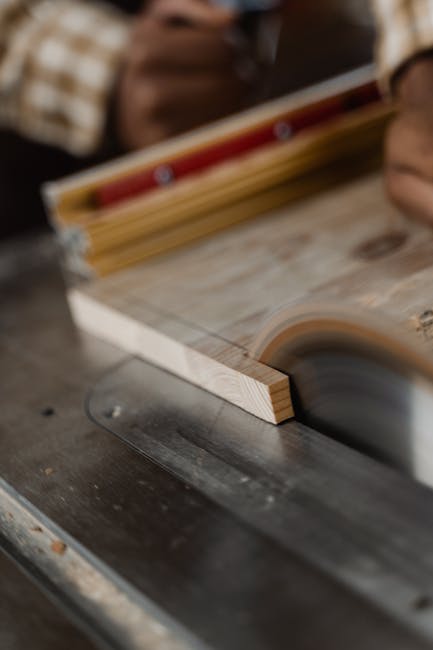
Choosing the right wood for your cutting board can make a big difference in your kitchen. You want something durable, safe, and easy to clean.
But with so many options out there, which wood is truly the best? You’ll discover the top woods that stand up to daily chopping, protect your knives, and keep your food safe. By the end, you’ll know exactly what to look for to pick the perfect cutting board that fits your needs and lasts for years.
Keep reading—you’re about to make your kitchen smarter and your cooking easier.
Durability Factors In Cutting Boards
Choosing the best wood for a cutting board depends on several durability factors. These factors help the board last longer and stay safe to use.
We will look at hardness and grain structure, resistance to moisture, and maintenance and longevity. Each plays a key role in cutting board quality.
Hardness And Grain Structure
Hardness affects how well a cutting board resists knife marks and dents. Grain structure affects how smooth or rough the surface feels.
- Hard woods like maple and walnut resist cuts and scratches.
- Tight grain wood prevents deep cuts that can trap bacteria.
- Open grain wood absorbs moisture more, which can reduce durability.
Resistance To Moisture
Moisture can cause wood to warp or crack. It also encourages bacteria growth. Good cutting board wood handles moisture well.
| Wood Type | Moisture Resistance |
| Maple | High |
| Cherry | Medium |
| Bamboo | High |
| Pine | Low |
Maintenance And Longevity
Proper care extends the life of a cutting board. Some woods need more care than others.
- Oil your board regularly to keep it from drying out.
- Clean with mild soap and water, never soak it.
- Sanding can remove deep cuts and refresh the surface.
- Store in a dry place to avoid warping.
Top Hardwood Choices
Choosing the right wood for a cutting board is important. Hardwood is the best choice because it is strong and lasts long.
Here are three popular hardwoods that work well for cutting boards. Each has unique features and benefits.
Maple
Maple is a classic choice for cutting boards. It is hard and has a fine grain that resists cuts and scratches. It also does not dull knives quickly.
- Durable and long-lasting
- Light color with smooth texture
- Resists bacteria when cleaned properly
Walnut
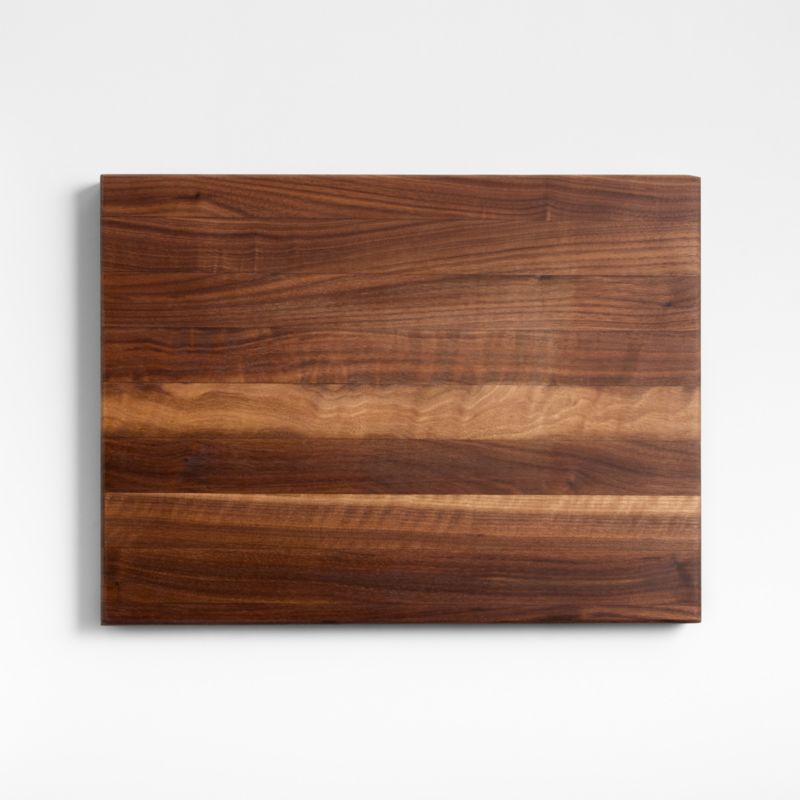
Walnut offers a rich, dark color and a strong surface. It is slightly softer than maple but still very durable. Walnut boards add an elegant look to any kitchen.
| Feature | Maple | Walnut |
| Color | Light cream | Dark brown |
| Hardness | High | Medium-high |
| Maintenance | Easy | Requires regular oiling |
Cherry
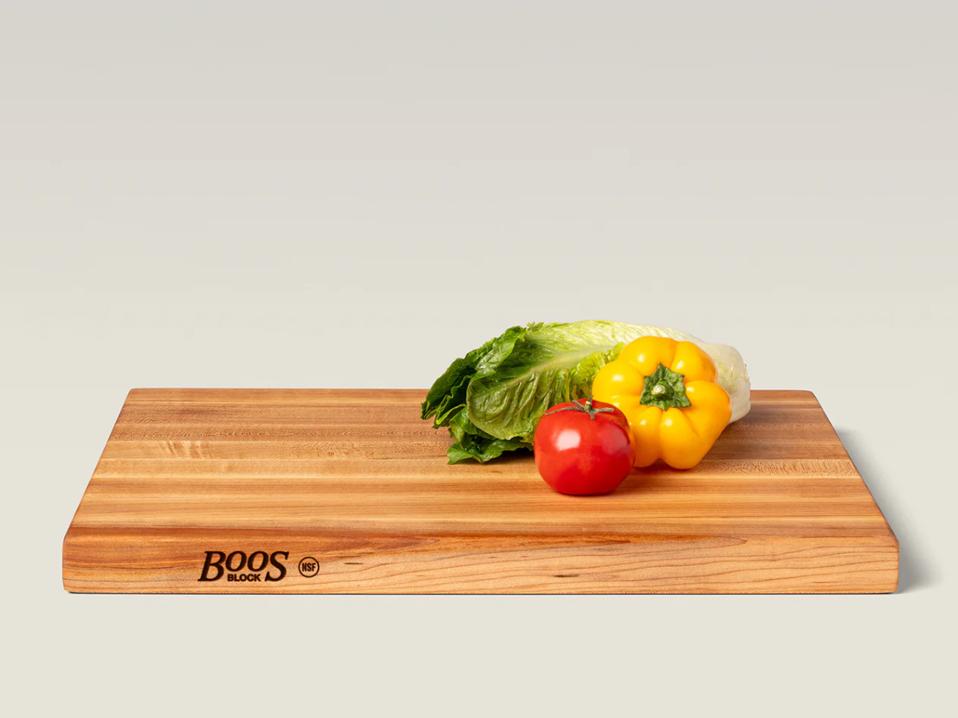
Cherry wood is known for its warm reddish tone. It is a bit softer than maple and walnut but still strong enough for cutting boards. Cherry darkens with age and use.
Key points about cherry cutting boards:
- Beautiful color that deepens over time
- Gentle on knives
- Needs regular oiling to keep it healthy
Alternative Wood Options
Choosing the right wood for a cutting board is important. Some woods offer great durability and safety. Here are some good alternative wood options.
These woods are popular for cutting boards due to their strength and resistance to moisture. Each type has unique qualities worth considering.
Bamboo
Bamboo is a fast-growing grass that is very hard and dense. It resists water and knife marks well. Bamboo boards are eco-friendly and easy to clean.
- Hard and durable
- Resists moisture
- Lightweight
- Eco-friendly choice
Teak
Teak is a dense hardwood with natural oils. These oils help protect the board from water and bacteria. Teak boards last a long time but can be heavy.
| Feature | Description |
| Durability | High, very strong |
| Water Resistance | Natural oils repel water |
| Maintenance | Needs oiling to keep condition |
| Weight | Heavier than some woods |
Beech
Beech wood is light in color and fine-grained. It is tough and has a smooth surface. Beech boards are affordable and easy to maintain.
Beech wood benefits include:
- Strong and durable
- Non-porous surface
- Easy to clean
- Resists knife marks

Credit: glamorwood.com
Wood Safety And Hygiene
Choosing the right wood for a cutting board is important for safety and hygiene. Some woods keep bacteria away naturally.
Proper care keeps your cutting board clean and safe for food preparation.
Natural Antibacterial Properties
Certain hardwoods have natural oils that fight bacteria. These woods are safer for cutting boards.
- Maple: Dense grain and natural compounds reduce germs.
- Walnut: Contains natural antiseptic oils.
- Teak: High oil content makes it water-resistant and antibacterial.
- Cherry: Tight grain limits bacteria growth.
Cleaning And Care Tips
| Care Tip | Reason |
| Wash with warm soapy water after use | Removes food and bacteria |
| Dry board completely | Prevents warping and mold growth |
| Oil regularly with food-safe mineral oil | Protects wood and seals surface |
| Avoid soaking or dishwasher | Prevents cracks and damage |
| Use coarse salt and lemon to scrub | Natural cleaning and deodorizing |
Choosing The Right Wood For Your Needs
Picking the best wood for your cutting board depends on what you need. Different woods offer various benefits and features.
Think about how you will use the board and what qualities matter most to you.
Budget Considerations
Wood types for cutting boards come in many price ranges. Some are affordable and widely available.
Hardwoods like maple and walnut cost more but last longer. Cheaper woods may wear out quickly.
- Maple – Moderate price, durable
- Bamboo – Affordable, eco-friendly
- Walnut – Higher price, very durable
- Cherry – Mid-range price, good hardness
- Pine – Low cost, soft and less durable
Aesthetic Preferences
Wood color and grain give your cutting board a unique look. Choose wood that fits your kitchen style.
Dark woods like walnut create a rich look. Light woods like maple appear clean and bright.
- Maple – Light color with fine grain
- Walnut – Dark brown with smooth grain
- Cherry – Warm reddish-brown tone
- Bamboo – Light with vertical stripes
- Teak – Golden brown and oily texture
Intended Use And Cutting Style
Think about what you will cut and how often. Hard woods resist knife marks better and stay smooth.
Soft woods may get damaged quickly. End grain boards last longer and protect knives well.
- Hardwoods like maple and walnut suit heavy use
- End grain boards are gentle on knives
- Soft woods work for light or decorative use
- Bamboo is hard but can dull knives faster
Credit: www.crateandbarrel.ca
Credit: www.forbes.com
Frequently Asked Questions
What Wood Is Best For Cutting Boards?
Hardwoods like maple and walnut are ideal for cutting boards. They are durable and resistant to knife marks. These woods have a fine grain, which is gentle on knives and prevents bacteria buildup. Choose end-grain boards for extra durability and a self-healing surface.
Is Bamboo A Good Cutting Board Material?
Bamboo is a popular choice for cutting boards. It is eco-friendly and highly sustainable. However, bamboo is harder than some hardwoods, which can dull knives faster. It is also more prone to cracking if not properly maintained, so regular oiling is recommended.
How Does Wood Grain Affect Cutting Boards?
Wood grain significantly impacts a cutting board’s durability and knife-friendliness. End-grain boards are self-healing and gentler on knives. Edge-grain boards are more affordable but less durable. Choose end-grain for longevity and better performance in kitchen tasks.
Can I Use Oak For A Cutting Board?
Oak can be used, but it’s not ideal for cutting boards. It has a porous structure, which can harbor bacteria. Oak is also prone to cracking and warping over time. Hardwoods like maple or walnut are better choices for a safe and durable cutting surface.
Conclusion
Choosing the best wood for a cutting board matters a lot. Hardwoods like maple, walnut, and cherry last long and protect knives. These woods resist cuts and stay clean easily. Soft woods can get damaged fast and may harbor germs.
A good cutting board helps you cook safely and enjoy food more. Think about wood that is strong, easy to clean, and gentle on knives. This way, your kitchen tools stay in great shape for years. Simple care keeps your board looking and working well.