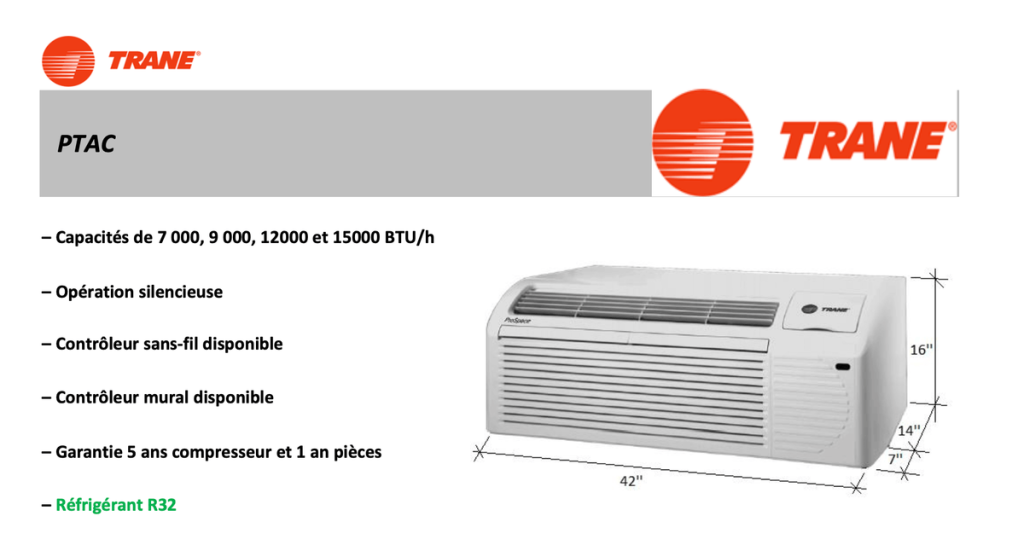
Have you ever wondered what those numbers on your air conditioner really mean? When you see “BTU” on an AC unit, it’s not just a random label—it’s the key to understanding how well your air conditioner will cool your space.
Knowing what BTU stands for and how it affects your comfort can help you choose the perfect unit for your home or office. Keep reading, and you’ll discover how this simple term can make a big difference in beating the heat efficiently and saving money on energy bills.

Credit: senville.ca
Btu Basics
BTU is a common term used with air conditioners. It helps us understand how powerful the cooling is. Knowing about BTU can help you pick the right air conditioner.
This guide explains what BTU means and how it relates to air conditioning.
What Btu Means
BTU stands for British Thermal Unit. It is a unit of energy. One BTU is the energy needed to raise one pound of water by one degree Fahrenheit.
In air conditioning, BTU shows how much heat the unit can remove from a room per hour.
How Btu Measures Cooling
BTU measures the cooling power of an air conditioner. The higher the BTU, the more cooling the unit provides.
For example, a 5,000 BTU air conditioner cools a small room. A 12,000 BTU unit cools a larger space.
- BTU shows heat removed per hour
- More BTU means stronger cooling
- Choose BTU size based on room size
Btu Vs Other Units
BTU is one way to measure energy or heat. Other units include watts and calories.
Watts measure power, often used for electricity. Calories measure heat, mostly in food.
| Unit | What It Measures | Use in Air Conditioning |
|---|---|---|
| BTU | Heat energy | Cooling capacity |
| Watts | Power | Electrical use |
| Calories | Heat energy | Rarely used |
Btu And Air Conditioners
Btu stands for British thermal unit. It measures how much heat an air conditioner can remove from a room.
Knowing about Btu helps you pick the right air conditioner size for your space.
Why Btu Matters
Btu shows how strong an air conditioner is. The higher the Btu, the more cooling power it has.
If the Btu is too low, the room will stay warm. If it is too high, the unit uses more energy than needed.
Btu Ratings On Units
Air conditioners list their Btu rating on the label. This rating tells you the unit’s cooling capacity.
Common Btu ratings range from 5,000 to 24,000 or more. Smaller units cool small rooms, larger ones cool big areas.
- 5,000 – 8,000 Btu for small rooms
- 8,000 – 12,000 Btu for medium rooms
- 12,000 – 24,000 Btu for large rooms
Sizing Air Conditioners By Btu
Choose an air conditioner with the right Btu for your room size. This helps cool efficiently and saves energy.
Measure your room’s square feet and match it to a Btu range. This prevents buying a unit that is too weak or strong.
| Room Size (sq ft) | Recommended Btu |
|---|---|
| Up to 150 | 5,000 to 6,000 |
| 150 – 300 | 6,000 to 8,000 |
| 300 – 450 | 8,000 to 10,000 |
| 450 – 550 | 10,000 to 12,000 |
| 550 – 1,000 | 12,000 to 18,000 |
Calculating Btu Needs
Btu stands for British Thermal Unit. It measures the cooling power of an air conditioner. Knowing the right Btu helps keep your room comfortable.
Choosing the correct Btu prevents wasting energy and keeps your AC efficient. Let’s explore how to calculate Btu needs.
Room Size Impact
The size of your room is the main factor in choosing Btu. Bigger rooms need more Btu to cool them well.
Measure your room’s length and width to find the area. Multiply these numbers to get the square feet.
- Up to 150 sq. ft.: 5,000 Btu
- 150 to 300 sq. ft.: 6,000–7,000 Btu
- 300 to 450 sq. ft.: 8,000–10,000 Btu
- 450 to 600 sq. ft.: 12,000–14,000 Btu
Factors Affecting Btu
Other factors change how many Btu you need. Windows, sunlight, and ceiling height affect cooling needs.
Rooms with many windows or bright sun require more Btu. High ceilings also need extra cooling power.
- Number of windows
- Amount of sunlight
- Ceiling height
- Number of people usually in the room
- Heat from appliances or electronics
Adjusting For Climate
Climate affects how much cooling power you need. Hotter areas need air conditioners with higher Btu.
Cooler regions can use lower Btu units. Consider your local temperature before picking an air conditioner.
- Hot climates: add 10-20% more Btu
- Moderate climates: use standard Btu
- Cool climates: reduce Btu by 10-15%
Choosing The Right Btu
Btu stands for British Thermal Unit. It measures how much heat an air conditioner can remove from a room.
Choosing the right Btu helps your air conditioner cool your space well and save energy.
Effects Of Undersized Units
Undersized air conditioners have low Btu power. They struggle to cool the room properly.
This causes longer running times and uneven cooling, making the space uncomfortable.
Drawbacks Of Oversized Units
Oversized air conditioners cool the room too fast. This stops the unit from removing humidity well.
It leads to a cold but damp room and wastes electricity by turning on and off often.
- Short cooling cycles
- High energy bills
- Poor humidity control
- More wear and tear
Energy Efficiency Considerations
Right-sized air conditioners use energy better. They cool rooms evenly and keep humidity in check.
Choosing the correct Btu helps lower electricity costs and extends the unit’s life.
Improving Cooling Efficiency
The Btu rating on an air conditioner shows how much heat it can remove from a room. Choosing the right Btu helps the unit cool well and save energy. Proper use and care improve how the air conditioner works.
Understanding Btu and its impact on cooling can lower energy bills. Simple actions keep the system running at its best.
Proper Installation Tips
Installing your air conditioner correctly ensures it cools efficiently. A wrong setup can reduce Btu output and waste energy.
Place the unit where air flows freely and avoid direct sunlight. Seal gaps around the unit to stop air leaks.
- Mount the unit on a sturdy, level surface
- Keep the outdoor unit clear of debris and plants
- Use proper insulation around ducts and pipes
- Follow manufacturer’s guidelines for spacing
Maintenance For Optimal Btu
Regular maintenance keeps the air conditioner working at full Btu capacity. Dirty filters and coils reduce cooling power.
Clean or replace filters every month during heavy use. Check and clean the coils to prevent dust buildup.
- Inspect and clean air filters monthly
- Clear debris from outdoor condenser coils
- Check refrigerant levels yearly
- Schedule professional tune-ups once a year
Using Thermostats Effectively
Setting the thermostat properly helps the air conditioner run efficiently. Avoid setting it too low to save energy.
Use programmable thermostats to keep rooms cool only when needed. This reduces wear and improves Btu efficiency.
- Set thermostat to a comfortable, steady temperature
- Use timers or smart controls for better scheduling
- Avoid frequent temperature changes
- Close doors and windows to keep cool air inside

Credit: www.amazon.ca
Common Btu Myths
Many people think they need the biggest air conditioner to cool their rooms. This idea is not always true. Understanding Btu helps you pick the right AC unit.
Btu stands for British Thermal Unit. It measures how much heat an air conditioner can remove in one hour. Let’s clear up some common myths about Btu.
More Btu Always Better?
Some believe that a higher Btu rating means better cooling. But a too powerful AC cools too fast and wastes energy. It also makes the room feel damp.
Choosing an AC with the right Btu size for your room is important. Too big or too small units cause problems and discomfort.
Ignoring Room Factors
People often ignore room size, windows, and insulation when picking Btu. These factors affect how much cooling you need.
- Large rooms need higher Btu units
- Rooms with many windows get hotter
- Poor insulation means more cooling power is needed
- Direct sunlight raises room temperature
Ignoring these facts leads to wrong Btu choices and poor cooling results.
Btu And Energy Bills
Many think a bigger Btu unit uses less energy. The opposite is true. Too big units run short cycles and waste electricity.
Right-sized AC units run longer and more efficiently. This lowers energy bills and keeps you comfortable.

Credit: www.amazon.ca
Frequently Asked Questions
What Does Btu Mean In Air Conditioners?
BTU stands for British Thermal Unit. It measures the cooling capacity of an air conditioner. Higher BTUs mean more cooling power for larger rooms.
How To Choose The Right Btu For Ac?
Calculate your room size in square feet. Match it with the AC’s BTU rating for efficient cooling. Avoid under or over-sizing.
Why Is Btu Important For Air Conditioner Efficiency?
BTU affects how well an AC cools a space. The correct BTU ensures energy efficiency and comfort without wasting electricity.
Can A Higher Btu Damage My Room’s Ac?
Using an AC with too high BTU can cause short cycling. This reduces efficiency and increases wear on the unit.
Conclusion
Understanding the Btu on air conditioners is essential. It helps in choosing the right unit. A higher Btu means more cooling power. But not always better. Too high can waste energy. Too low might not cool enough. Consider room size when selecting.
Also, think about insulation and climate. Making the right choice saves money. It keeps your space comfortable. And ensures efficient energy use. So, next time you buy an air conditioner, remember the Btu. It makes a big difference. Stay cool and save energy by choosing wisely.