Have you ever wondered how your air conditioner keeps your home cool and comfortable? The secret lies in a crucial part called the condenser.
Understanding what the condenser does can help you appreciate your AC system more—and even spot problems early. You’ll discover exactly what the condenser is, why it matters, and how it works to keep your space refreshingly cool. Keep reading to unlock the key to your air conditioner’s cooling power!
Credit: www.lochardplumbingheatingandcooling.com
Role Of The Condenser
The condenser is a key part of an air conditioner. It helps cool down the hot gas from inside your home.
This part turns the hot gas into a cool liquid. This change helps remove heat from your home.
How The Condenser Works
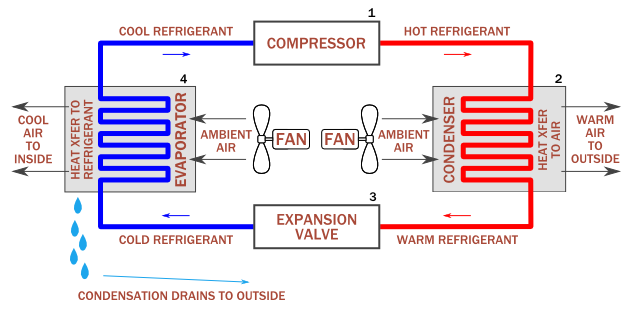
The condenser takes hot refrigerant gas from the compressor. It pushes air over the coils to cool the gas.
As the gas cools, it turns into a liquid. This liquid then moves to the next part of the system.
- Hot gas enters the condenser coils.
- Air blows over the coils to cool the gas.
- The gas turns into a liquid.
- The liquid leaves the condenser to continue cooling.
Position In The Air Conditioning System
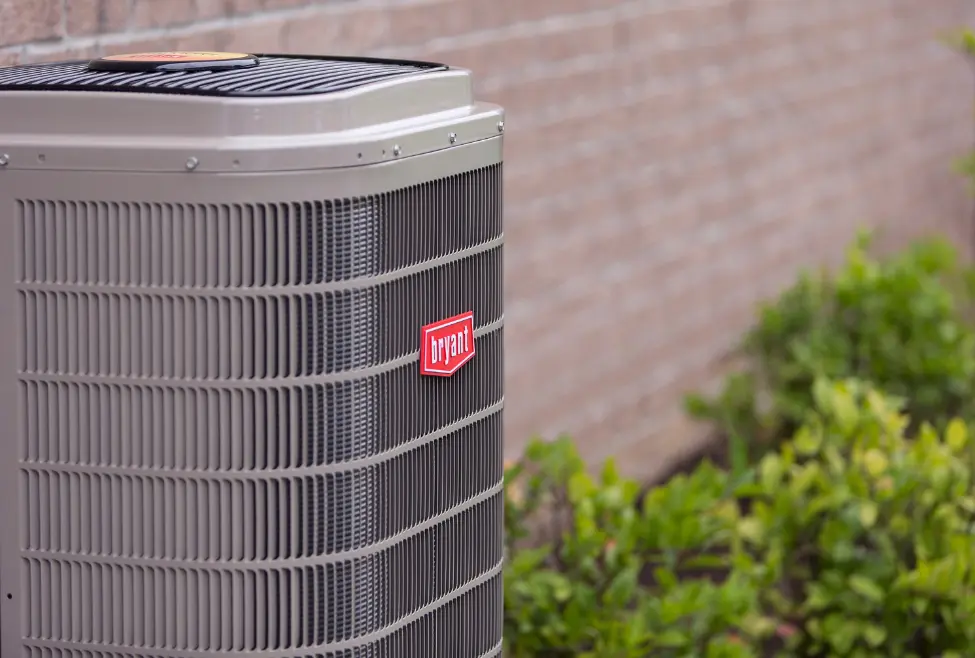
The condenser is outside the building. It works with the compressor to release heat outside.
It sits between the compressor and the expansion valve. This place helps it cool the refrigerant well.
- Compressor sends hot gas to the condenser.
- Condenser cools the gas to liquid.
- Liquid moves to expansion valve inside.
- System repeats to keep your home cool.
Types Of Condensers
The condenser is an important part of an air conditioner. It helps remove heat from the refrigerant. Different types of condensers do this in different ways. Understanding the types can help you choose the right system.
There are three main types of condensers: air-cooled, water-cooled, and evaporative. Each has its own advantages and uses in cooling systems.
Air-cooled Condensers
Air-cooled condensers use outside air to cool the refrigerant. They have a fan that blows air over the condenser coils. This air carries heat away from the refrigerant inside the coils.
These condensers are common in homes and small buildings. They do not need water, making them easier to install and maintain.
Water-cooled Condensers
Water-cooled condensers use water to cool the refrigerant. The water flows through tubes inside the condenser. Heat moves from the refrigerant to the water. The warm water then goes to a cooling tower.
- More efficient than air-cooled in hot weather
- Uses less energy to cool refrigerant
- Needs a water source and cooling tower
- Common in large buildings and industrial plants
Evaporative Condensers
Evaporative condensers combine air and water cooling. Water sprays over the condenser coils while air blows through. The water evaporates and takes heat away from the coils.
| Feature | Evaporative Condensers |
| Cooling Method | Air and water evaporation |
| Water Use | Uses water spray |
| Efficiency | High in dry climates |
| Maintenance | Requires water treatment |
Components Of A Condenser
The condenser is a key part of an air conditioner. It helps release heat from inside your home to the outside air.
This process keeps your home cool by changing hot gas into a cooler liquid. The condenser has several important parts.
Condenser Coil
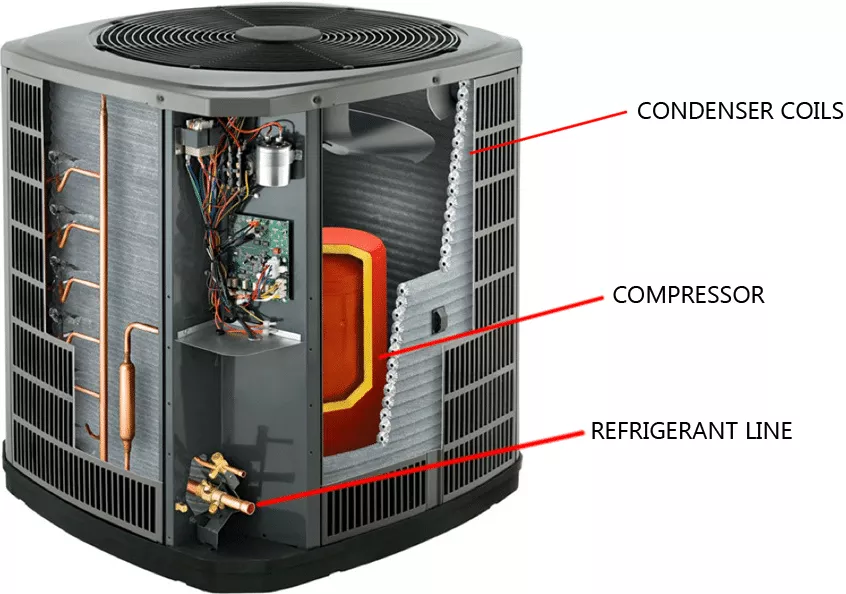
The condenser coil is a set of metal tubes with fins. These fins increase the surface area to help cool the refrigerant.
- Made of copper or aluminum
- Holds hot refrigerant gas
- Releases heat to the outside air
- Helps change gas into liquid form
Fan And Motor
The fan and motor work together to move air over the condenser coil. This air movement helps cool the refrigerant inside the coil.
| Component | Function |
| Fan | Pushes air through the condenser coil |
| Motor | Drives the fan to spin |
Refrigerant Flow
Refrigerant flows through the condenser in a cycle. It enters as hot gas and leaves as cool liquid.
The flow steps include:
- Hot gas enters the condenser coil.
- Heat moves from the gas to the outside air.
- The gas cools and changes to liquid.
- The liquid refrigerant moves to the next cooling stage.
Credit: medium.com
Heat Exchange Process
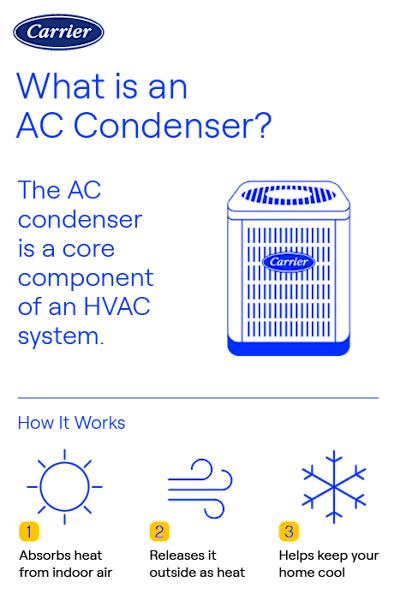
The condenser in an air conditioner helps move heat from inside to outside. It changes hot gas to liquid.
This process cools your home by removing heat and sending it outdoors.
From Gas To Liquid
The condenser receives hot refrigerant gas from the compressor. The gas is very warm and under high pressure.
Inside the condenser coils, the gas cools and changes into a liquid. This change is called condensation.
- Hot gas enters the condenser coils
- The coils cool the gas using outdoor air
- The gas loses heat and turns into liquid
Releasing Heat Outdoors
As the gas changes to liquid, it releases heat. This heat moves from the refrigerant to the air outside.
The condenser fan helps blow warm air away. This keeps the system cool and ready to absorb more heat.
- Heat leaves the refrigerant in the condenser
- Warm air blows away from the condenser unit
- Cool liquid refrigerant flows back inside to absorb heat
Common Issues With Condensers
The condenser is a key part of an air conditioner. It helps cool the refrigerant and remove heat from your home.
Condenser problems can cause your AC to work poorly or stop cooling. Knowing common issues helps with quick fixes.
Clogged Coils
Coils in the condenser can get dirty or clogged with dust and debris. This blocks airflow and reduces cooling.
Dirty coils make the AC work harder. This can cause higher energy bills and damage the system over time.
- Leaves and dirt block heat transfer
- Reduced airflow lowers cooling efficiency
- Clogged coils may cause the system to overheat
Fan Problems
The condenser fan moves air over the coils. If the fan stops or slows, the condenser cannot cool properly.
Fan issues include broken blades, motor failure, or loose belts. These problems reduce airflow and cause overheating.
- Broken fan blades reduce airflow
- Motor failure stops the fan completely
- Loose belts cause noisy or slow fan movement
Refrigerant Leaks
The condenser holds refrigerant that absorbs heat. Leaks cause low refrigerant levels and poor cooling.
Leaking refrigerant can harm the environment and damage your AC. It also makes the system work longer and cost more.
- Leaks reduce cooling power
- Low refrigerant makes the compressor work harder
- Signs include hissing sounds or oily spots near the condenser
Maintenance Tips
The condenser is an important part of your air conditioner. It helps cool the air by releasing heat outside.
Keeping the condenser in good shape helps your AC work well and last longer. Here are some tips for maintenance.
Cleaning The Coils
Dirt and dust can build up on the condenser coils. This makes the AC less efficient.
- Turn off the power before cleaning.
- Use a soft brush to remove dirt gently.
- Spray the coils with a garden hose, not a pressure washer.
- Let the coils dry before turning the power back on.
Checking The Fan
The fan moves air over the coils to cool them. A broken fan can cause the system to overheat.
| Check | How to Inspect | Action |
| Fan blades | Look for cracks or chips | Replace if damaged |
| Fan motor | Listen for strange noises | Lubricate or replace |
| Fan belt | Check for wear or looseness | Tighten or change belt |
Ensuring Proper Refrigerant Levels
Refrigerant cools the air inside your home. Low levels reduce cooling and can damage the system.
Signs of low refrigerant include:
- AC takes longer to cool
- Ice forms on the coils
- Hissing sounds near the unit
Have a professional check and refill the refrigerant if needed.
Credit: www.carrier.com
Frequently Asked Questions
What Is The Function Of An Ac Condenser?
The AC condenser cools and condenses refrigerant, transforming it into liquid form. This process releases heat outside, enabling the air conditioner to cool indoor air effectively. It works alongside other components to maintain a comfortable indoor environment.
How Does A Condenser Work In An Ac?
A condenser in an AC system dissipates heat from the refrigerant. It cools the refrigerant by passing it through coils. Fans then blow air across these coils, removing the heat. This process turns the refrigerant from gas to liquid.
Why Is The Ac Condenser Important?
The AC condenser is vital for heat exchange in the cooling process. It ensures the refrigerant is properly cooled and condensed. Without it, the air conditioning system can’t effectively cool indoor spaces.
How Do You Maintain An Ac Condenser?
Regular maintenance includes cleaning debris from the condenser unit and checking for leaks. Ensure the area around it is clear of obstructions. Regular professional inspections help maintain efficiency and prolong its lifespan.
Conclusion
The condenser plays a key role in an air conditioner’s work. It helps cool the hot gas and turns it back into liquid. This process keeps your home comfortable during hot days. Knowing how the condenser works can help you care for your AC.
Keep it clean and clear of debris for best results. A well-maintained condenser means your air conditioner runs smoothly and lasts longer. Simple steps can save you from costly repairs later. Understanding this part makes using your AC easier and smarter.