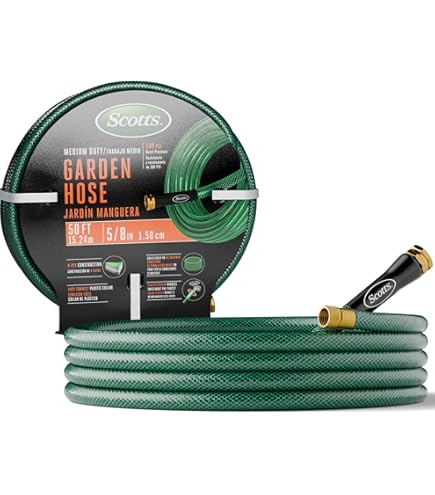
Have you ever wondered why some garden hoses work better than others? The secret often lies in one simple detail: the diameter of the hose.
Knowing the right diameter can save you time, water, and frustration while watering your garden or washing your car. You’ll discover exactly what the diameter of a garden hose means, why it matters for your tasks, and how to choose the perfect size for your needs.
Keep reading to make your watering routine easier and more efficient than ever before!

Credit: shopjoe.com
Common Garden Hose Sizes
Garden hoses come in different diameters. The diameter affects water flow and hose flexibility.
Choosing the right diameter helps water your plants well and saves effort.
Standard Diameter Options
The most common garden hose diameters are 1/2 inch, 5/8 inch, and 3/4 inch.
- 1/2 inch:Thin and light, good for small watering tasks.
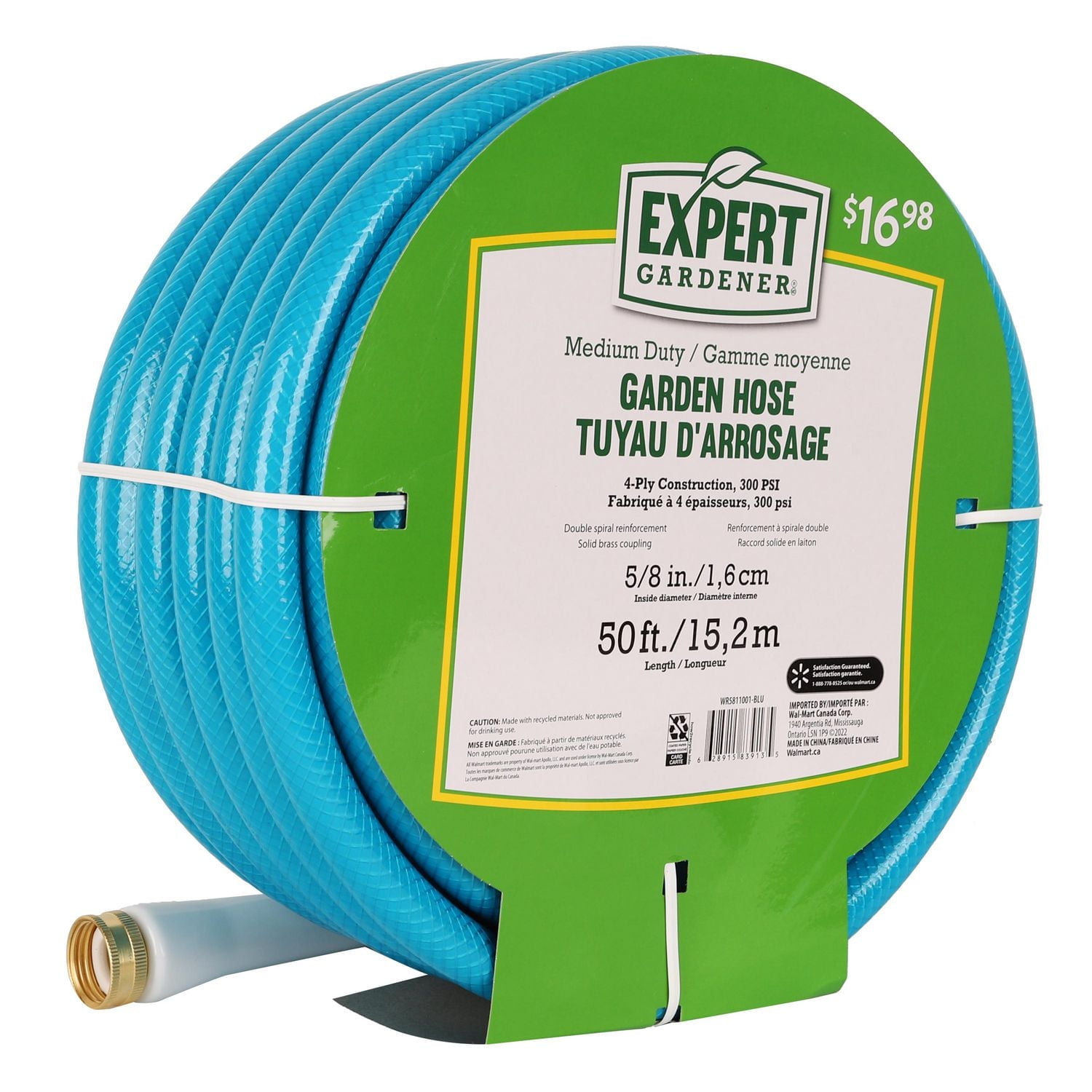
- 5/8 inch:Most popular size, balances water flow and ease of use.
- 3/4 inch:Larger diameter, used for heavy watering and filling pools.
Choosing The Right Size
Pick a hose diameter based on how much water you need and the tasks.
Small hoses are easy to handle but give less water. Big hoses give more water but weigh more.
- Use 1/2 inch hoses for light jobs like watering small plants.
- Use 5/8 inch hoses for general garden use.
- Use 3/4 inch hoses for heavy watering or filling large containers.
Credit: www.walmart.ca
How Hose Diameter Affects Water Flow
The diameter of a garden hose changes how water moves through it. A bigger diameter lets more water flow easily.
Choosing the right hose size helps water reach your plants better. It also saves time and effort.
Impact On Pressure
A smaller hose diameter causes higher pressure because water has less space to move. This can make the hose feel stronger.
Larger diameters lower pressure but allow water to flow more freely. This reduces stress on the hose and faucet.
- Small diameter = higher pressure, less water volume
- Large diameter = lower pressure, more water volume
Influence On Flow Rate
The flow rate means how much water moves through the hose each minute. A larger diameter hose usually has a higher flow rate.
With a bigger hose, you water plants faster or fill containers quicker. Smaller hoses take longer because they carry less water.
- Bigger diameter increases flow rate
- Smaller diameter decreases flow rate
- Choose diameter based on your watering needs
Measuring Garden Hose Diameter
Knowing the diameter of your garden hose helps you choose the right accessories. It also ensures proper water flow for your gardening needs.
Measuring the diameter is simple with the right tools and clear steps. This guide will show you how to do it accurately.
Tools Needed
- Measuring tape or ruler
- Caliper (optional for precise measurement)
- Pen and paper to record measurements
- Clean cloth to wipe the hose
Use a clean section of the hose for a better measurement. The caliper gives the most exact reading but is not required.
Step-by-step Measurement
| Step | Action |
| 1 | Lay the hose flat on a surface. |
| 2 | Use the measuring tape or ruler to measure across the hose opening. |
| 3 | Measure the outer diameter if the hose is thick. |
| 4 | For inner diameter, measure the inside of the hose opening. |
| 5 | Record the measurement in inches or millimeters. |
| 6 | Repeat a few times for accuracy. |
Inner diameter is important for fitting connectors. Outer diameter helps if you need to buy protective sleeves or clamps.
Matching Hose Diameter To Your Needs
Choosing the right garden hose diameter is important. It affects water flow and pressure. The diameter you need depends on your garden size and use.
Let’s explore which hose diameter is best for small gardens, large gardens, and commercial use. Understanding these differences can help you make an informed decision.
For Small Gardens
Small gardens need a hose with a smaller diameter. A 1/2 inch hose is often enough. It provides adequate water flow without being too heavy.
This size is easy to handle and store. It works well for watering plants and small lawns.
- Lightweight and easy to move
- Good for short distances
- Suitable for low water pressure
For Large Gardens
Large gardens benefit from a larger diameter hose. A 5/8 inch hose is a good choice. It delivers more water, helping to cover more ground.
This size is ideal for long distances and larger areas. It is also suitable for use with sprinklers.
- Better water flow over long distances
- Can handle higher pressure
- Works with most watering devices
For Commercial Use
Commercial use requires a hose with a 3/4 inch diameter. This size supports high water flow and pressure. It is suitable for large-scale watering needs.
This diameter is often used in farms and nurseries. It ensures efficient water delivery across vast areas.
- Handles high water volumes
- Durable for frequent use
- Best for professional settings
Material And Diameter Relationship
The diameter of a garden hose affects water flow and pressure. The material of the hose also plays a key role in its size and performance.
Different materials require different wall thicknesses, which changes the hose’s overall diameter. Understanding this helps pick the right hose for your garden.
Common Hose Materials
Garden hoses come in various materials. Each material has strengths and affects the hose diameter differently.
- Rubber:Flexible and strong, rubber hoses often have thicker walls.
- Vinyl:Lightweight and cheaper, vinyl hoses tend to have thinner walls.
- Reinforced Latex:Combines flexibility with strength, usually medium thickness.
- Polyurethane:Durable and lightweight, with moderate wall thickness.
Durability And Size
Durability depends on the material and wall thickness. Thicker walls increase hose diameter but improve strength.
| Material | Wall Thickness | Typical Diameter | Durability |
|---|---|---|---|
| Rubber | Thick | 1/2″ to 3/4″ | High |
| Vinyl | Thin | 1/2″ to 5/8″ | Low to Medium |
| Reinforced Latex | Medium | 5/8″ to 3/4″ | Medium to High |
| Polyurethane | Medium | 1/2″ to 5/8″ | High |
Credit: www.angi.com
Tips For Maintaining Proper Hose Diameter
The diameter of a garden hose affects water flow and pressure. Keeping the hose diameter intact helps your watering tasks run smoothly.
Simple care can prevent damage that narrows the hose diameter. This guide offers helpful tips to keep your hose working well.
Avoiding Kinks
Kinks block water flow and can shrink the hose diameter. Avoid bending the hose sharply or twisting it during use.
- Unroll the hose completely before watering
- Use hose guides around sharp corners
- Do not drag the hose over rough surfaces
- Replace damaged sections promptly
Storage Recommendations
Proper storage protects the hose diameter from damage. Store the hose in a cool, dry place to avoid cracks and shrinking.
| Storage Tip | Why It Helps |
| Coil the hose loosely | Prevents sharp bends and kinks |
| Use a hose reel | Keeps hose organized and off the ground |
| Avoid direct sunlight | Prevents material from drying and shrinking |
| Drain water before storing | Stops freezing and internal damage |
Upgrading Or Replacing Your Garden Hose
Choosing the right garden hose diameter is important for watering plants efficiently. A hose with the correct size saves water and time.
Upgrading or replacing your garden hose can improve water flow and make gardening easier. Knowing the right diameter helps you pick the best hose.
When To Upgrade
Upgrade your garden hose if water pressure is low or the hose leaks. Old hoses can crack or get clogged, reducing water flow.
Choose a new hose if your current one is too short or too thin for your needs. A proper hose size makes watering faster and easier.
- Water pressure feels weak
- Hose has cracks or holes
- Hose does not reach your garden
- Water flow is slow
Selecting The Best Diameter
Garden hoses come in different diameters, usually 1/2 inch, 5/8 inch, or 3/4 inch. The diameter affects how much water flows through the hose.
Use a smaller diameter hose for light watering tasks. Larger diameters work better for heavy watering or filling large containers.
- 1/2 inch:Best for small gardens and light watering.
- 5/8 inch:Most common size; good for general use.
- 3/4 inch:Ideal for large gardens and fast watering.
Frequently Asked Questions
What Is The Standard Diameter Of A Garden Hose?
The standard garden hose diameter is typically 5/8 inch. This size balances water flow and ease of use for most gardening tasks.
How Does Hose Diameter Affect Water Pressure?
Larger diameters allow more water flow but may lower pressure. Smaller diameters increase pressure but reduce flow rate.
Which Hose Diameter Is Best For Watering Plants?
A 5/8 inch diameter hose is best for general watering. It provides sufficient flow without wasting water or pressure.
Can I Use A 1/2 Inch Hose For My Garden?
Yes, a 1/2 inch hose works for small gardens. It delivers good pressure but less water flow than larger hoses.
Conclusion
Choosing the right garden hose diameter matters for watering needs. A smaller diameter uses less water but lowers pressure. Larger diameters deliver more water quickly but need more effort. Know your plants and outdoor tasks to pick well. A good hose size saves time and water.
Keep this in mind when buying your next hose. Simple choices lead to better gardening results.