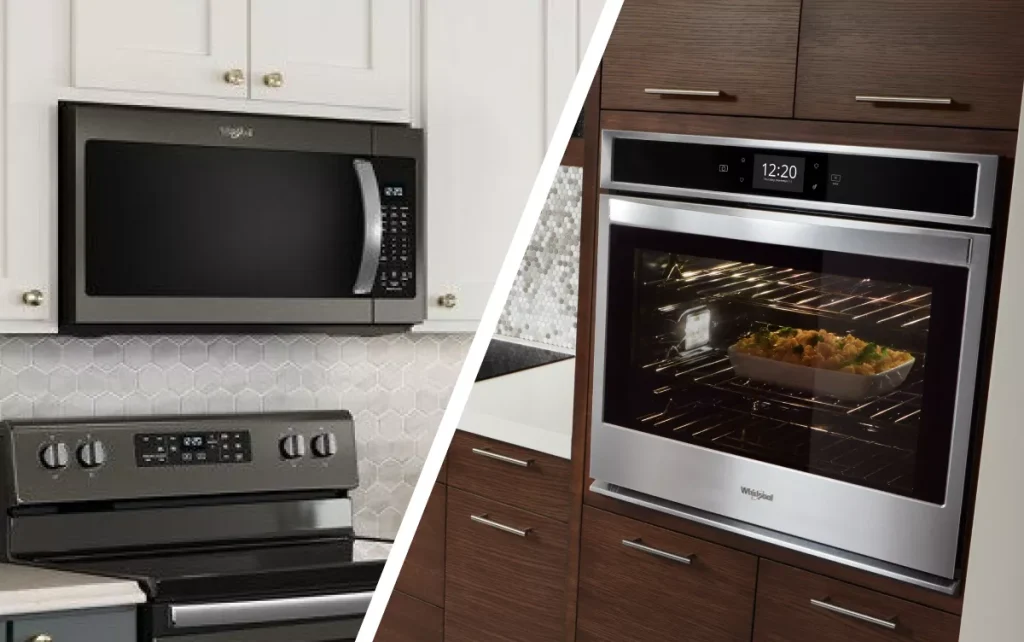
Have you ever wondered if there’s a real difference between a microwave and a microwave oven? You might think they are the same, but understanding the details can change the way you cook and choose appliances for your kitchen.
Knowing this difference can save you time, money, and even improve your meals. Keep reading, and you’ll discover what sets these two apart—and how that knowledge can make your cooking experience easier and more efficient.
Microwave Basics
Microwaves have become essential kitchen appliances. They offer quick and easy cooking. But there’s often confusion between a microwave and a microwave oven. Both use microwave radiation to heat food, yet they serve different purposes. Understanding their differences can help in making informed choices.
How Microwaves Work
Microwaves use electromagnetic waves. These waves vibrate water molecules in food. This vibration creates heat, cooking the food from the inside. The process is fast and efficient. It makes heating leftovers a breeze.
Common Uses Of Microwaves
Microwaves are versatile. They heat pre-cooked meals quickly. You can also defrost frozen foods with ease. Reheating beverages is another common use. Some people even use them to cook simple dishes. They are perfect for those short on time.
Credit: www.maytag.com
Microwave Oven Features
Microwave ovens have become a common appliance in many kitchens. They offer quick and easy cooking options. Understanding their features helps in choosing the right model for your needs. These features include design, cooking options, and safety elements. Each plays a key role in the appliance’s performance and user experience.
Components And Design
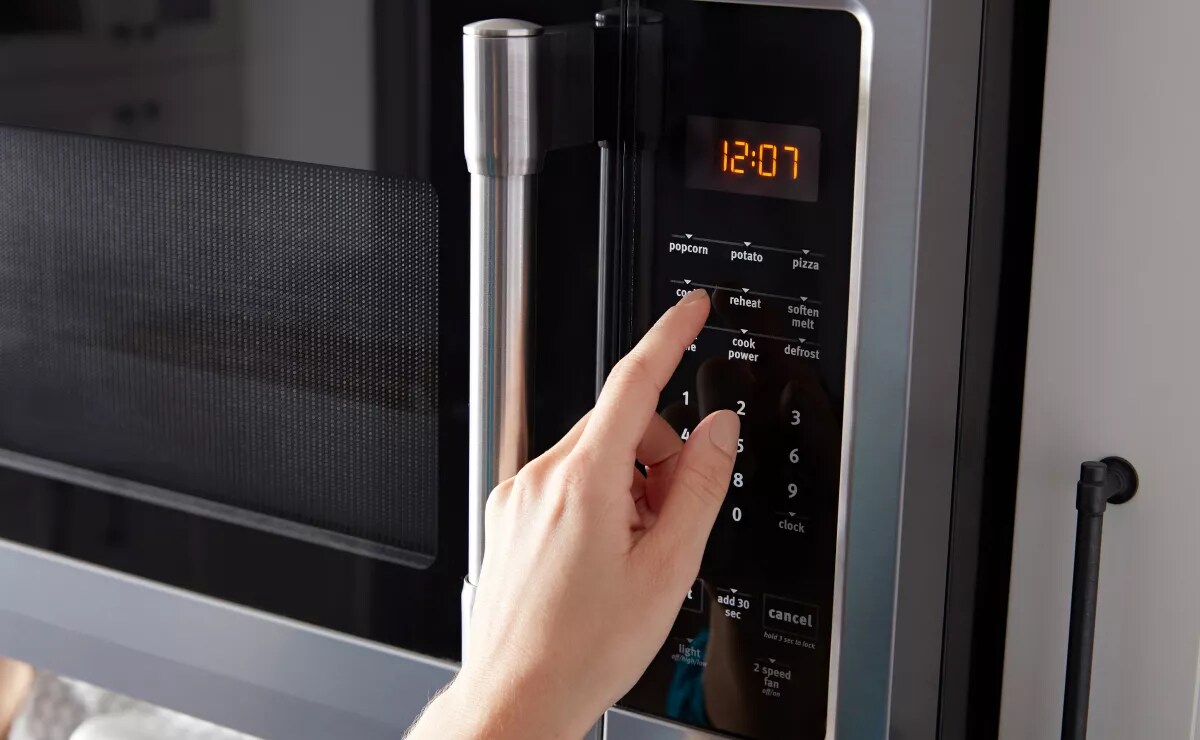
The microwave oven consists of several main parts. A magnetron generates microwaves that heat the food. A waveguide directs these microwaves into the cooking chamber. The cooking chamber is usually made of metal with a glass door. The turntable inside helps cook food evenly. Controls on the front allow users to set time and power levels. The design aims to be compact and easy to use in any kitchen.
Cooking Functions
Microwave ovens offer multiple cooking functions. Basic models provide simple heating and defrosting. Advanced models include preset menus for popcorn, pizza, and vegetables. Some ovens combine microwave power with grilling or convection heating. This feature allows baking and roasting, not just reheating. Power levels can be adjusted for different food types. Timers and sensors help prevent overcooking and improve results.
Safety Mechanisms
Safety is critical in microwave oven design. The door has a locking system that stops operation if opened. This prevents exposure to microwave radiation. The oven also includes thermal fuses to avoid overheating. Some models have child lock features to prevent accidental use. The materials used are heat-resistant and prevent sparks. These safety measures protect users and extend the oven’s lifespan.
Microwave Vs Microwave Oven
Have you ever paused to wonder if there’s a difference between a microwave and a microwave oven? Many people use these terms interchangeably, but subtle distinctions exist. Understanding these differences can help you make better choices in your kitchen and communication.
Terminology Differences
The word “microwave” originally refers to a type of electromagnetic wave with a specific frequency range. It’s the energy used to heat food in various devices.
On the other hand, a “microwave oven” is the actual appliance that uses these microwaves to cook or heat food quickly. So, the microwave is the technology, and the microwave oven is the product using that technology.
Functional Differences
Microwaves as waves can be found in communication devices, radar, and more, not just cooking. The microwave oven harnesses these waves to excite water molecules in food, creating heat from within.
While a microwave oven uses microwaves for heating, it is designed with safety features to contain the waves and control cooking time and power. You can’t hold or touch microwaves themselves, but you interact with the microwave oven every day.
Common Misconceptions
People often say “microwave” when they mean “microwave oven,” leading to confusion. Some think microwaves are ovens like traditional ones, but they cook food differently—by energizing molecules, not by direct heat transfer.
Have you ever noticed how quickly your leftovers reheat? That speed is because of the microwave waves, not because the oven gets hot like a conventional one. Recognizing this difference can change how you approach cooking and safety in your kitchen.
Types Of Microwave Ovens
Microwave ovens come in different types, each designed for specific cooking needs. Understanding these types helps you choose the right one for your kitchen. The main categories include solo, grill, and convection microwave ovens. Each type offers unique features and cooking methods.
Solo Microwave Ovens
Solo microwave ovens are basic models mainly used for reheating and simple cooking tasks. They are affordable and easy to use. These microwaves do not have extra features like grilling or baking. Ideal for small families or office use.
Grill Microwave Ovens
Grill microwave ovens combine microwave cooking with a grilling function. They use a heating element to brown or crisp food surfaces. Perfect for grilling meat, vegetables, or toasting bread. This type offers more cooking options than solo microwaves.
Convection Microwave Ovens
Convection microwave ovens add a fan and heating element for baking and roasting. They cook food evenly and faster than solo or grill types. Suitable for baking cakes, cookies, and roasting meats. These ovens provide versatility similar to traditional ovens.
Energy Efficiency And Performance
Understanding the energy efficiency and performance differences between a microwave and a microwave oven can help you make smarter choices for your kitchen. Both appliances use microwave technology, but their design and features impact how much power they consume and how well they cook your food. Let’s break down these crucial aspects to see how they affect your daily cooking experience.
Power Consumption
Microwaves generally consume less power because they focus solely on heating and reheating food quickly. A basic microwave might use between 600 to 1200 watts, depending on the model and size.
Microwave ovens, especially those with added functions like grilling or convection, tend to use more power. These extra features increase the overall wattage, sometimes going up to 1800 watts or more.
Think about your cooking habits—do you need a device that only heats, or one that can also bake and grill? This choice directly influences your electricity bill and energy usage.
Cooking Efficiency
Microwaves heat food by agitating water molecules, which cooks food quickly but can sometimes result in uneven heating. This is fine for reheating leftovers but less ideal for complex cooking tasks.
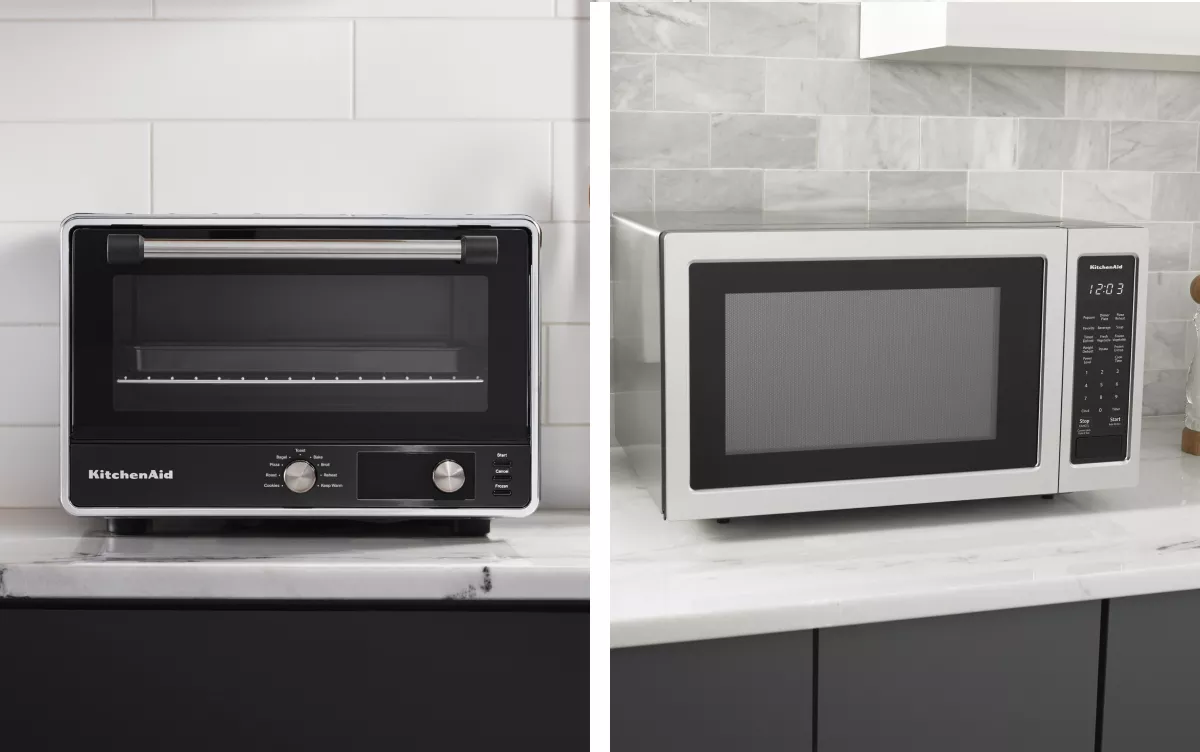
Microwave ovens improve performance by combining microwaves with other cooking methods like convection heat or grilling. This allows for more even cooking and browning, similar to traditional ovens.
If you’ve ever struggled with soggy pizza from a microwave, you know how important this is. A microwave oven can crisp up your food while still cooking it fast.
Credit: www.kitchenaid.com
Choosing The Right Appliance
Choosing the right appliance between a microwave and a microwave oven depends heavily on what you want to achieve in your kitchen. Both serve the purpose of heating food quickly, but their features and capabilities can vary. Understanding your specific needs will help you make a smarter, more satisfying choice.
Usage Needs
Think about how often you cook and what types of meals you prepare. A microwave typically focuses on reheating and simple cooking tasks, making it ideal for quick meals and snacks.
A microwave oven, however, often includes additional settings like grilling and baking, giving you more versatility. If you enjoy experimenting with recipes or need a multi-functional appliance, this could be the better option for you.
Ask yourself: Do you need just quick heating, or do you want an appliance that can replace your conventional oven for some dishes?
Budget Considerations
Your budget plays a big role in the choice. Basic microwaves usually come at a lower price point, making them accessible for most households.
Microwave ovens with advanced features tend to be more expensive, but they can save you money by replacing other kitchen gadgets.
Think about whether you prefer to invest upfront for more features or keep it simple and affordable.
Space And Design Preferences
Where will you place the appliance? Microwaves are often compact and easy to fit in smaller kitchens or tight spaces.
Microwave ovens might be larger due to extra functions, so measure your available counter or cabinet space carefully.
Also, consider the design style that matches your kitchen. You want an appliance that fits your space without crowding it or looking out of place.

Credit: www.kitchenaid.com
Frequently Asked Questions
What Is A Microwave?
A microwave is an electromagnetic wave used to heat food quickly by agitating water molecules. It’s the core technology behind microwave ovens.
How Does A Microwave Oven Work?
A microwave oven uses microwaves to generate heat inside food. It cooks food evenly and faster than traditional ovens.
Are Microwave And Microwave Oven The Same?
No, a microwave refers to the electromagnetic wave, while a microwave oven is the kitchen appliance using those waves to cook.
Can Microwave Ovens Cook All Types Of Food?
Microwave ovens cook most foods efficiently but may not brown or crisp like traditional ovens, limiting some cooking styles.
Conclusion
Microwaves and microwave ovens serve similar purposes but differ in details. A microwave is the technology that heats food using waves. A microwave oven is the appliance that uses this technology to cook or warm food. Knowing this helps choose the right term and understand how your kitchen tool works.
Both make cooking faster and easier. Now, you can talk about them clearly and confidently. Simple, practical knowledge that helps in daily life.