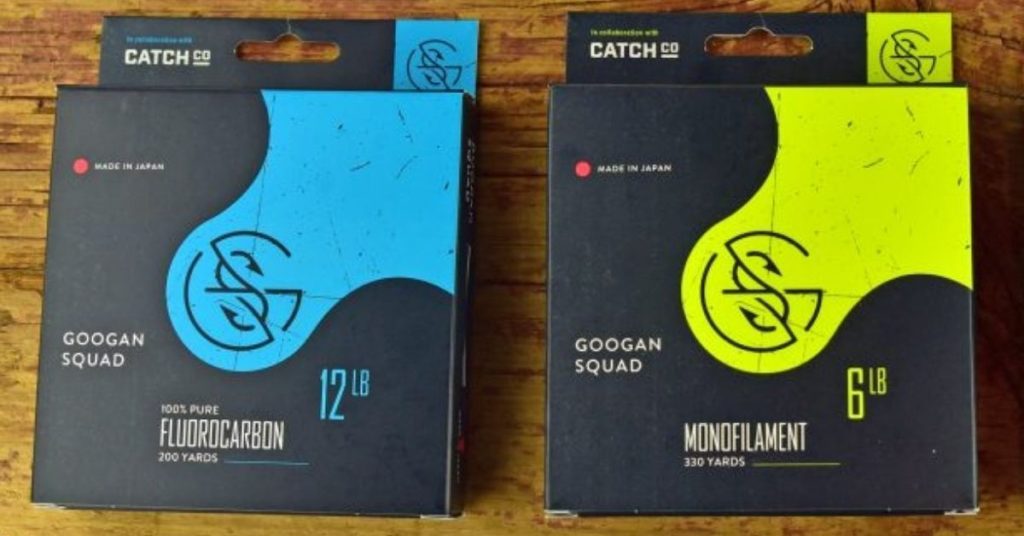
When it comes to choosing fishing line, you’ve probably heard about monofilament and fluorocarbon—but do you really know what sets them apart? Picking the right line can make a huge difference in your fishing success.
Whether you’re aiming for stronger casts, better invisibility underwater, or longer-lasting gear, understanding these two types will help you make smarter choices. Keep reading to discover exactly how monofilament and fluorocarbon fishing lines differ—and which one suits your fishing style best.
Your next big catch could depend on it!

Credit: mysterytacklebox.com
Monofilament Line Features
Monofilament fishing lines are popular among anglers. They are known for their versatility and affordability. Let’s explore some key features of monofilament lines.
Material Composition
Monofilament lines are made from a single strand of nylon. This makes them strong and durable. The nylon is usually extruded into a single, solid line.
The material is flexible and can be made in various diameters. This allows anglers to choose the best line for their fishing needs.
Stretch And Flexibility
Monofilament lines have a high level of stretch. This can help absorb shocks from fish bites and reduce line breakage.
The flexibility of these lines makes them easy to handle. Anglers find them forgiving, especially when casting and retrieving.
Buoyancy And Visibility
Monofilament lines tend to float on water. This is useful when fishing with topwater lures. They can be seen above water, which may alert fish.
- Good for surface fishing
- Visible in clear water
- May need to be colored or camouflaged
Cost And Availability
Monofilament lines are generally affordable. They are widely available at most fishing stores. This makes them a favorite among beginner anglers.
Due to their cost, they are easy to replace. Anglers can change lines frequently without spending much.
Fluorocarbon Line Features
Fluorocarbon fishing line is popular among anglers for its special qualities. It offers benefits that differ from monofilament lines.
This line type is often chosen for its strength and invisibility in water. Understanding its features helps in picking the right line.
Material Composition
Fluorocarbon lines are made from a polymer called polyvinylidene fluoride. This material is dense and smooth.
The density makes the line heavier and less stretchy than monofilament. It also feels harder and slicker to touch.
Abrasion Resistance
Fluorocarbon has high resistance to cuts and scrapes. This makes it good for fishing near rocks or sharp objects.
The tough surface helps the line last longer without breaking. It protects the line from damage while fishing.
Light Refraction And Stealth
Fluorocarbon bends light less than other lines. This makes it nearly invisible underwater.
Fish find it harder to see fluorocarbon lines. This improves the chance of catching cautious fish.
Durability And Sensitivity
Fluorocarbon lines do not stretch much. This gives anglers better control and feel of the fish.
The line also lasts longer against sunlight and water damage. It holds strength well over time.
Strength And Performance
Fishing lines come in many types, but monofilament and fluorocarbon are very popular. They differ in strength and how well they perform in water.
Understanding these differences helps anglers choose the right line for their fishing needs.
Tensile Strength Comparison
Tensile strength shows how much force a line can hold before breaking. Fluorocarbon usually has higher tensile strength than monofilament of the same diameter.
This means fluorocarbon can handle heavier fish or stronger pulls without snapping.
- Fluorocarbon is denser and stronger per thickness
- Monofilament stretches more under pressure
- Fluorocarbon resists abrasion better
Knot Strength
Knot strength is how well a fishing line holds together when tied. Monofilament tends to have better knot strength because it is more flexible.
Fluorocarbon is stiffer, which can make knots slip or weaken if not tied properly.
- Monofilament knots are easier to tie and hold well
- Fluorocarbon needs special knots for best grip
- Proper knotting technique improves strength for both
Casting Distance And Accuracy
Casting distance and accuracy depend on the line’s stiffness and memory. Monofilament is softer and stretches more, which helps in longer casts.
Fluorocarbon is stiffer and heavier, which can reduce casting distance but improve accuracy in some cases.
- Monofilament offers longer and smoother casts
- Fluorocarbon gives better control in short casts
- Weather and reel type also affect casting performance

Credit: mysterytacklebox.com
Best Uses For Monofilament
Monofilament fishing line is popular for its flexibility and ease of use. It works well in many fishing situations.
This type of line stretches under pressure, which helps absorb shocks and prevent line breaks.
Freshwater Fishing
Monofilament is great for freshwater fishing because it floats on water. This makes it easier to use with many lures and baits.
Its stretch helps when fighting fish, giving anglers more control without the line snapping.
Topwater Techniques
Topwater fishing needs a line that floats and is easy to handle. Monofilament fits this well.
- Helps lures stay on the surface
- Soft stretch reduces lure splash
- Easy to tie strong knots
- Good visibility in air for better control
Budget-friendly Options
| Type of Line | Cost | Durability | Visibility |
| Monofilament | Low | Good | High |
| Fluorocarbon | High | Higher | Low |
Monofilament is often cheaper than other lines. It is a good choice for beginners or those who fish often without spending too much.
Best Uses For Fluorocarbon
Fluorocarbon fishing line is popular for its unique features. It is harder to see underwater than monofilament.
This makes it useful in many fishing situations. It works well in clear water and deep water fishing.
Clear Water Fishing
Fluorocarbon is nearly invisible underwater. This helps fish not see the line in clear water.
It helps anglers catch fish that are easily scared by visible lines. The line sinks fast, staying below the lure.
- Reduces line visibility
- Helps present bait naturally
- Prevents fish from detecting the line
Deep Water Techniques
Fluorocarbon sinks faster than monofilament. This is good for deep water fishing techniques.
The sinking line helps keep the bait at the right depth. It also reduces line twist and tangles.
- Faster sinking line for deep fishing
- Better control of bait depth
- Less line twist and tangling
Targeting Line-shy Fish
Some fish are very cautious and avoid visible lines. Fluorocarbon’s low visibility helps catch these fish.
The line’s stiffness also helps with sensitive bites. It transmits subtle movements well to the angler.
- Low visibility reduces fish spooking
- Good sensitivity for bite detection
- Ideal for cautious or line-shy fish
Line Maintenance And Longevity
Fishing lines need proper care to last longer. Monofilament and fluorocarbon lines differ in how you should maintain them.
Knowing their strengths and weaknesses helps keep your line strong and ready for use.
Uv Resistance
Monofilament lines break down faster when exposed to sunlight. UV rays weaken the material over time.
Fluorocarbon lines resist UV damage better. They keep their strength longer under sun exposure.
- Monofilament: Replace after long sun exposure
- Fluorocarbon: Lasts longer in sunlight
- Store lines away from direct light
Wear And Tear
Monofilament stretches more but can wear out quickly at points of contact. It shows nicks and abrasions.
Fluorocarbon is tougher to stretch and resists abrasion better. It stays strong even after rough use.
- Check monofilament for frays and weak spots
- Fluorocarbon resists cuts and scrapes better
- Replace lines showing damage to avoid breaks
Storage Tips
Keep fishing lines in a cool, dark place to prevent damage. Heat and light reduce line life.
Avoid storing lines under heavy objects or in tangled coils. This can cause weak spots and memory problems.
- Store spools in a dry, shaded area
- Use line holders to keep coils neat
- Check and replace old or damaged lines regularly
Choosing The Right Line
Choosing the right fishing line is important for a good fishing experience. Monofilament and fluorocarbon lines have different features. Knowing their differences helps you pick the best one.
This guide explains how to choose between monofilament and fluorocarbon lines. It looks at fishing environment, target species, and equipment compatibility.
Fishing Environment
Monofilament is good for general fishing in clear or murky water. It floats well and stretches under pressure. Fluorocarbon sinks faster and is less visible underwater.
Fluorocarbon works better in clear water or when fish see the line easily. Monofilament is better in weedy or rough water because it is softer and more flexible.
- Monofilament floats and stretches
- Fluorocarbon sinks and is nearly invisible
- Fluorocarbon lasts longer in sunlight
- Monofilament is easier to handle in tough water
Target Species
Fluorocarbon is better for fish that are line-shy or in clear water. It hides well and does not spook fish. Monofilament works well for fish that are less cautious.
If you fish for species that fight hard, monofilament’s stretch helps absorb shocks. Fluorocarbon is strong but has less stretch, which gives more direct control.
- Fluorocarbon is good for clear water and wary fish
- Monofilament suits tough-fighting fish
- Monofilament’s stretch protects against sudden pulls
- Fluorocarbon gives better sensitivity
Equipment Compatibility
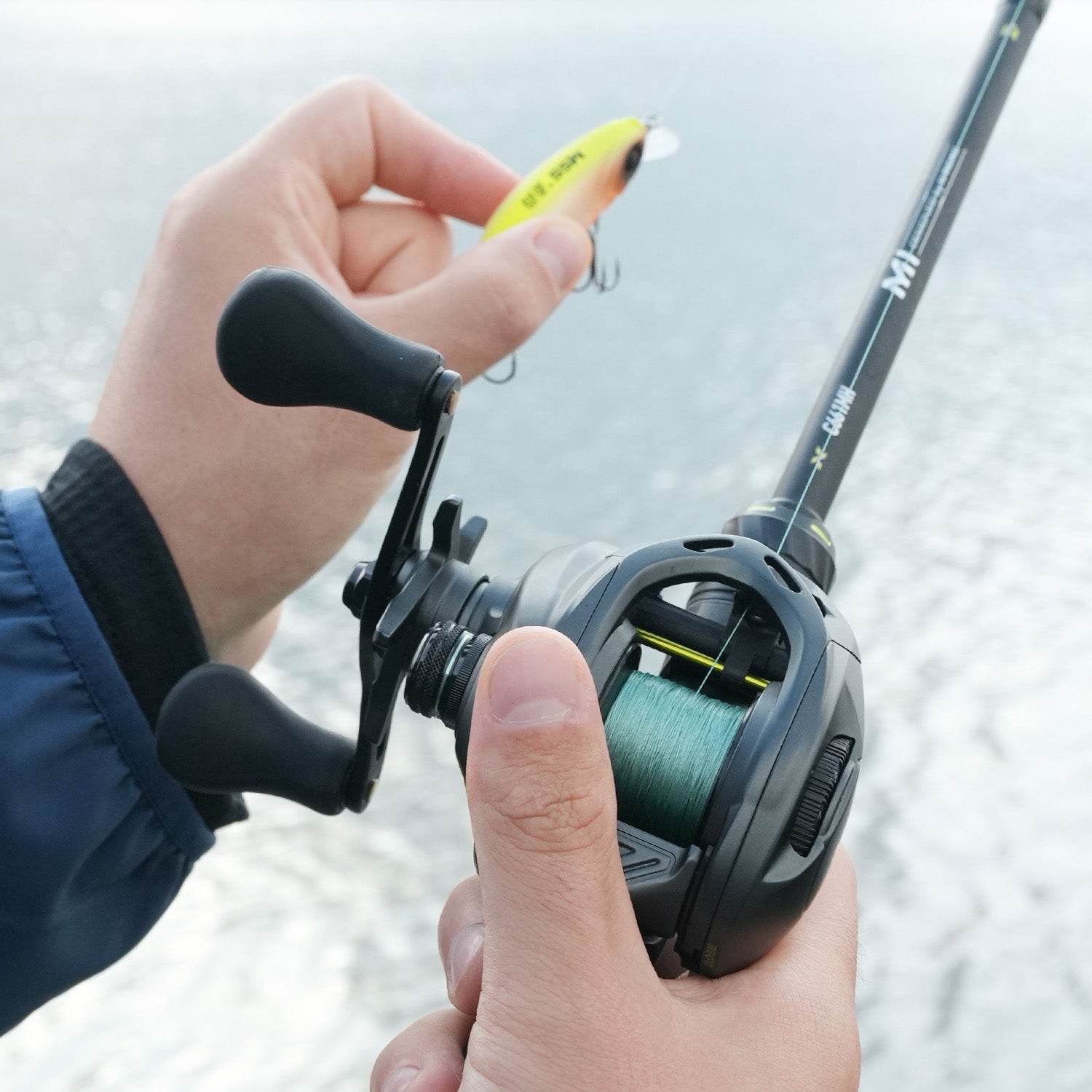
Monofilament works well with most reels and rods. It is easy to knot and handle, making it ideal for beginners. Fluorocarbon can be stiffer and harder to tie.
Fluorocarbon suits baitcasting and spinning reels that need less stretch. Use fluorocarbon leaders with monofilament main lines for better results.
- Monofilament is easy to knot and handle
- Fluorocarbon can be stiff and slippery
- Fluorocarbon works well with sensitive rods
- Use fluorocarbon leaders with monofilament lines
Credit: handingfishing.com
Frequently Asked Questions
What Are The Main Differences Between Monofilament And Fluorocarbon?
Monofilament is more flexible and visible underwater, while fluorocarbon is denser, less visible, and more abrasion-resistant. Fluorocarbon sinks faster, making it better for deep fishing. Monofilament is cheaper and offers more stretch, ideal for beginners.
Which Fishing Line Is Better For Clear Water?
Fluorocarbon is better for clear water due to its low visibility underwater. It blends well with the water, increasing your chances of catching fish. Monofilament is more visible, which can scare fish away in clear water conditions.
Is Monofilament Or Fluorocarbon More Durable?
Fluorocarbon is generally more durable and abrasion-resistant than monofilament. It withstands rough surfaces and sharp objects better. Monofilament is less durable but offers more elasticity, which helps absorb sudden shocks from fish.
Can I Use Fluorocarbon As A Leader With Monofilament?
Yes, fluorocarbon is commonly used as a leader with monofilament mainline. It provides low visibility near the bait and adds abrasion resistance. This combination improves stealth and durability while maintaining stretch and shock absorption.
Conclusion
Choosing between monofilament and fluorocarbon fishing line depends on your needs. Monofilament is soft, stretchy, and easier to handle. Fluorocarbon is nearly invisible underwater and more resistant to abrasion. Both have strengths for different fishing styles. Think about water clarity, fish type, and casting distance.
Experimenting can help you find what works best. Understanding these lines improves your fishing experience. Simple choices lead to better results on the water. Try both and see which fits your fishing style.