
Have you ever glanced at your air conditioner’s remote and noticed the “Dry” setting, leaving you wondering what it actually does? You’re not alone.
Many homeowners overlook this feature, but understanding it could improve your comfort and even save on energy bills. By exploring the “Dry” setting, you could unlock a new way to enhance your indoor environment, especially during those humid days when your home feels more like a sticky swamp.
Curious to learn how this mysterious setting works and how it can benefit you? Keep reading to discover the secrets behind the “Dry” mode and how it can transform your air conditioning experience.
Dry Mode Basics
Dry mode is a setting on many air conditioners. It helps remove moisture from the air.
This mode is useful on humid days when the air feels sticky. It makes the room more comfortable.
How Dry Mode Works
Dry mode lowers the humidity in a room without cooling it much. The air conditioner runs its fan and compressor in a special way.
The unit pulls moist air inside and cools it slightly. This causes water to form on the coils and drain out.
- The fan runs slower than in cooling mode
- The compressor turns on and off to avoid too much cooling
- This process removes moisture but keeps the temperature steady
Purpose Of Dry Setting
The dry setting helps reduce humidity without making the room cold. It improves comfort on damp days.
Using dry mode can prevent mold and mildew growth by controlling moisture. It also saves energy compared to full cooling mode.
- Reduces moisture in the air
- Keeps room temperature stable
- Prevents mold and mildew
- Uses less energy than cooling mode

Credit: www.youtube.com
Dry Mode Vs. Cooling Mode
Many air conditioners come with a dry setting. This mode is different from the cooling mode. Each mode works to make your room comfortable but in different ways.
Understanding the difference helps you use your air conditioner better. It can save energy and keep the air fresh.
Temperature Control Differences
Cooling mode lowers the room temperature to your set level. It uses the compressor and fan to cool the air fast. Dry mode removes moisture from the air without much temperature change. It keeps the room slightly cooler but mainly focuses on humidity.
- Cooling Mode:Lowers temperature quickly
- Dry Mode:Removes humidity, slight temperature drop
- Cooling Mode:Runs compressor and fan continuously
- Dry Mode:Runs compressor and fan intermittently
Energy Consumption Comparison
Dry mode uses less energy than cooling mode. It runs the compressor less often and uses the fan at a lower speed. Cooling mode consumes more power because it cools the air rapidly and keeps the set temperature.
| Mode | Energy Use | Purpose |
|---|---|---|
| Cooling Mode | High | Lower room temperature quickly |
| Dry Mode | Low | Remove humidity, slight cooling |
When To Use Dry Mode
The dry setting on your air conditioner helps reduce indoor humidity. It removes moisture from the air without cooling much.
Use dry mode when the air feels damp but not too hot. It makes the room more comfortable by lowering humidity.
Best Weather Conditions
Dry mode works best in warm, humid weather. It is useful during rainy or muggy days when moisture is high.
This mode is not ideal for cold or very dry weather. Using dry mode in such weather can make the air feel colder or too dry.
Benefits For Humidity Control
Dry mode helps control humidity without much cooling. It keeps the air fresh and prevents mold growth.
- Reduces stickiness and damp feeling in rooms
- Protects furniture and walls from moisture damage
- Uses less energy than cooling mode
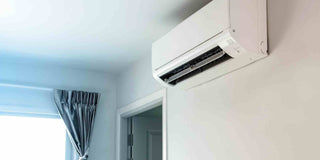
Credit: megafurniture.sg
Limitations Of Dry Mode
The dry setting on your air conditioner helps reduce humidity in the room. It works by removing moisture without cooling the air too much.
While dry mode is useful in some situations, it has limits. It may not be the best choice for all weather conditions or comfort needs.
Not Ideal For Extreme Heat
Dry mode does not cool the air like the normal cool mode. If the outdoor temperature is very high, it may not make the room comfortable.
- Dry mode mainly reduces humidity, not temperature.
- It cannot replace full cooling on very hot days.
- Using dry mode alone may leave the room feeling warm.
- It works better in mild weather or humid conditions.
Effect On Room Temperature
Using dry mode can slightly lower the room temperature, but this effect is limited. The focus is on moisture removal, not cooling.
| Feature | Dry Mode | Cool Mode |
| Humidity Control | Strong | Moderate |
| Temperature Cooling | Weak | Strong |
| Energy Use | Lower | Higher |
| Best Use | Humid Days | Hot Days |
Tips For Using Dry Mode Efficiently
Dry mode on your air conditioner helps reduce humidity without much cooling. It makes the room more comfortable on humid days.
Using dry mode correctly can save energy and improve air quality. Follow these tips for best results.
Optimal Settings
Set the air conditioner to dry mode during humid but not too hot days. It removes moisture while keeping the temperature stable.
- Keep the fan speed low to moderate for better moisture removal.
- Close windows and doors to prevent outside humidity from entering.
- Avoid setting the temperature too low to save energy.
- Use dry mode for short periods to avoid over-drying the air.
Maintenance Practices
Regular maintenance helps your air conditioner work well in dry mode. Clean filters and check parts often.
| Maintenance Task | Frequency | Benefit |
| Clean or replace air filters | Every 1-2 months | Improves airflow and moisture removal |
| Check drain pipe | Every 3 months | Prevents water blockage and leaks |
| Inspect fan and coils | Every 6 months | Maintains efficient operation |
| Professional service | Once a year | Ensures overall system health |
Common Myths About Dry Mode
Many people misunderstand what the dry mode on an air conditioner does. It is not just a cooler but works differently from the regular cooling mode.
This article clears up two common myths about dry mode and explains how it really works.
Dry Mode Cools The Room Faster
Some believe dry mode cools the room quicker than the cooling mode. Dry mode mainly removes humidity from the air. It does not lower the temperature fast.
- Dry mode reduces moisture but cools slowly.
- Cooling mode lowers temperature faster.
- Dry mode helps the air feel cooler by removing dampness.
Dry Mode Saves More Energy Always
Many think dry mode uses less energy all the time. It can save energy in some cases but not always.
| Mode | Energy Use | When It Saves Energy |
| Dry Mode | Lower | High humidity days |
| Cooling Mode | Higher | Very hot days |
| Fan Mode | Lowest | When no cooling or drying needed |

Credit: www.reddit.com
Frequently Asked Questions
What Does The Dry Setting On An Air Conditioner Do?
The dry setting removes excess humidity from the air without much cooling. It helps create a comfortable, less sticky indoor environment. This mode is ideal for humid days when you want to reduce moisture but not lower the temperature drastically.
When Should I Use The Dry Mode On My Ac?
Use dry mode during humid weather when the air feels damp but not hot. It efficiently controls moisture levels, preventing mold and mildew growth while saving energy compared to full cooling. It’s perfect for moderate temperatures with high humidity.
Does The Dry Setting Cool The Room Effectively?
Dry mode cools the room slightly but mainly focuses on dehumidification. It reduces moisture, making the room feel cooler and more comfortable. However, it won’t lower the temperature as much as the standard cooling mode.
How Does Dry Mode Save Energy On My Air Conditioner?
Dry mode runs the compressor and fan at lower speeds, using less electricity. It removes moisture efficiently without heavy cooling, reducing energy consumption. This makes it an energy-friendly option during humid but not very hot days.
Conclusion
The dry setting helps remove extra moisture from the air. It makes the room feel cooler without heavy cooling. This mode saves energy and keeps you comfortable. Use it on humid days to reduce dampness. Knowing how to use this setting improves your AC experience.
Try it to see the difference in your home’s air. Simple, effective, and easy to use.