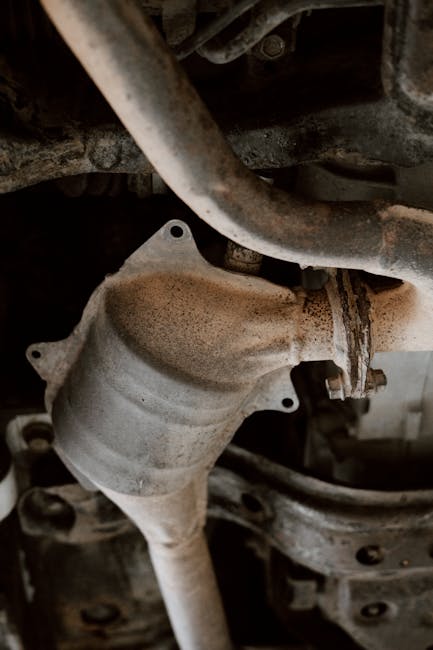
Have you ever wondered what happens to the fumes your car produces while driving? Understanding your car’s exhaust system is key to keeping your vehicle running smoothly and safely.
This system plays a crucial role in controlling harmful emissions and improving your car’s performance. If you want to learn how it works and why it matters for your safety and the environment, keep reading. By the end, you’ll know exactly what’s going on beneath your car and how to take better care of it.

Credit: kauaiautorepair.com
Role Of The Exhaust System
The exhaust system in a car helps remove gases made by the engine. It also lowers harmful pollution and helps the engine run well.
This system is important for keeping the car safe and clean for the environment. It helps control noise and keeps the engine working smoothly.
Removing Engine Gases
The engine burns fuel to make power. This process creates gases that need to leave the engine quickly.
The exhaust system channels these gases out of the engine through pipes. This stops gases from building up inside the engine.
- Collects gases from the engine cylinders
- Directs gases through the exhaust pipes
- Safely expels gases out of the car
Reducing Emissions
Car engines produce harmful gases like carbon monoxide and nitrogen oxides. These gases can pollute the air and harm health.
The exhaust system uses parts like catalytic converters to change these gases into less harmful ones before they leave the car.
- Converts toxic gases into safer gases
- Helps cars meet pollution rules
- Protects the environment and people
Improving Engine Performance
A good exhaust system helps the engine breathe better. It removes gases fast so the engine can take in fresh air easily.
This helps the engine make more power and use fuel in a better way. It can also reduce noise from the engine.
- Improves airflow for the engine
- Increases power and fuel efficiency
- Reduces engine noise
Key Components
The exhaust system in a car helps remove gases made by the engine. It keeps the car safe and quiet. The system has many parts that work together.
Each part has a special job. They help clean the air and reduce noise. Let’s look at the main parts of the exhaust system.
Exhaust Manifold
The exhaust manifold collects gases from the engine cylinders. It connects the engine to the exhaust pipe. The manifold directs gases out of the engine safely.
Usually, it is made of metal and can get very hot. It helps improve engine performance by moving gases quickly.
Catalytic Converter
The catalytic converter cleans harmful gases before they leave the car. It changes bad gases into less harmful ones. This helps protect the environment.
Inside, it has special materials that cause a chemical reaction. This reaction breaks down dangerous gases like carbon monoxide.
Muffler
The muffler reduces the noise made by the engine’s gases. It uses chambers and tubes to quiet the sound. Without it, cars would be very loud.
The muffler also helps the gases flow smoothly out of the exhaust system.
Tailpipe
The tailpipe is the last part of the exhaust system. It directs the cleaned gases out into the air. It is usually visible at the back of the car.
The tailpipe helps keep the gases away from the car and passengers for safety.
How It Works
The exhaust system in a car moves gases from the engine to the outside air. It helps keep the car safe and clean. This system controls gas flow, reduces pollution, and lowers noise.
Understanding how the exhaust system works helps you know why it is important for your car’s health and the environment.
Gas Flow Path
The exhaust gases start in the engine and move through several parts. The path directs gases safely out of the car. It also helps the engine run well.
- Exhaust manifold collects gases from the engine cylinders.
- The gases travel through the catalytic converter.
- They pass the muffler, which reduces noise.
- Finally, gases exit through the tailpipe into the air.
Emission Control Process
The system lowers harmful gases before they leave the car. This process protects the air we breathe. The catalytic converter plays a key role here.
| Component | Function | Effect |
| Catalytic Converter | Changes harmful gases | Reduces pollution |
| Oxygen Sensors | Monitor gas levels | Help control emissions |
| EGR Valve | Recirculates exhaust gases | Lowers nitrogen oxide |
Noise Reduction Mechanism
The muffler lowers engine noise. It uses chambers and pipes to reduce sound. This keeps driving quiet and comfortable.
The muffler contains:
- Perforated tubes that reflect sound waves
- Sound-absorbing materials inside
- Chambers that cancel noise

Credit: www.whocanfixmycar.com
Common Problems
The exhaust system helps remove harmful gases from the engine. It keeps the car running safely and cleanly. Over time, problems can happen that affect performance.
Knowing common issues helps you fix them early. This saves money and stops bigger damage to your car.
Leaks And Cracks
Leaks and cracks often happen in exhaust pipes or joints. They let gas escape before reaching the muffler. This can make your car louder and less efficient.
Small holes can grow bigger if not fixed. Exhaust leaks also let harmful fumes enter the car cabin, which is dangerous.
Clogged Catalytic Converter
The catalytic converter cleans harmful gases before they leave the car. Sometimes it gets clogged with dirt or broken pieces inside.
A clogged converter lowers engine power and fuel efficiency. Your car may also fail emission tests due to this problem.
Rust And Corrosion
Rust forms when water and salt hit the exhaust system. This weakens metal parts and causes holes or breaks.
Corrosion usually starts under the car where it is wet and dirty. Rust can make the exhaust system noisy and unsafe.
Maintenance Tips
The exhaust system helps remove gases from your car’s engine. It also lowers noise and controls pollution.
Keeping this system in good shape improves your car’s safety and fuel efficiency.
Regular Inspections
Check the exhaust system often to spot problems early. Look under the car for rust, holes, or loose parts. Listen for loud noises or rattling sounds.
- Inspect pipes and muffler for damage
- Check hangers and clamps for tightness
- Look for leaks or cracks in joints
- Make sure the exhaust tip is clear
Signs Of Exhaust Issues
Recognize these signs to avoid bigger problems:
| Symptom | Cause | Effect |
| Loud noise | Hole in muffler | Disturbs driving and others |
| Strong smell | Leak in exhaust | Can be harmful to health |
| Reduced fuel economy | Blockage or damage | Costs more to drive |
| Check engine light | Sensor or system fault | Needs quick attention |
When To Replace Parts
Replace parts if you see these issues:
- Rust eating through pipes or muffler
- Cracks or holes causing leaks
- Broken hangers or clamps
- Failed sensors or catalytic converter
- Persistent bad smells or smoke

Credit: autorepairsandrecovery.co.uk
Impact On Fuel Efficiency
The exhaust system plays a key role in a car’s fuel efficiency. It helps remove gases from the engine quickly and safely. A well-working exhaust system improves engine performance and saves fuel.
Fuel efficiency depends on how well the exhaust system manages gas flow. Blockages or damage can cause the engine to work harder. This leads to more fuel use and less mileage.
Optimizing Exhaust Flow
Smooth exhaust flow lets the engine breathe better. This helps it burn fuel more completely. The design and condition of the exhaust system affect this flow.
- Use high-quality exhaust pipes and mufflers.
- Keep the exhaust system clean and free from rust.
- Install a performance exhaust for better gas flow.
- Regularly check for leaks or blockages.
Effects Of Damage On Mileage
Damage in the exhaust system can lower fuel efficiency. Broken pipes or clogged catalytic converters cause back pressure. This forces the engine to use more fuel to keep running.
| Damage Type | Effect on Fuel Efficiency |
| Cracked Exhaust Pipe | Increases fuel consumption by 10-15% |
| Clogged Catalytic Converter | Reduces mileage by up to 20% |
| Leaking Muffler | Causes poor engine performance |
| Rust and Corrosion | Blocks flow and wastes fuel |
Frequently Asked Questions
What Is The Main Function Of A Car Exhaust System?
The car exhaust system directs harmful gases away from the engine. It reduces noise and controls emissions to meet environmental standards.
How Does An Exhaust System Improve Car Performance?
A well-maintained exhaust system ensures efficient gas flow. This increases engine power, improves fuel efficiency, and reduces harmful emissions.
What Are The Key Parts Of An Exhaust System?
Main parts include the exhaust manifold, catalytic converter, muffler, and tailpipe. Each part helps reduce noise and pollution.
Why Is The Catalytic Converter Important In Exhaust Systems?
The catalytic converter converts toxic gases into less harmful emissions. It helps reduce air pollution and meets legal emission requirements.
Conclusion
The exhaust system helps your car run safely and quietly. It moves harmful gases away from the engine. This keeps the air clean and protects the environment. Good maintenance of the exhaust system saves fuel and improves performance. Knowing how it works helps you take better care of your car.
A healthy exhaust system means a smoother and safer drive. Keep an eye on it to avoid costly repairs later. Simple checks can make a big difference in your car’s life.