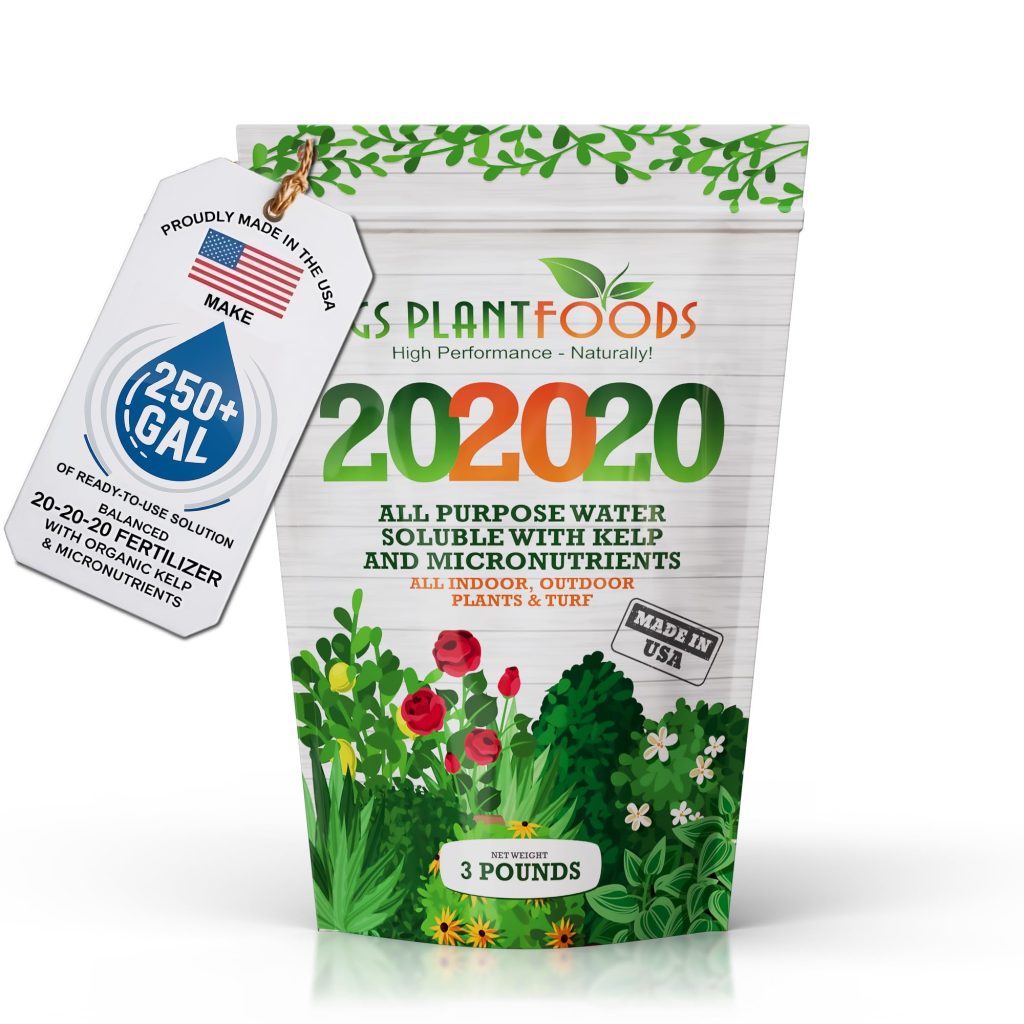
Have you ever wondered what keeps plants vibrant and thriving? Just like you need food to grow and stay healthy, plants have their own unique diet that fuels their growth and beauty.
Understanding what plants eat can unlock the secrets to a lush garden or flourishing indoor greenery. But what exactly is this mysterious plant food, and how can you use it to nurture your green companions? We’ll dive into the essentials of plant nutrition, breaking it down into simple terms.
Discover how the right “food” can make all the difference for your plants, and learn practical tips to provide them with exactly what they need. Get ready to transform your gardening experience and watch your plants flourish!
Credit: tasweeb.medium.com
Key Plant Nutrients
Plants need food to grow healthy and strong. This food comes from nutrients in the soil. Nutrients help plants build leaves, flowers, and roots.
There are two main types of nutrients plants need. These are macronutrients and micronutrients. Both are very important for plant health.
Macronutrients
Macronutrients are nutrients plants need in large amounts. They are the main building blocks for plant growth. Without enough macronutrients, plants grow slowly and weak.
The three primary macronutrients are nitrogen, phosphorus, and potassium. These help plants with leaf growth, root development, and fruit production.
- Nitrogen (N)– Helps plants grow green leaves and stems.
- Phosphorus (P)– Supports root growth and flower development.
- Potassium (K)– Strengthens plants and improves fruit quality.
Micronutrients
Micronutrients are nutrients plants need in small amounts. These nutrients help plants perform important functions inside their cells. Even though plants need less, these nutrients are still very important.
Common micronutrients include iron, manganese, zinc, copper, molybdenum, boron, and chlorine. They help with enzyme function and plant metabolism.
- Iron (Fe)– Needed for making chlorophyll and photosynthesis.
- Manganese (Mn)– Helps with energy use and growth.
- Zinc (Zn)– Supports hormone production and leaf growth.
- Copper (Cu)– Helps with respiration and metabolism.
- Molybdenum (Mo)– Assists in nitrogen use and enzyme activity.
- Boron (B)– Important for cell wall strength and seed growth.
- Chlorine (Cl)– Helps with water balance and photosynthesis.
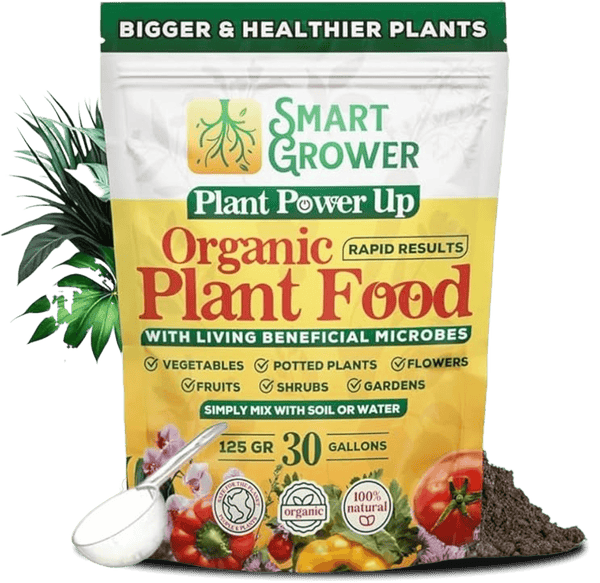
Credit: smartgrower.com
Role Of Nitrogen
Nitrogen is an essential nutrient for plants. It helps plants grow strong and healthy.
Plants get nitrogen mainly from the soil. Nitrogen supports many important plant functions.
Leaf Growth
Nitrogen helps plants make new leaves. Leaves need nitrogen to grow larger and thicker.
With enough nitrogen, plants produce more leaves. This helps the plant absorb more sunlight.
Chlorophyll Production
Nitrogen is a key part of chlorophyll. Chlorophyll makes leaves green and helps with photosynthesis.
Plants with enough nitrogen have more chlorophyll. This means they can make more food using sunlight.
Importance Of Phosphorus
Phosphorus is a vital nutrient for plants. It helps plants grow strong and healthy.
This mineral supports many processes inside the plant. Without enough phosphorus, plants cannot develop well.
Root Development
Phosphorus helps plants build strong roots. Strong roots absorb water and nutrients better.
Good root growth helps plants survive in dry or poor soil. It also supports faster plant growth.
Energy Transfer
Phosphorus is part of molecules that store energy. Plants use this energy to grow and make food.
Energy transfer helps plants perform photosynthesis and develop new cells. This makes the plant healthier.
Function Of Potassium
Potassium is an essential nutrient for plants. It helps plants grow strong and healthy. This mineral plays important roles inside the plant cells.
Potassium supports many processes such as water control and fighting diseases. Without enough potassium, plants may wilt and get sick easily.
Water Regulation
Potassium controls the opening and closing of tiny pores called stomata on leaves. This action helps plants keep the right amount of water. It stops plants from losing too much water on hot days.
- Regulates water flow inside cells
- Helps maintain cell pressure for shape
- Supports stomata to control water loss
- Aids in nutrient and water transport
Disease Resistance
Potassium strengthens the plant’s defense system. It helps plants fight infections and heal damaged tissues. Plants with enough potassium are less likely to get diseases.
| Effect | Benefit |
| Cell wall strength | Stops pathogens from entering |
| Enzyme activation | Boosts disease resistance |
| Stress tolerance | Helps plants recover from damage |
Secondary Nutrients
Plants need many nutrients to grow healthy and strong. Secondary nutrients help plants build cell walls and make energy. These nutrients include calcium, magnesium, and sulfur.
Though needed in smaller amounts than primary nutrients, secondary nutrients are still very important for plant health and development.
Calcium
Calcium helps build strong cell walls and supports root growth. It also helps plants resist diseases. Without enough calcium, plants may have weak stems and damaged leaves.
Magnesium
Magnesium is a key part of chlorophyll, the green pigment that plants use to make food. It helps plants absorb sunlight and turn it into energy. Magnesium also helps activate many plant enzymes.
- Supports photosynthesis
- Improves nutrient uptake
- Strengthens plant metabolism
Sulfur
Sulfur helps plants make proteins and enzymes. It also improves the taste and smell of some crops. Sulfur is important for seed production and plant growth.
| Secondary Nutrient | Main Function | Deficiency Signs |
| Calcium | Builds cell walls, supports roots | Weak stems, leaf tip burn |
| Magnesium | Part of chlorophyll, enzyme activator | Yellow leaves, poor growth |
| Sulfur | Protein and enzyme production | Pale leaves, slow growth |
Trace Elements In Plants
Trace elements are tiny nutrients that plants need to grow well. They help plants make food and stay healthy.
Even in small amounts, these elements are very important for plant life. They support many key processes.
Iron
Iron helps plants make chlorophyll. Chlorophyll lets plants turn sunlight into energy.
Without enough iron, leaves turn yellow. This is called iron chlorosis and slows plant growth.
Manganese
Manganese helps plants with photosynthesis and nutrient absorption. It also protects plants from damage.
Plants that lack manganese may have brown spots on leaves and weak stems.
Zinc
Zinc helps plants make important enzymes. It supports growth and helps plants use water well.
Without enough zinc, plants may have small leaves and poor root growth.
Copper
Copper helps plants make proteins and enzymes. It also helps with photosynthesis and disease resistance.
Plants low in copper may have twisted leaves and die back at the tips.
Boron
Boron helps plants build strong cell walls. It also helps move sugars and nutrients inside the plant.
Boron deficiency causes poor flower and fruit growth, and brittle stems.
Molybdenum
Molybdenum helps plants use nitrogen. It is needed for making proteins and healthy leaves.
Plants lacking molybdenum have yellow leaves and weak growth.
Soil And Nutrient Absorption
Plants get their food mainly from the soil. The soil holds nutrients that plants need to grow. Roots absorb these nutrients along with water.
The ability of plants to take in nutrients depends on the soil’s condition. Two important factors are soil pH and soil type.
Ph Effects
Soil pH shows how acidic or alkaline the soil is. It affects nutrient availability for plants. Nutrients dissolve better at certain pH levels.
- Acidic soil (pH below 6) can limit phosphorus and calcium absorption.
- Neutral soil (pH 6 to 7) helps most nutrients stay available.
- Alkaline soil (pH above 7) can reduce iron, manganese, and zinc uptake.
Soil Types
Different soils hold water and nutrients differently. Soil texture affects how roots grow and absorb food.
| Soil Type | Water Retention | Nutrient Holding |
| Sandy Soil | Low | Low |
| Loamy Soil | Medium | High |
| Clay Soil | High | Medium |

Credit: www.amazon.com
Fertilizers And Supplements
Plants need food to grow strong and healthy. Fertilizers and supplements give plants the nutrients they lack in soil. These help plants bloom, produce fruit, and resist disease.
There are two main types of fertilizers: organic and synthetic. Both provide essential minerals but work in different ways. Understanding these options helps gardeners choose the best care for their plants.
Organic Options
Organic fertilizers come from natural sources. They release nutrients slowly and improve soil health over time. These options are safe for the environment and support beneficial soil life.
- Compost made from decomposed plant material
- Manure from farm animals
- Bone meal rich in phosphorus
- Seaweed extracts full of trace minerals
- Worm castings that boost soil microbes
Synthetic Choices
Synthetic fertilizers are made in factories. They provide nutrients quickly and in exact amounts. These fertilizers can help fix nutrient shortages fast but may harm soil if overused.
| Type | Main Nutrients | Use |
| Nitrogen Fertilizer | N | Boosts leaf growth |
| Phosphorus Fertilizer | P | Supports root and flower development |
| Potassium Fertilizer | K | Improves fruit quality and disease resistance |
Signs Of Nutrient Deficiency
Plants need nutrients to grow strong and healthy. Without enough nutrients, they show clear signs. These signs help gardeners know what the plant lacks.
Two common signs of nutrient deficiency are leaf discoloration and stunted growth. Recognizing these signs early can save your plants.
Leaf Discoloration
Leaves change color when plants lack certain nutrients. The color change depends on which nutrient is missing.
- Yellow leaves often mean a nitrogen deficiency.
- Pale or white leaves can show a lack of magnesium or iron.
- Red or purple leaves might indicate phosphorus shortage.
- Brown edges can signal potassium deficiency.
Stunted Growth
Plants with nutrient shortages grow slower than healthy ones. They stay small and may have fewer leaves or flowers.
| Nutrient | Effect on Growth |
| Nitrogen | Slows leaf and stem growth |
| Phosphorus | Reduces root development |
| Potassium | Weakens plant structure |
| Calcium | Causes poor cell growth |
Frequently Asked Questions
What Do Plants Use As Food?
Plants use glucose, produced by photosynthesis, as their primary food. This sugar fuels growth and energy needs.
How Do Plants Make Their Own Food?
Plants make food through photosynthesis, converting sunlight, water, and carbon dioxide into glucose and oxygen.
Why Is Sunlight Important For Plant Food?
Sunlight provides energy for photosynthesis, enabling plants to produce glucose, their essential food source.
What Role Does Chlorophyll Play In Plant Food?
Chlorophyll absorbs sunlight, which powers photosynthesis, helping plants create glucose for energy and growth.
Conclusion
Plants need food to grow strong and healthy. They get their food from sunlight, water, and soil nutrients. These nutrients include nitrogen, phosphorus, and potassium. Good soil helps plants absorb these nutrients easily. Without proper food, plants cannot live well or produce flowers and fruits.
Taking care of plants means giving them the right food. This helps gardens and farms stay green and full of life. Remember, healthy plants start with the right food. Simple steps can make a big difference in plant growth.