
Have you ever wondered what plants really eat to grow big and strong? Unlike animals, plants don’t sit down to a meal, but they still need food to survive.
Understanding what the food of plants is can change how you care for your garden or indoor plants. You’ll discover the surprising way plants make their own food and why it matters for their health and yours. Keep reading, and you’ll unlock the secret behind plant nutrition that can help your green friends thrive like never before.

Credit: www.healthday.com
Photosynthesis Process
Plants make their own food using sunlight. This process is called photosynthesis. It happens mainly in the leaves of plants.
Photosynthesis changes light energy into chemical energy. This energy is stored as sugar, which plants use to grow and live.
Role Of Chlorophyll
Chlorophyll is a green pigment found in plant cells. It helps plants capture sunlight needed for photosynthesis. Without chlorophyll, plants cannot make food.
- Absorbs light, mostly blue and red colors
- Reflects green light, making leaves look green
- Transfers light energy to start photosynthesis
- Located in chloroplasts inside plant cells
Light And Dark Reactions
Photosynthesis has two main stages: light reactions and dark reactions. Both work together to create sugar for the plant.
| Stage | When It Happens | Main Function | Key Products |
|---|---|---|---|
| Light Reactions | In the presence of light | Capture light energy | Oxygen, ATP, NADPH |
| Dark Reactions | Day or night | Use energy to make sugar | Glucose (sugar) |
Key Nutrients For Plant Growth
Plants need certain nutrients to grow strong and healthy. These nutrients help plants build leaves, flowers, and roots.
Good plant growth depends on minerals, water, and air. Each plays an important role in feeding plants.
Essential Minerals
Plants absorb minerals from the soil to get nutrients. These minerals support growth and development.
Some key minerals are nitrogen, phosphorus, and potassium. They help plants make food and build strong cells.
- Nitrogen helps leaves grow green and healthy.
- Phosphorus supports root and flower development.
- Potassium strengthens the plant and improves water use.
- Calcium and magnesium keep cell walls strong.
- Iron is needed for making chlorophyll.
Role Of Water And Air
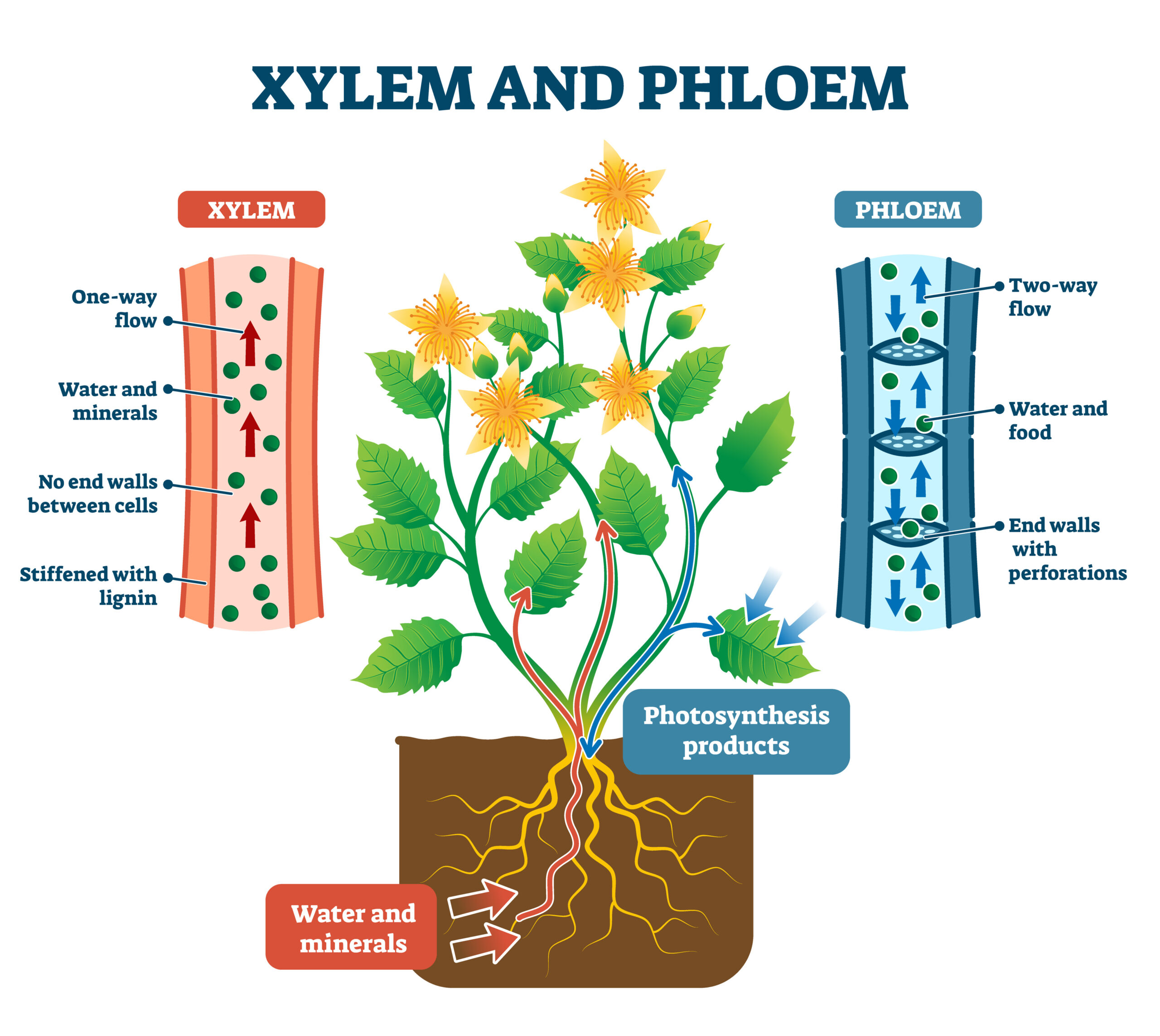
Water is essential for plants. It carries minerals from the soil into the roots.
Air provides carbon dioxide. Plants use it to make food through photosynthesis.
- Water helps transport nutrients inside the plant.
- Carbon dioxide from air is needed for food production.
- Oxygen in air helps roots breathe and grow.
Role Of Sunlight
Plants need sunlight to make their food. Sunlight gives energy to start this process. Without sunlight, plants cannot grow well.
The food of plants is made through photosynthesis. Sunlight helps convert light into usable energy for the plant.
Energy Conversion
Sunlight energy is captured by leaves. Chlorophyll, the green pigment, absorbs this light. The energy changes water and carbon dioxide into glucose and oxygen. Glucose is the food plants use to live and grow.
Impact Of Light Intensity
Light intensity affects how well plants make food. Higher light means more energy for photosynthesis. Too little light slows down food production.
- Low light causes slow growth
- Medium light helps steady food creation
- Bright light boosts energy conversion
- Too much light can damage leaves
| Light Intensity | Effect on Photosynthesis |
| Low | Slow rate |
| Medium | Moderate rate |
| High | Fast rate |
| Very High | Possible leaf damage |

Credit: www.familyhandyman.com
Soil Composition
Soil is the main source of food for plants. It holds nutrients and water plants need to grow.
Soil has many parts like minerals, organic matter, air, and water. These parts work together to feed plants.
Nutrient-rich Soils
Nutrient-rich soils contain many minerals and elements. These nutrients help plants build strong roots and leaves.
Important nutrients in soil include nitrogen, phosphorus, and potassium. Plants use these to grow healthy and produce food.
- Nitrogen helps plants grow leaves.
- Phosphorus supports root growth.
- Potassium improves overall plant health.
- Other nutrients like calcium and magnesium also aid growth.
Importance Of Soil Ph
Soil pH measures how acidic or alkaline soil is. It affects how well plants can absorb nutrients.
Most plants grow best in soil with a pH between 6 and 7. If pH is too low or high, plants may struggle.
- Acidic soil has a pH below 6.
- Neutral soil has a pH around 7.
- Alkaline soil has a pH above 7.
- Adjusting soil pH can improve nutrient uptake.
Fertilizers And Plant Nutrition
Plants need nutrients to grow well and stay healthy. Fertilizers add these nutrients to the soil. They help plants get food in a form they can use.
There are different types of fertilizers. Some come from natural sources. Others are made with chemicals in factories. Each type affects plants and soil in different ways.
Organic Vs. Chemical Fertilizers
Organic fertilizers come from plants or animals. They release nutrients slowly and improve soil health. Chemical fertilizers have nutrients in a quick form. They give fast results but may harm soil over time.
- Organic fertilizers improve soil structure
- Chemical fertilizers provide nutrients quickly
- Organic types add beneficial microbes
- Chemical fertilizers may cause nutrient buildup
- Organic fertilizers are safer for the environment
Nutrient Deficiency Signs
Plants show signs when they lack nutrients. Leaves may turn yellow or brown. Growth can slow down. Identifying these signs helps fix nutrition problems early.
| Nutrient | Deficiency Sign | Effect on Plant |
| Nitrogen | Yellow leaves | Slow growth |
| Phosphorus | Dark green or purple leaves | Weak roots |
| Potassium | Brown leaf edges | Poor fruit quality |
| Iron | Yellow young leaves | Leaf death |
Role Of Carbon Dioxide
Plants use carbon dioxide as a key ingredient to make their food. Carbon dioxide enters leaves through small openings called stomata. It is essential for photosynthesis, the process where plants create energy.
Understanding how plants use carbon dioxide helps us learn about their growth and the Earth’s oxygen supply. Carbon dioxide plays a big role in the life cycle of plants and the planet.
Carbon Fixation Process
Carbon fixation is the first step in photosynthesis. Plants take carbon dioxide from the air and turn it into simple sugars. These sugars serve as food and energy for the plant.
- Carbon dioxide enters the leaf through stomata.
- The enzyme Rubisco captures carbon dioxide molecules.
- Carbon dioxide combines with a five-carbon sugar called RuBP.
- This forms two molecules of a three-carbon acid, 3-PGA.
- 3-PGA is then converted into glucose and other sugars.
Global Carbon Cycle
The global carbon cycle moves carbon dioxide between the air, plants, oceans, and soil. Plants absorb carbon dioxide and store carbon in their bodies. When plants die or are eaten, carbon moves to other parts of the ecosystem.
| Carbon Cycle Part | Role |
| Atmosphere | Contains carbon dioxide gas |
| Plants | Absorb carbon dioxide and store carbon |
| Soil | Stores carbon from dead plants |
| Oceans | Absorb carbon dioxide from air and store it |
Symbiotic Relationships
Plants get food through a process called photosynthesis. They also rely on other living things to stay healthy. Some plants have special partnerships with tiny organisms. These partnerships help plants get nutrients from the soil.
These partnerships are called symbiotic relationships. Both the plant and the partner benefit from this connection. This helps plants grow better and stay strong.
Nitrogen-fixing Bacteria
Nitrogen is important for plants to make food and grow. Some bacteria can change nitrogen in the air into a form plants can use. These bacteria live in small bumps on the roots of certain plants. This is a helpful partnership for both.
The bacteria get food and a safe place to live. The plants get nitrogen to make leaves and stems. This helps plants grow well even in poor soil.
- Bacteria live in root nodules
- They convert nitrogen gas to usable nitrogen
- Plants use nitrogen to build proteins
- Both plant and bacteria benefit
Mycorrhizal Fungi
Mycorrhizal fungi live on or inside plant roots. They help plants get water and minerals from the soil. The fungi have tiny threads that spread out in the soil. This increases the area where plants can absorb nutrients.
The fungi get sugars and food made by the plant. This partnership helps plants grow stronger and resist stress. Many plants depend on mycorrhizal fungi to survive.
- Fungi grow on plant roots
- They collect water and minerals for plants
- Plants provide food to fungi
- Both benefit and grow better
Credit: alabamawildlife.org
Environmental Influences
Plants get their food mainly through photosynthesis. This process depends on the environment around them. Different conditions can change how well plants make food.
Understanding how the environment affects plants helps us grow healthier crops. It also shows how plants adapt to changes outside.
Temperature Effects
Temperature controls many parts of a plant’s life. It affects how fast plants grow and how well they produce food. Too cold or too hot can slow down photosynthesis.
- Low temperatures reduce enzyme activity in plants
- High temperatures can cause water loss and stress
- Moderate temperatures help plants grow best
- Extreme temperatures may damage plant cells
Impact Of Climate Change
Climate change shifts weather patterns and temperatures. This change can harm plant food production. Plants may face drought, heat, or floods more often.
| Climate Change Factor | Effect on Plants |
| Rising Temperatures | Increased stress and reduced growth |
| Irregular Rainfall | Water shortage or excess water damage |
| More CO₂ | Can boost photosynthesis but may lower nutrient quality |
| Extreme Weather | Physical damage and disrupted growth cycles |
Frequently Asked Questions
What Is The Primary Food Source For Plants?
Plants primarily make their own food through photosynthesis. They use sunlight, carbon dioxide, and water to produce glucose, a sugar that provides energy for growth and development.
How Do Plants Produce Their Food Naturally?
Plants produce food by converting sunlight into energy. Chlorophyll in leaves absorbs sunlight, helping convert carbon dioxide and water into glucose and oxygen through photosynthesis.
Why Is Sunlight Essential For Plant Food Production?
Sunlight provides the energy plants need for photosynthesis. Without sunlight, plants cannot convert carbon dioxide and water into glucose, their primary food source.
Can Plants Survive Without Making Their Own Food?
Most plants cannot survive without photosynthesis. Some plants are parasitic and get food from other plants, but the majority depend on self-produced glucose.
Conclusion
Plants make their own food using sunlight, water, and air. This process, called photosynthesis, helps them grow strong and healthy. Leaves play a big role by capturing sunlight. Roots soak up water and minerals from the soil. Without these, plants cannot survive.
Understanding what plants eat helps us care for them better. It also shows how nature works in a simple, beautiful way. Growing plants becomes easier when we know their food needs. Keep this knowledge in mind to support green life around you.