Have you ever wondered why milk feels so refreshing when chilled just right? Or why it sometimes takes longer to freeze than water?
If you’ve found yourself curious about the science behind milk’s chilly transformation, you’re not alone. Understanding the freezing point of milk isn’t just for the science enthusiast—it’s practical knowledge that can elevate your everyday life. Whether you’re a home cook wanting to perfect your ice cream recipe or a curious mind eager to understand more about what you consume, knowing this simple fact can change how you think about milk.
Ready to dive in and discover the fascinating factors that influence milk’s freezing point? Let’s unlock the secrets behind this everyday staple and see how they impact you.
Freezing Point Basics
Understanding the freezing point of milk is important for both consumers and producers. This knowledge helps in quality control and storage. The freezing point tells us the exact temperature at which milk turns solid. It varies slightly due to milk’s unique composition.
Definition Of Freezing Point
The freezing point is the temperature where a liquid becomes solid. For milk, this means the temperature at which it freezes into ice. Pure water freezes at 0°C (32°F). Milk freezes at a slightly lower temperature because of its natural substances.
The freezing point of milk is usually around -0.54°C (31.0°F). This happens because milk contains fats, proteins, and sugars. These components lower the freezing point compared to plain water.
How Milk Freezes
Milk does not freeze all at once. Ice crystals form first in the water part of milk. The fats and proteins slow down the freezing process. This is why milk freezes slower than water.
Freezing milk changes its texture. Ice crystals can break the structure of milk. When thawed, milk might look different or separate. This is normal but affects taste and quality slightly.
Typical Freezing Point Of Milk
Milk freezes at a temperature slightly below water’s freezing point due to its unique composition. Understanding the typical freezing point of milk helps in quality control and detecting adulteration. The freezing point varies but usually stays within a narrow range. This range depends on factors like milk’s fat and solid content. Knowing this range is essential for dairy farmers and milk processors.
Average Temperature Range
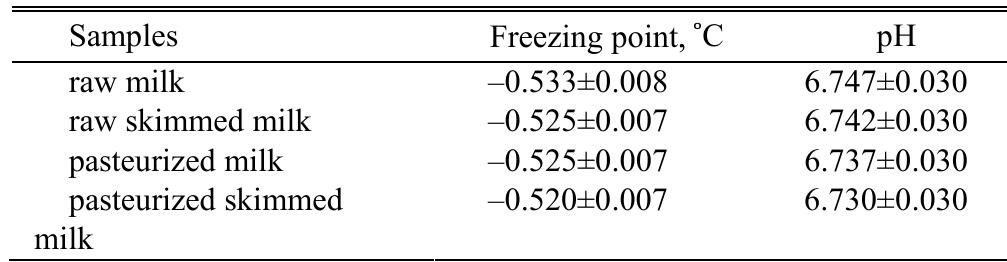
The typical freezing point of milk lies between -0.50°C and -0.55°C (31.1°F to 31.9°F). This range is colder than pure water, which freezes at 0°C (32°F). The presence of dissolved solids like lactose, minerals, and proteins lowers the freezing point. The exact temperature can vary slightly depending on the milk’s source. Usually, cow’s milk falls within this range.
Factors Affecting Freezing Point
- Milk Composition:Higher solids content lowers the freezing point.
- Fat Content:Milk with more fat freezes at a slightly higher temperature.
- Water Addition:Added water raises the freezing point closer to 0°C.
- Season and Feed:Changes in cow diet affect milk composition and freezing point.
- Milk Processing:Pasteurization and homogenization have minor effects on freezing point.
Importance Of Freezing Point In Dairy
The freezing point of milk plays a crucial role in the dairy industry. It helps maintain milk quality and safety. Understanding this point ensures dairy products meet health standards. It also supports farmers and manufacturers in delivering pure milk. Monitoring the freezing point helps spot changes in milk composition. This keeps consumers confident about the products they buy.
Quality Control
Freezing point testing is a key step in quality control. Milk naturally freezes below 0°C due to its dissolved solids. Measuring this point helps detect any dilution with water. It ensures the milk’s consistency and freshness. Dairy plants use freezing point data to check every batch. This helps prevent faulty or unsafe milk from reaching customers.
Detecting Adulteration
Freezing point analysis can reveal milk adulteration. Adding water raises the freezing point closer to 0°C. This simple test quickly shows if milk is pure or diluted. It protects consumers from low-quality or fake milk. Authorities and producers rely on freezing point checks to ensure honesty. This builds trust in the dairy supply chain.
Credit: www.academia.edu
Methods To Measure Freezing Point
Measuring the freezing point of milk is essential for ensuring its quality and detecting any adulteration. Different methods offer varying levels of accuracy and convenience, helping you choose the right approach for your needs. Understanding these techniques can make a big difference in maintaining the integrity of your milk products.
Cryoscope Use
The cryoscope is a specialized device designed to measure the freezing point of milk quickly and accurately. It works by cooling a small milk sample until it freezes, then detecting the temperature at which ice crystals form.
This tool is popular in dairy labs because it provides reliable results in just a few minutes. If you’ve ever wondered how dairy farms ensure milk purity on-site, the cryoscope is often the answer. It helps you catch any added water or impurities that could affect the freezing point and, ultimately, the milk’s quality.
Laboratory Techniques
Laboratory methods for measuring the freezing point involve more detailed procedures, often using precision instruments like differential scanning calorimeters. These techniques provide highly accurate measurements but require more time and expertise.
Some labs use manual methods involving controlled cooling baths and thermometers to observe the exact freezing temperature. While this might sound old-fashioned, it can be very effective when done carefully.
Have you ever considered how small variations in freezing point could indicate larger issues in milk quality? Using lab techniques, you can detect these subtle changes and ensure your milk meets strict standards.
Impact Of Milk Composition
Milk’s freezing point is not fixed. It changes based on what is inside the milk. The mix of different components affects when milk turns to ice. This section explains how milk composition impacts its freezing point.
Fat Content Influence
Fat in milk lowers its freezing point slightly. Fat does not freeze like water. It acts as an insulator, making milk freeze at a lower temperature. Milk with high fat freezes slower than low-fat milk. Creamy milk has a different freezing point than skim milk. Fat reduces the amount of water, affecting freezing.
Effect Of Added Substances
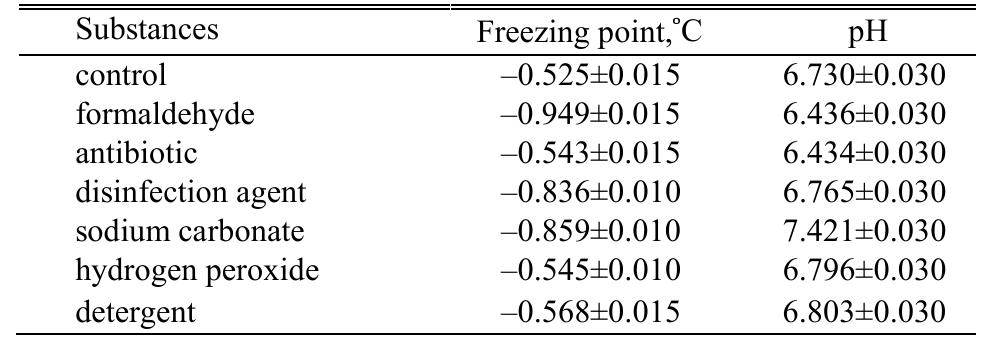
Added substances change milk’s freezing point noticeably. Sugar, salts, and other additives lower the freezing point. These substances dissolve in milk and reduce ice formation. Even small amounts can cause a drop in freezing temperature. Some additives are natural, like lactose, while others are added during processing. These changes help in detecting milk adulteration by checking freezing points.

Credit: www.researchgate.net
Storage And Freezing Tips
Proper storage and freezing of milk preserve its freshness and quality. Milk can spoil quickly if not stored right. Freezing milk extends shelf life but requires care. Follow these tips to keep milk safe and tasty.
Proper Milk Storage
Keep milk in its original container with a tight lid. Store milk in the coldest part of the fridge, not the door. The ideal temperature is between 1°C and 4°C (34°F and 39°F). Avoid leaving milk out at room temperature for long periods.
Use clean containers if transferring milk. Label containers with the date to track freshness. Always close the container after pouring to prevent odors from mixing.
Avoiding Quality Loss
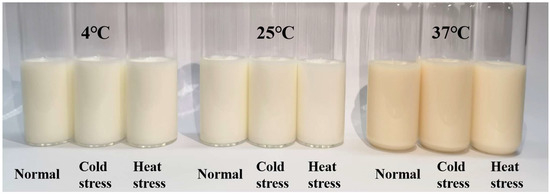
Freeze milk only if it is fresh. Freezing can change the texture slightly but does not affect safety. Thaw frozen milk in the fridge, not on the counter. Shake well before use to mix any separated parts.
Do not refreeze milk after thawing. Use frozen milk within one month for best taste. Avoid storing milk near strong-smelling foods to prevent flavor absorption.
Freezing Point And Milk Products
The freezing point of milk is a key factor in processing various milk products. It affects texture, quality, and shelf life. Understanding this helps producers maintain product safety and flavor. Milk’s natural freezing point is slightly below 0°C, near -0.55°C. This low temperature is due to milk’s dissolved solids, like lactose and minerals.
Freezing milk products requires careful control. The freezing point impacts how products behave during cold storage and thawing. Each milk product reacts differently to freezing due to its composition. Cream, butter, and cheese have unique structures that change when frozen.
Effect On Cream And Butter
Cream and butter contain high fat levels. Freezing can cause fat crystals to grow. This changes the texture and consistency. Cream may separate or become grainy after thawing. Butter can lose its smoothness and become crumbly.
Freezing also affects the water content in these products. Ice crystals may damage the fat network. This leads to reduced spreadability in butter. Proper freezing techniques minimize damage and maintain quality.
Freezing In Cheese Production
Cheese has a complex structure with proteins and fat. Freezing can change its texture and flavor. Some cheeses become crumbly or rubbery after thawing. Moisture loss during freezing also affects cheese quality.
Not all cheeses freeze well. Hard cheeses like cheddar freeze better than soft cheeses. Producers control freezing temperature and time to protect cheese integrity. This helps preserve taste and texture for longer storage.
Credit: www.mdpi.com
Frequently Asked Questions
What Is The Normal Freezing Point Of Milk?
The normal freezing point of milk is around -0. 55°C (31. 1°F). This slight depression helps detect milk adulteration and ensures quality control.
Why Does Milk Freeze Below 0°c?
Milk freezes below 0°C due to dissolved solids like lactose and minerals. These components lower the freezing point compared to pure water.
How Is Milk Freezing Point Used In Quality Testing?
Freezing point testing detects added water in milk. A higher freezing point indicates dilution, helping maintain milk purity and safety.
Can Freezing Affect Milk’s Nutritional Value?
Freezing milk slightly alters texture but preserves nutrients well. It is a safe method to extend shelf life without major nutrient loss.
Conclusion
Milk freezes just below 0°C, usually around -0. 55°C. This small change helps check milk quality and freshness. Knowing milk’s freezing point can prevent spoilage and save money. It also helps farmers and producers maintain good standards. Simple science, yet very useful.
Understanding this fact makes milk handling safer and smarter. Keep this in mind when storing or testing milk. Clear and easy to remember.