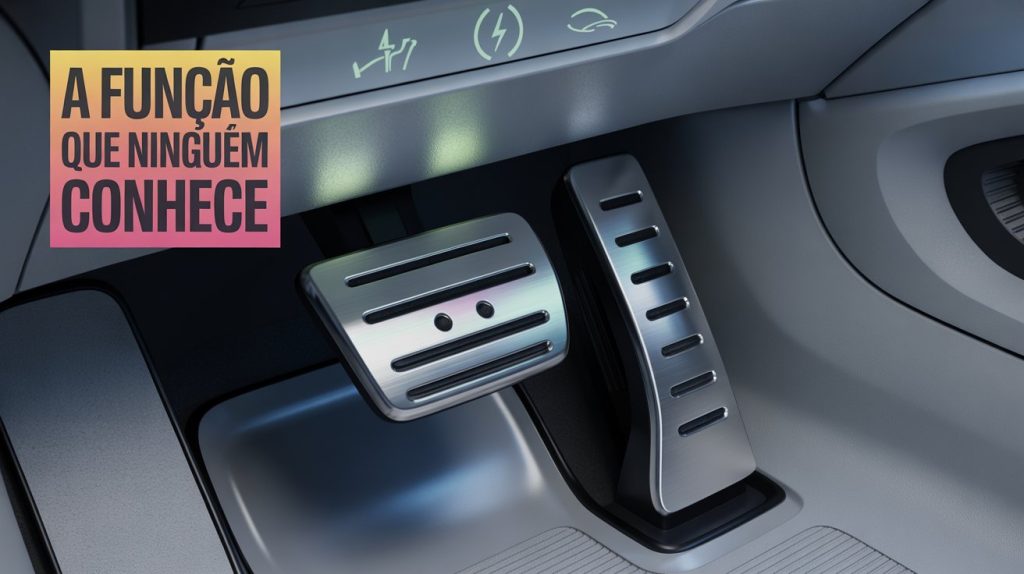
Have you ever wondered what the gas pedal is called in an electric car? You might think it’s the same as in a regular car, but there’s a small twist that makes all the difference.
Understanding this simple part can change how you see driving electric vehicles. Keep reading, and you’ll discover what this pedal really is—and why it matters for your driving experience.
Gas Pedal Terminology
Electric cars use a pedal to control speed, just like regular cars. This pedal is often called the gas pedal.
The name for this pedal changes because electric cars work differently from gasoline cars.
Common Names For The Pedal
In electric cars, people use several names for the pedal that controls speed.
These names show how the pedal works in electric vehicles.
- Accelerator Pedal
- Throttle Pedal
- Power Pedal
- Electric Gas Pedal
- Drive Pedal
Differences From Traditional Cars
The gas pedal in electric cars does not control fuel flow. It controls electric motor speed.
In traditional cars, pressing the gas pedal lets more fuel into the engine.
- Electric pedal controls motor power electronically
- Gas pedal in regular cars controls fuel mechanically
- Electric cars have instant torque when pressing the pedal
- Traditional cars may have delay in acceleration

Credit: www.theglobeandmail.com
Function In Electric Cars
The gas pedal in an electric car is often called the accelerator pedal. It controls how fast the car moves. Unlike traditional cars, electric cars use this pedal to manage electric power.
Pressing the accelerator tells the car to deliver more or less power to the electric motor. This changes the car’s speed smoothly and quickly.
How It Controls Speed
The accelerator pedal works by sending signals to the car’s control system. The control system then adjusts the power sent to the electric motor. This controls how fast the wheels turn.
- Light press means less power and slower speed
- Hard press means more power and faster speed
- Releasing the pedal reduces power and slows the car
Interaction With Electric Motor
The accelerator pedal connects to the electric motor through the car’s control system. It tells the motor how much power to produce. This power moves the car forward or backward.
| Pedal Position | Motor Power Output |
| 0% (not pressed) | No power |
| 25% pressed | Low power |
| 50% pressed | Medium power |
| 75% pressed | High power |
| 100% pressed | Maximum power |
Terminology Variations
Electric cars use a pedal to control speed, but its name can change. Knowing these terms helps you understand electric vehicle discussions better.
This article explains common names for the gas pedal in electric cars. It focuses on the differences between “accelerator” and “throttle” and industry preferences.
Accelerator Vs Throttle
The pedal in electric cars is often called the “accelerator.” This term means the pedal controls how fast the car goes.
Some people say “throttle” instead. Throttle is a word from older engine types. It refers to controlling power, not just speed.
- Accelerator: Focuses on speed control.
- Throttle: Refers to power control.
- Electric cars mostly use “accelerator.”
- Gas cars commonly use “throttle.”
Industry Preferences
Car makers and experts often prefer “accelerator” for electric cars. It matches how these cars work.
Electric cars do not have traditional throttles like gas cars. So, “accelerator” fits better in manuals and guides.
- Manufacturers use “accelerator” in electric car manuals.
- “Throttle” is more common in internal combustion engine cars.
- Electric vehicle communities mostly say “accelerator.”
- Some technical texts may still use “throttle.”

Credit: www.firelineequipment.com
Technological Features
Electric cars use a pedal similar to the gas pedal in traditional cars. It controls how fast the car moves. This pedal is often called the accelerator or throttle pedal.
Electric cars have special technology that makes this pedal work differently than in gas cars. This technology helps improve driving and saves energy.
Regenerative Braking Role
The accelerator pedal in electric cars works with regenerative braking. This system helps slow the car and save energy.
When you lift your foot off the pedal, the car starts to slow down. The electric motor turns into a generator and sends energy back to the battery.
- Saves battery power
- Extends driving range
- Reduces brake wear
Drive-by-wire Systems
Electric cars use drive-by-wire technology for the accelerator pedal. This means the pedal sends electronic signals, not mechanical ones.
The signals tell the car how much power to use. This system helps the car respond faster and more smoothly to your commands.
- Improves control and accuracy
- Reduces mechanical parts
- Allows easy software updates
User Experience
Electric cars do not have a traditional gas pedal. Instead, they use an accelerator pedal to control speed.
The name may differ, but the pedal controls power delivery to the electric motor. Understanding how it works helps drivers adapt easily.
Pedal Sensitivity
The accelerator pedal in electric cars is very sensitive. Small presses can cause big changes in speed.
- The pedal often responds instantly to foot pressure.
- It allows smooth acceleration without delays.
- Drivers must get used to the quick response.
- Some EVs let you adjust pedal sensitivity settings.
Driving Dynamics In Evs
Electric vehicles have unique driving dynamics because of the pedal design and motor control.
| Aspect | Description |
| Acceleration | Instant and smooth with no engine lag |
| Regenerative Braking | Pedal may control slowing down and energy recovery |
| Pedal Feel | Softer than gas pedals for gentle power control |
| Energy Efficiency | Careful pedal use maximizes battery range |

Credit: www.caranddriver.com
Frequently Asked Questions
What Is The Gas Pedal Called In An Electric Car?
In an electric car, the gas pedal is called the accelerator pedal. It controls the electric motor’s power output, regulating speed. Unlike traditional cars, it sends electronic signals rather than fuel flow.
How Does The Accelerator Pedal Work In Electric Cars?
The accelerator pedal in electric cars sends electronic signals to the motor controller. This adjusts the motor’s torque and speed instantly. It provides smooth, responsive acceleration without using fuel like gas pedals in combustion engines.
Is The Electric Car Pedal Different From A Gas Car Pedal?
Yes, the electric car pedal, or accelerator, sends signals to the electric motor. Gas car pedals control fuel flow to the engine. Electric pedals offer quicker response and smoother acceleration due to electronic control.
Why Do Electric Cars Use An Accelerator Instead Of A Gas Pedal?
Electric cars use an accelerator because they don’t use gasoline. The accelerator controls electricity flow to the motor. This system is more efficient and allows regenerative braking, unlike traditional gas pedals.
Conclusion
Understanding the gas pedal in an electric car is essential. It’s often called the “accelerator pedal. ” This pedal controls speed, just like in gasoline cars. Electric cars use electricity, not gas, to power movement. Easy to adapt and simple to use.
Familiarity with the term can ease your transition to electric vehicles. It’s about comfort and knowledge. Electric cars offer a modern, eco-friendly driving experience. Knowing these basics helps you feel confident. Ready to embrace the change? Electric cars are the future.
Start exploring today!