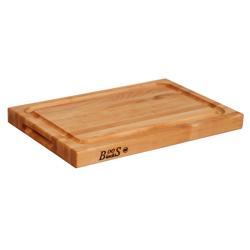
Choosing the right cutting board might seem simple, but it can have a big impact on your health and kitchen safety. You want a cutting board that keeps your food clean, lasts long, and doesn’t hide harmful bacteria.
But with so many options out there, how do you know which one is the healthiest choice for you and your family? Keep reading to discover the best cutting board that protects your meals and makes your cooking easier. Your kitchen deserves nothing less.
Materials And Safety
Choosing the healthiest cutting board matters for food safety. Different materials affect cleanliness and durability.
Some cutting boards can harbor bacteria if not cleaned well. Understanding materials helps pick safer options.
Wood Vs Plastic
Wood cutting boards are gentle on knives and can resist deep cuts. They absorb moisture and may dry slowly.
Plastic boards are easy to clean and dishwasher safe. But they can get scratched easily, creating germs traps.
- Wood boards need oiling to prevent cracking.
- Plastic boards should be replaced when scratched.
- Both require regular cleaning to avoid bacteria.
Bamboo Benefits
Bamboo is a hard, natural material that resists moisture better than wood. It is eco-friendly and long-lasting.
Bamboo boards do not absorb water easily. They also have natural antibacterial properties, making them safer.
| Feature | Benefit |
| Hard Surface | Resists knife marks |
| Low Absorption | Less bacteria growth |
| Eco-Friendly | Renewable resource |
| Lightweight | Easy to handle |
Glass And Metal Risks
Glass boards look clean but are hard on knives. They cause blades to dull quickly and can break if dropped.
Metal boards are very durable but can damage knives and get scratched. Scratches can trap bacteria.
Risks of Glass and Metal Cutting Boards:
- Damage to knife edges
- Potential for cracks and chips
- Scratches that hold germs
- Can be slippery during use
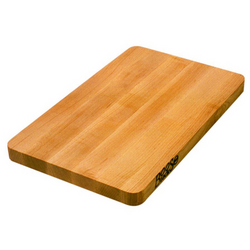
Credit: www.surlatable.com
Antibacterial Properties
Choosing the healthiest cutting board means looking at its antibacterial properties. These properties help keep your food safe from harmful germs. Some cutting boards naturally fight bacteria better than others.
Understanding how materials resist bacteria can guide you to a healthier kitchen. Both natural surfaces and chemical treatments affect bacteria growth on cutting boards.
Natural Antimicrobial Surfaces
Some woods have natural antimicrobial properties. For example, bamboo and maple slow down bacterial growth. These woods contain natural oils that fight germs.
Wood cutting boards can be safer than plastic if cleaned properly. The wood absorbs moisture and traps bacteria, then kills them as it dries.
- Bamboo is hard and resists bacteria well.
- Maple has tight grain that prevents bacteria buildup.
- Wood boards need regular oiling to stay healthy.
Chemical Treatments And Coatings
Some cutting boards have chemical coatings to stop bacteria. These treatments create a surface that bacteria cannot easily grow on.
Common coatings include food-safe sealants and antimicrobial chemicals. These can help plastic and wooden boards stay cleaner longer.
- Food-safe sealants protect wood from moisture.
- Antimicrobial coatings reduce bacteria on plastic boards.
- Choose treatments that are safe for food contact.
Maintenance And Hygiene
Keeping your cutting board clean is key for safe food preparation. Proper care stops germs and keeps your board lasting longer.
This guide covers cleaning techniques, avoiding cross-contamination, and when to replace old boards.
Cleaning Techniques
Wash cutting boards with hot, soapy water after each use. Scrub all surfaces well to remove food particles.
- Rinse with clean water after washing.
- Dry the board completely before storing.
- Disinfect by wiping with vinegar or diluted bleach.
- Use coarse salt and lemon for deep cleaning wooden boards.
Avoiding Cross-contamination
Use separate cutting boards for raw meat, vegetables, and cooked foods. This stops bacteria from spreading.
| Food Type | Recommended Board Color |
| Raw Meat | Red |
| Vegetables and Fruits | Green |
| Cooked Food | White |
| Fish and Seafood | Blue |
Replacing Old Boards
Check your cutting board for deep cuts or cracks. These areas trap bacteria and are hard to clean.
- Inspect boards regularly for damage.
- Replace boards with many grooves or stains.
- Choose new boards made from safe, durable materials.
Credit: vocal.media
Durability And Longevity
Choosing the healthiest cutting board means thinking about how long it lasts. A durable board saves money and stays safe for food.
Strong materials resist damage and keep the board smooth. This stops bacteria from hiding in cuts and scratches.
Scratch Resistance
Scratch resistance helps keep the board clean and safe. Deep scratches can trap germs and make cleaning hard.
Materials like hardwood and high-quality plastic resist scratches well. Softer boards get damaged faster.
- Hardwoods like maple and walnut have tight grain for less scratching
- Plastic boards with dense structure resist knife marks
- Boards with low scratch resistance need more cleaning care
Warping And Cracking
Warping and cracking damage the board and make it unsafe. Water and heat cause wood to warp or crack over time.
Boards that stay flat and strong last longer. Proper care like drying and oiling helps prevent damage.
- Wood boards need regular oiling to stop drying and cracking
- Plastic boards resist water but can crack if thin or low quality
- Composite boards often resist warping better than natural wood
Environmental Impact
Choosing the healthiest cutting board means thinking about the environment. The materials used and how the board is disposed of affect our planet.
We will look at how cutting boards impact nature through their materials and disposal methods.
Sustainability Of Materials
Cutting boards made from sustainable materials help reduce harm to the environment. Wood from well-managed forests is a good choice.
Bamboo is fast-growing and uses less water. It is a renewable option for cutting boards. Plastic boards, made from non-renewable oil, have a bigger impact.
- Wood from certified forests supports forest health
- Bamboo grows quickly and renews naturally
- Plastic boards use fossil fuels and last longer but pollute
- Glass and metal require high energy to produce
Recycling And Disposal
How you throw away or recycle cutting boards affects the environment. Wood and bamboo boards can break down naturally.
Plastic boards often end up in landfills because they are hard to recycle. Some places accept plastic for recycling, but this is rare.
- Wood and bamboo boards can be composted or burned safely
- Plastic boards may take hundreds of years to decompose
- Recycling options depend on local facilities
- Proper disposal reduces waste and pollution
Expert Buying Tips
Choosing the healthiest cutting board helps keep your food safe. It also makes cooking easier and cleaner.
Look for cutting boards with the right size, good grip, and fair price. These tips will guide your choice.
Size And Thickness
Pick a cutting board size that fits your kitchen space and needs. Bigger boards give more room to cut.
Thicker boards last longer and resist warping. Thin boards may bend or crack easily.
- Choose a size that fits your counter space
- Thicker boards are more durable
- Small boards are easy to store but limit cutting space
Non-slip Features
A cutting board with non-slip features stays steady while you cut. This reduces accidents in the kitchen.
Look for rubber feet or textured bottoms that keep the board from sliding on your counter.
- Rubber edges or feet improve grip
- Textured surfaces stop slipping
- Non-slip boards give safer cutting
Budget Considerations
Cutting boards come in many prices. Set a budget before shopping to find the best board for you.
More expensive boards often last longer and stay cleaner. But budget options can work well if cared for properly.
- Set a budget to narrow your choices
- Consider material durability and cleaning ease
- Invest in quality for long-term use

Credit: www.amazon.ca
Frequently Asked Questions
What Material Is Best For Cutting Boards?
Wood is often considered the healthiest cutting board material. It has natural antibacterial properties that help inhibit bacterial growth. Bamboo is another eco-friendly option. Both materials are gentle on knives, prolonging their lifespan. Avoid plastic and glass boards, as they can harbor bacteria and dull knives.
Are Bamboo Cutting Boards Safe For Health?
Yes, bamboo cutting boards are safe and eco-friendly. They are less porous, reducing the risk of bacteria. Bamboo is also a sustainable resource, making it an environmentally conscious choice. It’s durable and doesn’t dull knives as quickly as other materials like glass or plastic.
How Do I Maintain A Wooden Cutting Board?
To maintain a wooden cutting board, clean it with hot, soapy water after each use. Dry it immediately to prevent warping. Regularly oil the board with food-grade mineral oil to keep it hydrated. Avoid submerging it in water or using the dishwasher.
Do Plastic Cutting Boards Harbor Bacteria?
Yes, plastic cutting boards can harbor bacteria in knife grooves. These grooves are difficult to clean thoroughly. Over time, bacteria can accumulate and pose a health risk. Regular replacement of plastic boards is necessary to maintain hygiene.
Conclusion
Choosing the healthiest cutting board helps keep your kitchen safe. Wood boards resist bacteria well and last long with care. Plastic boards are easy to clean but may get grooves. Bamboo is a natural, eco-friendly choice that stays strong. Always clean your cutting board after use to avoid germs.
Replace boards when they become deeply scratched or worn out. A good cutting board supports healthy cooking every day. Simple steps make your food prep safer and cleaner. Your health benefits from smart choices in kitchen tools.