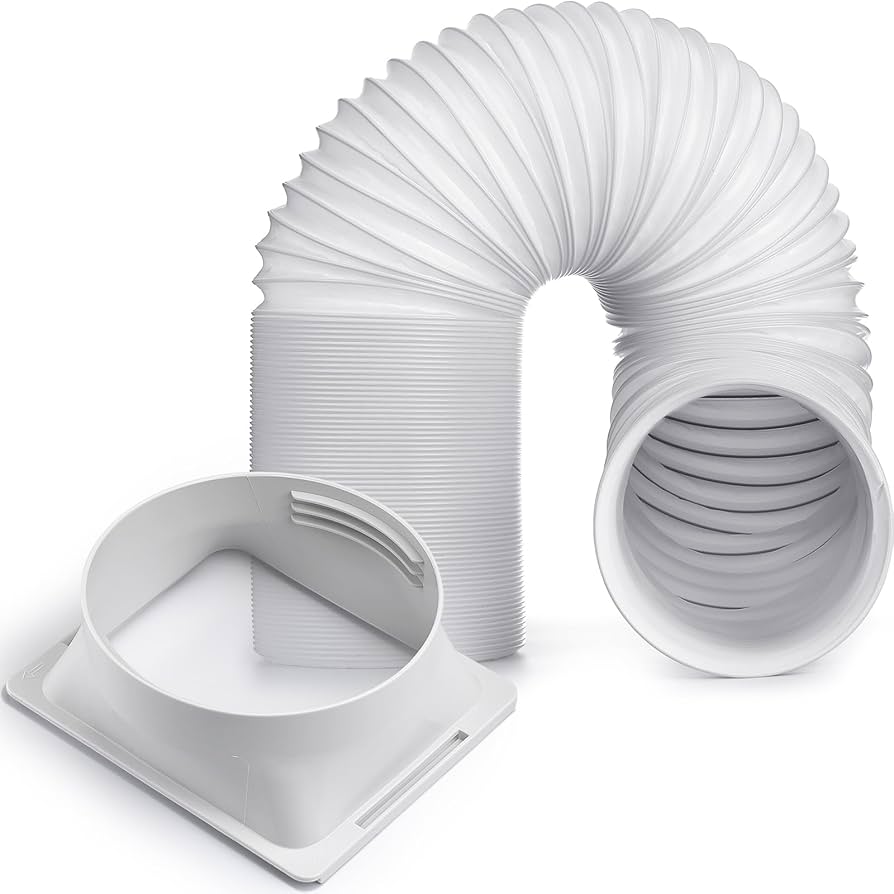
Have you ever wondered what the hose on your portable air conditioner really does? It might seem like just a simple tube, but this hose plays a crucial role in keeping your room cool and comfortable.
Understanding how it works can help you use your air conditioner more effectively and avoid common problems. You’ll discover exactly why the hose is there, how it functions, and what you need to know to get the best performance from your portable air conditioner.
Keep reading, and you’ll never look at that hose the same way again.

Credit: www.amazon.com
Purpose Of The Hose
The hoseon a portable air conditioner removes hot air from the room. It carries this heat outside, keeping the room cool. Without the hose, the unit can’t cool properly.
It also helps keep the indoor air fresh. By pushing warm air out, it stops the room from getting stuffy. This makes the air easier to breathe.
Using the hose means the air conditioner works more efficiently. It doesn’t waste energy trying to cool air that is already warm. This saves power and cools the room faster.
Types Of Hoses
The single exhaust hosepushes hot air from the room to the outside. It is common and easy to install. This hose usually connects to a window kit.
Dual exhaust hoseshave two tubes. One hose pulls in air to cool the machine. The other hose pushes hot air outside. This type works better in very hot places.
| Material | Flexibility | Benefit |
|---|---|---|
| Plastic | Flexible | Easy to bend and fit in small spaces |
| Aluminum | Less flexible | Durable and holds shape well |
| Polyurethane | Highly flexible | Lightweight and resistant to damage |
How The Hose Works
The hoseon a portable air conditioner moves hot air out of the room. It connects the unit to a window or ventto push the warm air outside. This keeps the room cooler and more comfortable.
The hose directs airflow in one way: hot air flows out. Cool air stays inside the room. This is important for the air conditioner to work well.
The hose also plays a key role in heat exchange. It carries the warm air from inside to outside. Without the hose, heat would stay inside and the room would not cool down.

Credit: www.amazon.com
Installation Tips
The hose lengthshould be just right. Too long makes cooling less effective. Too short may not reach the window.
Seal the hose well to stop hot air from coming back inside. Use tape or sealant around connections. Wrap the hose with insulation to keep air cool.
Keep the hose straight to let air flow easily. Avoid sharp bends or kinks. These block airflow and lower the air conditioner’s power.
Common Hose Issues
Leaks and cracksin the hose can cause air to escape. This reduces the unit’s ability to cool the room properly. Small holes or tears let hot air flow back inside, making the air conditioner work harder.
Improper ventinghappens when the hose is bent, twisted, or too long. This blocks the hot air from leaving the unit. The air conditioner then struggles to push air out, lowering its performance.
The impact on cooling efficiencyis clear. A damaged or poorly vented hose causes the unit to use more energy. This can increase your electricity bills. The room might stay warm, even when the unit runs all day.
Maintenance And Care
The hose on a portable air conditioner helps move hot air outside. It must stay clean to work well. Dust and dirt can block airflow. Clean the hose regularly by wiping it with a damp cloth. Make sure it is dry before using it again.
During the off-season, store the hose in a cool, dry place. Avoid folding it tightly to prevent cracks. Keep it away from direct sunlight and heat sources to extend its life.
Worn or damaged hoses affect cooling performance. Check for holes, cracks, or tears often. Replace the hose if you see any damage. Using a good hose keeps the air conditioner running smoothly.
Alternatives To Standard Hoses
Window kitshelp connect the hose to a window securely. They come with panels that fit different window sizes. This keeps the hot air outside and stops bugs or dust from coming in. Easy to install and remove, window kits are very popular with portable air conditioners.
Portable ventless optionsdo not need a hose or vent. They use special technology to cool the air inside the room. These are good for places where venting is not possible. But they may not cool as well as vented models.
Custom venting solutionsallow more flexible hose placement. You can use wall openings or ceiling vents instead of windows. These solutions need more work but can fit unique room setups. Proper sealing is important to keep the room cool and energy efficient.

Credit: www.amazon.com
Frequently Asked Questions
What Is The Hose Used For On A Portable Ac?
The hose vents hot air from the portable AC to the outside. It removes heat generated during cooling, keeping your room cool.
Why Is The Exhaust Hose Important For Portable Air Conditioners?
The exhaust hose directs hot air outside, preventing room heating. Without it, the AC can’t cool efficiently.
Can I Use A Portable Ac Without The Hose?
No, using a portable AC without the hose causes heat to stay inside. This reduces cooling performance significantly.
How Long Should The Portable Ac Hose Be?
The hose length varies but should be as short as possible. Longer hoses reduce cooling efficiency and strain the unit.
Conclusion
The hose on a portable air conditioner is essential. It removes warm air from your room. Without it, cooling won’t be effective. Set up the hose correctly for best results. Placement matters too. Ensure it reaches a window or vent.
Use the right adapter for a snug fit. Check for leaks to avoid issues. Regular maintenance keeps your unit efficient. Understand its role for better cooling. Enjoy a comfortable space with the right setup. Simple adjustments make a big difference.
Stay cool, easily.