
Have you ever wondered why some garden hoses deliver water faster than others? The secret often lies in one simple measurement: the inside diameter of your garden hose.
Understanding this small but crucial detail can save you time, improve your watering experience, and even protect your plants. You’ll discover exactly what the inside diameter is, why it matters, and how choosing the right size can make a big difference in your gardening routine.
Keep reading—you’ll be surprised at how something so small can have such a big impact.
Garden Hose Basics
The inside diameter of a garden hose affects how much water flows through it. Knowing this size helps you pick the right hose for your needs.
This guide explains common hose sizes and why diameter matters for watering and outdoor tasks.
Common Hose Sizes
Garden hoses come in several inside diameters. The size affects water flow and pressure.
| Inside Diameter | Common Use |
| 1/2 inch | Light watering and small gardens |
| 5/8 inch | Standard size for most garden tasks |
| 3/4 inch | High water flow for large areas |
| 1 inch | Heavy duty and commercial use |
Why Diameter Matters
The inside diameter changes how much water flows and how fast it moves. A bigger diameter means more water can flow.
- Smaller diameter hoses use less water but have lower flow.
- Bigger diameter hoses deliver more water quickly.
- Too small a diameter may reduce water pressure at the nozzle.
- Too large a diameter can make the hose heavy and hard to handle.

Credit: shopjoe.com
Measuring Inside Diameter
The inside diameter of a garden hose shows how wide the hose is inside. It affects the water flow and pressure.
Measuring the inside diameter helps you pick the right hose or fittings. It is simple with the right tools.
Tools Needed
You need a few tools to measure the inside diameter accurately. Most are easy to find at home or a store.
- Caliper or ruler with millimeter or inch marks
- Marker or tape to mark the hose
- Paper and pen to write down the measurement
Step-by-step Measurement
First, cut a small piece of the hose or use the open end. Make sure it is clean and dry.
Use the caliper or ruler to measure straight across the inside of the hose. Do not include the walls.
- Place the caliper inside the hose opening.
- Open the caliper jaws until they touch both inside edges.
- Read the number on the caliper scale.
- If using a ruler, hold it across the opening and estimate the inside width.
Write down your measurement. This number is the inside diameter of your garden hose.
Impact Of Diameter On Performance
The inside diameter of a garden hose affects how water moves through it. A larger diameter allows more water to flow. A smaller diameter limits the flow.
Choosing the right diameter helps you get the best use from your garden hose. It impacts water pressure and how well the hose works.
Water Flow Rate
Water flow rate is how much water passes through the hose. A bigger inside diameter means more water can flow at once.
With a smaller diameter, the water flow is slower. This can make watering plants or washing harder and take more time.
- Larger diameter = higher flow rate
- Smaller diameter = lower flow rate
- Flow rate affects how fast you finish tasks
Pressure And Efficiency
Water pressure depends on the hose diameter and water source. A small diameter raises pressure but lowers flow.
A larger diameter lowers pressure but keeps water flowing smoothly. This can save energy and reduce hose wear.
- Small diameter increases pressure but limits flow
- Large diameter lowers pressure but increases flow
- Right diameter balances pressure and flow for best use
Choosing The Right Diameter
The inside diameter of a garden hose affects water flow and pressure. Picking the right size helps you do your gardening tasks efficiently.
Different jobs need different hose diameters. A correct diameter matches the water needs and tools you use.
Matching Hose To Task
Small hoses with a 1/2 inch diameter work well for light watering jobs. Larger tasks like washing cars or filling pools need wider hoses.
- 1/2 inch hose: Best for light watering and small plants
- 5/8 inch hose: Good for general use and average water flow
- 3/4 inch hose: Ideal for heavy watering and high flow needs
Compatibility With Attachments
Hose diameter must match attachments like nozzles and sprinklers. Using the wrong size can reduce water pressure or cause leaks.
| Attachment Type | Recommended Hose Diameter |
| Sprinklers | 5/8 inch or 3/4 inch |
| Nozzles | 1/2 inch or 5/8 inch |
| Pressure Washers | 3/4 inch |
Common Inside Diameter Sizes
The inside diameter of a garden hose is important for water flow. It affects how much water can pass through the hose at once.
Garden hoses come in different sizes. Choosing the right diameter helps with watering plants or washing cars.
Standard Options
Most garden hoses have standard inside diameters. These sizes work well for general watering needs and everyday use.
- 1/2 inch inside diameter – common for light watering tasks.
- 5/8 inch inside diameter – the most popular size for home use.
- 3/4 inch inside diameter – used for heavy watering and better flow.
Specialty Sizes
Some hoses have specialty inside diameters. They fit specific needs like commercial use or long-distance watering.
| Size | Use | Note |
| 1/4 inch | Drip irrigation | Very small flow for delicate plants |
| 1 inch | Commercial watering | High water volume and pressure |
| 1 1/2 inch | Fire hoses | Very large flow for emergencies |
Maintaining Hose Diameter
The inside diameter of a garden hose controls water flow and pressure. Keeping this diameter clear helps your hose work well.
Small blockages or damage can reduce the hose diameter. This lowers water output and can cause strain on your watering system.
Avoiding Blockages
Debris and dirt often cause blockages inside hoses. Preventing these blockages keeps the diameter consistent and water flowing freely.
- Use a hose filter to stop dirt from entering
- Flush the hose with clean water after use
- Check for and remove any visible debris inside the hose
- Avoid dragging the hose through muddy or sandy areas
- Keep hose ends capped when not in use
Proper Storage Tips
Storing your hose correctly prevents kinks and damage. This protects the inside diameter from shrinking or cracking.
| Storage Method | Effect on Hose Diameter |
|---|---|
| Coil hose loosely | Prevents kinks and crushing |
| Keep hose off rough surfaces | Reduces wear and tears |
| Store in shade or indoors | Protects from heat damage |
| Drain water before storing | Avoids internal freezing or mold |
Upgrading Your Garden Hose
Choosing the right garden hose improves watering efficiency. One key factor is the inside diameter of the hose. It affects water flow and pressure.
Upgrading your garden hose means considering the size that fits your needs. Larger diameters offer specific benefits for garden care.
Benefits Of Larger Diameter
A larger inside diameter lets more water pass through. This reduces the time needed to water your plants.
- Faster watering with higher water flow
- Less pressure loss over long distances
- Better for use with sprinklers and watering systems
- Reduces strain on your water source
When To Replace
Replacing your garden hose improves performance and prevents leaks. Watch for signs of wear or damage.
| Sign | Reason to Replace |
| Cracks or holes | Water leaks cause waste and low pressure |
| Stiffness or brittleness | Hose may break when bent or moved |
| Low water flow | Clogs or internal damage reduce flow |
| Visible wear near connectors | Risk of disconnection or leaks |
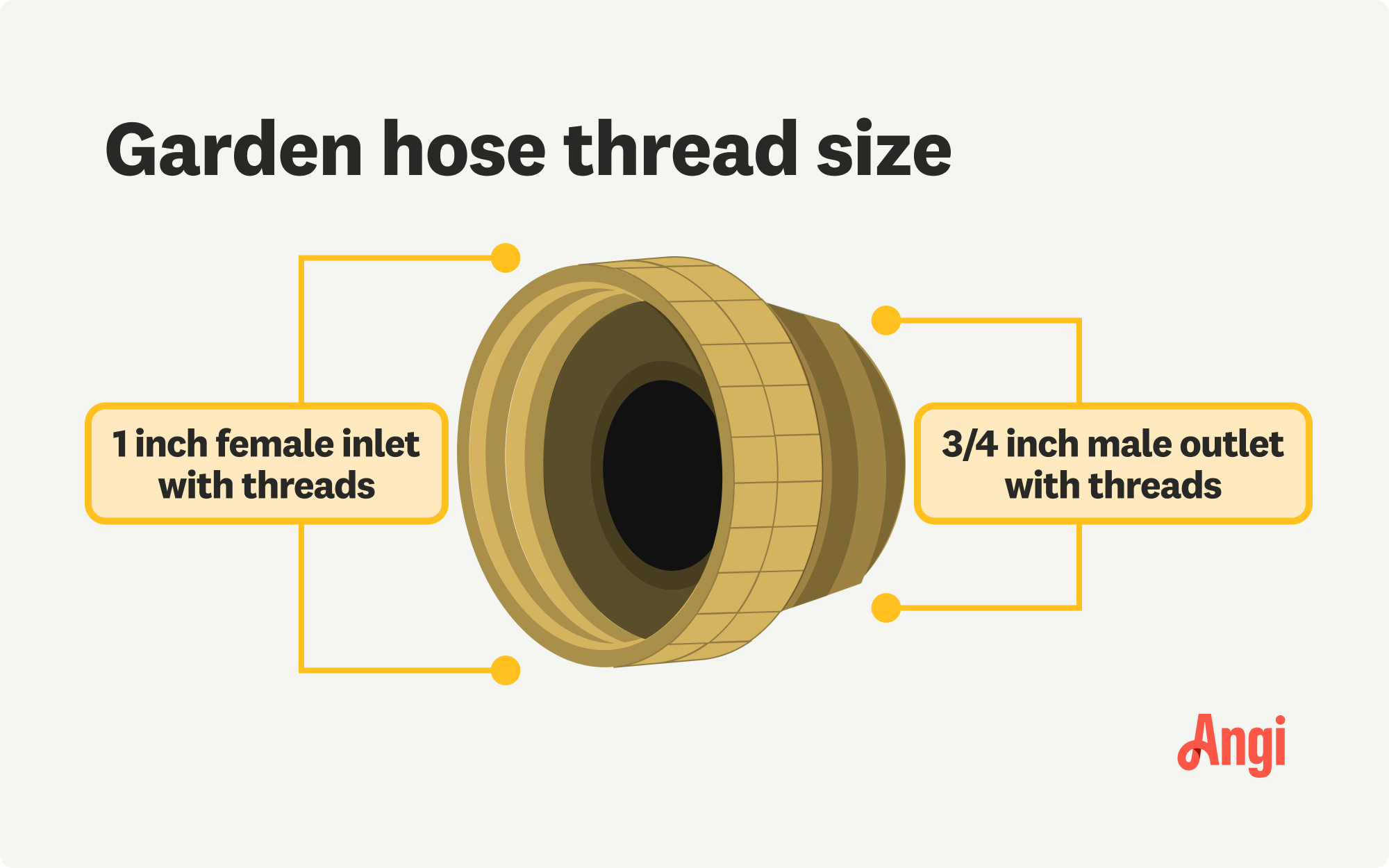
Credit: www.angi.com

Credit: everpeaktools.com
Frequently Asked Questions
What Is The Standard Garden Hose Diameter?
The standard inside diameter of garden hoses is typically 5/8 inches. This size balances water flow and pressure, making it ideal for most home gardening tasks. However, other common sizes like 1/2 inch and 3/4 inch are also available, catering to specific needs such as lightweight handling or high-volume water delivery.
How Does Hose Diameter Affect Water Flow?
A larger hose diameter allows more water to flow through. This increases the water volume delivered, which is useful for larger gardens. Conversely, a smaller diameter restricts flow, making it suitable for lighter tasks. Choosing the right diameter depends on your watering needs and the water pressure available.
Can I Use A 3/4 Inch Hose With Low Pressure?
Yes, but expect reduced water flow. A 3/4 inch hose requires higher pressure to maintain optimal flow. If your water pressure is low, the flow rate might decrease, resulting in less efficient watering. For low-pressure systems, a smaller diameter hose might be more effective.
Does Hose Diameter Affect Water Pressure?
Yes, the diameter impacts water pressure and flow rate. A larger diameter reduces the pressure as water spreads over a wider area. Conversely, a smaller diameter maintains pressure, concentrating the flow. Consider your pressure levels and watering tasks when selecting the appropriate hose diameter.
Conclusion
Knowing the inside diameter of a garden hose helps you choose the right one. It affects water flow and pressure. A larger diameter means more water can pass through. A smaller diameter saves space but limits flow. Pick the size that fits your gardening needs best.
This simple detail makes watering easier and more efficient. Keep this in mind when buying or using a garden hose. It makes a big difference in your outdoor work.