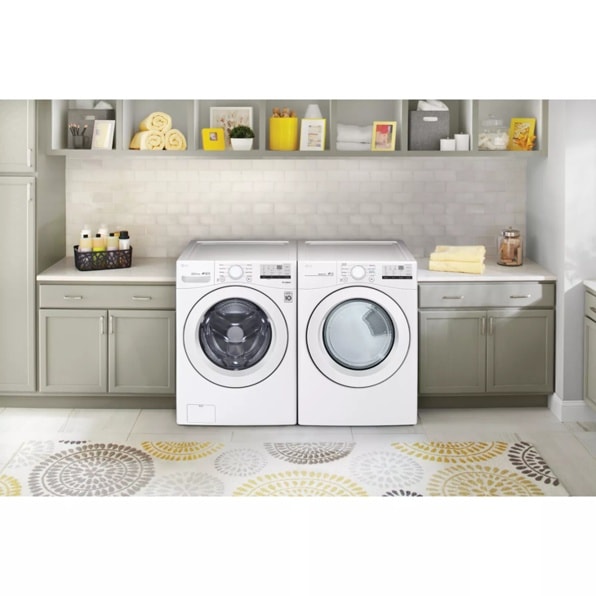
Are you tired of doing multiple loads of laundry because your washer and dryer just can’t handle it all at once? Imagine finishing your laundry in half the time with a machine that fits more clothes in a single wash or dry cycle.
Knowing the largest size washer and dryer available can change how you tackle laundry day forever. If you want to save time, energy, and effort, keep reading—this guide will help you find the perfect heavy-duty machines that meet your needs and make laundry less of a chore.
Credit: www.lg.com
Washer And Dryer Capacity Basics
Choosing the right washer and dryer size helps you handle laundry well. Capacity shows how much clothes fit inside.
Understanding size and capacity helps pick machines that save time and energy.
Measuring Washer Size
Washer size means the amount of clothes it can wash at once. It is usually measured in cubic feet.
- Small washers hold about 1.5 to 2.3 cubic feet.
- Medium washers range from 2.4 to 4.2 cubic feet.
- Large washers have 4.3 cubic feet or more.
Dryer Capacity Explained
Dryer capacity is the space inside for drying clothes. It is often bigger than washer capacity.
| Dryer Size | Capacity (cubic feet) |
| Compact | 3.5 – 5.0 |
| Standard | 5.0 – 7.0 |
| Large | 7.0 and above |
Why Capacity Matters
Capacity affects how much laundry you can do at once. Bigger machines save time for large loads.
- More capacity means fewer loads.
- Large machines use more water and energy per load.
- Small machines fit better in small spaces.
- Match washer and dryer sizes for best results.
Largest Washer Sizes Available
Finding the largest washer size helps with big laundry loads. Large washers save time and reduce the number of washes.
This guide covers the biggest sizes for top-load, front-load, and commercial washers.
Top-load Washers
Top-load washers can hold large amounts of laundry. The biggest models have capacities up to 6.0 cubic feet. This size fits bulky items like comforters easily.
- Capacity ranges from 4.0 to 6.0 cubic feet
- Holds about 20-25 pounds of laundry per load
- Good for families with heavy laundry needs
- Some models include deep water wash cycles
Front-load Washers
Front-load washers tend to have larger capacities than top-loaders. The largest front-load washers can reach 5.5 to 6.5 cubic feet. They use less water and clean clothes well.
| Capacity (cubic feet) | Typical Load Size | Features |
| 5.5 | 18-20 pounds | Energy efficient, gentle on clothes |
| 6.0 | 22-24 pounds | Large drum, multiple wash cycles |
| 6.5 | 25-28 pounds | Extra-large tub, fast spin speed |
Commercial And Industrial Options
Commercial washers have the largest capacities. They suit laundromats and businesses. These washers hold 20 to 80 pounds per load or more.
- Capacities range from 20 to 80+ pounds
- Durable for frequent and heavy use
- Often use high-speed cycles to save time
- May require special installation and power supply
- Available in both front and top load styles
Largest Dryer Sizes On The Market
Dryers come in many sizes to fit different household needs. Large dryers help dry bulky items quickly. Knowing the largest sizes helps you choose the right one.
This guide covers the biggest dryers in electric, gas, and commercial categories. Each type has unique size options and features.
Electric Dryers
Electric dryers are common in many homes. The largest electric dryers usually have capacity around 7.5 to 9.0 cubic feet. These sizes fit large loads and bulky bedding.
- Typical large capacity: 7.5 to 9.0 cubic feet
- Best for big families or heavy laundry
- Use less gas but need electric power
- Many models include moisture sensors and multiple cycles
Gas Dryers
Gas dryers use natural gas or propane to dry clothes. They often have larger drum sizes than electric dryers. The biggest gas dryers can reach 9.0 cubic feet or more.
| Dryer Type | Typical Max Size (cubic feet) | Energy Source |
| Electric Dryer | 9.0 | Electricity |
| Gas Dryer | 9.5 | Natural Gas / Propane |
| Commercial Dryer | Up to 30.0 | Electricity / Gas |
Commercial Dryers
Commercial dryers serve laundromats and large facilities. Their drum sizes are much bigger. Some commercial models hold up to 30 cubic feet or more.
- Drum sizes range from 20 to 30+ cubic feet
- Designed for heavy, continuous use
- Available in electric and gas models
- Often include faster drying times and advanced controls
Credit: www.whirlpool.com
Factors Affecting Washer And Dryer Capacity
Washer and dryer size matters for handling large loads. Capacity depends on several key factors.
Understanding these factors helps you choose the right washer and dryer for your needs.
Drum Volume
Drum volume shows how much space is inside the washer or dryer. It is measured in cubic feet.
Larger drums hold more clothes. This means fewer loads and more convenience.
- Small drums: 2.0 to 3.4 cubic feet
- Medium drums: 3.5 to 5.0 cubic feet
- Large drums: 5.1 to 7.0+ cubic feet
Weight Limits
Weight limits tell you how many pounds of laundry machines can handle safely.
Going over weight limits can cause damage or poor cleaning and drying results.
- Light washers: 8 to 12 pounds per load
- Standard washers: 12 to 20 pounds per load
- Heavy-duty washers: 20 to 30+ pounds per load
Energy Efficiency
Energy efficiency affects how much power machines use per load. Larger machines may use more energy.
Efficient washers and dryers save electricity and water while handling big loads.
- Look for Energy Star rated models
- High-efficiency machines use less water and power
- Energy use varies with load size and machine features
Choosing The Right Size For Your Needs
Finding the largest size washer and dryer depends on your laundry needs. You should think about how much laundry you do and the space you have.
Choosing the right size helps save time and energy. It also makes laundry easier and more efficient.
Household Size Considerations
Large households need bigger washers and dryers. More people mean more clothes to wash each week.
Small families or singles may only need standard or compact sizes. Oversized machines can waste water and energy for small loads.
- Families of 4 or more often use washers with 4.5 to 5.5 cubic feet capacity.
- Singles or couples usually need 2.5 to 4.0 cubic feet capacity.
- Consider future changes like new family members.
Laundry Frequency
How often you do laundry affects the size you need. Frequent laundry means you may want a larger machine.
If you wash clothes less often, a bigger washer can handle large loads at once. This saves time but needs more space.
- Daily laundry fits well with medium to large washers.
- Weekly laundry may benefit from the largest size washers.
- Consider your schedule and washing habits.
Space And Installation
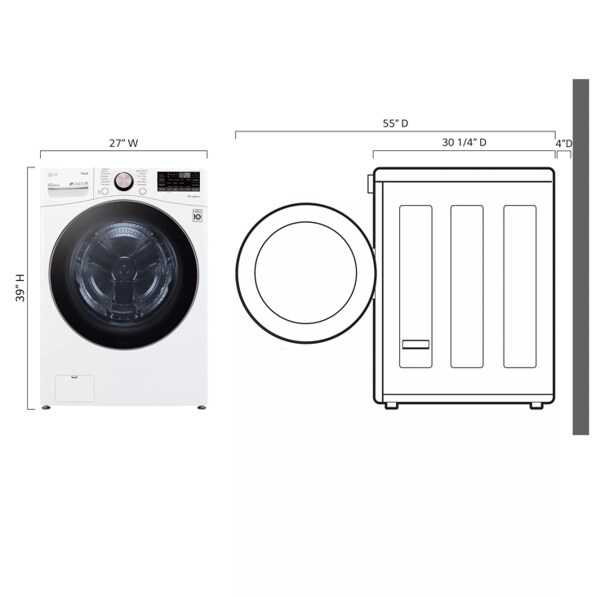
Check your laundry space before choosing a large washer or dryer. Large machines need enough room to fit and work well.
Measure doorways, floor space, and clearances. Some large washers need special hookups or ventilation.
- Measure width, height, and depth of your laundry area.
- Leave space for door openings and airflow.
- Check if the floor can support heavy machines.
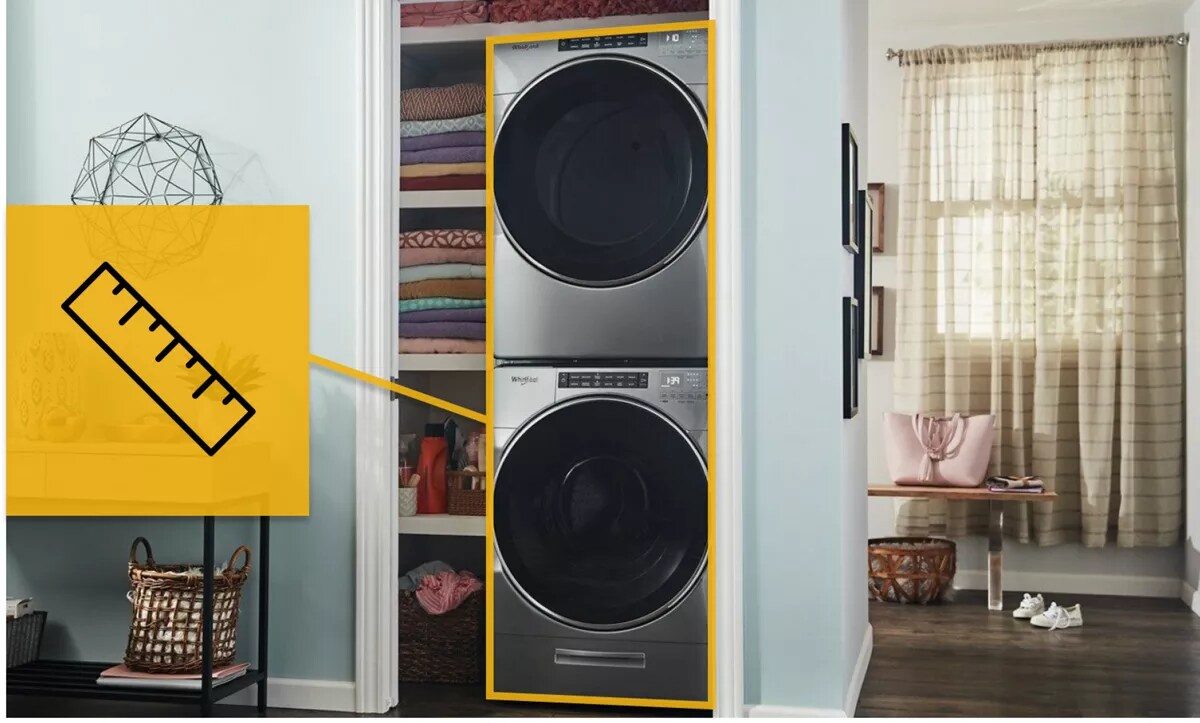
- Consider stacked or side-by-side installation options.
Benefits Of Large Capacity Washers And Dryers
Large capacity washers and dryers are designed to handle more clothes in a single load. They are ideal for families and anyone who needs to wash large amounts of laundry.
These machines save you time, energy, and help with washing bulky items. Let’s explore their benefits further.
Time Savings
Large washers and dryers let you wash more clothes at once. This means fewer loads and more free time for you.
When you can wash more clothes in one go, you spend less time doing laundry. This is great for busy people.
Energy And Water Efficiency
Modern large capacity machines use less water and energy per load. They are designed to be efficient and save resources.
By washing fewer loads, you also save on utility bills. This is good for the environment and your wallet.
Handling Bulky Items
Large washers can easily handle big items like comforters and blankets. You won’t need to take them to a laundromat.
These machines are strong and can clean large items thoroughly. This is helpful for families with lots of bedding.
Potential Drawbacks Of Extra Large Machines
Extra large washers and dryers can handle more clothes. But they come with some downsides. It’s important to know these before buying.
This guide explores the potential drawbacks of larger machines. Consider these factors when deciding if they are right for you.
Higher Initial Cost
Extra large machines cost more than standard ones. Their advanced features and bigger size raise the price.
Many families might find the cost too high. Budgeting is essential to cover this expense.
- Price can be double that of standard machines
- Possible need for extended warranties
- Higher maintenance costs
Space Requirements
Extra large washers and dryers need more room. They might not fit in small laundry areas.
Measure your space before buying. Make sure there’s enough room for the machine and for you to move around.
| Average Width | 30-34 inches |
| Depth Needed | 36-40 inches |
| Extra Clearance | 6-12 inches for ventilation |
Longer Cycle Times
Larger machines often have longer wash and dry cycles. They use more water and energy to clean bigger loads.
This can lead to higher utility bills. It also means more waiting time for your clothes to be ready.
- Average wash cycle: 60-90 minutes
- Dry cycle can take up to 75 minutes
- Consider energy-efficient models to save costs
Credit: www.lg.com
Maintenance Tips For Large Washers And Dryers
Large washers and dryers need regular care to work well. Proper maintenance keeps them running longer. It also helps you avoid costly repairs.
These machines handle big loads, so cleaning and checking them often is important. Follow simple steps to keep your appliances in top shape.
Cleaning And Care
Clean your washer and dryer regularly to remove dirt and detergent buildup. Dirt can cause bad smells and reduce machine efficiency.
Wipe the drum, door seals, and detergent drawers after each use. Run a cleaning cycle with special washer cleaner once a month.
- Use a damp cloth to clean the drum and seals
- Check and clean the lint filter on dryers after every use
- Run an empty hot water cycle with washer cleaner monthly
- Keep the area around the machines clean and dry
Preventing Wear And Tear
Large washers and dryers can wear out if overloaded or used incorrectly. Avoid putting too many clothes inside at once. This strains the motor and parts.
Balance loads evenly to stop the machine from shaking or making loud noises. Use the right detergent amount to prevent soap buildup.
- Do not overload the drum with heavy items
- Distribute clothes evenly inside the washer and dryer
- Use high-efficiency detergent as recommended
- Check hoses and vents for blockages regularly
When To Call A Professional
Some problems need expert help. Call a professional if your machine leaks water or does not spin properly. Strange noises or burning smells also need quick attention.
Do not try to fix electrical or motor issues yourself. A technician can safely diagnose and repair the problem to avoid damage.
- Water leaks or flooding during use
- Washer or dryer fails to start or stop
- Loud banging or grinding sounds
- Burning smell or smoke from the machine
Frequently Asked Questions
What Is The Largest Washer Capacity Available?
The largest washers typically offer 5. 0 to 6. 0 cubic feet capacity. These can handle bulky items like comforters efficiently. Larger capacity means fewer loads and time saved in laundry.
How Big Are The Biggest Dryers On The Market?
The biggest dryers generally have capacities around 7. 4 cubic feet. This size accommodates large loads and bulky bedding. It ensures thorough drying without multiple cycles.
Are Large Washers And Dryers More Energy Efficient?
Large washers and dryers can be energy-efficient if used fully. They reduce the number of cycles needed. Modern models often have energy-saving features to lower utility bills.
Can Large Washers Fit In Standard Laundry Rooms?
Most large washers fit standard laundry spaces but require extra clearance. Measure your space carefully before purchasing. Proper ventilation and door clearance are essential for installation.
Conclusion
Choosing the largest washer and dryer means handling big loads easily. These machines save time and effort by washing more clothes at once. They fit well in homes with many people or heavy laundry needs. Sizes vary, so pick one that matches your space and washing habits.
Big washers and dryers offer convenience without extra trips to the laundry room. Finding the right size helps keep your laundry routine simple and quick. Think about your daily needs before making a choice. Large capacity means fewer loads and more free time.