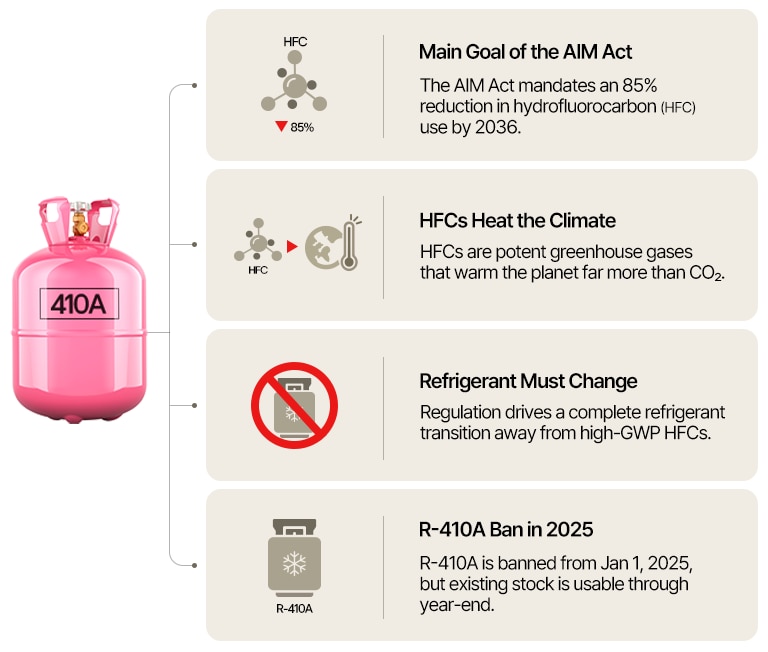
Are you curious about what keeps your air conditioner running smoothly and efficiently? The key lies in the refrigerant inside your unit.
But did you know that the type of refrigerant used has changed over time? Using the latest refrigerant can make a big difference in how well your air conditioner cools your home and how much energy it uses. You’ll discover the newest refrigerant technology and why it matters for your comfort, your bills, and the environment.
Keep reading to find out what’s inside your air conditioner and how it can benefit you right now.

Credit: www.airsolutionsbcs.com
Refrigerant Evolution
Air conditioners rely on refrigerants to cool indoor spaces. Over time, the types of refrigerants have changed. This change aims to protect the environment and improve safety.
Understanding the history of refrigerants helps us see why the latest types are more eco-friendly and effective.
Early Refrigerants
The first refrigerants were natural substances like ammonia and sulfur dioxide. These worked well but had safety risks because they were toxic or flammable.
Later, chlorofluorocarbons (CFCs) became popular. They were safer but caused damage to the ozone layer.
Shift To Eco-friendly Options
Due to environmental concerns, new refrigerants were developed. Hydrofluorocarbons (HFCs) replaced CFCs because they do not harm the ozone layer.
- Hydrofluoroolefins (HFOs) are the newest group with low global warming potential.
- Natural refrigerants like propane and carbon dioxide are also used for their low impact.
- Manufacturers focus on safety, efficiency, and environmental effects.
Regulatory Impact
| Regulation | Effect on Refrigerants |
| Montreal Protocol | Phased out CFCs to protect ozone layer |
| Kigali Amendment | Targets reduction of HFCs to lower global warming |
| Local Laws | Encourage use of low-GWP refrigerants and safe handling |
Regulations guide the development and use of safer refrigerants. They push the industry to adopt better options to protect the planet.

Credit: www.lg.com
Current Refrigerant Types
Air conditioners use refrigerants to cool air inside buildings. These fluids absorb heat and release it outside. Different refrigerants have different effects on the environment and efficiency.
New types of refrigerants are made to reduce harm to the ozone layer and cut down greenhouse gases. Understanding the common types helps choose better air conditioning systems.
R-410a Characteristics
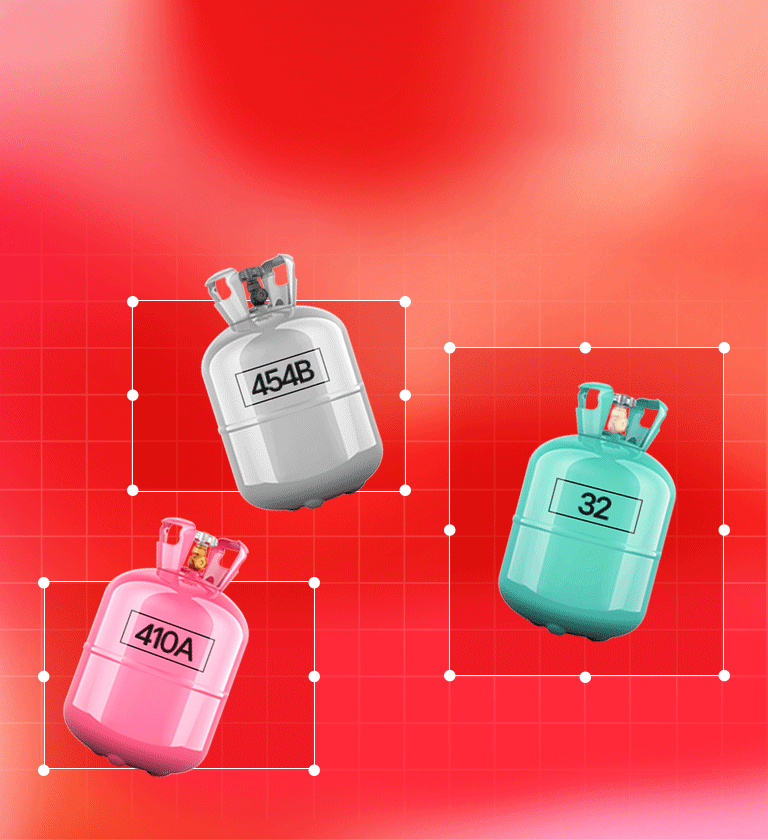
R-410A is a popular refrigerant used in many modern air conditioners. It does not harm the ozone layer like older refrigerants such as R-22.
This refrigerant works well at higher pressures. It helps air conditioners run more efficiently and last longer.
- Non-ozone depleting
- High cooling capacity
- Operates at higher pressure
- Needs compatible equipment
R-32 Advantages
R-32 is a newer refrigerant gaining popularity in air conditioners. It has a lower global warming potential than R-410A.
This refrigerant is more energy efficient and uses less amount for the same cooling power. It helps reduce electricity bills and emissions.
- Lower global warming potential
- Higher energy efficiency
- Smaller quantity needed
- Easy to recycle and reuse
Natural Refrigerants
Natural refrigerants like ammonia, carbon dioxide, and hydrocarbons are eco-friendly options. They have very low or zero global warming potential.
These refrigerants are safe when handled properly. They are used more in large cooling systems and some home air conditioners.
- Ammonia (R-717): High efficiency, toxic in large amounts
- Carbon dioxide (R-744): Non-toxic, works well in cold climates
- Hydrocarbons (R-290, R-600a): Low impact, flammable
Emerging Refrigerants For 2025
Air conditioners need new refrigerants that harm the planet less. Scientists and engineers are finding safer options for 2025.
These new refrigerants use less energy and reduce greenhouse gases. They help protect the environment while cooling your home.
Low Global Warming Potential (gwp) Options
Low GWP refrigerants cause less damage to the climate. They release fewer harmful gases when they leak or are used.
Many countries push for these options to reduce global warming. These refrigerants keep temperatures stable on Earth.
- R-32: A common low GWP refrigerant used today
- R-1234yf: Very low GWP and used in some AC units
- Natural refrigerants like propane and CO2
Hydrofluoroolefins (hfos)
HFOs are newer refrigerants with very low GWP. They break down quickly in the atmosphere, causing less harm.
These refrigerants work well in air conditioners and use less energy. They are becoming popular as rules tighten worldwide.
- R-1234yf: Used in car air conditioning and some homes
- R-1234ze: Good for large cooling systems
- Safe for the environment and help reduce pollution
Blends And Alternatives
Blends mix different refrigerants to improve safety and efficiency. They balance low GWP with good cooling power.
Alternatives include natural refrigerants like ammonia and CO2. These are safe but need special equipment to use.
- R-454B: A blend with low GWP and good performance
- R-466A: Designed to replace older refrigerants with less harm
- Natural options like CO2 (R-744) and propane (R-290)
Credit: www.lg.com
Environmental And Efficiency Benefits
The latest refrigerants used in air conditioners are designed to reduce harm to the environment. They also help save energy and meet new rules worldwide.
These refrigerants improve the way air conditioners work. They lower emissions and use less power while keeping homes cool.
Reduced Emissions
New refrigerants have a lower global warming potential (GWP). This means they release fewer greenhouse gases if leaked.
- Less damage to the ozone layer
- Lower carbon footprint from cooling systems
- Supports global efforts to fight climate change
Energy Savings
Modern refrigerants improve air conditioner efficiency. They allow systems to cool faster using less electricity.
| Refrigerant Type | Energy Efficiency Rating | Power Use (kWh) |
| R-410A (Older) | High | 1200 |
| R-32 (Latest) | Higher | 1050 |
| R-454B (Emerging) | Highest | 980 |
Compliance With Global Standards
New refrigerants meet strict international rules. These standards ensure safety and environmental care.
- Follow Kigali Amendment limits on GWP
- Meet safety classifications for use in homes
- Approved by environmental agencies worldwide
Installation And Maintenance Considerations
The latest refrigerants used in air conditioners require special attention during installation and maintenance. Proper handling ensures system efficiency and safety.
Understanding compatibility, safety, and service rules helps technicians manage these new refrigerants well.
Compatibility With Existing Systems
New refrigerants might not work with older air conditioning systems. Checking system parts and materials is important before installation.
- Verify if seals and hoses match the new refrigerant type.
- Check compressor compatibility to avoid damage.
- Confirm oil type works with the refrigerant.
- Assess if the system’s pressure limits fit the refrigerant’s requirements.
Safety Measures
Handling new refrigerants needs care to prevent health and fire risks. Proper tools and protective gear are essential.
| Safety Aspect | Details |
| Protective Equipment | Wear gloves and goggles during handling. |
| Ventilation | Ensure good airflow in work areas. |
| Leak Detection | Use approved detectors for the refrigerant type. |
| Fire Safety | Keep fire extinguishers nearby; avoid sparks. |
Service And Handling
Regular checks and careful handling keep the system running longer and reduce risks of leaks or failures.
- Use tools designed for the specific refrigerant.
- Follow manufacturer’s guidelines for charging and recovery.
- Dispose of old refrigerants according to regulations.
- Keep records of refrigerant type and amount used.
Future Trends In Refrigerants
The air conditioner industry is moving toward safer and eco-friendly refrigerants. New types of refrigerants help reduce harm to the environment. This change is important to fight climate change and protect the planet.
Experts and companies look for refrigerants with low global warming potential. These refrigerants also need to work well in different climates. The future will see more innovations and support from governments worldwide.
Innovations In Refrigerant Chemistry
Scientists are creating new refrigerants that have less impact on the environment. These refrigerants use natural substances or new chemical formulas. They reduce greenhouse gases and improve energy efficiency.
Some new refrigerants include hydrofluoroolefins (HFOs) and blends that mix different chemicals. They have lower global warming potential than older refrigerants like R-22 or R-410A.
- HFOs have a short life in the atmosphere
- Natural refrigerants include CO2 and ammonia
- New blends aim to balance safety and performance
Government Policies And Incentives
Governments set rules to reduce harmful refrigerants. Many countries follow the Kigali Amendment to phase down high global warming refrigerants. These policies push manufacturers and users to switch to better options.
Incentives like tax breaks and rebates encourage using eco-friendly refrigerants. Some regions require regular checks to prevent leaks and waste. These efforts help lower emissions from air conditioners.
- Phase-out plans for high global warming refrigerants
- Financial support for adopting new refrigerants
- Regulations for safe handling and disposal
Market Adoption And Challenges
Switching to new refrigerants takes time and effort. Some refrigerants need special equipment or training. Cost and availability can slow down their use in many places.
Users and manufacturers face challenges like safety rules and system compatibility. Still, many companies invest in new technology to meet rules and customer demand for cleaner air conditioners.
- Higher costs for new refrigerant systems
- Need for technician training and certification
- Adjustments in manufacturing and service processes
Frequently Asked Questions
What Is The Latest Refrigerant Used In Air Conditioners?
The latest refrigerant widely used is R-32. It offers higher energy efficiency and lower environmental impact compared to older refrigerants like R-410A. R-32 has a lower global warming potential (GWP), making it eco-friendlier and compliant with modern environmental regulations.
Why Is R-32 Preferred Over Older Refrigerants?
R-32 is preferred because it improves cooling efficiency and reduces energy consumption. It has a lower GWP, which helps minimize environmental damage. Additionally, R-32 requires less refrigerant charge, making air conditioners more compact and cost-effective.
How Does R-32 Impact Environmental Sustainability?
R-32 significantly lowers greenhouse gas emissions due to its low GWP value. This refrigerant also supports global efforts to phase out harmful substances like HCFCs and HFCs. Using R-32 contributes to cleaner air and helps combat climate change.
Are There Safety Concerns With Using R-32 Refrigerant?
R-32 is mildly flammable, so proper handling and installation are essential. Certified technicians should manage it to ensure safety. Despite this, R-32 remains safe for residential and commercial air conditioning when used correctly.
Conclusion
Choosing the right refrigerant is crucial for air conditioner efficiency. The latest options are eco-friendly and efficient. R-32 is a popular choice. It offers lower global warming potential. This makes it a smart option for the environment. Many manufacturers now use this refrigerant.
The switch helps reduce carbon footprint. Always check your unit’s compatibility before switching. Understanding these options ensures better cooling performance. Stay informed to make the best decision for your home. A little research goes a long way. Your air conditioner will thank you for it.