
Have you ever wondered how long your central air conditioner will keep your home cool and comfortable? Knowing the life expectancy of your AC can help you plan for repairs, maintenance, or even a replacement before it breaks down on a hot day.
You’ll discover the key factors that affect how long your central air conditioner lasts and what signs to watch for when it’s nearing the end of its life. Keep reading to make sure your home stays cool without any surprises.
Average Lifespan Of Central Air Conditioners
Central air conditioners help keep homes cool in hot weather. Knowing their lifespan helps with planning repairs or replacement.
The life expectancy of a central air conditioner depends on many things. Most units last several years with proper care.
Typical Duration Of Use
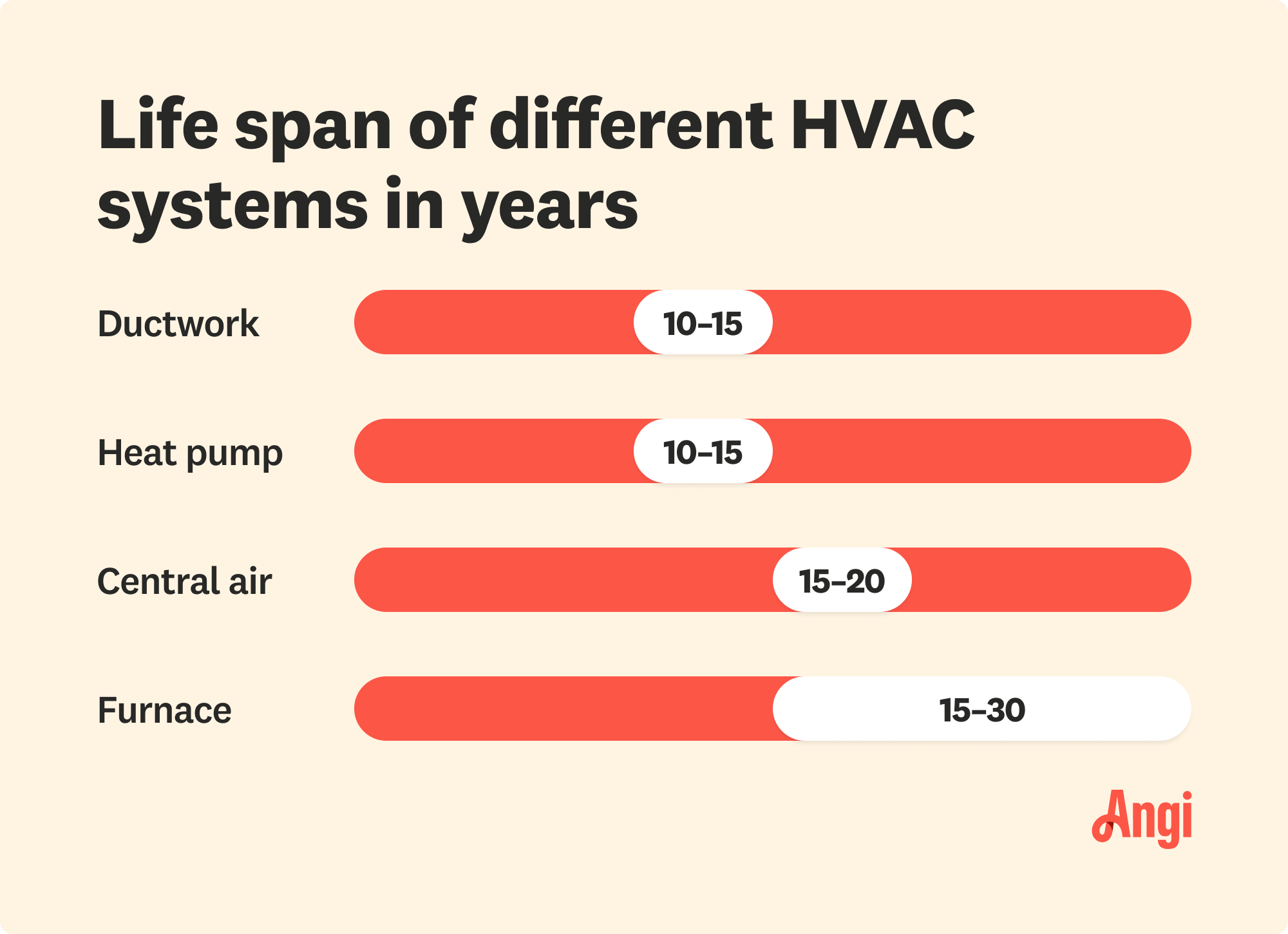
Most central air conditioners last between 10 and 15 years. Some units can work longer if maintained well.
Older models may have shorter lifespans due to less efficient parts. Newer models often last closer to 15 years.
- Average lifespan: 10 to 15 years
- Well-maintained units can last over 15 years
- Older models tend to have shorter lifespans
Factors Influencing Longevity
Several factors affect how long a central air conditioner lasts. These include usage, maintenance, and climate.
Good care and regular checks help extend the life of your air conditioner. Harsh weather or heavy use can shorten it.
- Regular maintenance and cleaning
- Proper installation and sizing
- Frequency and length of use each year
- Local climate conditions, like heat and humidity
- Quality of the unit and parts used

Credit: lghomecomfort.ca
Signs Of Aging In Air Conditioners
Central air conditioners do not last forever. Over time, they show signs of aging. Knowing these signs helps you decide when it’s time to replace or repair your unit.
Older air conditioners might not cool effectively. They may also cause higher energy bills. Look for specific signs to understand their condition better.
Common Wear And Tear Issues
Wear and tear are normal for air conditioners. Parts inside can wear out and cause problems. Regular maintenance can help, but some issues are inevitable.
Worn parts can make the system work harder. This can lead to strange noises and leaks. These problems mean your unit might need fixing or replacing soon.
- Strange noises from the unit
- Frequent leaks or water around the unit
- Unusual smells when the unit is on
Performance Decline Symptoms
As air conditioners age, their performance can decline. They might not cool rooms evenly. Some rooms might stay warm even when the air is on.
Another symptom is higher energy bills. An old unit might use more power to cool the same space. This can become costly over time.
- Inconsistent cooling across rooms
- Increased energy bills
- Unit cycles on and off frequently
Maintenance Tips To Extend Life
Central air conditioners usually last about 12 to 15 years. Proper care can help them work longer and better. Regular maintenance keeps the system running smoothly.
Simple tasks and scheduled checks can prevent problems. This saves money and keeps your home comfortable.
Routine Cleaning And Inspection
Cleaning your air conditioner helps it run efficiently. Dirt and debris can block airflow and reduce cooling power. Check the filter every month and clean or replace it if needed.
Inspect outdoor units for leaves, grass, or dirt. Clear any blockages around the unit. This keeps air moving freely and avoids overheating.
- Clean or replace air filters monthly
- Remove leaves and debris near outdoor unit
- Check for visible damage or rust
- Make sure vents and registers are open and clean
Professional Servicing Schedule
Hiring a professional technician once a year helps catch hidden problems early. They check refrigerant levels, electrical connections, and system parts. This prevents breakdowns and improves efficiency.
Technicians also clean coils and drain lines. This reduces wear and tear on the system. Scheduling service before summer prepares your unit for heavy use.
- Schedule a checkup every 12 months
- Get refrigerant levels tested and refilled if needed
- Have electrical wiring and connections inspected
- Ask for coil and drain line cleaning
Impact Of Usage Patterns
The life expectancy of a central air conditioner depends on how it is used. Different usage patterns affect the system’s wear and tear. Understanding these patterns helps in predicting how long the unit will last.
Two main factors influence this: whether the system runs seasonally or all year, and the climate where it operates. Both affect the unit’s durability and performance.
Seasonal Vs Year-round Operation
Some central air conditioners run only in hot months, while others operate year-round for both cooling and heating. This difference changes how much the system is used.
- Seasonal Operation:The unit works mainly in summer. It rests during cooler months. Less use can mean longer life.
- Year-Round Operation:The system runs all year to cool and heat. More use can cause faster wear.
- Maintenance Needs:Year-round systems may need more frequent checks and repairs.
Effect Of Climate And Environment
Climate and environment play a big role in a central air conditioner’s lifespan. Hot, humid, or dusty places put extra strain on the system.
| Climate Type | Impact on Air Conditioner |
| Hot and Humid | Runs longer; moisture can cause rust and corrosion. |
| Dry and Dusty | Filters and coils clog faster; needs more cleaning. |
| Mild and Moderate | Less stress on the system; longer life expected. |
Upgrading Vs Repairing
Central air conditioners usually last between 10 and 15 years. Deciding to repair or upgrade depends on the unit’s age and condition. This choice affects comfort, cost, and energy use.
Older units may need frequent repairs that add up over time. Newer models offer better energy efficiency. Understanding when to repair or replace can save money and improve cooling.
Cost-benefit Analysis
Repairing a central air conditioner can be cheaper at first. Small fixes keep the system running but may not last long. Upgrading costs more but reduces energy bills.
New systems use less electricity and need less maintenance. Repair costs rise if the unit is older or parts are rare. Compare repair costs to the price of a new unit.
- Repair if costs are less than half the price of a new unit
- Replace if repairs cost over 50% of a new system
- Consider energy savings with a new unit
- Factor in warranty and service life of new systems
When To Replace Your Unit
Replace your air conditioner if it is over 15 years old. Frequent breakdowns and rising repair bills are signs to upgrade. New units cool better and use less power.
Watch for these signs to replace your system:
- More than two repairs in one year
- Unit runs constantly but does not cool well
- Energy bills increase without usage change
- Refrigerant leaks or parts are unavailable
Energy Efficiency And Longevity
Central air conditioners cool homes by removing heat and moisture. Their life expectancy depends on how well they work and how long they last.
Energy efficiency plays a big role in how long a central air conditioner lasts. Efficient units use less power and face less wear and tear.
How Efficiency Affects Lifespan
When an air conditioner uses energy well, it runs smoother and stays cooler. This reduces strain on the parts inside.
Less strain means fewer breakdowns and repairs. Efficient units often last longer because they avoid overheating and damage.
- Lower energy use cuts stress on components
- Better cooling reduces wear on the compressor
- Consistent performance avoids sudden failures
- Regular maintenance keeps efficiency high
Modern Features That Help Durability
New air conditioners have features that protect their parts and improve lifespan. These features reduce damage and keep the system working well.
Some features help control temperature and pressure to avoid overheating. Others improve airflow or protect against corrosion.
- Variable speed compressors adjust power to save energy
- Corrosion-resistant coatings protect metal parts
- Advanced sensors detect issues early
- Improved refrigerant flow reduces wear
- Better filters keep dirt out of the system
Choosing A Durable Air Conditioner
Central air conditioners usually last around 10 to 15 years. Choosing a durable model helps you save money in the long run. It also means fewer repairs and better cooling during hot months.
To pick a long-lasting air conditioner, look at the brand and important features. Quality parts and good design make a big difference. This guide covers top brands and key features for durability.
Brands Known For Longevity
Some brands have a reputation for making reliable air conditioners. They use strong materials and offer good warranties. Choosing these brands can give you peace of mind.
- Trane: Known for tough compressors and long life.
- Carrier: Offers efficient units with durable parts.
- Lennox: Focuses on quality and energy-saving features.
- Rheem: Provides solid performance and easy maintenance.
- Goodman: Affordable with reliable components.
Key Features To Look For
Durable air conditioners have parts designed to last. Look for features that protect the unit and keep it running well. These details affect how long your system will work.
- Compressor Quality: Look for a sturdy, reliable compressor.
- Coil Material: Copper coils last longer than aluminum ones.
- Energy Efficiency: Efficient models reduce wear and tear.
- Rust-Resistant Coating: Protects the outdoor unit from weather.
- Sound Insulation: Reduces vibration and noise damage.
- Warranty Length: Longer warranties show confidence in durability.
Credit: www.angi.com
Credit: bplusw.com
Frequently Asked Questions
How Long Does A Central Air Conditioner Typically Last?
A central air conditioner usually lasts 12 to 15 years with proper maintenance. Factors like usage, climate, and care affect its lifespan.
What Affects The Lifespan Of Central Air Conditioners?
Usage frequency, maintenance quality, installation accuracy, and environmental conditions impact a central air conditioner’s durability and efficiency.
How Can I Extend My Central Ac’s Life Expectancy?
Regular maintenance, timely filter changes, professional inspections, and keeping the unit clean help extend your central AC’s life significantly.
When Should I Replace My Central Air Conditioner?
Replace your central AC if it’s over 15 years old, inefficient, costly to repair, or frequently breaks down.
Conclusion
Central air conditioners usually last about 10 to 15 years. Regular maintenance helps extend their life. Clean filters and check parts often. Avoid ignoring small problems early. Choosing the right size unit matters too. Proper use can prevent wear and tear.
Knowing the lifespan helps plan for replacement. A well-kept air conditioner saves money. Keep it running smoothly for years. A reliable unit keeps your home cool and comfortable.