
Are you curious about what makes an exhaust system the loudest on the road? Maybe you want your car to roar with power or simply stand out from the crowd.
Understanding what goes into the loudest exhaust system can help you choose the right setup for your ride. You’ll discover how these systems work, what parts make the biggest difference, and how loud is too loud. Keep reading to find out everything you need to know to make your vehicle’s sound unforgettable.

Credit: www.millteksport.com
Types Of Exhaust Systems
Exhaust systems control how sound leaves a vehicle’s engine. Different types change the loudness and tone.
Understanding the types helps you pick the loudest exhaust system for your needs.
Cat-back Systems
Cat-back systems start after the catalytic converter and run to the exhaust tip. They include pipes and mufflers.
This system makes the exhaust louder and deeper. It also helps the engine breathe better.
- Includes pipes from catalytic converter to rear
- Usually adds louder sound and better flow
- Common upgrade for louder exhaust noise
Axle-back Systems
Axle-back systems replace the pipes from the rear axle to the exhaust tip. They usually include mufflers.
This type changes the exhaust sound but less than cat-back systems. It is easier to install and less costly.
- Replaces rear pipes and mufflers only
- Less loud than cat-back systems
- Simple and affordable upgrade
Headers And Mid-pipes
Headers replace the exhaust manifold and improve exhaust flow from the engine. Mid-pipes connect headers to the rest of the system.
This setup can make the loudest sound by reducing restrictions early in the exhaust path. It often removes catalytic converters.
- Headers improve exhaust flow from engine cylinders
- Mid-pipes connect headers to cat-back or axle-back
- Can increase loudness significantly
- May remove emissions parts for louder sound

Credit: www.youtube.com
Factors Affecting Exhaust Loudness
The loudness of an exhaust system can vary significantly. Various factors contribute to how loud or quiet an exhaust system is. Understanding these factors can help you choose the right exhaust system for your vehicle.
In this guide, we will explore the key elements that influence exhaust loudness. By considering these factors, you can make informed decisions about your vehicle’s exhaust setup.
Pipe Diameter And Length
The diameter and length of the exhaust pipes play a crucial role in determining the sound. Larger diameter pipes generally produce a deeper and louder sound. Longer pipes may help in reducing some of the noise.
- Wider pipes allow more sound waves to escape.
- Shorter pipes tend to be louder.
- Consider pipe material for sound impact.
Muffler Design
Mufflers are designed to reduce noise by absorbing sound waves. The design of a muffler can greatly affect how loud an exhaust system is. Some mufflers are designed to enhance performance while others focus on reducing noise.
| Muffler Type | Sound Level |
| Glasspack | Loud |
| Chambered | Moderate |
| Turbo | Quiet |
Material Composition
The materials used in the construction of an exhaust system affect its sound. Different metals and composites can change the way sound is absorbed or reflected.
Popular Loud Exhaust Brands
Loud exhaust systems make vehicles sound powerful and aggressive. Many drivers like the deep roar from these systems.
Several brands offer popular loud exhaust options. Each brand has a unique sound and style to fit different vehicles.
Flowmaster
Flowmaster is famous for loud, aggressive exhaust sounds. Their mufflers create a deep rumble that many truck owners enjoy.
They use a special design called “chambered” mufflers. This design helps produce a strong, throaty exhaust note.
Borla
Borla exhausts are known for a clear, sharp sound. Their systems use straight-through mufflers that allow sound to flow freely.
Borla offers a loud but refined tone. This makes them popular for sports cars and muscle cars.
Magnaflow
MagnaFlow exhausts give a smooth but loud sound. Their mufflers focus on less noise harshness and more power.
Many drivers like MagnaFlow for a deep and steady exhaust note that is loud without being annoying.
Corsa
Corsa exhaust systems produce a loud and sporty sound. They use a special technology to reduce drone inside the car.
This brand is popular for muscle cars and trucks that need a loud exhaust without constant noise inside the cabin.
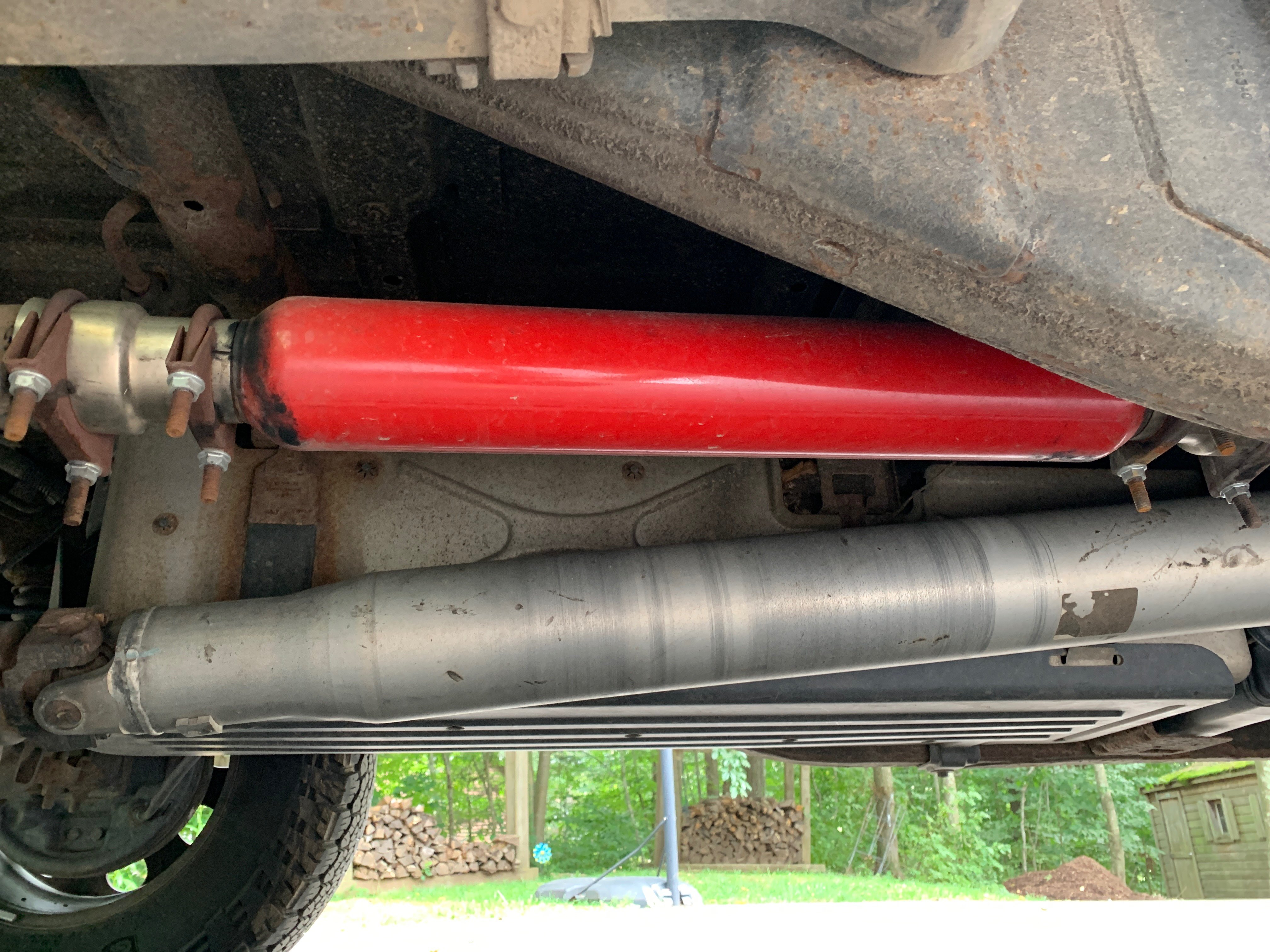
Credit: www.americantrucks.com
Legal Limits And Noise Regulations
Exhaust systems can make vehicles louder. Laws control how loud they can be. These rules help keep noise at safe levels.
Different places have different limits for noise from exhausts. Knowing these rules is important to avoid fines and problems.
Decibel Restrictions By Region
Each region sets maximum decibel levels for vehicles. These limits protect people from loud noise. Here are some common limits:
| Region | Max Decibel Level | Measurement Distance |
|---|---|---|
| United States | 95 dB | 50 feet |
| European Union | 80-90 dB | 0.5 meters |
| Australia | 85 dB | 0.5 meters |
| Japan | 90 dB | 50 centimeters |
Consequences Of Excessive Noise
Loud exhaust noise can cause many problems. Authorities take noise violations seriously. The penalties include fines and vehicle checks.
- Fines that increase with repeated offenses
- Vehicle inspection failures
- Forced removal or replacement of loud exhaust parts
- Possible court appearances
- Negative impact on community relations
Installation And Maintenance Tips
The loudest exhaust system adds strong sound and power to your vehicle. Proper installation and care keep it working well. This guide helps you with easy tips.
Follow safe steps for installing and cleaning your exhaust. This keeps your car safe and the sound clear. Read on for advice on installation and maintenance.
Professional Vs Diy Installation
Choosing between a professional or doing it yourself depends on skill and tools. A loud exhaust needs correct fitting to avoid leaks and damage.
- Professional Installation:Experts use special tools and know safety rules. They ensure the exhaust fits perfectly and works well.
- DIY Installation:Save money by installing yourself if you have tools and follow instructions carefully. Make sure to check all bolts and seals.
- Safety Tip:Always work on a cooled engine and use jack stands if lifting the car.
Regular Inspection And Cleaning
Keep your loud exhaust system in top shape by checking it often. Dirt and rust can reduce sound quality and cause damage.
| Task | Frequency | Details |
| Visual Inspection | Monthly | Look for cracks, holes, or loose parts |
| Cleaning | Every 3 Months | Remove dirt and debris from pipes and muffler |
| Check Mounts | Every 6 Months | Ensure brackets and hangers are tight and not broken |
| Rust Treatment | As Needed | Apply rust remover or paint to prevent corrosion |
Impact On Performance And Fuel Economy
The loudest exhaust systems change how a car sounds and works. They affect engine power and fuel use. Knowing these effects helps drivers choose the right exhaust.
Exhaust noise comes from how air flows out of the engine. Loud systems usually have less restriction, which changes engine performance and fuel needs.
Power Gains
Loud exhausts often reduce back pressure, letting exhaust gases exit faster. This can help the engine breathe better and make more power.
Some loud systems add small power gains, mainly at high engine speeds. But gains depend on the car and exhaust design.
- Less back pressure improves exhaust flow
- Better flow can increase horsepower slightly
- Power gains are usually small on street cars
Fuel Consumption Changes
Loud exhaust systems can affect fuel use in different ways. Reduced back pressure might help the engine run more efficiently.
Still, louder exhausts may encourage aggressive driving, which raises fuel consumption. Also, some systems change engine tuning, affecting mileage.
- Improved flow can slightly lower fuel use
- Loud noise might lead to harder driving habits
- Engine tuning changes can raise or lower mileage
Frequently Asked Questions
What Defines The Loudest Exhaust System?
The loudest exhaust system has minimal sound dampening. It uses larger pipes and straight-through mufflers to maximize noise. Materials like stainless steel amplify sound. This design produces deep, aggressive exhaust notes noticeable even from a distance.
Are Loud Exhaust Systems Street Legal?
Street legality depends on local noise regulations. Many places set decibel limits for vehicle exhausts. Loud systems often exceed these limits, risking fines. Always check local laws before installing a loud exhaust system to ensure compliance and avoid penalties.
How Do Loud Exhausts Affect Vehicle Performance?
Loud exhausts can improve engine breathing and power. Reduced backpressure allows exhaust gases to exit faster. However, overly loud systems may reduce low-end torque. Proper tuning is essential to balance noise with optimal performance.
Can Loud Exhaust Systems Damage My Car?
Incorrectly installed loud exhausts can cause issues. Excessive noise may indicate backpressure problems, harming engine components. Vibrations from heavy systems can loosen parts. Choosing quality components and professional installation reduces risks.
Conclusion
Choosing the loudest exhaust system depends on your needs and local laws. Loud exhausts offer a bold sound and style for vehicles. Remember, extreme noise can disturb others and may break rules. Think about balance: loudness, quality, and comfort. The right system gives power and a unique sound.
Explore options carefully before making a choice. Your car’s voice can be loud, clear, and legal too.