Have you ever wondered what keeps your vehicle running smoothly every time you turn the key? The answer lies in a crucial part of your car that you might not think about often—the fuel system.
Understanding the main function of the fuel system is key to knowing how your engine gets the power it needs to move you forward. You’ll discover exactly what this system does and why it’s so important for your vehicle’s performance.
Keep reading, and you’ll gain insights that can help you take better care of your car and avoid costly problems down the road.
Fuel System Basics
The fuel system delivers fuel to the engine to make it run. It controls the flow and mixture of fuel for good engine performance.
This system helps the engine start, run smoothly, and use fuel efficiently. It plays a key role in vehicle operation.
Key Components
The fuel system has several important parts that work together. Each part has a specific job to keep fuel flowing properly.
- Fuel Tank:Stores the fuel safely until needed.
- Fuel Pump:Moves fuel from the tank to the engine.
- Fuel Filter:Removes dirt and debris from the fuel.
- Fuel Injectors or Carburetor:Controls fuel delivery to the engine.
- Fuel Lines:Carry fuel between components.
Types Of Fuel Systems
There are different types of fuel systems used in vehicles. Each type delivers fuel in a unique way.
- Carbureted Fuel System:Mixes fuel and air before sending it to the engine.
- Fuel Injection System:Sprays fuel directly into the engine for better control.
- Direct Injection System:Injects fuel directly into the combustion chamber.

Credit: www.trucksales.com.au
Fuel Delivery Process
The fuel system moves fuel from the tank to the engine. It makes sure the engine gets the right amount of fuel.
This process helps the engine run smoothly and use fuel efficiently. The system has key parts that work together.
Fuel Storage And Pumping
Fuel is stored in a tank before use. The tank keeps fuel safe and ready for the engine.
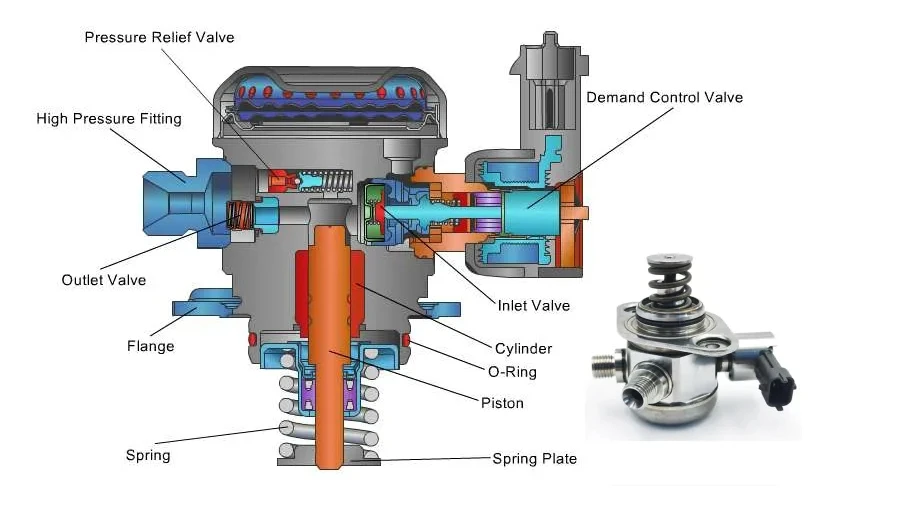
A fuel pump moves fuel from the tank to the engine. It creates pressure to push fuel through the system.
- Fuel tank holds the fuel
- Fuel pump moves fuel under pressure
- Fuel lines carry fuel to the engine
Fuel Filtration
Fuel filtration removes dirt and particles from the fuel. Clean fuel protects the engine parts.
Filters are placed between the tank and engine. They catch harmful debris before fuel reaches the engine.
- Protects fuel injectors and engine parts
- Prevents clogging and damage
- Needs regular checking and replacement
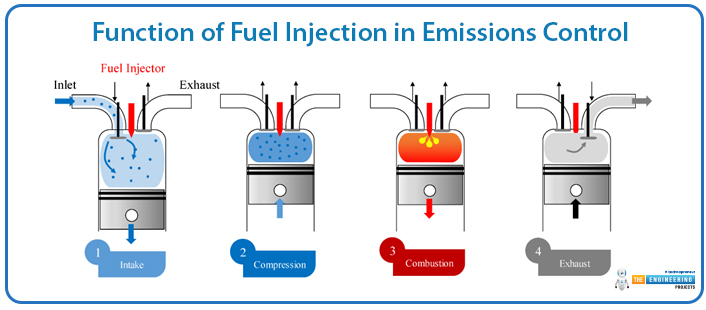
Fuel Injection Mechanism
Fuel injectors spray fuel into the engine’s combustion chamber. They control the amount and timing of fuel delivery.
This process helps the engine burn fuel efficiently. It improves engine power and reduces emissions.
- Injectors spray fuel in fine droplets
- Fuel mixes with air for combustion
- Controlled by the engine’s computer system
Role In Engine Performance
The fuel system delivers fuel to the engine for combustion. It plays a key role in engine performance.
A well-functioning fuel system keeps the engine running smoothly and efficiently.
Fuel-air Mixture Control
The fuel system controls the mix of fuel and air entering the engine. This mix must be just right for good combustion.
If the mixture is too rich or too lean, the engine will not perform well and may stall or lose power.
Impact On Efficiency
The fuel system affects how much fuel the engine uses. Proper fuel delivery saves fuel and reduces waste.
Efficient fuel use means the engine gets the energy it needs without using extra fuel.
- Correct fuel flow improves miles per gallon
- Prevents fuel wastage and saves money
- Maintains engine power with less fuel
Emission Control
The fuel system helps lower harmful gases released by the engine. It controls how fuel burns inside the engine.
Proper fuel-air mix reduces smoke, carbon monoxide, and other pollutants.
Common Fuel System Issues
The fuel system in a vehicle delivers fuel to the engine for combustion. It plays a key role in engine performance and efficiency. Problems in the fuel system can cause many issues.
Understanding signs, causes, and maintenance of fuel system problems helps avoid costly repairs. It also keeps the vehicle running smoothly.
Signs Of Fuel System Problems
Recognizing the signs early can prevent further damage. Common signs include:
- Engine misfires or runs rough
- Difficulty starting the engine
- Reduced fuel efficiency
- Stalling during driving
- Strong fuel odor near the vehicle
Causes Of Malfunctions
Fuel system problems happen for several reasons. Some common causes are:
| Cause | Description |
| Clogged Fuel Filter | Blocks fuel flow to the engine |
| Faulty Fuel Pump | Fails to deliver fuel at correct pressure |
| Dirty Fuel Injectors | Prevents proper fuel spray |
| Leaking Fuel Lines | Causes fuel loss and odors |
| Bad Fuel Quality | Contains contaminants that harm system parts |
Maintenance Tips
Proper care helps avoid fuel system problems. Follow these tips:
- Use clean, high-quality fuel to prevent clogs.
- Replace fuel filters regularly as per the manual.
- Keep fuel injectors clean with additives or professional service.
- Check fuel lines for leaks or damage.
- Have the fuel pump tested if you notice performance issues.
Advancements In Fuel Systems
The fuel system is important for running engines. It moves fuel from the tank to the engine.
Fuel systems have improved a lot over time. These changes help engines use fuel better.
Electronic Fuel Injection
Electronic fuel injection (EFI) uses computers to control fuel delivery. It replaces old carburetors.
EFI helps engines run more smoothly and use less fuel. It also lowers harmful emissions.
- Precise fuel control
- Better engine start
- Improved fuel efficiency
- Lower pollution
Alternative Fuel Technologies
New fuel systems use alternative fuels like electricity, hydrogen, or biofuels. These are cleaner than gasoline.
These technologies reduce dependence on fossil fuels and cut pollution from engines.
- Electric fuel cells
- Hydrogen fuel systems
- Biofuel-compatible engines
- Hybrid fuel systems
Future Trends
Fuel systems will use more smart technology and sensors. This will make engines even more efficient.
We expect more use of clean fuels and advanced controls to reduce waste and pollution.
- AI-based fuel management
- Increased use of electric and hydrogen
- Better fuel recycling methods
- Integration with smart vehicles
Credit: www.alibaba.com

Credit: blueskynewenergy.com
Frequently Asked Questions
What Is The Primary Role Of A Fuel System?
The main function of a fuel system is to store and supply fuel efficiently. It delivers fuel to the engine for combustion. This ensures the engine runs smoothly and produces power.
How Does The Fuel System Improve Engine Performance?
A fuel system regulates fuel flow and pressure precisely. It ensures the right fuel-air mixture for combustion. This improves engine efficiency and reduces emissions.
What Components Make Up A Fuel System?
A fuel system includes the fuel tank, pump, filter, and injectors. Each part works together to deliver clean fuel to the engine. Proper maintenance keeps the system functioning well.
Why Is Fuel System Maintenance Important?
Maintaining the fuel system prevents clogging and fuel contamination. It ensures consistent fuel flow and prevents engine damage. Regular checks improve fuel efficiency and vehicle longevity.
Conclusion
The fuel system plays a key role in engine performance. It delivers fuel safely and efficiently. Without it, the engine cannot work properly. Clean fuel and good maintenance keep the system healthy. Understanding its function helps you care for your vehicle better.
A well-functioning fuel system saves fuel and reduces pollution. Always check your fuel system regularly for issues. This simple step protects your engine and your wallet. The fuel system truly keeps your vehicle moving smoothly.