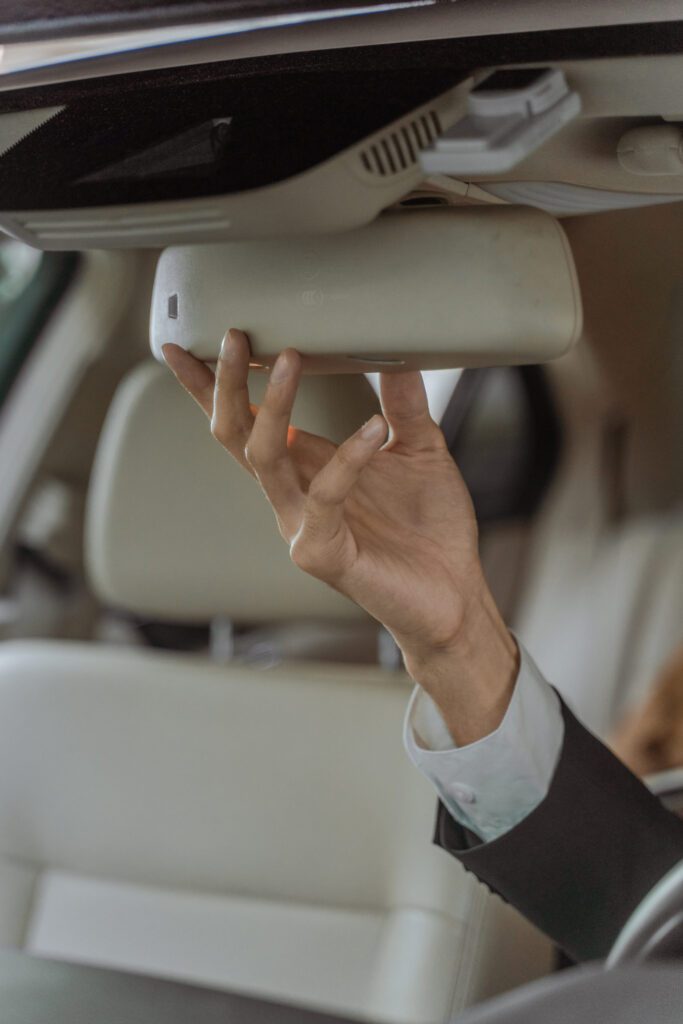
Have you ever looked at your car’s mirror and wondered what it’s really called? You use it every day, but do you truly know its name and purpose?
Understanding the different mirrors in your car can make your driving safer and easier. Keep reading, and you’ll discover what each mirror is called and why it matters to your driving experience. This simple knowledge could change the way you see the road ahead.
Types Of Car Mirrors
Car mirrors help drivers see areas around the vehicle. They improve safety by reducing blind spots.
There are several types of car mirrors. Each type has a specific purpose and location on the car.
Rearview Mirrors
Rearview mirrors are mounted inside the car, usually on the windshield. They show the area behind the car.
These mirrors are important for changing lanes and reversing safely.
Side Mirrors
Side mirrors are fixed on the left and right sides of the car. They help drivers see beside and behind the vehicle.
- Left side mirror
- Right side mirror
- Adjustable to reduce blind spots
- Can be heated to clear fog or ice
Interior Mirrors
Interior mirrors include the main rearview mirror and sometimes additional mirrors. They are inside the car cabin.
| Mirror Type | Purpose |
| Main Rearview Mirror | Shows rear view through back window |
| Passenger Side Interior Mirror | Helps passengers see outside |
| Sun Visor Mirror | Used for checking appearance |
Specialty Mirrors
Specialty mirrors include blind spot mirrors and towing mirrors. They offer extra views to improve safety.
Examples of specialty mirrors:
- Blind spot mirrors: small, round mirrors added to side mirrors.
- Towing mirrors: extend out for better view when towing trailers.
- Wide-angle mirrors: give a broader view to spot nearby vehicles.

Credit: www.tomorrowstechnician.com
Functions Of Each Mirror
Mirrors in a car help drivers see areas around the vehicle. They improve safety and help with driving tasks.
Each mirror has a specific job. Knowing what each mirror does helps drivers use them correctly.
Rearview Mirror Uses
The rearview mirror shows the area behind the car through the back window. Drivers use it to check traffic and change lanes safely.
This mirror also helps when reversing and parking. It gives a clear view of what is straight behind the vehicle.
Side Mirror Roles
Side mirrors sit outside the car on both doors. They show the sides and rear areas that the rearview mirror cannot cover.
- Check for cars in adjacent lanes
- Help during lane changes and turns
- Assist with parking near curbs
- Show pedestrians or cyclists beside the car
Interior Mirror Benefits
The interior mirror is the same as the rearview mirror but inside the car. It helps monitor the rear window view without moving the head much.
| Benefit | Description |
| Quick rear view | See behind without turning around |
| Night use | Some have a dimming feature to reduce glare |
| Child monitoring | Watch rear passengers or children |
Blind Spot Detection
Blind spots are areas not seen in the rearview or side mirrors. Detecting them reduces accidents.
Many cars have blind spot detection systems. They use sensors to alert drivers if a vehicle is in these hidden zones.
This feature warns with lights or sounds. Drivers then check mirrors and blind spots before changing lanes.
Mirror Adjustments And Features
Car mirrors help drivers see areas behind and to the sides. They improve safety by reducing blind spots. Different types of mirrors offer various features and ways to adjust them.
This guide explains common mirror adjustments and features found in cars today.
Manual Vs. Power Adjustments
Mirrors can be adjusted manually or by power controls. Manual mirrors require physical movement by hand. Power mirrors move using switches inside the car.
- Manual Adjustments:You move the mirror by hand to change its angle.
- Power Adjustments:Use buttons or joysticks to control mirror position.
- Memory Settings:Some power mirrors save positions for different drivers.
Heated Mirrors
Heated mirrors help clear fog, frost, and ice quickly. They have a small heating element inside the glass. This feature improves visibility in cold weather.
Auto-dimming Technology
Auto-dimming mirrors reduce glare from headlights behind you. Sensors detect bright light and darken the mirror surface. This helps reduce eye strain during night driving.
Integrated Turn Signals
Some mirrors have built-in turn signal lights. These signals flash when you use your turn indicators. They improve safety by making your intentions clear to other drivers.
| Feature | Benefit |
| Manual Adjustment | Simple and low cost |
| Power Adjustment | Easy to adjust from inside car |
| Heated Mirrors | Clears ice and fog quickly |
| Auto-Dimming | Reduces glare at night |
| Integrated Turn Signals | Improves visibility to others |
Safety Importance Of Car Mirrors
Car mirrors help drivers see what is behind and beside them. They are key for safe driving. Without mirrors, drivers can miss important views.
Mirrors in a car include the rearview mirror and side mirrors. These mirrors reduce accidents by giving a wider view of the road.
Reducing Blind Spots
Blind spots are areas a driver cannot see without help. Car mirrors help reduce these spots. They show areas behind and beside the car.
Adjusting mirrors correctly can lower the risk of accidents. It lets drivers see other vehicles or obstacles in blind spots.
- Side mirrors cover the sides of the car
- The rearview mirror shows behind the car
- Extra mirrors or sensors may help in bigger vehicles
Enhancing Driver Awareness
Mirrors give drivers real-time views. This helps them make better decisions on the road. Drivers can see traffic and pedestrians easily.
Good use of mirrors supports safe lane changes and parking. They also help in spotting emergency vehicles quickly.
- Check mirrors regularly while driving
- Use mirrors before turning or changing lanes
- Stay alert to changes seen in mirrors
Legal Requirements
Most countries require cars to have specific mirrors. Usually, a rearview mirror and two side mirrors are mandatory. These rules keep roads safer.
Drivers must keep mirrors clean and adjusted. Law enforcement may check mirror conditions during inspections.
- Rearview mirror must provide a clear view behind
- Side mirrors must cover blind spots on both sides
- Removing or damaging mirrors can lead to fines
Maintaining And Replacing Mirrors
The mirror in a car is called a rearview or side mirror. These mirrors help drivers see behind and beside their vehicle. Keeping them clean and in good shape is important for safety.
Mirrors can get dirty, scratched, or broken. Regular care can extend their life. Sometimes, you need to replace or upgrade them for better visibility.
Cleaning Tips
Cleaning your car mirrors regularly keeps your view clear. Use soft cloths and gentle cleaners to avoid scratches.
- Use a microfiber cloth to wipe the mirror surface.
- Apply a mild glass cleaner or soapy water.
- Avoid harsh chemicals that can damage mirror coatings.
- Dry the mirror completely to prevent water spots.
- Clean the mirror edges and housing too.
Common Issues
Mirrors may have problems that affect their function. Some common issues include cracks, fogging, and loose mounts.
| Issue | Cause | Effect |
| Cracks or chips | Impact or accident | Distorted view |
| Fogging | Humidity or temperature changes | Reduced visibility |
| Loose mirror | Worn mounts or bolts | Mirror moves or shakes |
| Scratches | Abrasive cleaning or debris | Blurry reflection |
Replacement Options
You can replace mirrors yourself or get professional help. Choose the right mirror type for your car model.
- Identify the mirror type: side or rearview.
- Buy a mirror that fits your car make and year.
- Remove the damaged mirror carefully.
- Attach the new mirror securely in place.
- Test the mirror adjustment and stability.
Upgrading Mirrors
Upgrading mirrors can add safety and convenience. Some upgrades include heated glass, electric adjustment, and blind spot detection.
| Upgrade Feature | Benefit |
|---|---|
| Heated mirrors | Clear ice and fog quickly |
| Electric adjustment | Adjust mirror from inside car |
| Blind spot detection | Warns about vehicles in blind spots |
| Auto-dimming | Reduces glare from headlights |

Credit: www.amazon.in

Credit: mrmrsenglish.com
Frequently Asked Questions
What Is The Main Mirror Called In A Car?
The main mirror inside a car is called the rearview mirror. It helps drivers see traffic behind without turning their heads.
What Are The Side Mirrors On A Car Called?
Side mirrors are called wing mirrors or side-view mirrors. They assist in viewing the sides and blind spots while driving.
Why Are Car Mirrors Important For Safety?
Car mirrors improve visibility, helping drivers avoid collisions. They reduce blind spots and allow safe lane changes and reversing.
How Do Adjustable Car Mirrors Work?
Adjustable mirrors can be moved manually or electronically. This customization ensures drivers get the best rear and side views.
Conclusion
Understanding car mirrors is important for safe driving. These mirrors help you see behind and beside your car. They include the rearview and side mirrors. Each mirror serves a unique purpose. Knowing how to adjust them can prevent accidents. Always check your mirrors before moving or changing lanes.
Keep them clean for the best view. A clean mirror helps you drive safely. Remember, mirrors are your eyes on the road. Stay alert, and use them well. Safe driving depends on how well you use your car mirrors. Keep practicing, and you’ll get better every day.