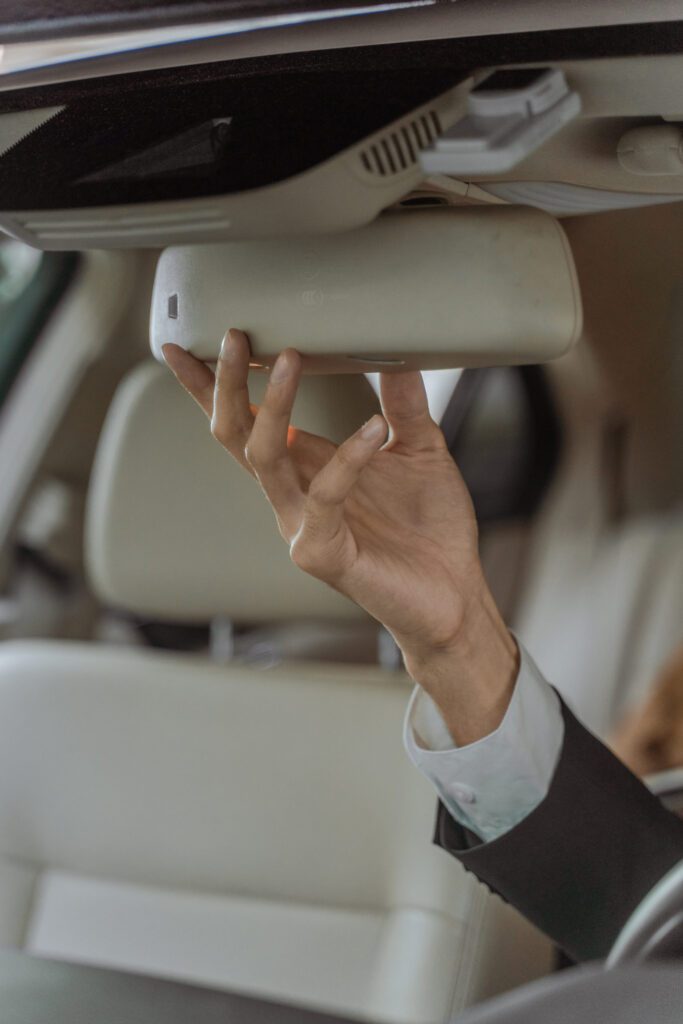
Have you ever wondered what the mirror inside your car is called and why it’s so important? That small mirror right above your dashboard does a lot more than just show you your reflection.
It helps keep you safe, lets you see what’s behind you, and makes driving easier. If you’ve ever been curious about its name, purpose, or how it works, you’re in the right place. Keep reading to discover everything you need to know about this simple yet powerful part of your car.

Credit: mrmrsenglish.com
Types Of Car Mirrors
Car mirrors help drivers see areas around the vehicle. They improve safety while driving.
There are different types of mirrors inside and outside a car. Each mirror serves a special purpose.
Rearview Mirror
The rearview mirror is inside the car, mounted on the windshield. It shows the area behind the car.
This mirror helps drivers see cars coming from the back. It is useful for safe lane changes and reversing.
Side Mirrors
Side mirrors are on the left and right sides of the car. They show the areas beside and behind the vehicle.
Drivers use side mirrors to check traffic and avoid collisions. They help with parking and changing lanes safely.
Blind Spot Mirrors
Blind spot mirrors are small mirrors added to side mirrors. They show areas not visible in the main mirrors.
These mirrors reduce blind spots and help drivers see hidden cars. They increase safety on busy roads.

Credit: www.freepik.com
Functions Of The Interior Mirror
The interior mirror inside a car is also called the rearview mirror. It helps the driver see what is behind the vehicle. This mirror is important for driving safely and making good decisions on the road.
This article explains the main functions of the interior mirror. We will look at how it improves rear visibility, enhances safety, and assists in parking.
Improving Rear Visibility
The interior mirror shows the driver the area behind the car. It covers the blind spot that the rear window alone cannot show. This helps the driver keep track of other vehicles and obstacles.
- Allows the driver to see traffic behind
- Helps check for fast-approaching vehicles
- Shows the location of other cars in the same lane
- Improves awareness of surroundings
Enhancing Safety
The interior mirror adds safety by reducing the risk of accidents. Drivers can quickly glance at it to make safe lane changes or turns. It also helps monitor passengers inside the car.
| Safety Feature | Benefit |
| Lane change monitoring | Prevents collisions with other cars |
| Night mode | Reduces glare from headlights |
| Passenger view | Keeps driver aware of rear seat activity |
Assisting In Parking
The interior mirror helps drivers park by giving a clear view of the space behind. It works with side mirrors and rear cameras for better judgment. Drivers can avoid hitting objects or other cars.
- Helps judge distance from obstacles
- Shows other parked cars and pedestrians
- Improves control during reverse parking
- Supports safe parallel parking
Features Of Modern Interior Mirrors
The mirror inside the car is called the interior rearview mirror. It helps drivers see what is behind them. Modern mirrors have many new features to improve safety and comfort.
These features include technology that adjusts the mirror, displays information, and even cameras for better views. Let’s look at some common features in today’s interior mirrors.
Auto-dimming Technology
Auto-dimming mirrors reduce glare from headlights behind you. A sensor detects bright lights and darkens the mirror automatically. This helps reduce eye strain and makes night driving safer.
This technology works by using light sensors and special glass layers. It adjusts the mirror without any buttons or manual effort from the driver.
Integrated Displays
Some interior mirrors have built-in displays. These displays can show important information like compass direction, temperature, or backup camera views. They keep the driver informed without looking away from the road.
- Compass direction
- Outside temperature
- Backup camera feed
- Garage door opener controls
Built-in Cameras
Built-in cameras in mirrors help improve visibility. They can show blind spots or record the road. Some cameras connect to the car’s safety system to warn about hazards.
| Camera Type | Function | Benefit |
| Blind Spot Camera | Shows side blind spots | Helps avoid collisions |
| Rearview Camera | Displays behind the car | Makes parking easier |
| Dash Camera | Records road and driver | Provides evidence in accidents |
How To Adjust The Interior Mirror
The mirror inside the car is called the interior rearview mirror. It helps drivers see behind them. Adjusting it correctly improves safety.
This guide shows how to adjust the mirror for a clear view. You can adjust it manually or electronically, depending on your car.
Manual Adjustment Tips
Most cars have a manual interior mirror. You can move it by hand to find the best angle. Adjust it so you see the whole rear window.
Check the mirror position before you start driving. Make small movements until the view is clear and centered.
- Hold the mirror frame gently to avoid damage
- Tilt the mirror up or down to see the rear window fully
- Move the mirror left or right to center the view
- Adjust to reduce glare from headlights at night
Electronic Adjustment Methods
Some cars have electronic interior mirrors. Use buttons or switches to adjust the mirror angle. This is easier and more precise than manual adjustment.
The controls are usually on the mirror base or near the driver’s seat. Use small movements to get the right view behind your car.
- Locate the adjustment switch or joystick
- Press or move the control slowly
- Watch the mirror move and stop at the desired angle
- Use the auto-dimming feature if available to reduce glare
Common Issues With Interior Mirrors
The mirror inside the car is called the interior rearview mirror. It helps drivers see behind them. This mirror can have some common problems.
Issues with the interior mirror affect safety and comfort. Knowing these problems helps you fix them quickly.
Fogging And Glare
Fogging happens when moisture builds on the mirror surface. It makes the mirror hard to see through. Glare comes from bright lights behind the car. It can blind the driver at night.
Both fogging and glare reduce visibility. They can cause dangerous driving conditions.
- Use anti-fog sprays to prevent moisture build-up.
- Adjust the mirror to reduce glare from headlights.
- Many mirrors have a night mode to lower glare.
Loose Or Broken Mirrors
A loose mirror can move while driving. A broken mirror may crack or fall off. Both are unsafe and need quick repair.
Loose mirrors often result from worn mounts or bad glue. Broken mirrors happen from impacts or accidents.
- Check the mirror mount for tightness regularly.
- Replace cracked mirrors immediately.
- Use proper adhesive to fix loose mirrors.
Calibration Problems
Some modern interior mirrors have built-in cameras or sensors. These need correct calibration to work well. Wrong calibration can cause errors in camera images or sensor alerts.
Calibration problems may cause false warnings or poor image quality. This affects safety features like lane assist or rearview cameras.
- Have your mirror sensors calibrated by a professional.
- Follow the car manual instructions for calibration.
- Calibration may need special tools or software.

Credit: www.amazon.ca
Replacing And Upgrading Interior Mirrors
The mirror inside the car is called the rearview mirror. It helps drivers see behind without turning around. Over time, this mirror can get damaged or outdated.
Replacing and upgrading the interior mirror can improve safety and add new features. This guide explains how to choose, install, and upgrade your car’s mirror.
Choosing The Right Replacement
Pick a replacement mirror that fits your car model. Some mirrors attach to the windshield, others clip to the roof. Size and shape also matter for clear visibility.
Look for mirrors made from strong materials. Glass with anti-glare features helps reduce eye strain during night driving.
- Match the mounting style with your car
- Choose the right size for your view
- Pick anti-glare or dimming glass if possible
- Check the mirror’s build quality
Installation Process
Installing a rearview mirror is usually simple. Clean the windshield or mounting area first. Remove the old mirror carefully to avoid damage.
Attach the new mirror using the included hardware or adhesive. Make sure it is secure and positioned for the best view. Test the mirror’s stability before driving.
- Clean the surface well
- Remove the old mirror carefully
- Follow the new mirror’s instructions
- Secure the mirror tightly
- Adjust for clear rear vision
Upgrading For Advanced Features
Newer interior mirrors have extra features. Some have built-in cameras or displays. Others offer auto-dimming or compass functions.
Consider upgrading if you want better safety and convenience. These mirrors can connect to your car’s system or smartphone.
- Auto-dimming to reduce glare
- Built-in rear cameras or screens
- Temperature and compass display
- Bluetooth or smartphone integration
Frequently Asked Questions
What Is The Name Of The Mirror Inside A Car?
The mirror inside a car is called the rearview mirror. It helps drivers see the area behind the vehicle while driving.
Why Is The Rearview Mirror Important In Cars?
The rearview mirror enhances safety by allowing drivers to monitor traffic behind. It reduces blind spots and assists in safe lane changes.
How Do Auto-dimming Rearview Mirrors Work?
Auto-dimming mirrors use sensors to detect bright lights. They adjust the mirror’s reflection to reduce glare from headlights at night.
Where Is The Rearview Mirror Located In A Car?
The rearview mirror is mounted inside the car, usually at the top center of the windshield. It provides a clear view of the road behind.
Conclusion
Understanding the car’s interior mirror is important for safe driving. This mirror helps you see behind without turning your head. It’s called the rearview mirror. A simple tool, yet essential for every driver. Adjust it properly for a clear view.
Stay aware of your surroundings. Safe driving depends on good mirror use. Knowing its function boosts your confidence on the road. So, next time you drive, remember its role. Keep it clean and well-adjusted. It makes a big difference. Your driving experience will improve.
Stay safe and enjoy your journey.