Are you tired of sky-high electricity bills and a home that never feels quite cool enough? Finding the most efficient air conditioner can change all that.
Imagine staying comfortable during the hottest days while saving money and reducing energy waste. You’ll discover exactly what makes an air conditioner efficient and how to choose the best one for your needs. Keep reading—you’re about to unlock the secret to a cooler, smarter home.
Credit: www.forbes.com
Types Of Air Conditioners
Air conditioners come in different types to suit various needs. Choosing the right type helps save energy and money.
This guide explains the main types of air conditioners and their features.
Window Units
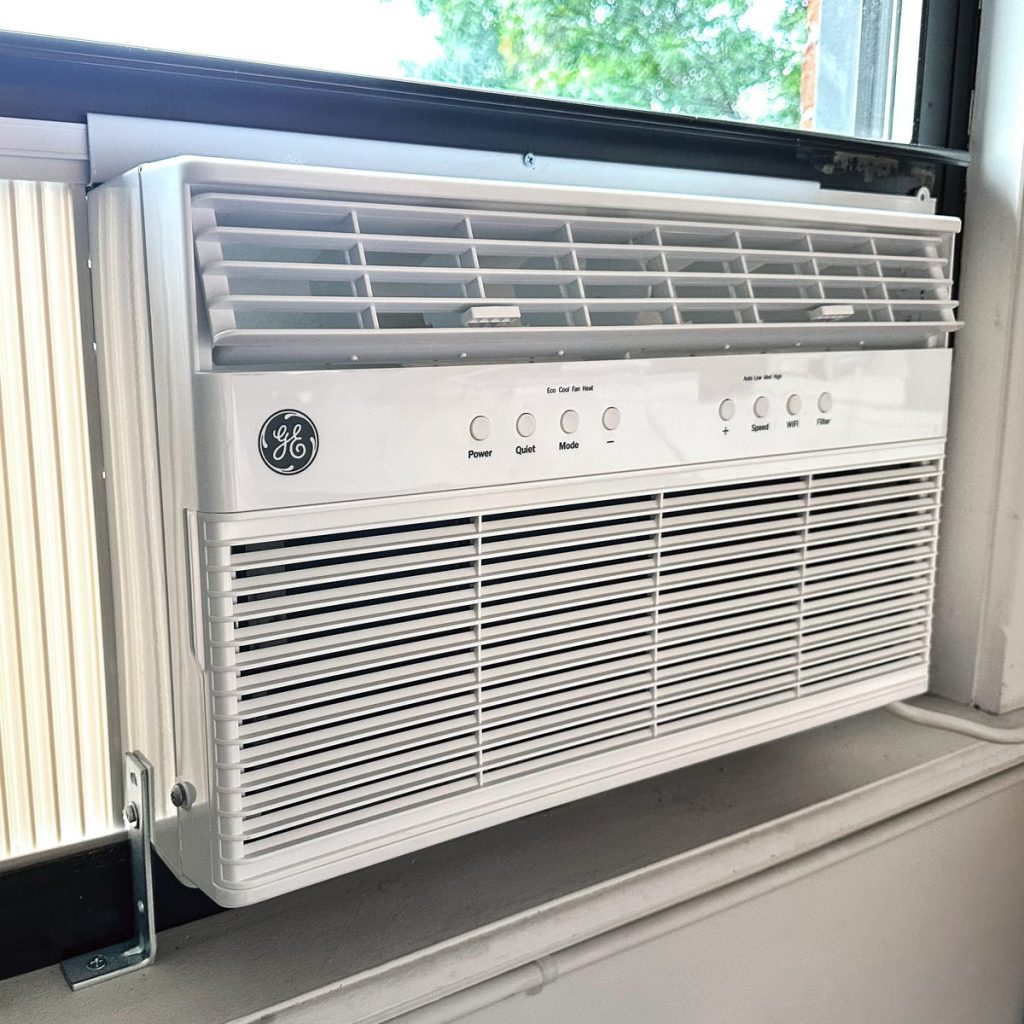
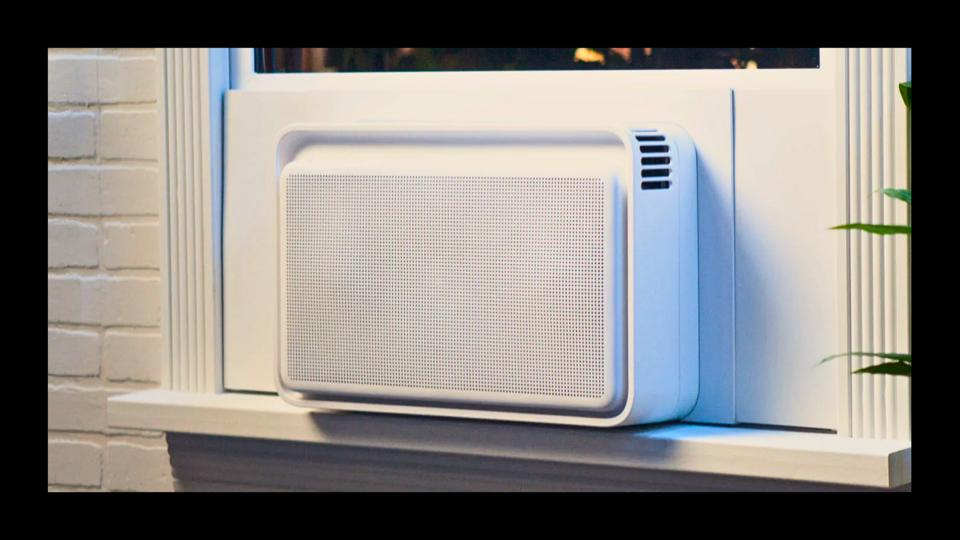
Window units are small air conditioners that fit in a window. They cool one room at a time.
They are easy to install and usually cost less than other types. They work best for small spaces.
- Good for single rooms
- Simple to install
- Affordable price
- Can be noisy
Split Systems
Split systems have two parts: one inside and one outside. The outside unit removes heat from the air.
These systems cool rooms quietly and efficiently. They can cool one or more rooms depending on the model.
- Quiet operation
- Energy efficient
- Good for multiple rooms
- Needs professional installation
Portable Air Conditioners
Portable air conditioners can be moved from room to room. They need a window vent to release hot air outside.
These units are flexible but less efficient than other types. They work well for temporary cooling needs.
- Easy to move
- No permanent installation
- Lower efficiency
- Works best for small areas
Central Air Conditioning
Central air conditioning cools the whole house through ducts. It uses one large unit outside.
This type is very efficient for cooling many rooms. It keeps air even and comfortable throughout the home.
- Cools entire home
- High energy efficiency
- Needs ductwork installation
- More expensive upfront
Energy Efficiency Ratings
Choosing the most efficient air conditioner depends on understanding energy ratings. These ratings help you find models that save power and lower costs.
Energy ratings measure how well an air conditioner uses electricity while keeping your space cool. Knowing these ratings helps you pick the right unit.
Seer And Eer Explained
SEER stands for Seasonal Energy Efficiency Ratio. It shows cooling efficiency over a cooling season. A higher SEER means better energy use.
EER means Energy Efficiency Ratio. It measures efficiency at a specific temperature. EER is useful for very hot days.
- SEER:Average efficiency for the whole season
- EER:Efficiency at peak temperature
- Both ratings help compare air conditioners
Energy Star Certification
Energy Star is a label for products that meet strict energy rules. Air conditioners with this mark use less energy.
These units help reduce power bills and protect the environment. Look for the Energy Star logo when shopping for an air conditioner.
How To Compare Ratings
| Rating Type | What It Measures | Good Value |
|---|---|---|
| SEER | Seasonal cooling efficiency | 14 or higher |
| EER | Efficiency at peak heat | 11 or higher |
| Energy Star | Meets strict energy standards | Certified |
Compare SEER and EER numbers and check for Energy Star labels. Choose units with high numbers and certification for best savings.
Key Features For Energy Savings
Choosing an air conditioner with energy-saving features helps reduce electricity bills. Efficient models use less power and work smarter.
Understanding key features can guide you to pick the most efficient air conditioner for your needs.
Inverter Technology
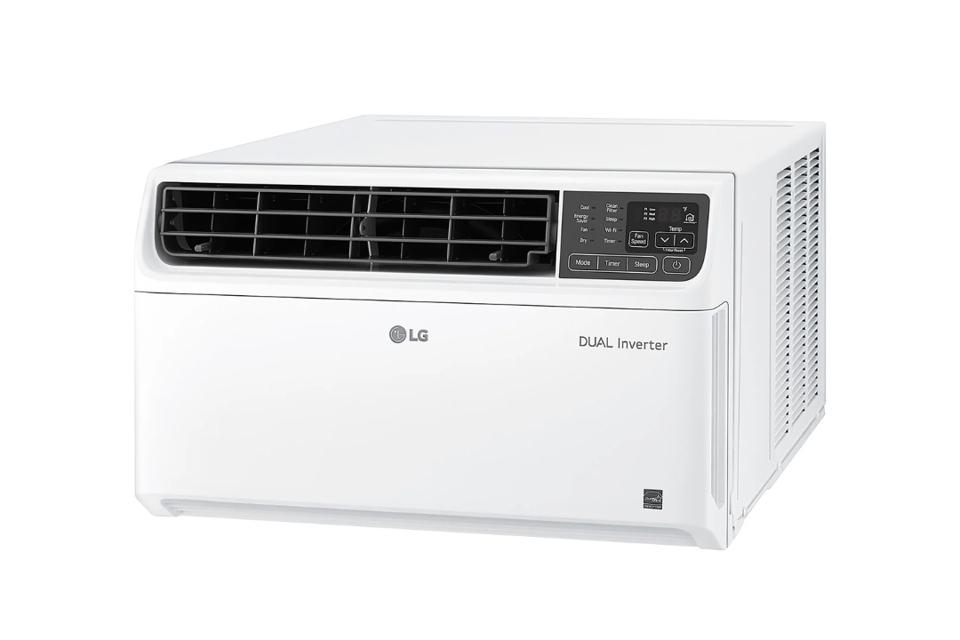
Inverter technology adjusts the compressor speed to keep the temperature steady. It does not turn the compressor on and off repeatedly.
This saves energy by avoiding high power use during startup and maintains comfort efficiently.
- Runs compressor at variable speeds
- Maintains steady room temperature
- Uses less electricity than traditional ACs
Programmable Thermostats
Programmable thermostats let you set specific temperatures for different times. This avoids cooling when it is not needed.
You can schedule the air conditioner to turn off or reduce power when you are away or asleep.
- Set cooling schedules
- Reduce energy use during off-hours
- Improve comfort with custom settings
Eco Modes
Eco modes limit power consumption by adjusting cooling performance. The air conditioner runs at lower energy levels.
This mode balances comfort and savings by reducing energy use without turning off the unit completely.
- Reduces compressor speed
- Limits fan speed
- Saves energy during mild weather
Smart Connectivity
Smart air conditioners connect to Wi-Fi for remote control. You can change settings using a smartphone app.
This feature helps you control the AC from anywhere, preventing unnecessary cooling and saving energy.
- Remote control via app
- Set timers and schedules easily
- Receive energy usage reports
Sizing Your Air Conditioner
Choosing the right size air conditioner is important for comfort and energy savings. A properly sized unit cools your space well without wasting power.
Too small or too large air conditioners can cause problems. Understanding how to size your AC helps keep your home cool and efficient.
Calculating Cooling Load
Cooling load is the amount of cooling needed to keep a room comfortable. It depends on room size, outside temperature, and heat from appliances and people.
To calculate cooling load, measure the room’s square footage and multiply by a cooling factor. This helps find the right air conditioner capacity in BTUs.
- Measure room length and width
- Calculate area in square feet
- Multiply area by 20 to 30 BTU per square foot
- Adjust for sun exposure and appliances
Effects Of Oversizing And Undersizing
An oversized air conditioner cools quickly but turns on and off too often. This wastes energy and lowers comfort.
Undersized units run all the time but can’t cool properly. This causes higher electricity bills and uneven temperatures.
- Oversized AC: short cycles, high energy use
- Undersized AC: long run times, poor cooling
- Right size AC: efficient and comfortable
Room Insulation And Ventilation
Good insulation keeps cool air inside and hot air out. Poor insulation makes your AC work harder and use more energy.
Proper ventilation helps remove heat and moisture from your home. It improves air quality and supports your air conditioner’s performance.
- Use insulation in walls and attic
- Seal doors and windows to prevent leaks
- Ensure vents allow fresh air flow
- Use fans to aid air circulation
Installation Tips For Efficiency
Choosing the most efficient air conditioner is important. Proper installation helps the unit work well and saves energy.
Good installation makes your air conditioner last longer and keeps your home comfortable.
Optimal Placement
Place the air conditioner in a shaded spot. Avoid direct sunlight to reduce cooling load.
Keep the unit away from heat sources and obstacles. This helps air flow freely and cool better.
- Install outdoor units in shaded areas
- Keep indoor units away from windows with direct sun
- Allow space around the unit for air circulation
Sealing And Insulating Ducts
Seal all duct connections tightly. Leaks cause loss of cooled air and waste energy.
Insulate ducts in unconditioned spaces. This keeps air temperature steady and reduces energy use.
- Use mastic or metal tape for sealing ducts
- Wrap ducts with insulation sleeves or blankets
- Check ducts regularly for holes or gaps
Regular Maintenance
Clean or replace filters every month during use. Dirty filters reduce airflow and efficiency.
Check coils and remove dust or debris. Clean coils help the unit cool better and last longer.
- Inspect filters monthly and clean or change them
- Clean evaporator and condenser coils yearly
- Schedule professional tune-ups annually
Cost Vs. Savings Analysis
Choosing the most efficient air conditioner depends on balancing the initial cost and future savings. A good unit saves money over time by using less energy.
We will look at three areas: the initial investment, energy bills reduction, and long-term benefits. These help you decide the best option.
Initial Investment
Efficient air conditioners often cost more upfront. This price includes advanced technology and better materials. The higher cost may seem a drawback at first.
- High SEER ratings increase price
- Installation fees may be higher
- Some models need special maintenance tools
- Energy-efficient brands can cost 20-40% more
Energy Bills Reduction
Saving on energy bills is the main benefit of efficient air conditioners. They use less electricity to cool your space. This lowers monthly costs.
| Type | Average Monthly Cost | Energy Use (kWh) |
| Standard AC | $120 | 900 |
| High-Efficiency AC | $80 | 600 |
Long-term Benefits
Efficient air conditioners offer benefits that last many years. They reduce wear and tear and lower repair costs. You save money beyond just energy bills.
- Lower maintenance expenses
- Increased home value
- Better indoor comfort
- Less environmental impact
Alternative Cooling Options
Finding the most efficient air conditioner can be challenging. Alternative cooling options offer ways to cool your space with less energy.
These methods can be more eco-friendly and cost-effective. Let’s explore some popular choices.
Evaporative Coolers
Evaporative coolers use water to cool the air. They work best in dry climates.
- Lower energy use than traditional AC
- Add moisture to dry air
- Simple design and easy to maintain
- Less effective in humid areas
Heat Pumps
Heat pumps can cool and heat your home. They move heat instead of creating it.
| Feature | Benefit |
| Energy efficiency | Uses less electricity than AC |
| Year-round use | Heats in winter, cools in summer |
| Environmentally friendly | Reduces carbon footprint |
| Higher upfront cost | But saves money over time |
Ceiling Fans
Ceiling fans move air to create a cooling effect on skin. They use very little energy.
Ceiling fans have benefits like:
- Lower electricity bills
- Easy installation and use
- Works well with air conditioners
- Good for both summer and winter
Credit: www.forbes.com

Credit: www.independent.co.uk
Frequently Asked Questions
What Defines The Most Efficient Air Conditioner?
The most efficient air conditioner uses less energy to cool a space effectively. It features a high SEER rating, advanced compressor technology, and eco-friendly refrigerants. Efficient models reduce electricity bills and lower environmental impact while maintaining optimal comfort levels indoors.
How To Choose An Energy-efficient Air Conditioner?
Look for units with a SEER rating of 16 or higher. Consider inverter technology and Energy Star certification. Choose the right size for your space to avoid energy waste. Proper installation and maintenance also ensure maximum efficiency and performance.
Are Inverter Air Conditioners More Efficient?
Yes, inverter air conditioners adjust compressor speed to maintain temperature. This reduces energy consumption compared to traditional models that cycle on and off. Inverter technology provides consistent cooling, quieter operation, and lower utility bills, making it a top choice for efficiency.
What Is The Average Seer Rating For Efficient Ac Units?
Efficient air conditioners typically have SEER ratings between 16 and 22. The higher the SEER number, the more energy-efficient the unit is. Choosing a model with a high SEER rating can significantly lower your cooling costs and environmental footprint.
Conclusion
Choosing an efficient air conditioner saves energy and reduces costs. Consider energy ratings and modern features for the best performance. Smaller units often suit single rooms. Larger spaces may need more powerful models. Remember, regular maintenance boosts efficiency. Clean filters and check for leaks often.
This ensures longer life and better cooling. Investing in a good air conditioner improves comfort. It also helps the environment. Make informed choices for your cooling needs. Stay cool and save money with the right unit.