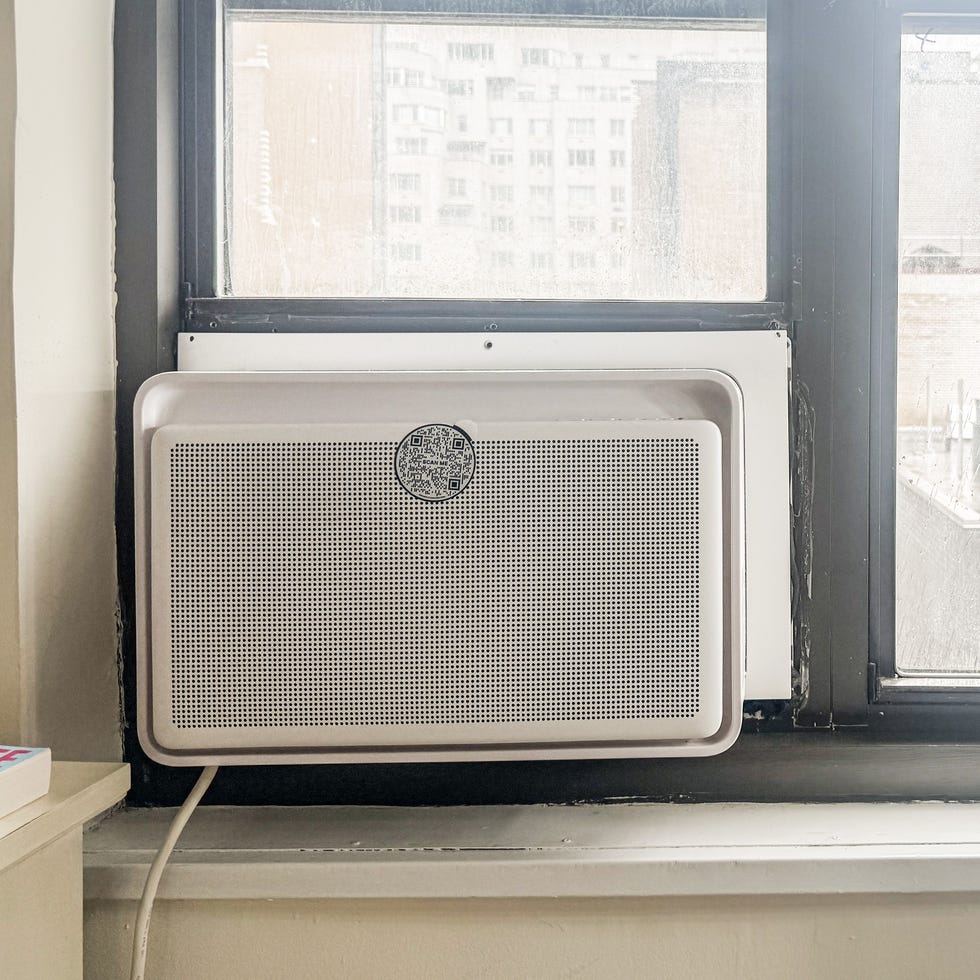
Are you tired of noisy air conditioners ruining your peace and quiet? Finding a window air conditioner that cools your space without the constant buzz can feel impossible.
But what if you could enjoy a cool, comfortable room and still have the silence you crave? You’ll discover the most quiet window air conditioners available, so you can make the best choice for your home. Keep reading to learn how to stay cool without the noise distraction.
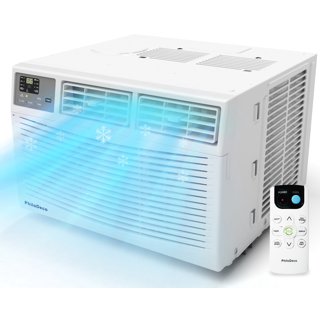
Credit: www.walmart.com
Benefits Of Quiet Air Conditioners
Quiet window air conditioners provide cool air without loud noise. They make your room comfortable and peaceful.
Many people look for silent air conditioners to avoid disturbance. These models help improve focus and rest.
Improved Sleep Quality
A quiet air conditioner keeps the room cool without loud sounds. This helps you fall asleep faster and stay asleep longer.
Better Concentration And Work
Low noise levels from quiet units reduce distractions. This creates a calm environment for reading, studying, or working.
Reduced Stress And Noise Pollution
Constant loud noises cause stress and fatigue. Quiet air conditioners lower noise pollution inside your home.
- Less disruption during conversations
- More peaceful indoor spaces
- Improved mental well-being
Energy Efficiency And Quiet Operation
Many quiet air conditioners use efficient motors and fans. This lowers energy use and keeps noise down.
| Feature | Benefit |
| Noise Level (dB) | Under 50 dB for quiet operation |
| Energy Use | Consumes less power, saves money |
| Cooling Performance | Effective cooling with low noise |
Key Features To Look For
Choosing the most quiet window air conditioner means looking at several key features. These features help you find a unit that cools well and stays quiet.
Understanding these factors makes it easier to pick a model that fits your needs and keeps noise low.
Noise Level Ratings
Noise level ratings tell you how loud the air conditioner will be. Lower decibel (dB) numbers mean quieter operation.
Look for units with noise levels under 55 dB for a peaceful environment. Some models have special sound-reducing designs.
- Ratings are usually between 40 dB and 60 dB
- Under 50 dB is very quiet for most rooms
- Check product specs for exact noise levels
Energy Efficiency
Energy efficiency helps save money and reduce power use. Efficient air conditioners use less electricity to cool your room.
Look for units with a high Energy Efficiency Ratio (EER) or Energy Star rating. These units work well and cost less to run.
- Higher EER means better efficiency
- Energy Star models meet strict efficiency rules
- Efficient units lower electric bills
Cooling Capacity
Cooling capacity shows how much space the unit can cool. It is measured in British Thermal Units (BTUs).
Choose a BTU size that matches your room size. Too small will not cool well, too large wastes energy and can be noisy.
- Up to 150 sq. ft.: 5,000 to 6,000 BTUs
- 150-250 sq. ft.: 6,000 to 8,000 BTUs
- 250-350 sq. ft.: 8,000 to 10,000 BTUs
- 350-450 sq. ft.: 10,000 to 12,000 BTUs
Additional Comfort Features
Extra features can improve comfort and ease of use. Some features help reduce noise and save energy.
Look for features like sleep mode, adjustable fan speeds, and remote controls. These add convenience and quieter operation.
- Sleep mode lowers noise and power at night
- Multiple fan speeds control airflow and sound
- Remote control lets you adjust settings easily
- Timer function can turn unit off automatically
Top Quiet Window Air Conditioners
Window air conditioners cool rooms without making much noise. They are great for keeping your home comfortable. Quiet models let you work or sleep without distraction.
Choosing a quiet air conditioner depends on your room size and budget. This guide shows top models that run quietly and work well.
Best Overall Quiet Model
The best overall quiet window air conditioner combines low noise and strong cooling. It works well in many room sizes and uses energy efficiently.
This model usually has sound levels below 50 decibels. It includes features like adjustable fan speeds and a sleep mode to reduce noise further.
- Noise level: Around 48-50 dB
- Cooling capacity: 8,000 to 12,000 BTU
- Energy efficient with Energy Star rating
- Multiple fan speeds and quiet modes
Best Budget Option
Budget quiet window air conditioners cost less but still offer low noise. They fit small to medium rooms and keep noise under 55 decibels.
These models focus on essential features and easy use. They are good for people who want quiet cooling without spending much.
- Noise level: About 50-55 dB
- Cooling capacity: 5,000 to 8,000 BTU
- Simple controls and remote included
- Energy efficient for their price
Best For Small Rooms
Small rooms need compact air conditioners that run quietly. These units cool spaces up to 150 square feet without loud noise.
They have lower BTU ratings and noise levels below 50 decibels. Quiet fans and vibration control help keep sound low.
- Noise level: 45-50 dB
- Cooling capacity: 5,000 to 6,000 BTU
- Compact size fits small windows
- Easy installation and maintenance
Best For Large Spaces
Large rooms need powerful air conditioners that stay quiet. These models cool areas over 400 square feet while keeping noise low.
They often have noise levels around 50-55 decibels. Many use advanced compressors and fans to reduce sound during operation.
- Noise level: 50-55 dB
- Cooling capacity: 12,000 to 15,000 BTU
- Strong airflow with quiet fan design
- Energy-saving features included
Installation Tips For Noise Reduction
Choosing a quiet window air conditioner is just the first step. Proper installation helps lower noise levels. This guide shares tips to reduce sound during and after setup.
Following simple installation methods can make your air conditioner run smoother and quieter. Use these tips to enjoy cool air without loud distractions.
Select The Right Location
Place the air conditioner on a firm surface inside the window frame. Avoid spots near bedrooms or study areas to reduce noise disturbance. Make sure the unit is level to prevent vibrations.
Use Weather Stripping And Foam Seals
Seal gaps around the unit with weather stripping or foam. This stops air leaks and reduces rattling sounds. Proper sealing also improves energy efficiency.
Install Noise Dampening Pads
Place rubber or foam pads between the air conditioner and window frame. These pads absorb vibrations and lower noise output. They are easy to install and cost-effective.
- Choose thick, dense foam or rubber
- Cut pads to fit the unit’s contact points
- Replace pads if they wear out over time
Secure The Unit Firmly
Use brackets or support arms to hold the air conditioner tightly in place. Loose units can vibrate and create extra noise. Check screws and supports regularly for stability.
Add A Custom Sound Barrier
Simple Sound Barrier Ideas:
- Place a wooden board behind the unit outside to block noise
- Use outdoor soundproof curtains around the air conditioner
- Install a lattice panel with plants to absorb sound waves
Maintenance To Keep Noise Low
Quiet window air conditioners need regular care to stay silent. Dirt and damage can make them noisy.
Simple maintenance keeps your air conditioner running smooth and quiet for years.
Clean Or Replace The Air Filter
A dirty air filter blocks airflow and makes the unit work harder. This causes more noise.
Check the filter every month and clean or replace it if needed. This keeps sound low and air fresh.
Keep The Fan Blades Clean
Dust and dirt on fan blades cause imbalance and rattling sounds. Clean blades spin quietly.
- Turn off power before cleaning
- Use a soft brush or cloth
- Remove dust from all fan blades
- Check for damage or cracks
Tighten Loose Screws And Parts
Loose screws make vibrations louder. Tighten all screws and bolts on the unit regularly.
Check panels and mounting brackets for stability. Secure parts reduce noise and prevent damage.
Lubricate Moving Parts
Friction in moving parts causes noise. Apply oil to fan motor and other moving parts to reduce sound.
Use the lubricant recommended by the manufacturer. Avoid over-oiling as it can attract dust.
Level The Air Conditioner Properly
An unlevel unit vibrates and makes noise. Use a level tool to check if the unit sits flat.
Adjust the window bracket or supports to keep the air conditioner steady. This reduces noise and wear.
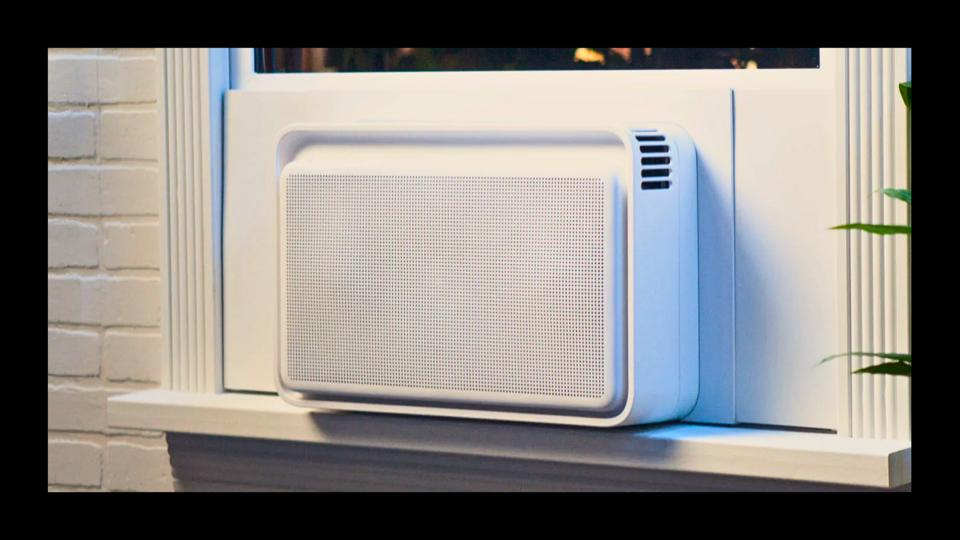
Credit: www.forbes.com

Credit: www.popularmechanics.com
Frequently Asked Questions
What Defines The Quietest Window Air Conditioner?
The quietest models use advanced compressors and insulated designs. They operate below 50 decibels, minimizing noise without compromising cooling power.
Which Brands Make The Most Silent Window Ac Units?
Brands like LG, Frigidaire, and Midea are known for quiet window ACs. They combine energy efficiency with low noise levels for peaceful cooling.
How To Measure Noise Levels In Window Air Conditioners?
Noise is measured in decibels (dB). Lower dB values mean quieter operation, with 40-50 dB being ideal for quiet window ACs.
Are Quiet Window Acs More Energy-efficient?
Often, yes. Quiet ACs use modern technology that reduces noise and improves energy efficiency, saving money and reducing environmental impact.
Conclusion
Choosing a quiet window air conditioner makes a big difference. It keeps your room cool without noise disturbance. You can sleep, work, or relax peacefully. Check the noise levels before buying any model. Good brands offer efficient cooling with low sound.
Quiet units save energy and reduce distractions. A calm environment helps your comfort and focus. Remember, a silent air conditioner improves your daily life. Pick one that fits your needs and budget well. Enjoy cool air without loud noise.