Are you curious about what’s inside your air conditioner that keeps you cool? The secret lies in something called refrigerant.
But here’s the catch: the refrigerants we’ve used for years are changing. Why should you care? Because the new refrigerants can save energy, protect the environment, and even lower your electricity bills. If you want to understand how these changes affect your comfort and your wallet, keep reading.
This guide will reveal the new refrigerants for air conditioners and what they mean for you.
Refrigerants: An Overview
Refrigerants help air conditioners cool the air. They absorb heat and release it outside.
New refrigerants are developed to be safer for the environment. They reduce damage to the ozone layer and lower greenhouse gases.
What Are Refrigerants?
Refrigerants are fluids used in cooling systems. They change from gas to liquid and back again. This process moves heat away from indoor spaces.
Types Of Refrigerants
- Chlorofluorocarbons (CFCs): Old and harmful to the ozone layer.
- Hydrochlorofluorocarbons (HCFCs): Less harmful but still being phased out.
- Hydrofluorocarbons (HFCs): No ozone damage but high global warming potential.
- Natural Refrigerants: Examples include ammonia and carbon dioxide, with low environmental impact.
The New Refrigerant For Air Conditioners
The latest refrigerants aim to reduce global warming effects. They have low global warming potential (GWP) and zero ozone depletion potential (ODP).
| Refrigerant | Type | GWP | ODP |
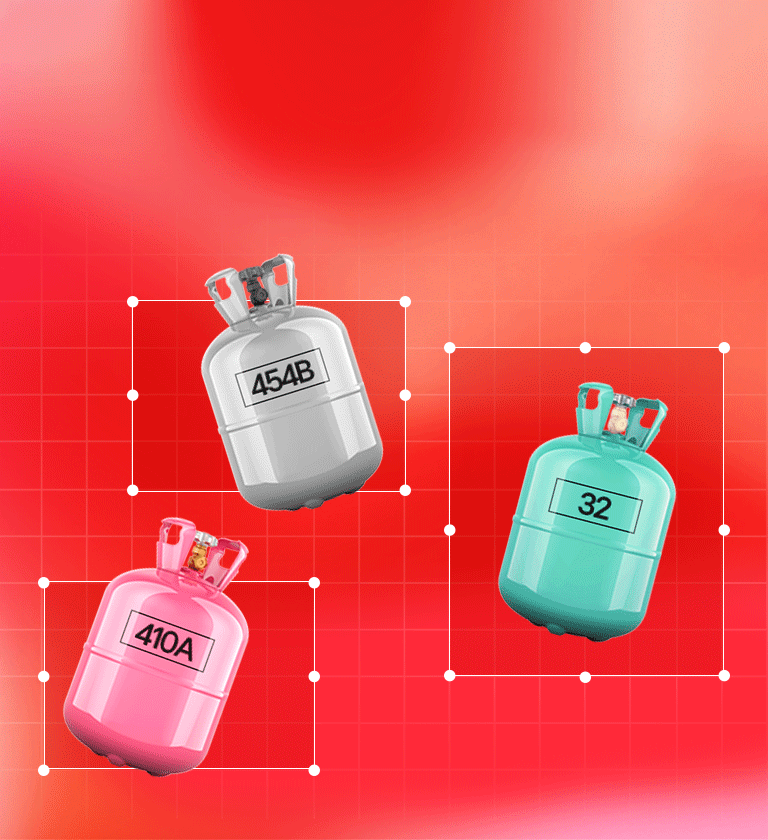
| R-32 | HFC | 675 | 0 |
| R-290 (Propane) | Natural | 3 | 0 |
| R-454B | HFO blend | 466 | 0 |
| R-1234yf | HFO | 4 | 0 |
Benefits Of New Refrigerants
- Lower global warming impact
- Zero harm to the ozone layer
- Higher energy efficiency
- Safer for human health
Challenges With New Refrigerants
Some new refrigerants are mildly flammable. Proper handling and equipment updates are needed. Costs may be higher at first.
Why Change Refrigerants?
Air conditioners use refrigerants to cool the air. These chemicals absorb heat and release it outside.
New refrigerants are needed to reduce harm to the environment and improve energy use.
Protecting The Ozone Layer
Some old refrigerants damage the ozone layer. This layer protects us from the sun’s harmful rays.
New refrigerants have less or no ozone depletion potential. They help keep the ozone layer safe.
Reducing Global Warming
Old refrigerants can trap heat in the atmosphere. This makes the earth warmer, causing climate change.
New refrigerants have lower global warming potential. They release less heat into the air.
- Lower greenhouse gas emissions
- Less contribution to climate change
- Better for the planet’s future
Improving Energy Efficiency
New refrigerants work better with modern air conditioners. This helps save electricity.
Using less energy means lower bills and less pollution from power plants.
Meeting Legal Standards
Many countries have rules to reduce harmful refrigerants. These laws protect the environment.
Switching to new refrigerants helps companies follow these rules and avoid fines.
Environmental Impact Of Old Refrigerants
Old refrigerants in air conditioners caused serious harm to the environment. They released gases that damaged the ozone layer and increased global warming.
Understanding these effects helps explain why new refrigerants are important for cleaner air and a safer planet.
Ozone Layer Depletion
Many old refrigerants contained chlorofluorocarbons (CFCs). These gases broke down the ozone layer in the atmosphere.
The ozone layer protects Earth from harmful ultraviolet rays. Its damage led to more skin cancer and environmental problems.
High Global Warming Potential
Old refrigerants had a high global warming potential (GWP). This means they trapped a lot of heat in the atmosphere.
When released, these gases caused the Earth to warm faster, leading to climate change and extreme weather.
Long Atmospheric Life
Old refrigerants stayed in the atmosphere for many years. Their long life made their damage last a long time.
This long presence increased the risk of global warming and slowed down the recovery of the ozone layer.
Toxicity And Safety Concerns
Some old refrigerants were toxic and flammable. They posed health risks and dangers during leaks or accidents.
These risks made handling and disposing of old refrigerants difficult and unsafe.
Emergence Of New Refrigerants
New refrigerants are changing how air conditioners work. They help reduce harm to the environment.
Old refrigerants caused damage to the ozone layer and increased global warming. New types are safer and more efficient.
Why New Refrigerants Are Needed
Many traditional refrigerants harm the ozone layer. They also have a high global warming potential.
Governments worldwide have set rules to phase out harmful refrigerants. This creates a need for better options.
Types Of New Refrigerants
- Hydrofluoroolefins (HFOs) – Low global warming potential, safer for the environment.
- Natural refrigerants – Include carbon dioxide, ammonia, and hydrocarbons.
- Hydrofluorocarbons (HFCs) with lower impact – Improved but still under review.
Benefits Of Using New Refrigerants
| Benefit | Explanation |
| Lower Global Warming | New refrigerants produce less greenhouse gases. |
| Ozone Safety | They do not damage the ozone layer. |
| Energy Efficiency | New types often improve air conditioner performance. |
| Regulatory Compliance | Meet current environmental laws and standards. |
Challenges In Adoption
Switching to new refrigerants requires updates in equipment design and safety measures.
Costs may rise temporarily as manufacturers adapt to new standards and technologies.
Despite challenges, the shift to new refrigerants is key to a cleaner environment.
Key Features Of 2025 Refrigerants
New refrigerants for air conditioners are set to change the cooling industry in 2025. These refrigerants focus on safety and the environment.
Understanding their key features helps consumers and manufacturers prepare for the future.
Lower Global Warming Potential
The 2025 refrigerants have much lower global warming potential (GWP) than older types. This means they cause less harm to the climate.
Improved Energy Efficiency
These refrigerants help air conditioners use less electricity. This reduces energy bills and lowers carbon emissions.
Better Safety Standards
Safety is a key focus. The new refrigerants have lower flammability and toxicity levels. This makes them safer for homes and businesses.
Compatibility With Existing Systems
Many 2025 refrigerants can be used in current air conditioning units with small changes. This helps reduce waste and cost.
Types Of 2025 Refrigerants
| Refrigerant | GWP | Flammability | Energy Efficiency |
| R-454B | 466 | Low | High |
| R-452B | 676 | Low | High |
| R-513A | 631 | None | Moderate |
| R-466A | 733 | Low | High |
Environmental Impact
- Reduce greenhouse gas emissions
- Help meet international climate goals
- Support cleaner air and water
- Promote sustainable cooling technologies
R-32: The Leading New Refrigerant
R-32 is a new refrigerant used in many air conditioners today. It replaces older refrigerants that harm the environment more. This refrigerant has become popular for its efficiency and lower impact on the planet.
Many manufacturers choose R-32 because it cools well and uses less energy. It helps reduce greenhouse gas emissions compared to older options. Let’s look at its benefits and some challenges.
Benefits Of R-32
R-32 offers many advantages for air conditioning systems. It cools effectively and helps save power. Using R-32 can lower electricity bills and reduce environmental damage.
- Has a low global warming potential (GWP), much less than older refrigerants
- Improves energy efficiency of air conditioners
- Requires less refrigerant volume for the same cooling power
- Supports easier recycling and reuse compared to some alternatives
- Reduces carbon footprint in homes and buildings
Limitations And Challenges
R-32 also has some limits and needs careful use. It is slightly flammable, so safety rules must be followed. Proper handling and storage are important to avoid risks.
| Challenge | Description | Impact |
| Flammability | R-32 can catch fire at high concentrations. | Requires trained technicians and safety measures. |
| Compatibility | Not all older AC units support R-32 use. | May need new equipment or retrofitting. |
| Regulations | Some countries have strict rules on flammable refrigerants. | Limits where R-32 can be widely used. |
| Initial Cost | Systems using R-32 can cost more at purchase. | Long-term savings often offset this cost. |
Alternative Refrigerants To Consider
Choosing the right refrigerant helps reduce environmental impact. New refrigerants aim to lower greenhouse gas emissions.
This article covers two popular options for air conditioners: R-290 and R-454B.
R-290: Propane
R-290 is a natural refrigerant known as propane. It has very low global warming potential (GWP).
- It is energy efficient and environmentally friendly.
- R-290 requires special handling due to its flammability.
- It is suitable for small to medium air conditioning units.
- Systems using R-290 often have lower operating costs.
R-454b: Lower Gwp Option
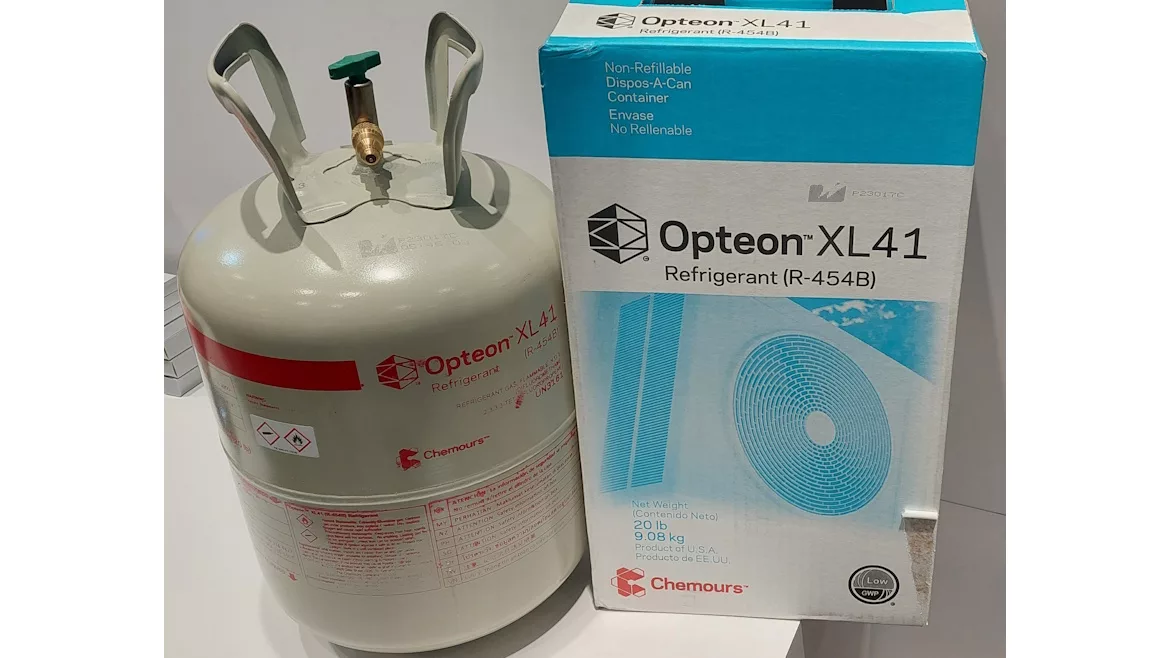
R-454B is a synthetic refrigerant with a much lower GWP than older types like R-410A.
| Feature | Details |
|---|---|
| Global Warming Potential | About 78% lower than R-410A |
| Flammability | Classified as mildly flammable (A2L) |
| Energy Efficiency | Similar or better than R-410A |
| Compatibility | Works with modified existing equipment |
| Applications | Residential and commercial air conditioners |
Energy Efficiency With New Refrigerants
New refrigerants for air conditioners improve energy use. They help machines cool better and use less power.
These refrigerants are safer for the environment and reduce electricity bills. They support a cleaner and cooler future.
Lower Global Warming Potential
New refrigerants have a lower global warming potential (GWP). This means they release fewer greenhouse gases.
Using low-GWP refrigerants helps slow climate change. Air conditioners become more eco-friendly with these gases.
Improved Cooling Performance
New refrigerants increase cooling efficiency. They absorb and release heat better than older types.
This means air conditioners cool faster and use less energy. Homes and offices stay comfortable with less power.
Compatibility With Modern Systems
New refrigerants work well with today’s air conditioner designs. They match newer compressors and parts.
This compatibility helps maintain energy efficiency. It also reduces leaks and improves system life.
Energy Savings And Cost Benefits
Air conditioners using new refrigerants consume less electricity. This lowers monthly energy bills for users.
- Less energy use means smaller bills
- Better efficiency reduces wear and tear
- Longer system life saves replacement costs
Safety Considerations
New refrigerants for air conditioners bring safety challenges. Understanding these helps prevent accidents and health risks.
Each refrigerant type has unique properties. Knowing these properties guides safe handling and use.
Flammability Risks
Many new refrigerants are mildly flammable. This means leaks can cause fire hazards in enclosed spaces.
- Keep refrigerants away from open flames and sparks.
- Ensure good ventilation where refrigerants are used or stored.
- Use proper leak detection tools to find leaks early.
Toxicity Levels
Some new refrigerants have low toxicity but can cause dizziness or headaches in high amounts.
Proper protective equipment is important when handling these chemicals.
Environmental Impact
New refrigerants are designed to reduce greenhouse gas effects. Still, leaks can harm the environment.
| Refrigerant | Global Warming Potential (GWP) | Ozone Depletion Potential (ODP) |
|---|---|---|
| R-32 | 675 | 0 |
| R-454B | 466 | 0 |
| R-1234yf | 4 | 0 |
Handling And Storage
Correct storage prevents accidents. Refrigerants must be kept in cool, dry places and sealed containers.
- Store refrigerants upright to avoid leaks.
- Label containers clearly with refrigerant type and hazards.
- Train workers on safe handling and emergency response.
Credit: www.lg.com
Regulatory Changes And Compliance
New refrigerants for air conditioners are introduced due to stricter rules. These rules aim to reduce environmental harm.
Businesses must follow these changes to meet legal standards and avoid penalties.
Global Environmental Agreements
Many countries agree to cut greenhouse gases. This includes reducing harmful refrigerants like CFCs and HCFCs.
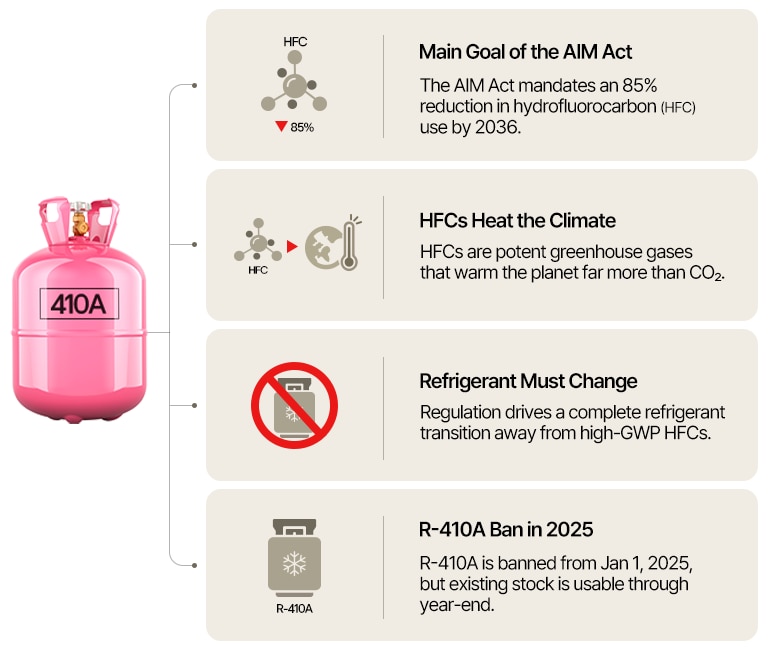
The Kigali Amendment to the Montreal Protocol is a key treaty. It targets hydrofluorocarbons (HFCs) that warm the planet.
New Refrigerant Standards
Regulators set new limits on refrigerant types. These limits focus on lowering global warming potential (GWP).
- Phasing out high-GWP refrigerants
- Encouraging use of low-GWP alternatives
- Setting safety and efficiency rules
Compliance Requirements For Manufacturers
Manufacturers must test new refrigerants for safety and performance. They also must certify their products meet rules.
Labels must show refrigerant type and environmental impact clearly for users and inspectors.
Regulatory Timeline And Deadlines
| Year | Requirement |
| 2020 | Start phasing out certain HFCs |
| 2025 | Ban on high-GWP refrigerants in new AC units |
| 2030 | Full compliance with new refrigerant standards |
Impact On Installation And Maintenance
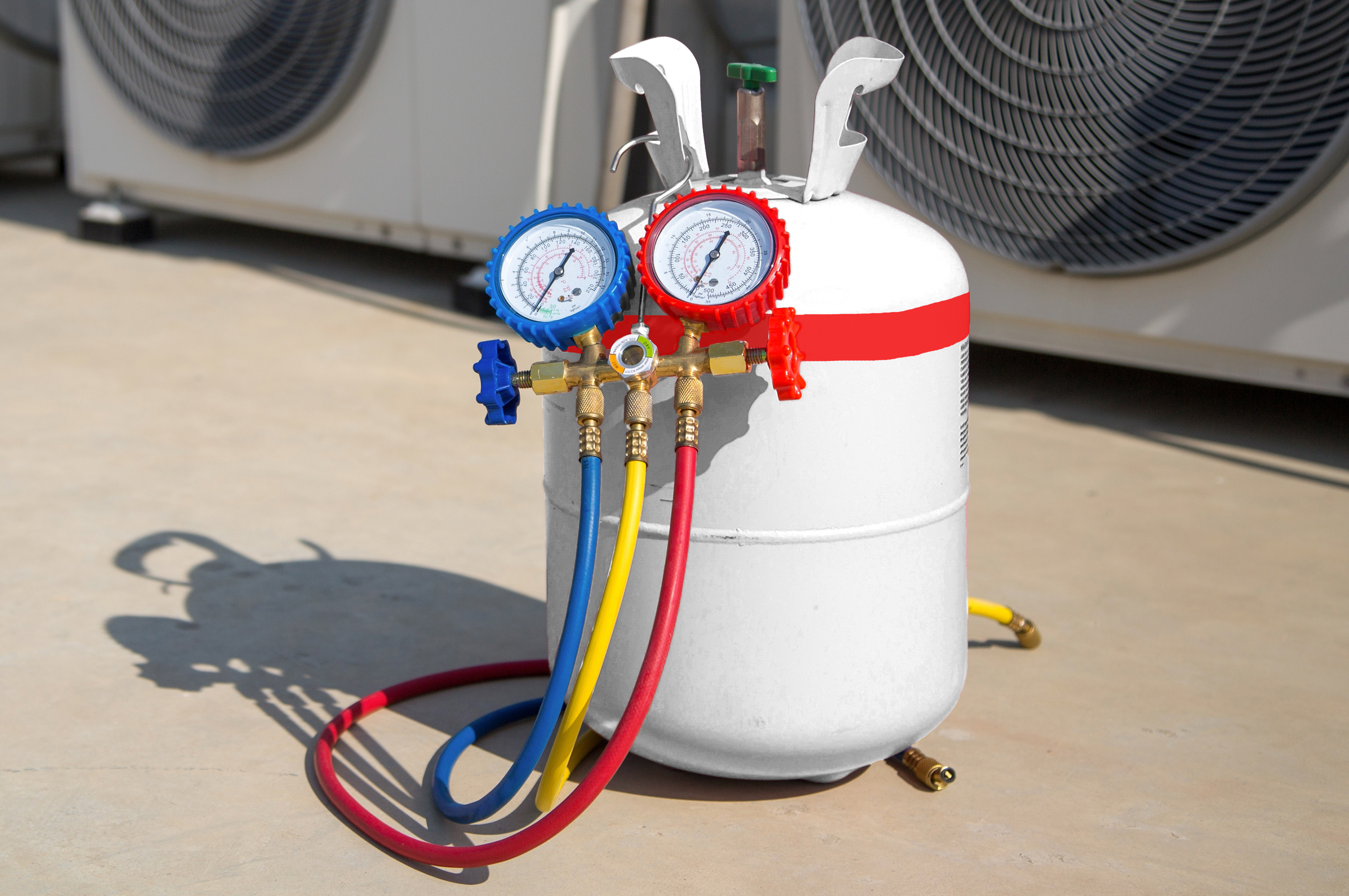
Technicians need training to handle new refrigerants safely. Special tools and procedures are required.
Key technician requirements include:
- Certification on new refrigerants
- Use of leak detection tools
- Proper disposal methods for old refrigerants
Cost Implications For Consumers
The new refrigerants for air conditioners aim to reduce environmental harm. These changes affect the price of air conditioning units and their maintenance. Consumers should understand the cost impact before buying or servicing their ACs.
This article explains how the new refrigerants change expenses. It covers purchase prices, energy bills, and repair costs. Knowing these factors helps consumers make informed decisions.
Higher Initial Purchase Price
Air conditioners using new refrigerants often cost more at first. The technology is newer and requires special components. Manufacturers pass these costs to buyers. This means you may pay more upfront for a new AC unit.
Energy Efficiency And Savings
Many new refrigerants improve energy efficiency. This can lower monthly electricity bills. Although the AC unit costs more, energy savings reduce overall expenses over time. Consumers can save money in the long run.
Maintenance And Repair Costs
New refrigerants require trained technicians for repairs and refills. This can increase service costs. Some refrigerants are harder to find, raising parts prices. Consumers may face higher maintenance bills compared to older systems.
- Special tools may be needed for repairs
- Technicians need certification for new refrigerants
- Replacement refrigerants can cost more
- Regular maintenance is important to avoid expensive fixes
Government Incentives And Rebates
Some governments offer rebates for buying eco-friendly AC units. These programs lower the effective cost for consumers. Check local rules to see if you qualify for discounts or tax credits.
| Type of Cost | Old Refrigerant AC | New Refrigerant AC |
| Initial Purchase | Lower | Higher |
| Energy Consumption | Higher bills | Lower bills |
| Maintenance | Standard | Higher |
| Government Rebates | Rare | Common |
Credit: www.daikinapplied.com
Future Trends In Refrigerant Technology
Air conditioners use refrigerants to cool the air. New refrigerants are developed to be safer and better for the environment.
Scientists and engineers are working on new refrigerants that reduce global warming and improve energy use.
Low Global Warming Potential (gwp) Refrigerants
New refrigerants have low global warming potential. This means they do less harm to the planet if they leak.
These refrigerants help countries meet climate goals and reduce greenhouse gases from cooling systems.
- Hydrofluoroolefins (HFOs) are popular low-GWP options
- Natural refrigerants like propane and CO2 have very low GWP
- Many new refrigerants balance safety and environmental impact
Energy Efficient Refrigerants
Future refrigerants focus on improving energy efficiency. They use less power to cool the same space.
Energy-efficient refrigerants reduce electricity bills and lower carbon emissions from power plants.
- Better heat transfer properties increase cooling power
- Systems with new refrigerants often last longer
- Energy savings help fight climate change
Natural And Alternative Refrigerants
Natural refrigerants come from nature and break down quickly in the environment. They include CO2, ammonia, and hydrocarbons.
Alternative refrigerants are synthetic but designed to be safe and eco-friendly. They replace older, harmful gases.
- CO2 works well in cold climates and commercial use
- Ammonia is efficient but mainly used in large systems
- Hydrocarbons are flammable but have low environmental impact
Regulations And Industry Standards
Governments set rules to phase out old refrigerants that harm the ozone layer or cause global warming.
Industry standards help manufacturers create safe and efficient cooling systems with new refrigerants.
- Montreal Protocol limits ozone-depleting substances
- Kigali Amendment targets high-GWP refrigerants
- Standards ensure safe handling and use of new refrigerants
Development Of Refrigerant Blends
Scientists mix different refrigerants to create blends that balance safety, efficiency, and low GWP.
These blends can match the cooling power of older refrigerants but with less harm to the environment.
- Blends reduce flammability compared to pure hydrocarbons
- They improve system performance and reliability
- Blends help meet diverse climate and safety needs
Credit: www.achrnews.com
Frequently Asked Questions
What Is The New Refrigerant For Air Conditioners?
The new refrigerant commonly used is R-32. It offers better energy efficiency and lower environmental impact than older types like R-410A. R-32 reduces greenhouse gas emissions and improves cooling performance in modern air conditioners.
Why Is R-32 Preferred Over Older Refrigerants?
R-32 has a lower global warming potential (GWP) than R-410A. It uses less energy and is more environmentally friendly. This refrigerant also allows air conditioners to run more efficiently, saving electricity and reducing costs.
Is The New Refrigerant Safe For Home Use?
Yes, R-32 is considered safe for residential air conditioners. It is mildly flammable but handled with proper care, it poses minimal risk. Manufacturers design systems to meet strict safety standards for home use.
How Does The New Refrigerant Impact Energy Efficiency?
R-32 improves energy efficiency by requiring less refrigerant volume and enabling better heat transfer. This results in lower electricity consumption and cost savings. Its efficient performance helps reduce environmental impact.
Conclusion
New refrigerants for air conditioners focus on saving energy and protecting Earth. They cause less harm to the ozone layer and reduce greenhouse gases. Using these refrigerants helps keep homes cool and air clean. Choosing the right refrigerant can lower your electricity bills too.
The shift to new refrigerants is important for a healthier planet. Stay informed and ask experts about the best options for your AC. Small changes today can make a big difference tomorrow.