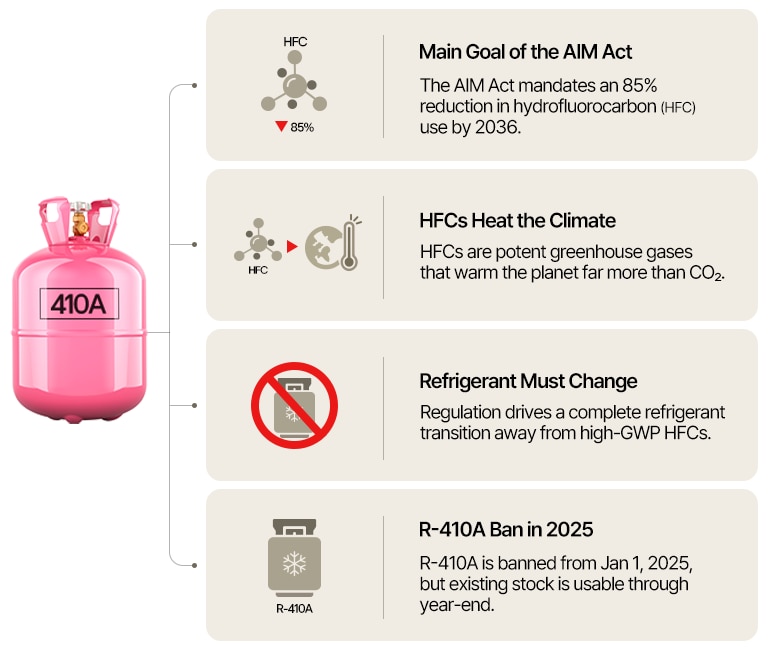
Are you curious about the new refrigerant for air conditioners and what it means for your home or office? Choosing the right refrigerant can save you money, protect the environment, and keep your AC running smoothly.
But with so many options and changes in the industry, it’s easy to feel confused. This article will clear things up for you. You’ll discover what the latest refrigerant is, why it’s important, and how it can impact your comfort and costs.
Keep reading to learn everything you need to know about this game-changing update.
Current Refrigerants In Air Conditioning
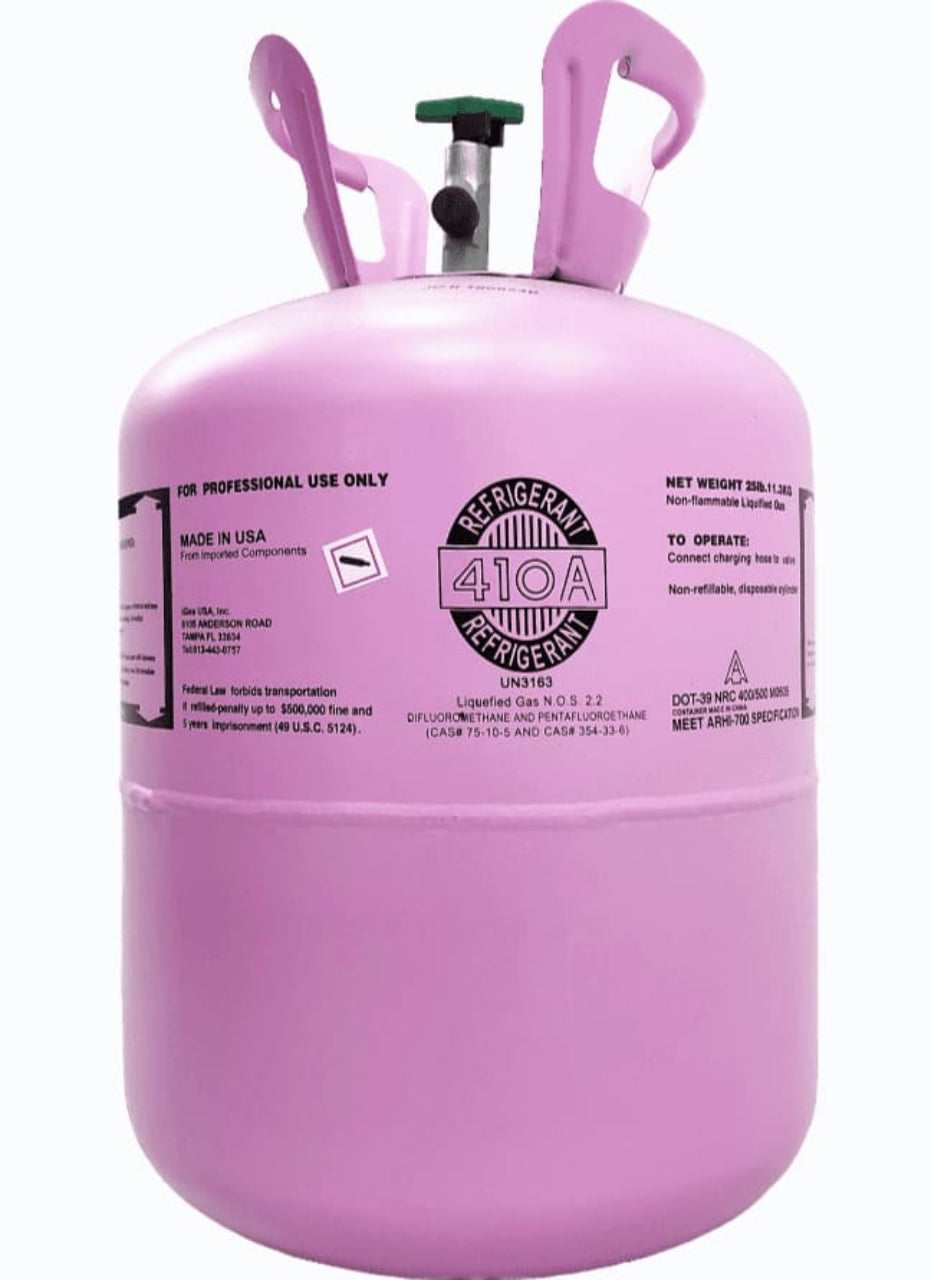
Air conditioners mainly use refrigerantsto cool air. The most common types today are R-22and R-410A. R-22 is an older refrigerant but is being phased out due to harm to the ozone layer. R-410A is more common now because it is safer for the environment.
Environmental groups worry about refrigerants that cause ozone depletionand global warming. Many older types have a high global warming potential (GWP). New rules require air conditioners to use refrigerants with lower GWP.
| Refrigerant | Use | Environmental Impact | Regulation |
|---|---|---|---|
| R-22 | Older AC units | High ozone depletion and GWP | Phased out globally |
| R-410A | Newer AC units | Zero ozone depletion, high GWP | Still allowed but under review |
Introduction To New Refrigerants
New refrigerants are needed because older types harm the environment. Many older refrigerants cause ozone layer damageand have a high global warming potential (GWP). Governments worldwide are pushing for safer, cleaner options.
New refrigerants aim to be eco-friendlyand energy efficient. They help reduce carbon footprintsand keep air conditioners working well.
| Feature | New Refrigerants |
|---|---|
| Environmental Impact | Low ozone depletion and low GWP |
| Energy Efficiency | Improved performance, less power use |
| Safety | Lower toxicity and flammability |
| Compatibility | Works with newer AC systems |
Leading New Refrigerants For 2025
New refrigerants for air conditioners in 2025 focus on lower environmental impact. These options use less energy and reduce harmful emissions. Expect safer, more efficient cooling technology soon.
Hfo-1234yf
HFO-1234yfis a refrigerant with very low global warming potential. It is commonly used in new car air conditioners. This refrigerant is safer for the environment than older types. It also helps reduce energy use. Many manufacturers are switching to HFO-1234yf.
R-32
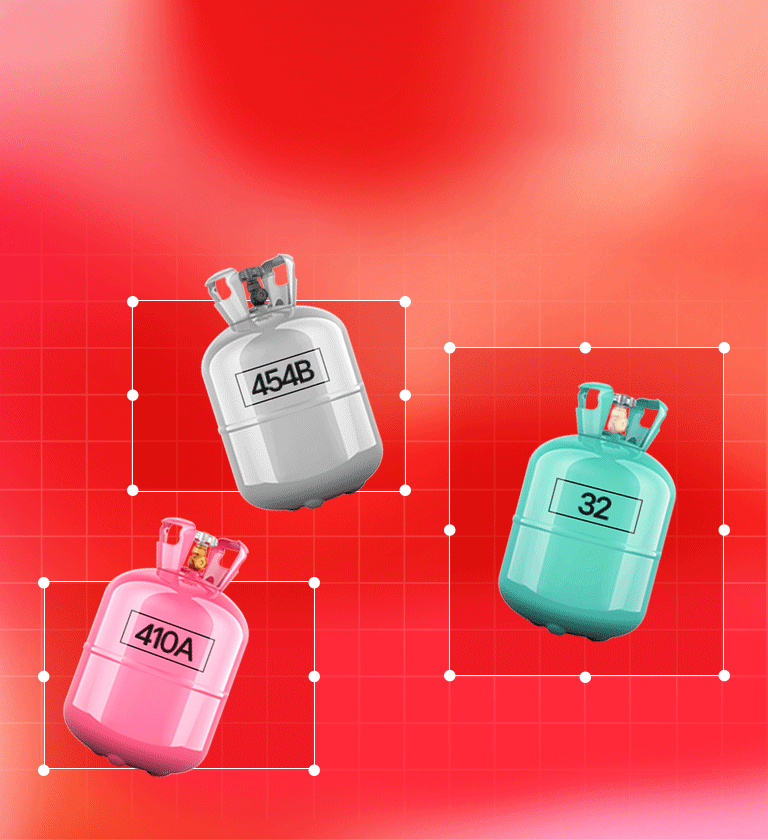
R-32is another popular refrigerant. It has a lower impact on the environment than traditional refrigerants. R-32 is more efficient, so air conditioners use less power. It is also easier to recycle and reuse. This makes R-32 a good choice for future cooling systems.
Natural Refrigerants Like Propane
Natural refrigerantssuch as propane are gaining attention. They do not harm the ozone layer. Propane is very efficient and has a low global warming potential. However, it is flammable, so safety is key. Many experts see natural refrigerants as a green option for air conditioning.
Credit: refrigerantscenter.com
Benefits Of New Refrigerants
New refrigerantshave a much lower global warming potential (GWP). This means they cause less harm to the environment. They help reduce the damage to the ozone layer and slow down climate change.
These refrigerants also offer improved energy efficiency. Air conditioners use less electricity with these new gases. This saves money on power bills and is better for the planet.
Safety considerationsare important with new refrigerants. They are designed to be less flammable and less toxic than older types. This makes them safer for homes and workplaces.
Challenges In Adopting New Refrigerants
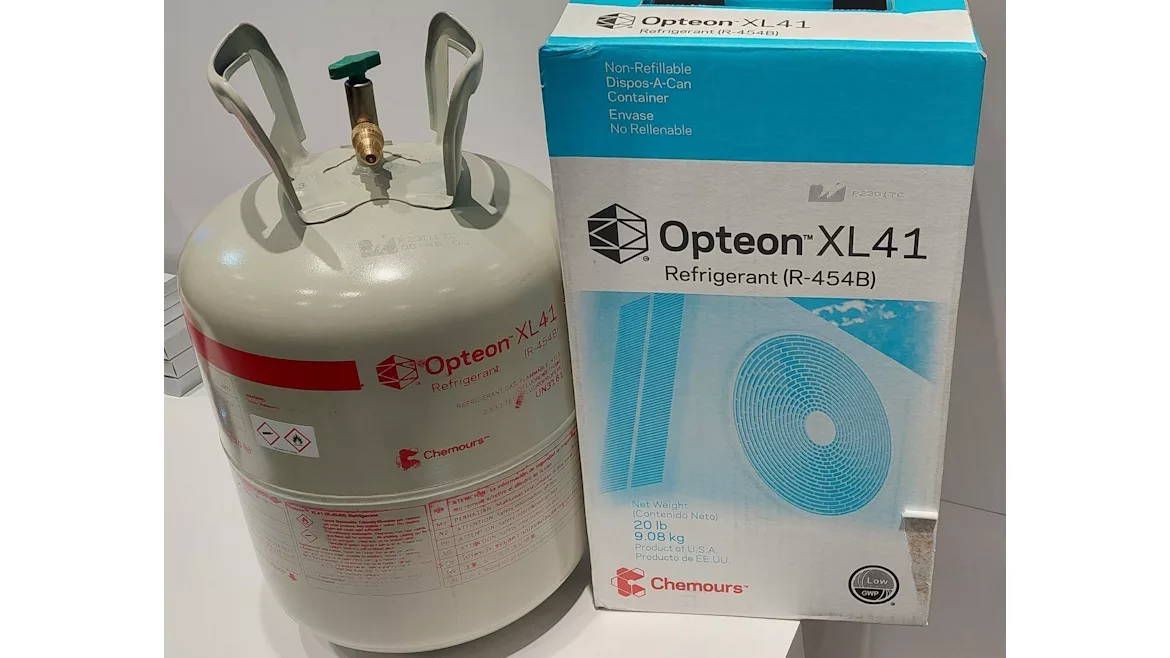
New refrigerants may not work well with older air conditioner parts. This can cause damage or less cooling. Many systems need special changesto fit new types.
Costs can rise due to new equipmentand installation. Prices for new refrigerants are often higherthan old ones. This makes upgradingless appealing to some people.
Technicians need new skillsto handle new refrigerants safely. Training is neededfor proper use and storage. Without this, risks of leaks or accidentsincrease.
Credit: www.achrnews.com
Future Trends In Air Conditioning Refrigerants
New refrigerants focus on low global warming potential (GWP)and better efficiency. Technologies like hydrofluoroolefins (HFOs)and natural refrigerants gain attention. These options cool well and harm the environment less.
Policies push for phasing out old refrigerantsthat damage the ozone layer. Many countries set strict rules to reduce emissions. This drives the market to adopt greener alternativesquickly.
- Natural refrigerantsinclude CO2, ammonia, and hydrocarbons.
- They have zero or very low GWP.
- More energy-efficientsystems help save power.
- Many new models use smart controlsfor better cooling.
Credit: www.lg.com
Frequently Asked Questions
What Is The New Refrigerant For Air Conditioners?
The new refrigerant for air conditioners is R-32. It is more environmentally friendly. R-32 has a lower global warming potential than older refrigerants like R-410A. It also offers better energy efficiency. This makes it a preferred choice for manufacturers.
Why Is R-32 Better For The Environment?
R-32 is better for the environment because it has a lower global warming potential. It reduces the greenhouse gas emissions associated with refrigerants. Additionally, it requires less energy to operate, making air conditioners more energy-efficient. This helps reduce carbon footprints.
How Does R-32 Improve Energy Efficiency?
R-32 improves energy efficiency by transferring heat more effectively. It has better thermal conductivity compared to older refrigerants. This means air conditioners use less energy to cool or heat a space. Consequently, it can lower electricity bills and reduce environmental impact.
Are There Any Safety Concerns With R-32?
R-32 is considered safe for use in air conditioners. It is classified as mildly flammable but poses minimal risk when used properly. Manufacturers design systems to handle R-32 safely. Always follow guidelines and consult professionals for installation and maintenance.
Conclusion
The new refrigerants offer better efficiency and less harm to the environment. They help reduce greenhouse gases and save energy. Many air conditioners now use these safer options. Choosing the right refrigerant supports cleaner air and lower bills. Stay informed about changes to keep your system working well.
Small changes make a big difference for the planet. This shift helps protect the earth for future generations.