
Have you ever wondered what the outside part of your air conditioner is called? You see it sitting quietly outside your home, but do you really know its name or what it does?
Understanding this unit can help you take better care of your air conditioner and keep your home cool all year round. Keep reading, and you’ll discover the simple answer to this common question—and why knowing it matters to you and your comfort.
Outdoor Unit Basics
The outside air conditioner unit is called the outdoor unit. It is part of an air conditioning system. This unit works with the indoor unit to cool your home.
The outdoor unit is placed outside your house. It helps remove heat from inside. This makes your home cooler and more comfortable.
Main Components
The outdoor unit has several key parts. Each part has a special job to keep the system working well.
- Compressor:It pumps refrigerant through the system.
- Condenser Coil:It releases heat from the refrigerant to the outside air.
- Fan:It blows air over the condenser coil to cool it down.
- Electrical Components:These control the unit’s functions and safety.
Role In Cooling System
The outdoor unit works with the indoor unit to cool air. It moves heat from inside your home to the outside.
The compressor pushes refrigerant to the condenser coil. The fan helps cool the refrigerant by blowing air outside. This process removes heat and cools your home.

Credit: www.achrnews.com
Common Names For Outdoor Unit
The outdoor air conditioner unit is a crucial part of your HVAC system. It has several names based on its function and components. Understanding these names helps in identifying the unit better.
People often refer to the outdoor unit in different ways. Below are the common names used to describe this essential component.
Condenser Unit
The condenser unit is a term often used for the outdoor air conditioning component. It plays a key role in cooling your home by releasing heat outside.
- Releases heat absorbed from inside
- Works with the evaporator coil indoors
- Includes a fan for air circulation
Compressor Unit
The compressor unit is another name for the outdoor air conditioner. It compresses refrigerant gas, which is vital for the cooling cycle.
| Component | Function |
| Compressor | Compresses refrigerant gas |
| Fan | Circulates air |
| Coil | Releases heat |
Heat Pump Unit
The outdoor unit can also be called a heat pump unit. It not only cools but also heats your home by reversing its operation.
How Outdoor Unit Works
The outside air conditioner unit is called the condenser unit. It works with the indoor unit to cool your home. The outdoor unit moves heat from inside to outside.
This unit has parts that help move heat out, compress the refrigerant, and blow air. These parts work together to keep your house cool.
Heat Exchange Process
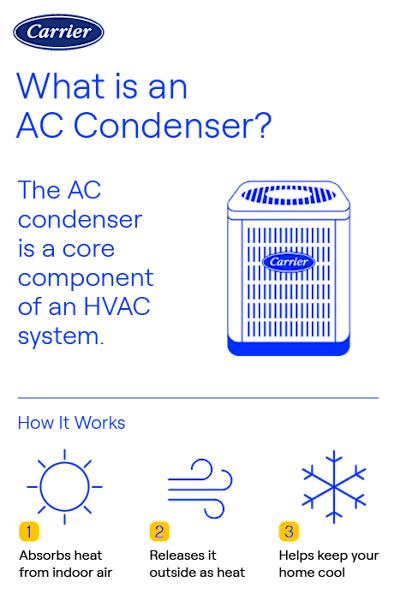
The heat exchange process moves heat from your home to the outside air. The refrigerant inside the outdoor unit absorbs heat from indoors.
The refrigerant changes from a gas to a liquid as it releases heat outside. This cools the refrigerant before it goes back inside.
Compressor Function
The compressor pumps the refrigerant through the system. It raises the pressure and temperature of the refrigerant gas.
This makes the refrigerant hot so it can release heat outside easily. The compressor is the heart of the outdoor unit.
Fan Operation
The fan in the outdoor unit blows air over the condenser coils. This helps remove heat from the refrigerant.
The fan keeps the air moving so the heat exchange works well. It makes sure the refrigerant cools down fast.
Types Of Outdoor Units
The outside air conditioner unit is the part of the system placed outdoors. It works with the indoor unit to cool or heat your home. There are different types of outdoor units. Each type has its own design and use.
Knowing the types helps you understand how your air conditioner works. It also helps when choosing or maintaining your system.
Split System Units
Split system units have two main parts: an outdoor unit and an indoor unit. The outdoor unit holds the compressor and condenser coil. It releases heat from your home to the outside air.
This system is common in many homes. It is easy to install and works quietly inside. The indoor unit blows cool or warm air into the rooms.
- Outdoor unit contains compressor and fan
- Indoor unit holds evaporator coil and blower
- Works well for cooling and heating
- Common in residential homes
Packaged Units
Packaged units combine all parts in one box. The whole system sits outside the building. It includes the compressor, condenser, and evaporator in one unit.
This type is often used in places with limited indoor space. It is easy to maintain because all parts are together. These units can provide both heating and cooling.
- All parts in a single outdoor unit
- Good for buildings without indoor space
- Easy to service and repair
- Used in commercial and some residential buildings
Heat Pumps
Heat pumps are outdoor units that heat and cool your home. They work like air conditioners but can reverse to warm the house. The outdoor unit moves heat in or out depending on the season.
This system saves energy because it uses outside air to heat your home. Heat pumps are popular in mild climates. They offer a simple way to control temperature year-round.
- Outdoor unit moves heat inside or outside
- Provides both heating and cooling
- Energy-efficient in mild climates
- Can replace separate heater and air conditioner
Installation And Placement Tips
The outside air conditioner unit is called the condenser unit. It works with the indoor unit to cool your home. Proper installation and placement help it run well and last longer.
Choosing the right spot for the condenser unit keeps it safe and quiet. It also improves its cooling power and saves energy.
Ideal Locations
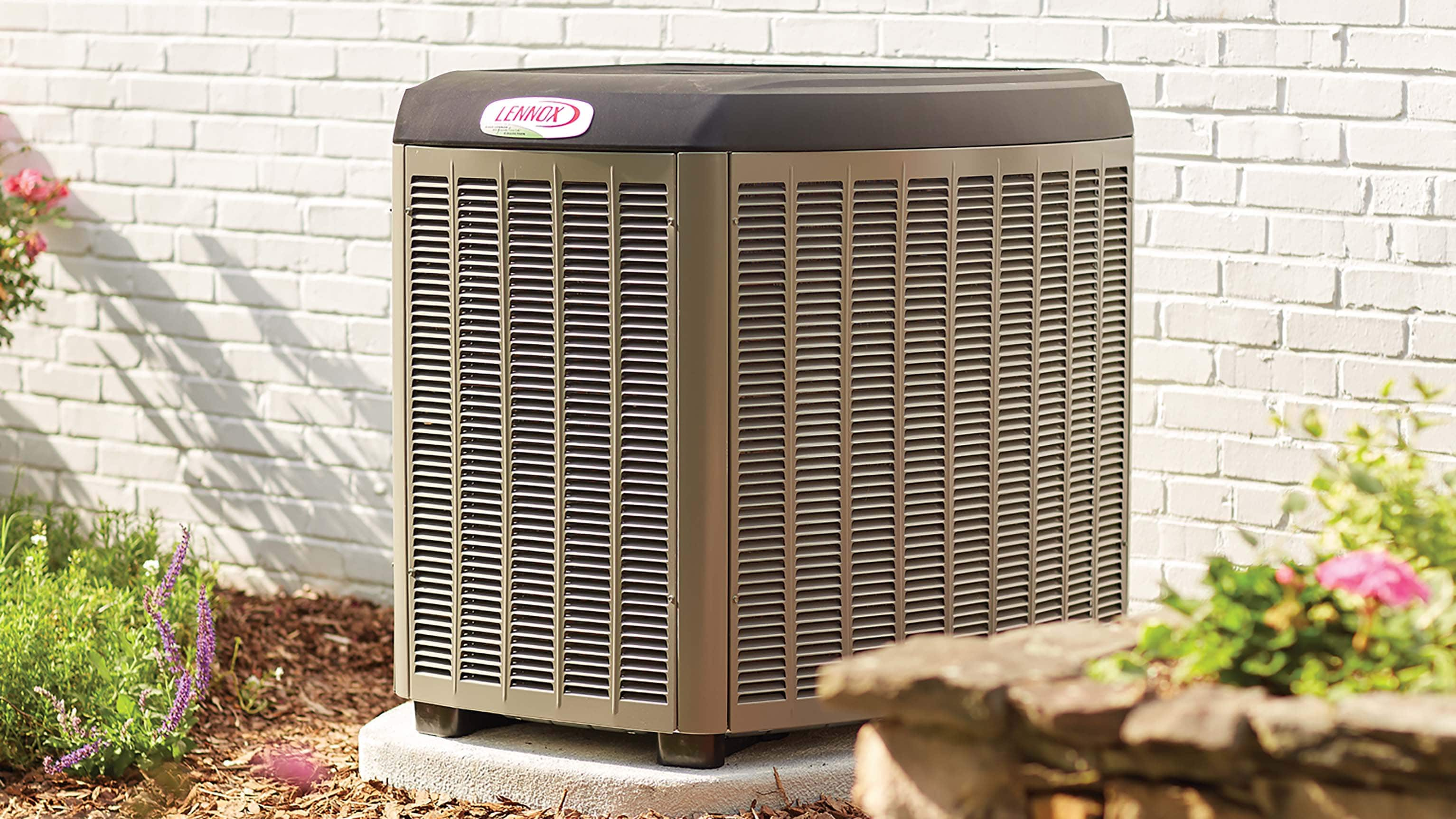
Place the condenser unit on a flat, stable surface like a concrete pad. Avoid soft ground that can sink or tilt the unit. A shady spot helps the unit work better by keeping it cool.
Keep the unit away from busy areas and walkways. This prevents damage and keeps the unit safe. Also, do not place it near plants that block airflow.
- Use a flat concrete or gravel pad
- Find a shaded area to reduce heat
- Keep clear of foot traffic and pets
- Avoid placing near bushes or tall plants
Clearance Requirements
Give the condenser unit enough space to breathe. Air needs to flow freely around it. This helps the unit cool your home efficiently and stops it from overheating.
Follow these clearance rules for best performance and safety.
- Leave at least 2 feet (60 cm) on all sides
- Keep 5 feet (1.5 meters) of space above the unit
- Do not block vents or grills
- Keep away from walls or fences
Noise Considerations
The condenser unit can make noise during operation. Choose a spot far from bedrooms or quiet areas. This reduces noise disturbance inside your home.
Use noise barriers or screens if needed. Make sure these do not block airflow or trap heat.
- Place unit away from bedrooms and living spaces
- Use fences or walls as sound barriers
- Keep the unit on a vibration-absorbing pad
- Regularly clean and maintain to reduce noise
Credit: www.homedepot.com
Maintenance And Troubleshooting
The outside air conditioner unit is often called the condenser unit. It plays a key role in cooling your home by releasing heat outside. Regular care helps it run well and last longer.
This guide covers cleaning tips, common problems, and signs that you need a technician. Keeping your unit in good shape saves energy and avoids costly repairs.
Cleaning Guidelines
Cleaning the condenser unit is simple but important. Dirt and debris can block airflow and reduce efficiency. You should clean the unit every few months or after storms.
- Turn off power before cleaning for safety.
- Remove leaves, grass, and dirt from around the unit.
- Use a garden hose to gently wash the fins and coils.
- Check for bent fins and straighten them with a fin comb.
- Clear any debris inside the unit base.
- Keep plants and bushes at least two feet away from the unit.
Common Issues
Many problems with the outdoor unit come from lack of maintenance or wear. Recognizing these issues early can prevent bigger damage.
| Issue | Cause | Effect |
|---|---|---|
| Unit not cooling | Dirty coils or low refrigerant | Poor airflow and high energy bills |
| Loud noises | Loose parts or fan motor problems | Vibration and possible breakdown |
| Unit won’t start | Electrical faults or capacitor failure | No cooling and system shutdown |
| Ice on coils | Low refrigerant or poor airflow | Reduced cooling and damage risk |
When To Call A Technician
Some problems need a professional. Calling a technician early avoids bigger costs and keeps your unit safe.
- If the unit won’t start after you check power
- If you hear loud or unusual noises
- When you see ice build-up on coils
- If the cooling is weak despite cleaning
- When electrical parts seem faulty or smell burning
Energy Efficiency Factors
The outside air conditioner unit plays a key role in your home’s energy use. Choosing the right unit can lower energy bills and keep your home comfortable.
Understanding energy efficiency helps you pick the best air conditioner unit for your needs. Focus on ratings, size, and modern features.
Seer Ratings
SEER stands for Seasonal Energy Efficiency Ratio. It shows how well an air conditioner uses electricity. Higher SEER means better energy savings.
| SEER Rating | Energy Efficiency |
| 13-14 | Basic efficiency, common in older units |
| 15-16 | Good efficiency, saves more energy |
| 17-20+ | High efficiency, reduces energy bills |
Proper Sizing
Choosing the right size outside unit is important. Too small means the unit works too hard. Too big wastes energy and money.
- Measure your home’s cooling needs
- Consult a professional for accurate sizing
- Consider insulation and sun exposure
- Match the unit size to your space
Upgrading To Modern Units
Modern outside units use new technology to save energy. They run quieter and cool better than older models.
Benefits of modern air conditioner units:
- Variable speed compressors for efficient cooling
- Smart controls to adjust settings automatically
- Environmentally friendly refrigerants
- Improved durability and longer lifespan
Credit: www.carrier.com
Frequently Asked Questions
What Is The Outside Air Conditioner Unit Called?
The outside air conditioner unit is called the condenser unit. It houses the compressor, condenser coil, and fan. It releases heat absorbed from inside your home to the outside air.
How Does The Condenser Unit Work In Ac Systems?
The condenser unit compresses refrigerant gas and cools it into a liquid. It then expels heat outside, allowing cool air to circulate indoors, maintaining your home’s temperature.
Why Is The Outside Unit Important For Air Conditioning?
The outside unit is crucial because it removes heat from inside your home. Without it, the air conditioner cannot cool your living space effectively or maintain comfort.
Can The Outside Unit Affect Ac Efficiency?
Yes, a dirty or damaged outside unit reduces AC efficiency. Proper maintenance ensures optimal heat exchange, lowering energy costs and improving cooling performance.
Conclusion
The outside air conditioner unit is called the condenser unit. It works to release heat from your home to the outside air. Knowing this term helps you understand your air conditioner better. It also makes it easier to explain problems to a technician.
Keep this name in mind when discussing repairs or maintenance. Proper care of the condenser can extend your air conditioner’s life. Small steps help keep your home cool and comfortable all year.