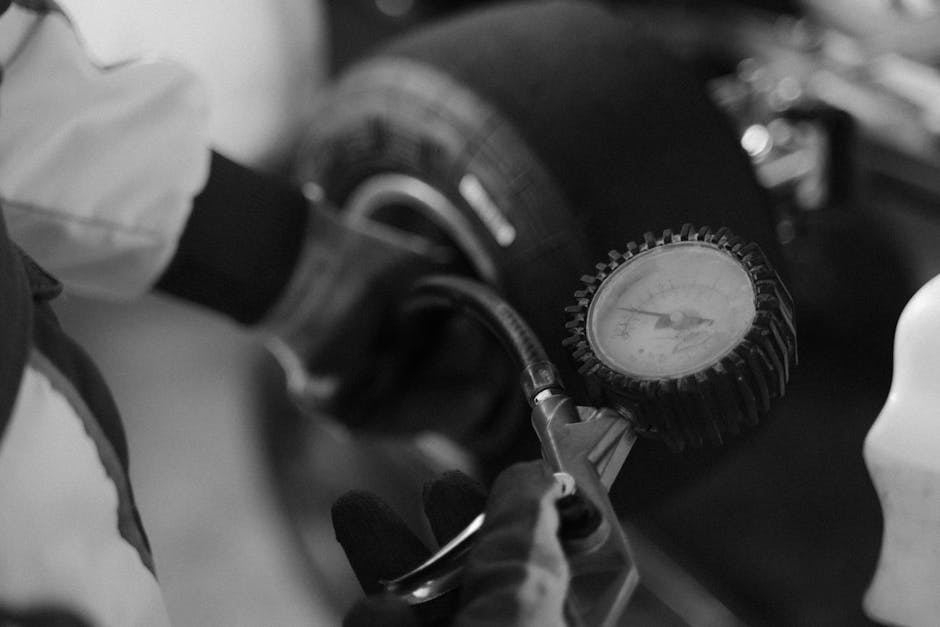
Have you ever wondered why the pressure in your car tires matters so much? The right tire pressure can make a big difference in how your car handles, how safe you feel on the road, and even how much money you spend on fuel.
But what exactly is tire pressure, and how do you know if yours is just right? Keep reading, and you’ll discover simple, clear answers that will help you take better care of your car—and yourself—every time you drive.
Importance Of Tire Pressure
The pressure in a car tire is the amount of air inside it. Proper tire pressure helps the car drive safely and efficiently. Checking tire pressure is easy and important.
Low or high tire pressure can cause problems. It affects how the car handles, how much fuel it uses, and how long the tires last.
Impact On Safety
Correct tire pressure keeps the car stable on the road. It improves grip and helps the car stop faster. Tires with wrong pressure can cause accidents.
Underinflated tires can overheat and fail. Overinflated tires can burst more easily. Both increase the risk of losing control of the vehicle.
Effect On Fuel Efficiency
Proper tire pressure lowers rolling resistance. This means the car uses less fuel to move. Low tire pressure makes the engine work harder.
Keeping tires at the right pressure saves money on gas. It also reduces harmful emissions from the car.
Tire Wear And Longevity
Correct pressure helps tires wear evenly. Low pressure causes the edges to wear faster. High pressure wears the center of the tire more.
Even wear means tires last longer. This saves money and keeps the car safe for a longer time.
Credit: tiredirect.ca
How To Check Tire Pressure
Knowing your car tire pressure keeps you safe and saves fuel. Tires with the right pressure last longer and perform better.
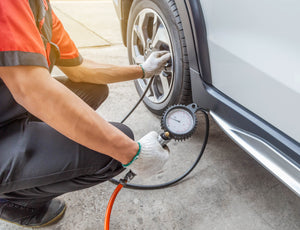
Checking tire pressure is easy with the right tools and steps. Follow this guide to do it correctly.
Tools Needed
- Tire pressure gauge (digital or manual)
- Air compressor or pump (for adding air)
- Owner’s manual or tire placard (for recommended pressure)
- Clean cloth (to wipe valve stem)
When To Measure
Check tire pressure when tires are cold. This means the car has not been driven for at least three hours.
Measuring cold tires gives the most accurate pressure reading. Avoid checking after driving long distances or in hot weather.
Step-by-step Guide
- Park your car on a flat surface and turn off the engine.
- Remove the valve cap from the tire you want to check.
- Press the tire pressure gauge firmly onto the valve stem.
- Read the pressure displayed on the gauge.
- Compare the reading with the recommended pressure in your owner’s manual.
- If the pressure is low, add air using the air compressor or pump.
- Recheck the pressure after adding air to ensure it is correct.
- Replace the valve cap securely on the valve stem.
- Repeat the process for all tires, including the spare if you have one.
| Tip | Check tire pressure monthly for best results. |
| Warning | Do not overinflate tires; this can cause uneven wear. |
Recommended Tire Pressure Levels
Maintaining the right pressure in your car tires is important for safety and performance. Proper tire pressure helps your car handle well and saves fuel.
This guide explains recommended tire pressure levels and what affects them. You will learn about manufacturer guidelines, vehicle types, and weather changes.
Manufacturer Guidelines
Car makers set specific tire pressure levels for each vehicle. These are based on the car’s design and tire size. You can find this info in the owner’s manual or on a sticker inside the driver’s door.
Following these guidelines keeps your tires safe and your car running smoothly. Overinflated or underinflated tires can cause uneven wear and reduce grip.
- Check the owner’s manual for the correct pressure
- Look for the sticker on the driver’s door frame
- Use the recommended pressure for front and rear tires
Variations By Vehicle Type
Tire pressure needs change depending on the vehicle type. Small cars usually need less pressure than large trucks or SUVs. Sports cars may require higher pressure for better handling.
Heavy vehicles carry more weight and need stronger tire support. They often have higher recommended pressure to prevent tire damage.
| Vehicle Type | Typical Tire Pressure (PSI) |
|---|---|
| Small Cars | 30-35 |
| SUVs | 35-40 |
| Trucks | 40-50 |
| Sports Cars | 35-45 |
Adjusting For Load And Weather
Tire pressure changes with the weight your car carries. If you add heavy cargo or passengers, you should increase the tire pressure slightly. This helps keep the tires stable and safe.
Weather also affects pressure. Cold air makes tire pressure drop. Check and adjust your tires in cold weather to keep them at the right level. Hot weather can increase pressure, so avoid inflating too much.
- Increase pressure for heavy loads as recommended
- Check tire pressure more often in cold weather
- Do not overinflate in hot weather to avoid tire damage

Credit: etenwolf.com
Common Tire Pressure Issues
Maintaining the right tire pressure is key for safe driving. Tire pressure affects how your car handles and how long your tires last.
Many drivers face problems from wrong tire pressure. These problems can cause damage to your vehicle and increase risk on the road.
Underinflation Risks
When tires have too little air, they are underinflated. This can cause poor fuel efficiency and tire wear. Underinflated tires also heat up more, leading to a blowout.
- Increased tire wear on edges
- Lower gas mileage
- Reduced vehicle handling
- Higher chance of tire failure
Overinflation Dangers
Overinflated tires have too much air. This makes the tires stiff and less able to absorb shocks. It can cause uneven wear and a rough ride.
| Effect | Description |
| Center Wear | Tires wear faster in the middle |
| Reduced Traction | Less tire surface touches the road |
| Stiff Ride | Less comfort over bumps |
| Possible Tire Damage | More risk of cuts or cracks |
How To Spot Problems
Check your tires often to find pressure issues early. Look for signs like low tread, cracks, or bulges. Use a tire pressure gauge for accurate reading.
- Car pulls to one side
- Vibrations while driving
- Visible tire damage
- Frequent need to add air
Maintaining Proper Tire Pressure
Keeping your car tires at the right pressure is important. It helps your car drive safely and saves fuel.
Checking tire pressure often can stop problems before they start. It also makes your tires last longer.
Routine Checks
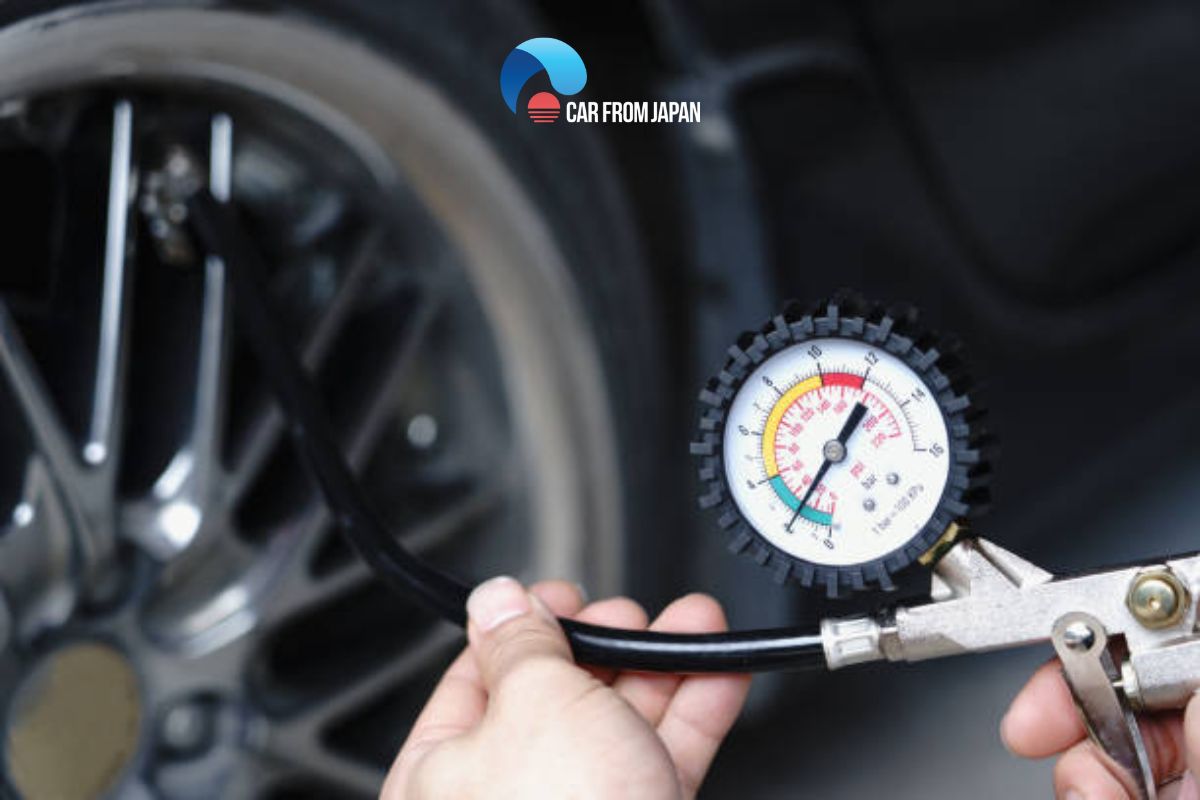
Check your tire pressure at least once a month. Use a tire pressure gauge for an accurate reading.
- Check pressure when tires are cold
- Compare with the recommended pressure in your car manual
- Inspect tires for damage or wear
- Adjust pressure if it is too low or too high
Using Tire Pressure Monitoring Systems
Many cars have Tire Pressure Monitoring Systems (TPMS). These systems warn you if a tire loses pressure.
TPMS helps you fix low pressure quickly. It makes driving safer and prevents tire damage.
Tips For Seasonal Changes
| Season | Pressure Advice |
| Winter | Check pressure more often; cold air lowers pressure |
| Summer | Do not overinflate; heat can raise pressure |
| Spring/Fall | Adjust pressure to match temperature changes |
Season changes affect tire pressure. Adjusting pressure helps keep tires safe all year.
Credit: carfromjapan.com
Frequently Asked Questions
What Is The Ideal Pressure For A Car Tire?
The ideal car tire pressure is usually between 30 and 35 PSI. It varies by vehicle, so check the owner’s manual or tire placard for exact numbers.
How Does Tire Pressure Affect Car Performance?
Proper tire pressure ensures better fuel efficiency, handling, and tire lifespan. Underinflated tires reduce mileage and can cause uneven wear or blowouts.
How Often Should I Check My Car Tire Pressure?
Check tire pressure at least once a month and before long trips. Use a reliable gauge and check when tires are cold for accuracy.
Can Incorrect Tire Pressure Cause Accidents?
Yes, incorrect tire pressure affects traction and braking. Overinflated or underinflated tires increase the risk of losing control and accidents.
Conclusion
Understanding car tire pressure is essential for safe driving. Properly inflated tires ensure better fuel efficiency. They also help in reducing tire wear. Check your tire pressure regularly. It’s a simple task that improves safety. Use a reliable pressure gauge for accurate readings.
Follow the manufacturer’s recommended PSI. This information is usually found in your car manual. Maintaining the right pressure prevents accidents. It also enhances driving comfort. Keep an eye on your tires. Safe tires make every journey better. Remember, well-maintained tires are crucial for your car’s health.
Prioritize tire care for a smoother ride.