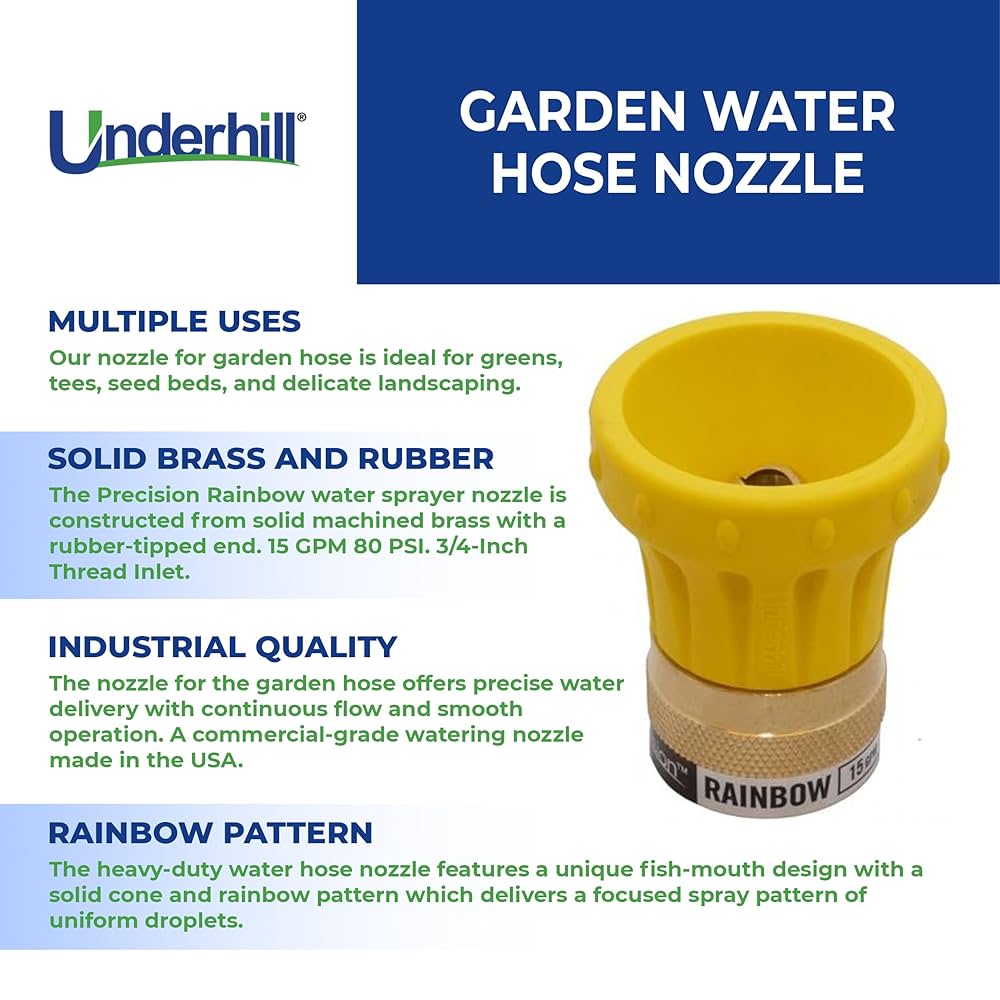
Have you ever wondered what the “psi” on your garden hose nozzle really means? Understanding this simple term can make a big difference in how you water your plants, clean your driveway, or even wash your car.
Knowing the right psi helps you get the perfect spray without damaging your hose or wasting water. You’ll discover exactly what psi is, why it matters, and how to use it to make your gardening and outdoor tasks easier and more efficient.
Keep reading, and you’ll never look at your garden hose nozzle the same way again!
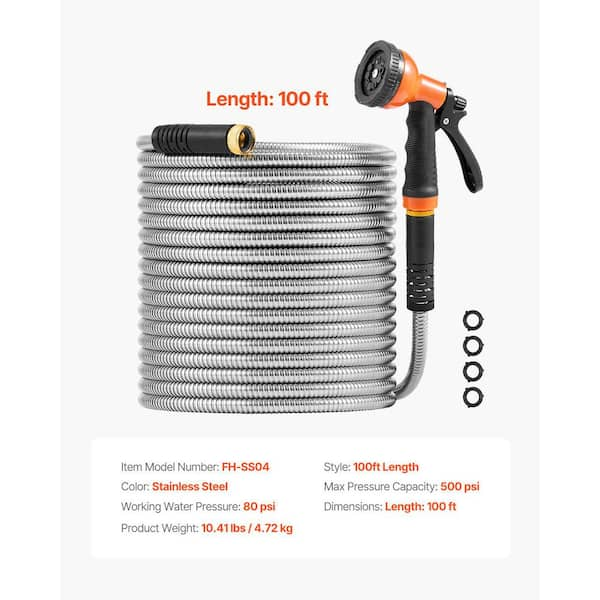
Credit: www.homedepot.com
Psi Basics
PSI stands for pounds per square inch. It measures pressure inside a hose or nozzle.
Knowing PSI helps you understand how water flows from your garden hose nozzle.
What Psi Means
PSI shows the force water pushes through the hose. Higher PSI means more pressure.
- Low PSI: gentle water flow, good for delicate plants
- Medium PSI: average pressure for most gardening tasks
- High PSI: strong spray, useful for cleaning and heavy watering
How Psi Affects Water Flow
Water flow changes with PSI. More pressure pushes more water faster through the nozzle.
| PSI Level | Water Flow Effect |
| 10-20 PSI | Soft spray, saves water |
| 20-40 PSI | Steady flow, good for daily watering |
| 40+ PSI | Strong jet, cleans surfaces well |
Garden Hose Nozzle Types
A garden hose nozzle controls water flow and pressure. Different types offer various spray patterns and power levels.
Choosing the right nozzle helps water your plants efficiently and saves water.
Standard Nozzles
Standard nozzles provide a simple on/off water flow. They often have a fixed spray pattern and are easy to use.
- Good for basic watering tasks
- Usually made of plastic or metal
- Simple twist or lever controls
- Lower pressure output, around 40-60 PSI
Adjustable Nozzles
Adjustable nozzles let you change the spray pattern and pressure. They are more versatile for different garden needs.
| Spray Pattern | Description |
| Jet | Strong, focused stream for cleaning |
| Shower | Gentle wide spray for delicate plants |
| Mist | Fine spray for seedlings |
| Flat | Wide, even coverage for lawns |
High-pressure Nozzles
High-pressure nozzles increase water force for tough jobs. They are useful for cleaning and reaching distant plants.
Uses:
- Cleaning outdoor surfaces
- Powerful watering for large gardens
- Removing dirt and debris
Typical Psi Ranges
The psi, or pounds per square inch, of a garden hose nozzle varies. It affects water flow and pressure for gardening tasks. Understanding the psi ranges helps in choosing the right nozzle setting.
Different psi settings serve specific purposes. They range from gentle watering to powerful cleaning. Here, we explore typical psi ranges for garden hose nozzles.
Low Pressure Settings
Low pressure settings are ideal for delicate plants. These settings generally range from 15 to 25 psi.
- Gentle watering for seedlings
- Soft wash for flowers
- Mist setting for ferns
Medium Pressure Settings
Medium pressure settings are versatile. They handle most garden tasks efficiently. The psi usually ranges from 25 to 40 psi.
| Task | Recommended Psi |
| Lawn Watering | 30 psi |
| Car Washing | 35 psi |
| General Cleaning | 40 psi |
High Pressure Settings
High pressure settings are for heavy-duty tasks. They range from 40 psi and above. Use these settings with caution to avoid plant damage.

Credit: eurotradefish.com
Measuring Nozzle Psi
The psi of a garden hose nozzle shows the water pressure it delivers. Knowing this helps you water plants properly and use the right nozzle.
Measuring the nozzle psi is simple if you have the right tools. You can also estimate pressure without tools by checking water flow and feel.
Using Pressure Gauges
Pressure gauges give you an accurate psi reading. You attach the gauge to the hose or nozzle to measure pressure directly.
- Turn off the water before attaching the gauge.
- Connect the gauge to the hose end or nozzle.
- Turn the water back on slowly.
- Read the psi value on the gauge dial.
- Turn off the water and remove the gauge.
Estimating Pressure Without Tools
You can guess the psi if you lack a gauge. Check how strong the water feels and how far it sprays.
| Pressure Level | Water Flow Feel | Spray Distance |
| Low (Below 20 psi) | Gentle and weak | Short, less than 5 feet |
| Medium (20-40 psi) | Moderate force | 5 to 10 feet |
| High (Above 40 psi) | Strong and firm | More than 10 feet |
Impact Of Psi On Garden Tasks
PSI, or pounds per square inch, measures water pressure in a garden hose nozzle. It affects how water flows and sprays out.
Understanding PSI helps you choose the right nozzle pressure for different garden jobs.
Watering Plants
Low to medium PSI is best for watering plants. Gentle pressure avoids harming leaves and roots.
- Use 10-30 PSI for delicate flowers and seedlings.
- Use 30-40 PSI for larger plants and shrubs.
- Too high PSI can damage plants by breaking stems or washing away soil.
Cleaning Surfaces
High PSI works better for cleaning dirt and grime on patios, driveways, and outdoor furniture.
| PSI Range | Best For | Notes |
| 40-60 PSI | Light cleaning | Removes dust and leaves |
| 60-80 PSI | Medium cleaning | Washes mud and stains |
| 80-100 PSI | Heavy cleaning | Clears tough dirt and mold |
Filling Containers
Moderate PSI fills containers quickly without splashing water outside.
Tips for filling containers:
- Use 30-50 PSI for steady, controlled flow.
- Lower PSI prevents spills and water waste.
- Adjust nozzle to a steady stream for faster filling.
Optimizing Psi For Efficiency
Psi, or pounds per square inch, measures water pressure in a garden hose nozzle. Proper psi helps water plants effectively and saves water.
Using the right psi improves spray patterns and avoids wasting water or damaging plants.
Adjusting Nozzle Settings
Adjust the nozzle to control psi for different tasks. Lower psi suits gentle watering, and higher psi works for cleaning or heavy watering.
- Turn the nozzle dial to change spray types
- Choose mist or shower for delicate plants
- Select jet or cone for cleaning or deep watering
- Test the pressure by feeling water force on your hand
Maintaining Hose And Nozzle
Keep hoses and nozzles clean and damage-free to keep psi steady. Dirt and cracks reduce water pressure and efficiency.
| Maintenance Task | Frequency | Benefit |
| Check for leaks | Monthly | Prevents water loss |
| Clean nozzle openings | Weekly | Keeps spray even |
| Store away from sun | After use | Prevents cracks |
| Replace worn parts | As needed | Maintains pressure |
Avoiding Pressure Loss
Pressure loss happens when water faces resistance inside the hose or nozzle. Avoid long hoses and tight bends to keep psi strong.
- Use hoses 50 feet or shorter
- Avoid sharp bends or kinks
- Choose wider diameter hoses
- Attach nozzles securely to prevent leaks
Safety Tips For High Psi
The psi of a garden hose nozzle measures water pressure. High psi can cause damage or injury if not handled well. Knowing safety tips helps you use high psi nozzles safely.
Always take care when using high-pressure water. This guide shows how to prevent hose damage and protect your hands and eyes.
Preventing Hose Damage
High psi puts stress on garden hoses. Too much pressure can cause leaks or bursts. Avoid damage by handling the hose carefully.
Do not bend or twist the hose sharply. Store it properly to keep it from cracking. Check for holes or weak spots before use.
- Use hoses rated for high psi
- Do not stretch the hose too far
- Keep hose away from sharp objects
- Release pressure after use
Protecting Hands And Eyes
Water at high psi can hurt your skin and eyes. Always wear gloves to protect your hands. Use safety glasses to shield your eyes.
Do not point the nozzle at yourself or others. Make sure your grip is firm to avoid slipping. Stay alert to sudden sprays or bursts.
- Wear sturdy gloves
- Use safety goggles or glasses
- Keep nozzle pointed away from people
- Hold the hose securely

Credit: www.amazon.ca
Frequently Asked Questions
What Does Psi Mean For A Garden Hose Nozzle?
PSI stands for pounds per square inch. It measures the water pressure a garden hose nozzle delivers. Higher PSI means stronger water flow, ideal for cleaning or watering.
What Is The Ideal Psi For Garden Hose Nozzles?
The ideal PSI for garden hose nozzles ranges from 40 to 60 PSI. This pressure ensures effective watering without damaging plants or wasting water.
How Does Psi Affect Garden Hose Nozzle Performance?
PSI directly influences water flow force and spray pattern. Higher PSI provides more powerful sprays, while lower PSI offers gentle watering for delicate plants.
Can High Psi Damage Garden Plants?
Yes, high PSI can harm delicate plants by causing soil erosion or leaf damage. Use nozzles with adjustable PSI to protect your garden.
Conclusion
Understanding the psi of a garden hose nozzle helps control water flow well. Knowing this pressure keeps your plants healthy and saves water. It also makes cleaning easier and more effective. Choose a nozzle with the right psi for your needs.
This simple fact can improve your gardening and outdoor tasks. Remember, the right pressure means better results every time you use your hose.