Have you ever wondered what keeps your car running smoothly every time you turn the key? The secret lies in a crucial part under the hood: the fuel system.
Understanding the purpose of a fuel system can help you take better care of your vehicle and avoid unexpected breakdowns. You’ll discover how this system works, why it matters, and what it means for your car’s performance. Keep reading, and you’ll gain the knowledge that could save you time, money, and frustration on the road.
Fuel System Basics
The fuel system delivers fuel to the engine so it can run. It controls fuel flow and pressure. Without it, the engine cannot work.
This system makes sure the right amount of fuel reaches the engine at the right time. It helps the vehicle run smoothly and efficiently.
Main Components
The fuel system has several key parts. Each part plays an important role to keep fuel moving and the engine running.
- Fuel Tank:Stores the fuel safely until it is needed.
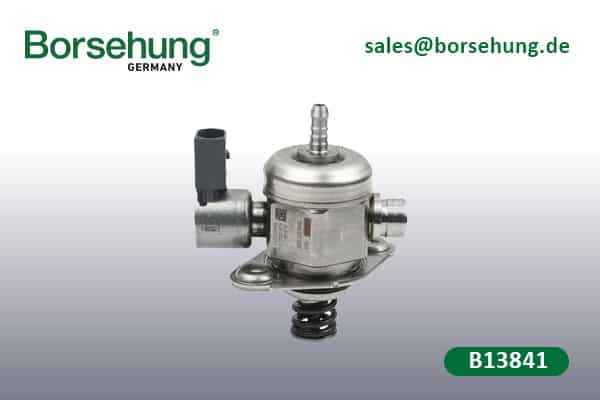
- Fuel Pump:Moves fuel from the tank to the engine.
- Fuel Filter:Removes dirt and debris from the fuel.
- Fuel Injectors:Spray fuel into the engine’s combustion chamber.
- Fuel Lines:Carry fuel between parts of the system.
Types Of Fuel Systems
Different vehicles use different fuel systems. Each type controls fuel delivery in its own way.
| Fuel System Type | Description |
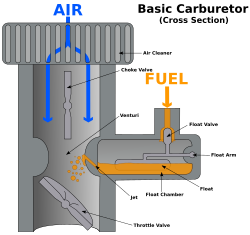
| Carburetor System | Mixes fuel and air before it enters the engine. |
| Fuel Injection System | Sprays fuel directly into the engine’s cylinders. |
| Direct Injection System | Delivers fuel directly into combustion chambers at high pressure. |
| Diesel Fuel System | Uses high-pressure injection to deliver diesel fuel. |
Credit: www.swedespeed.com
Fuel Delivery Process
The fuel delivery process moves fuel from storage to the engine. It ensures the engine gets the right amount of fuel to run well.
This process involves storing fuel safely, pumping it, and injecting it into the engine cylinders for combustion.
Fuel Storage And Supply
Fuel is stored in a tank before use. The tank keeps fuel safe and ready to be sent to the engine. A supply line carries fuel from the tank to the pump.
- Fuel tank holds gasoline or diesel safely
- Supply lines connect the tank to the fuel pump
- Filters clean fuel before it reaches the engine
Fuel Pump Operation
The fuel pump moves fuel from the tank to the engine. It creates pressure to push fuel through the system. Pumps can be mechanical or electric.
| Type | Description |
| Mechanical Pump | Driven by the engine to move fuel |
| Electric Pump | Runs on battery power for steady fuel flow |
Fuel Injection Methods
Fuel injection sends fuel into the engine’s cylinders. It controls how much fuel enters and when. Different methods fit different engine types.
- Throttle Body Injection sprays fuel before the intake valve
- Port Fuel Injection sprays fuel near the intake valve
- Direct Injection sprays fuel directly into the cylinder
Air-fuel Mixture Control
The fuel system controls the mix of air and fuel in an engine. This mix must be just right for the engine to run well. Too much fuel or too much air can cause problems.
Good air-fuel mixture control helps the engine use fuel efficiently. It also reduces pollution and improves power.
Carburetors Vs. Fuel Injectors
Carburetors and fuel injectors both mix air and fuel but work differently. Carburetors use air pressure to pull fuel into the engine. Fuel injectors spray fuel directly into the engine.
- Carburetors are simpler and older technology.
- Fuel injectors give more precise fuel control.
- Fuel injectors help save fuel and reduce emissions.
- Carburetors need more manual tuning than fuel injectors.
Maintaining Optimal Ratios
| Air-Fuel Ratio | Effect | Ideal Range |
| Too Rich (More Fuel) | Causes poor fuel economy and more smoke | Below 14.7:1 |
| Stoichiometric (Balanced) | Best power and efficiency | About 14.7:1 |
| Too Lean (More Air) | Can cause engine knocking and overheating | Above 14.7:1 |
Keeping the right air-fuel ratio is key for engine health. Sensors and control systems help adjust this mix constantly during driving.

Credit: www.youtube.com
Fuel Filtration And Safety
The fuel system plays a key role in keeping engines running smoothly. It moves fuel from the tank to the engine safely and cleanly.
Fuel filtration and safety help protect the engine and the people using it. Clean fuel and safe handling stop damage and accidents.
Filtering Impurities
Fuel often contains dirt, rust, and water. These impurities can harm the engine if not removed.
Fuel filters catch these particles before fuel reaches the engine. This keeps parts clean and working well.
- Removes dirt and debris
- Stops water from entering the engine
- Prevents clogs in fuel injectors
- Improves engine performance
Preventing Leaks And Hazards
Fuel leaks can cause fires and harm people. The fuel system uses seals and strong parts to stop leaks.
Safety features also control pressure and reduce risks. Proper fuel system design keeps users and the environment safe.
- Uses tight seals to stop leaks
- Includes pressure control valves
- Prevents fuel spills and fires
- Protects people and surroundings
Fuel System’s Role In Engine Performance
The fuel system supplies the engine with the right amount of fuel. It controls how fuel mixes with air before combustion. This process affects how well the engine runs.
A good fuel system helps the engine deliver power smoothly and use fuel efficiently. It also helps reduce harmful emissions from the exhaust.
Impact On Power And Efficiency
The fuel system controls fuel flow to the engine. Proper fuel delivery boosts engine power. It also helps the engine use less fuel for the same work.
- Delivers the right fuel amount for different speeds
- Ensures fuel mixes well with air for better burning
- Prevents fuel waste by controlling injection timing
- Keeps the engine running smoothly without stalling
Effect On Emissions
The fuel system affects exhaust gases. Correct fuel mix lowers harmful gases. This helps meet emission standards and protects the environment.
| Emission Type | Cause | Fuel System Role |
| Carbon Monoxide (CO) | Incomplete combustion | Provides proper fuel-air ratio to reduce CO |
| Nitrogen Oxides (NOx) | High combustion temperature | Controls fuel timing to lower combustion heat |
| Hydrocarbons (HC) | Unburned fuel | Ensures complete fuel burn in the engine |
Common Fuel System Issues
The fuel system helps deliver fuel to the engine for combustion. It keeps your vehicle running smoothly. If the fuel system has problems, the engine may not work well.
Many issues can happen with the fuel system. These problems affect fuel delivery and engine performance. It is important to know the signs and how to maintain the system.
Signs Of Fuel Delivery Problems
Fuel delivery problems cause the engine to run poorly. The engine may hesitate, stall, or lose power. Sometimes the car will not start at all.
- Engine sputters or hesitates while driving
- Car stalls or dies unexpectedly
- Hard to start the engine
- Reduced fuel efficiency
- Strong smell of fuel
- Engine warning light turns on
Maintenance Tips
Regular maintenance keeps the fuel system clean and working well. It can prevent many common problems before they start.
- Use clean, high-quality fuel
- Replace the fuel filter as recommended
- Clean fuel injectors periodically
- Check fuel pump for proper operation
- Keep the gas tank at least a quarter full
- Avoid letting the vehicle sit unused for long periods
Credit: www.borsehung.de
Frequently Asked Questions
What Is The Main Function Of A Fuel System?
A fuel system delivers fuel from the tank to the engine efficiently. It ensures proper fuel flow and pressure for optimal engine performance.
How Does A Fuel System Improve Engine Efficiency?
By regulating fuel delivery accurately, the fuel system optimizes combustion. This reduces fuel waste and enhances engine power and fuel economy.
What Components Make Up A Typical Fuel System?
Key components include the fuel tank, fuel pump, fuel filter, and fuel injectors. Each part plays a vital role in fuel delivery and filtration.
Why Is Fuel Filtration Important In A Fuel System?
Fuel filtration removes impurities and contaminants from fuel. This protects the engine from damage and maintains smooth operation.
Conclusion
Understanding the fuel system is crucial for vehicle performance. It ensures your engine gets the right fuel supply. Proper maintenance extends your car’s lifespan. Ignoring issues can lead to bigger problems. Regular checks can save money and trouble. Efficient fuel systems support better mileage.
This benefits both your pocket and the environment. Knowing how it works helps you make informed decisions. So, keep your fuel system in top shape. Your vehicle will thank you with better performance.