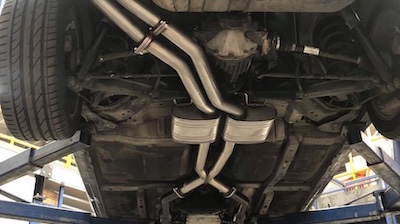
Have you ever wondered why your car has an exhaust emission system? It’s not just a random part hidden under your vehicle.
This system plays a crucial role in keeping the air you breathe cleaner and your engine running smoothly. Understanding its purpose can help you take better care of your car and the environment. Keep reading, and you’ll discover how this simple system impacts your daily drive and why it matters more than you think.

Credit: mechbasic.com
Exhaust Emission System Basics
The exhaust emission system helps reduce harmful gases from a vehicle. It keeps the air cleaner and protects the environment.
This system controls gases like carbon monoxide and nitrogen oxides, which can cause health problems and pollution.
Core Components
The exhaust emission system has several key parts. Each part works to lower different pollutants in the exhaust gases.
- Exhaust Manifold:Collects exhaust gases from the engine cylinders.
- Catalytic Converter:Converts harmful gases into less harmful ones.
- Oxygen Sensors:Monitor oxygen levels in the exhaust to adjust the engine air-fuel mix.
- Muffler:Reduces noise from the exhaust gases.
- Exhaust Pipe:Releases the treated gases safely into the air.
How It Works
The system collects gases produced when fuel burns in the engine. Then it cleans these gases before releasing them.
| Step | Process |
| 1 | Exhaust gases leave the engine through the exhaust manifold. |
| 2 | Oxygen sensors check gas composition and send data to the engine control unit. |
| 3 | The catalytic converter changes harmful gases into safer ones. |
| 4 | The muffler lowers the noise of the exhaust gases. |
| 5 | Cleaned gases exit the vehicle through the exhaust pipe. |

Credit: www.theengineeringprojects.com
Environmental Impact
Exhaust emission systems play a vital role in reducing pollution. They help keep the air clean and safe to breathe.
These systems are designed to limit harmful gases from vehicles. By doing so, they protect the environment and our health.
Reducing Air Pollution
Exhaust emission systems lower the amount of harmful gases in the air. Vehicles produce gases like carbon monoxide and nitrogen oxides.
These systems use filters and converters to clean these gases. This makes the air safer for us and the environment.
- Less smog in cities
- Improved air quality
- Fewer health problems
Protecting Ecosystems
Exhaust emission systems help protect ecosystems. Harmful gases can damage plants, water, and animals.
By reducing these gases, ecosystems can stay balanced. Plants and animals thrive in cleaner air and water.
- Healthier plants and crops
- Cleaner rivers and lakes
- Stronger wildlife habitats
Health Advantages
An exhaust emission system helps reduce harmful gases from vehicles. This system protects people from breathing dangerous air.
Clean air lowers health risks. It supports better breathing and a safer environment for everyone.
Minimizing Respiratory Issues
The system cuts down smoke and tiny particles. These particles can cause coughing, asthma, and other lung problems.
- Reduces asthma attacks in children and adults
- Lowers chances of bronchitis and lung infections
- Decreases irritation of eyes and throat
- Helps people with existing lung diseases breathe easier
Improving Urban Air Quality
Exhaust systems help cities keep their air clean. Cleaner air means fewer health problems for city residents.
| Air Pollutant | Effect on Health | Reduction by Exhaust System |
| Carbon monoxide | Causes headaches and dizziness | Significantly reduced |
| Nitrogen oxides | Triggers asthma and lung damage | Greatly reduced |
| Particulate matter | Leads to heart and lung disease | Strongly reduced |
Vehicle Performance
The exhaust emission system helps control harmful gases from the engine. It plays a key role in how well a vehicle runs.
This system not only reduces pollution but also improves vehicle performance in many ways.
Enhancing Fuel Efficiency
The exhaust emission system helps the engine burn fuel better. It reduces waste and makes fuel last longer.
With less fuel wasted, the vehicle uses less gasoline or diesel, saving money and lowering emissions.
- Monitors and controls harmful gases
- Optimizes air and fuel mix
- Improves combustion process
- Reduces fuel consumption
Extending Engine Life
The system removes harmful gases that can damage the engine. Cleaner exhaust means less wear and tear.
By keeping the engine cleaner, the system helps the vehicle last longer and run smoother.
- Prevents buildup of harmful deposits
- Reduces engine overheating
- Maintains proper engine function
- Lowers repair and maintenance costs
Regulatory Compliance
Exhaust emission systems help vehicles meet government rules. These rules limit harmful gases released into the air.
Following these rules protects the environment and public health. It also ensures vehicles can be legally used on roads.
Meeting Emission Standards
Exhaust systems reduce pollutants like carbon monoxide and nitrogen oxides. This helps cars pass emission tests required by law.
- Controls harmful gases from engines
- Improves air quality in cities
- Supports cleaner and safer transportation
- Helps manufacturers meet legal limits
Avoiding Legal Penalties
Failing to meet emission rules can cause fines or vehicle bans. Authorities check exhaust systems to ensure compliance.
| Violation | Possible Penalty |
| Excessive pollution | Fines up to $10,000 |
| Removed emission controls | Vehicle registration revoked |
| Failed emission test | Mandatory repairs required |
Technological Innovations
The exhaust emission system helps reduce harmful gases from vehicles. It protects the environment and improves air quality.
New technologies make these systems more effective and cleaner. They help cars meet stricter pollution rules worldwide.
Catalytic Converters
Catalytic converters change harmful gases into safer ones. They use chemical reactions to clean exhaust fumes.
Modern converters use advanced materials like platinum and palladium. These materials speed up the cleaning process and last longer.
- Convert carbon monoxide to carbon dioxide
- Turn nitrogen oxides into nitrogen and oxygen
- Change unburned hydrocarbons into water and carbon dioxide
Particulate Filters
Particulate filters trap tiny particles from diesel and gasoline engines. These particles can harm lungs and cause pollution.
New filters use strong materials to capture more particles. Some can clean themselves automatically by burning trapped soot.
- Reduce soot and fine dust in exhaust
- Help meet strict emission standards
- Improve air quality in cities

Credit: www.sciencedirect.com
Frequently Asked Questions
What Is The Main Function Of An Exhaust Emission System?
The main function is to reduce harmful gases released by vehicles. It controls pollutants like carbon monoxide, nitrogen oxides, and hydrocarbons. This system helps protect the environment and improve air quality effectively.
How Does An Exhaust Emission System Improve Air Quality?
It filters and converts toxic gases into less harmful substances. Catalytic converters and sensors play key roles in this process. The system reduces smog and health risks linked to vehicle emissions.
Why Are Exhaust Emission Systems Important For Vehicles?
They ensure vehicles meet environmental regulations and standards. This system prevents excessive pollution and promotes fuel efficiency. It also helps avoid fines and supports sustainable transportation.
What Components Make Up An Exhaust Emission System?
Key components include catalytic converters, oxygen sensors, mufflers, and exhaust pipes. Each part helps monitor and reduce vehicle emissions. Together, they maintain engine performance and reduce pollution.
Conclusion
An exhaust emission system helps keep the air clean. It reduces harmful gases from vehicles. This system protects the environment and human health. It also helps cars run better and last longer. Understanding its purpose shows why maintenance matters. Clean air benefits everyone around us.
Simple steps, like regular checks, improve its function. A well-working exhaust system supports a healthier planet. Small efforts make a big difference over time.