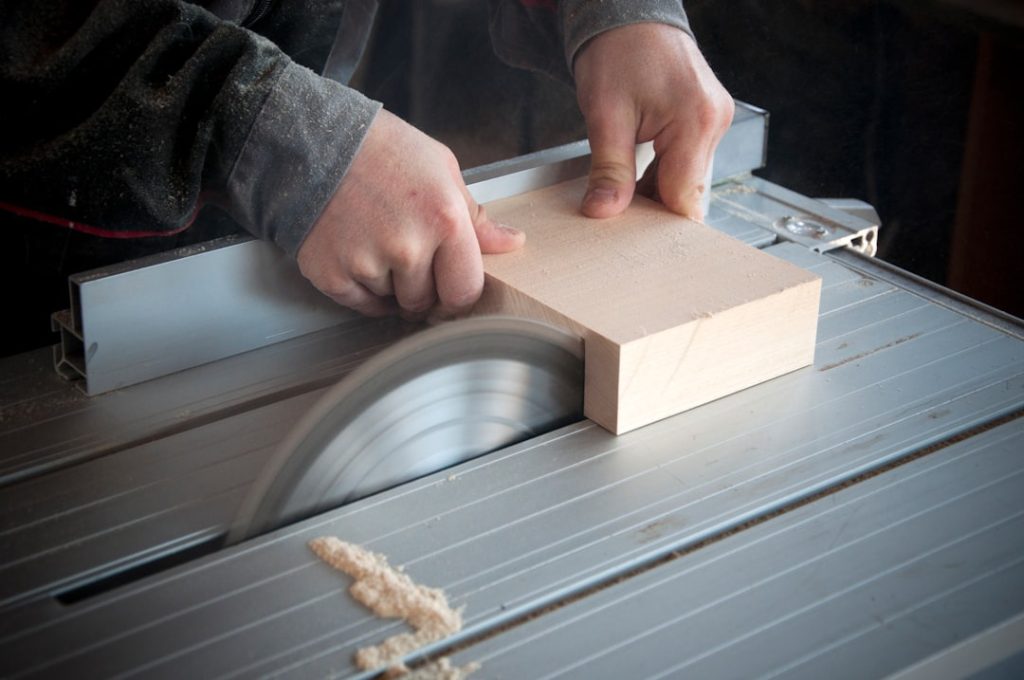
When it comes to preparing food, your cutting board is more than just a kitchen tool—it’s a frontline defense for your health. But have you ever stopped to wonder which cutting board material is truly the safest for you and your family?
Choosing the wrong one could expose you to bacteria, cause damage to your knives, or even affect the taste of your meals. You’ll discover the safest cutting board materials, what makes them stand out, and how to pick the perfect one for your kitchen.
Keep reading—your health and cooking experience depend on it.
Common Cutting Board Materials
Cutting boards come in many materials. Each type has different safety and care needs.
Choosing the right material helps keep your kitchen clean and your knives sharp.
Wood Types And Safety
Wood cutting boards are popular for their natural look and knife-friendly surface. They can be made from hardwoods like maple, walnut, or cherry.
Hardwoods resist deep cuts and bacteria. Wood has natural antimicrobial properties that help keep it safe.
- Maple is dense and durable
- Walnut is soft but strong
- Cherry offers a smooth surface
- Wood boards need regular oiling
Plastic Boards
Plastic cutting boards are lightweight and easy to clean. They are usually dishwasher safe, which helps remove germs.
Plastic boards can get deep cuts that trap bacteria. Replace them when they become rough or cracked.
- Good for raw meat and fish
- Available in many colors
- Easy to sanitize in dishwasher
- Wear out faster than wood
Bamboo Boards
Bamboo boards are eco-friendly and harder than many woods. They resist water but can dull knives faster.
Bamboo has natural antimicrobial qualities but needs regular oiling to avoid cracking and splitting.
- Renewable and sustainable material
- Less porous than wood
- Can be tougher on knives
- Requires care to last longer
Glass And Ceramic Options
Glass and ceramic boards look clean and are easy to wash. They do not absorb liquids or odors.
These boards can damage knives by dulling or chipping blades. They also can break or chip if dropped.
- Non-porous and dishwasher safe
- Hard surface can harm knives
- Not ideal for heavy chopping
- Fragile and can crack easily
Composite Materials
Composite cutting boards mix wood fibers and resin. They are durable and resist water and stains.
These boards are knife-friendly and easy to clean but may be more expensive than other types.
- Durable and long-lasting
- Less prone to warping
- Can be dishwasher safe
- Usually more costly

Credit: vocal.media
Health Risks And Contamination
Cutting boards can carry bacteria that cause illness. Choosing the safest material helps reduce risks.
Using the right cutting board and cleaning it well keeps your food safe to eat.
Bacterial Growth On Boards
Bacteria can grow on cutting boards, especially if they have deep cuts. Some materials hold bacteria more than others.
Wood boards can absorb moisture and bacteria. Plastic boards can get scratched and trap germs in cracks.
Cross-contamination Concerns
Using the same board for raw meat and vegetables can spread harmful germs. This causes cross-contamination.
Separate boards for different food types lower the chance of spreading bacteria from one food to another.
- Use different boards for meat, fish, and veggies
- Color-code boards to avoid mix-ups
- Clean boards well between uses
Cleaning And Sanitizing Tips
Wash cutting boards with hot, soapy water after each use. This removes most bacteria and food particles.
Sanitize boards by using a bleach solution or vinegar to kill germs. Dry boards fully to stop bacteria growth.
- Use a scrub brush to clean grooves and cuts
- Apply a sanitizer solution for extra safety
- Air dry boards in a clean area
Durability And Maintenance
Choosing the safest cutting board material depends on how long it lasts and how easy it is to keep clean. Durable boards save money and reduce waste.
Maintenance is important to prevent bacteria and damage. Some materials need more care than others.
Wear And Tear
Cutting boards face constant knife cuts and water. Hard materials resist deep scratches. Soft materials may get damaged fast.
- Wood boards heal small cuts better than plastic.
- Bamboo is hard but can crack over time.
- Plastic boards wear out faster and show grooves.
- Glass and stone do not scratch but can break.
Knife Friendliness
Safe boards protect your knives from dulling. Hard surfaces like glass can dull blades quickly. Softer boards keep knives sharper longer.
| Material | Knife Wear |
| Wood | Low |
| Bamboo | Medium |
| Plastic | Medium |
| Glass | High |
| Stone | High |
Repair And Longevity
Some boards are easy to fix and last longer. Wood boards can be sanded to remove cuts. Plastic boards cannot be repaired well.
Repair Tips for Cutting Boards:
- Sand wooden boards to smooth out scratches.
- Oil wood regularly to prevent cracks.
- Replace plastic boards when deep grooves appear.
- Avoid dropping glass or stone boards to prevent breaks.
Environmental Impact
Choosing the safest cutting board material means thinking about the environment. Some materials harm nature more than others. Knowing the impact helps you make better choices.
Cutting boards are used daily. Their production and disposal can affect forests, water, and air quality. We look at how different materials measure up.
Sustainability Of Materials
Wood, bamboo, plastic, and composite boards all have different effects on the planet. Wood and bamboo come from trees but grow at different rates. Plastic is made from fossil fuels and can pollute oceans.
| Material | Renewable | Biodegradable | Energy to Produce | End of Life Impact |
|---|---|---|---|---|
| Hardwood | Yes, if harvested responsibly | Yes | Moderate | Low, decomposes naturally |
| Bamboo | Yes, fast-growing plant | Yes | Low | Low, decomposes quickly |
| Plastic | No | No | High | High, pollutes environment |
| Composite | Mixed | Depends on materials | Moderate to high | Varies |
Eco-friendly Choices
Selecting eco-friendly cutting boards can reduce waste and pollution. Some options last longer and break down safely after use. This helps protect forests and oceans.
- Choose boards made from sustainably harvested wood or bamboo
- Avoid single-use plastic boards
- Recycle or compost boards when possible
- Look for products with eco-certifications
- Maintain your board to extend its life
Cost And Availability
Choosing the safest cutting board means thinking about price and where to buy it. Different materials vary in cost and availability. This guide helps you find the best option for your budget and needs.
Price Range Comparison
Cutting boards come in many materials like wood, plastic, bamboo, and composite. Each has a different price range. Knowing the cost helps you pick the safest and most affordable option.
| Material | Typical Price Range (USD) |
|---|---|
| Plastic | $5 – $20 |
| Wood | $20 – $100 |
| Bamboo | $15 – $50 |
| Composite (e.g., resin, recycled wood) | $30 – $80 |
Where To Buy
You can find cutting boards in many places. Some stores specialize in kitchen tools, while others sell general home goods. Prices and choices vary by location.
- Supermarkets and grocery stores often sell plastic and bamboo boards.
- Kitchen specialty shops offer a wide range of wood and composite boards.
- Online retailers provide many options with customer reviews.
- Local markets may have handmade wooden boards at varied prices.

Credit: finance.yahoo.com
Expert Recommendations
Choosing the safest cutting board material is important for kitchen hygiene. Different materials affect how bacteria grow and how easy the board is to clean.
Experts suggest selecting a cutting board that keeps food safe and lasts long. The right material depends on what you cut and how you clean it.
Top Picks For Safety
Wood and plastic are the most common cutting board materials. Wood has natural antibacterial properties. Plastic boards are easy to clean and dishwasher safe.
- Maple and walnut wood boards are dense and resist bacteria well.
- High-density polyethylene plastic boards do not absorb liquids.
- Bamboo boards are hard but may crack, which can trap bacteria.
- Glass and marble boards are non-porous but can dull knives and may crack.
Best For Different Uses
| Material | Best Use | Safety Notes |
| Wood | Chopping vegetables and fruits | Natural antibacterial; hand wash only |
| Plastic | Cutting raw meat and fish | Dishwasher safe; replace if deeply scored |
| Bamboo | General kitchen tasks | Hard surface; avoid soaking in water |
| Glass | Serving and cutting soft foods | Non-porous but can damage knives |
Credit: medium.com
Frequently Asked Questions
What Is The Best Cutting Board Material?
Bamboo is often considered the best material. It’s durable, eco-friendly, and resistant to bacteria. Its hardness resists deep cuts, reducing bacteria build-up. Bamboo is also gentle on knives, ensuring a longer lifespan for your kitchen tools.
Are Plastic Cutting Boards Safer Than Wood?
Plastic cutting boards are easier to sanitize. However, they can develop deep grooves that harbor bacteria. Wood, especially hardwoods like maple, has natural antibacterial properties. Both materials have their pros and cons, but proper cleaning is crucial for safety.
Is Glass A Safe Cutting Board Material?
Glass cutting boards are not recommended. They can dull knives quickly and might shatter under heavy use. While easy to clean, their hard surface is not ideal for preserving knife edges.
Can Bamboo Cutting Boards Harbor Bacteria?
Bamboo cutting boards are less likely to harbor bacteria. They have natural antimicrobial properties. Additionally, their dense surface resists deep cuts, reducing potential bacteria hiding spots. Regular cleaning is still essential for maintaining safety.
Conclusion
Choosing the safest cutting board material matters for your health. Wood and plastic are popular options. Wood resists bacteria and lasts long with care. Plastic boards are easy to clean and affordable. Avoid boards with deep cuts where germs hide.
Always clean your board after use. Replace it if it becomes too worn. A safe cutting board helps keep your kitchen clean. Simple care makes a big difference. Protect your family by picking the right board today.