When it comes to preparing your meals, the cutting board you use plays a bigger role than you might think. Choosing the safest cutting board is not just about convenience—it’s about protecting your health and keeping your kitchen clean.
You want a board that won’t harbor harmful bacteria, won’t damage your knives, and will last through countless meal preps. If you’re wondering which cutting board fits these needs and how to pick the best one for your kitchen, you’re in the right place.
Keep reading, and you’ll discover the key factors that make a cutting board truly safe for you and your family.

Credit: finance.yahoo.com
Types Of Cutting Boards
Cutting boards come in different materials. Each type has its own safety and care features.
Choosing the right cutting board helps keep your kitchen clean and safe.
Wooden Boards
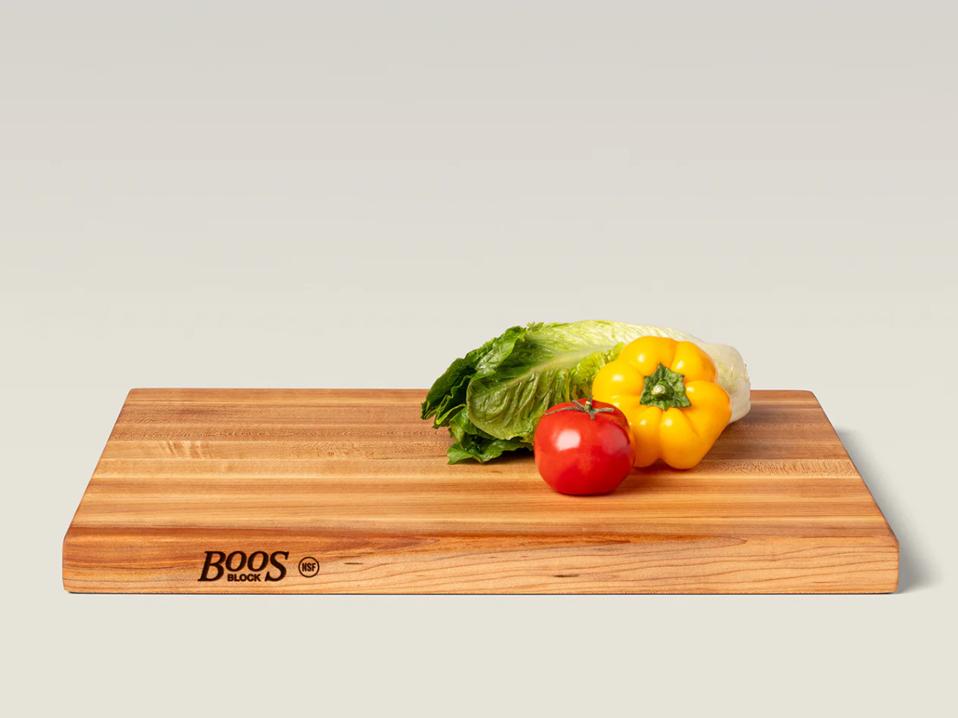
Wooden boards are popular because they are gentle on knives. They also hide cuts well and have natural antibacterial properties.
Maple, cherry, and walnut are common woods used for cutting boards. These woods are durable and safe for food preparation.
Plastic Boards
Plastic boards are lightweight and easy to clean. They can go in the dishwasher, which helps kill bacteria.
They come in many colors. This helps keep raw and cooked foods separate to avoid cross-contamination.
Bamboo Boards
Bamboo boards are eco-friendly and harder than wood. They resist knife marks and absorb less water.
They need regular oiling to stay in good shape and prevent cracking.
Glass And Marble Boards
Glass and marble boards look stylish and are very easy to clean. They do not absorb smells or stains.
These boards can dull knives quickly. They may also cause knives to slip, which can be unsafe.
Composite Boards
Composite boards are made from a mix of wood fibers and resin. They are strong and dishwasher safe.
These boards resist stains and cuts well. They offer a good balance between wood and plastic features.
Health Risks And Safety Concerns
Choosing the safest cutting board matters for your health. Some boards can hold harmful bacteria or chemicals. It is important to know the risks before buying.
This guide explains key safety concerns like bacteria, cross-contamination, and materials used in cutting boards.
Bacterial Contamination
Bacteria can grow on cutting boards if they are not cleaned well. Wood and plastic boards can trap germs in small cuts and scratches. This can cause food poisoning.
- Wash boards with hot soapy water after each use.
- Use a brush to clean grooves and cuts.
- Sanitize boards regularly with vinegar or bleach solutions.
- Replace boards that are deeply scratched or damaged.
Cross-contamination
Cross-contamination happens when bacteria from one food spread to another. This is dangerous, especially between raw meat and fresh vegetables.
| Food Type | Recommended Cutting Board |
| Raw Meat | Plastic or color-coded board |
| Fruits and Vegetables | Wood or separate plastic board |
| Cooked Food | Separate clean board |
Material Toxicity
Some cutting boards contain harmful chemicals. Plastic boards can release toxins if made from low-quality materials. Old or damaged boards may be unsafe.
Here are safe materials to look for:
- Hardwood like maple or bamboo, naturally antibacterial
- High-quality, BPA-free plastic boards
- Boards labeled food-safe and non-toxic
Durability And Maintenance
Choosing the safest cutting board involves looking at how durable it is. You also need to think about how easy it is to keep clean and in good shape.
Some materials last longer and need less care. Others might wear out fast or need special cleaning. This guide covers key points on durability and maintenance.
Cleaning Methods
Cleaning cutting boards properly stops bacteria from growing. Different materials need different cleaning ways to stay safe.
- Wood boards: Wash with hot soapy water, dry immediately.
- Plastic boards: Safe for dishwasher cleaning.
- Bamboo boards: Use mild soap, avoid soaking.
- Glass boards: Easy to clean, but may dull knives.
Longevity Of Materials
Some cutting boards last longer than others. This depends on the material and how you use and care for it.
| Material | Durability | Maintenance Level |
| Wood | High | Medium |
| Plastic | Medium | Low |
| Bamboo | High | Medium |
| Glass | Very High | Low |
Repair And Resurfacing
Cutting boards can get scratches and cuts. Fixing or resurfacing them keeps boards safe and clean.
- Wood boards: Sand lightly to remove cuts and smooth the surface.
- Plastic boards: Replace if deep cuts trap bacteria.
- Bamboo boards: Sand carefully to avoid damage.
- Glass boards: Cannot be repaired; replace if cracked.
Impact On Knife Performance
The type of cutting board affects how your knife works. A good board keeps knives sharp longer.
Choosing the right surface helps protect your blade and makes cutting easier.
Blade Wear
Hard cutting boards can dull knives faster. Softer surfaces reduce blade damage.
Wood and plastic boards cause less wear than glass or stone boards.
- Glass boards are very hard and can chip blades.
- Stone boards wear blades quickly due to hardness.
- Wood boards have a softer surface that is gentle on knives.
- Plastic boards balance softness and durability well.
Cutting Surface Texture
The texture of the cutting board affects knife control. Rough surfaces can dull blades.
Smoother surfaces allow blades to slide easily and cut cleanly.
- Wood boards have a natural grain that can help grip food.
- Plastic boards offer a smooth and even surface.
- Glass boards are very smooth but can be slippery and hard on knives.
- Stone boards have a rough texture that may harm blades.
Eco-friendly And Sustainable Choices
Choosing the safest cutting board means thinking about the planet too. Eco-friendly boards are better for your health and the environment.
Sustainable options use materials that renew quickly and create less waste. This helps protect nature for the future.
Renewable Materials
Cutting boards made from renewable materials are good choices. These materials grow back fast and can be replaced easily.
Wood from trees like bamboo and maple are popular renewable options. Bamboo grows very quickly, making it very eco-friendly.
- Bamboo: Fast-growing and strong
- Maple: Durable and easy to clean
- Wood from managed forests
Recycling And Disposal
How you recycle or throw away a cutting board matters. Some materials break down easily, while others do not.
Wood boards can be composted if they do not have harmful finishes. Plastic boards often end up in landfills and take many years to break down.
- Wood boards: Compost or recycle if untreated
- Bamboo boards: Biodegradable and compostable
- Plastic boards: Usually not recyclable
- Choose boards that can be reused or recycled
Expert Recommendations
Choosing the safest cutting board helps keep food clean and prevents germs. Experts suggest using boards that stop bacteria from spreading.
Materials, cleaning ease, and durability matter when picking a cutting board. Different boards work best for different foods.
Best Boards For Meat
For raw meat, choose boards that resist deep cuts and are easy to clean. This reduces bacteria risks and keeps food safe.
Plastic boards are top picks because they can be washed in hot water. Some experts like hard acrylic or polyethylene boards.
- Non-porous surface prevents bacteria absorption
- Dishwasher safe for thorough cleaning
- Durable and resists deep knife marks
- Usually color-coded to avoid cross-contamination
Best Boards For Vegetables
Wooden boards are often recommended for cutting vegetables. They are gentle on knives and naturally resist bacteria.
Boards made from bamboo or hardwood are good choices. They dry quickly and are less likely to crack or warp.
- Natural antimicrobial properties
- Less likely to dull knives
- Easy to clean with soap and water
- Durable with proper care
Boards For Multipurpose Use
For many kitchens, a combination board works well. Choose one that balances safety, cleaning ease, and durability.
Composite boards made from wood fibers and resin offer good hygiene and long life. They handle various foods safely.
- Non-porous and easy to sanitize
- Strong and resists deep cuts
- Safe for meat, vegetables, and fruits
- Requires gentle cleaning to last longer
Tips For Safe Cutting Board Use
Choosing the safest cutting board helps keep your food clean and healthy. Using your cutting board the right way stops germs from spreading.
Follow simple tips for cleaning, storing, and knowing when to replace your cutting board. This keeps your kitchen safe for cooking.
Proper Cleaning Techniques
Clean your cutting board after each use to remove bacteria. Use hot, soapy water and scrub all surfaces well.
For extra safety, use a solution of one tablespoon bleach to one gallon of water to sanitize. Rinse well and let dry fully.
- Wash with hot, soapy water after every use
- Sanitize with diluted bleach solution regularly
- Dry completely before storing to prevent germs
- Use separate boards for raw meat and vegetables
Storage Tips
Store cutting boards in a clean, dry place to stop mold and bacteria growth. Avoid stacking boards when wet.
Keep boards upright to allow air flow. This helps them dry faster and stay safe for your next use.
- Keep boards in a dry, clean area
- Store boards upright for good air flow
- Do not stack wet boards together
- Separate boards by use to avoid cross-contamination
When To Replace Your Cutting Board
Replace your cutting board if it has deep cuts or cracks. Germs can hide in these spaces and cause sickness.
If your board smells bad even after cleaning, it is time to get a new one. This keeps your food safe.
- Replace boards with deep grooves or cracks
- Discard boards that keep bad smells
- Switch plastic boards every 1-2 years
- Wooden boards may last longer if well cared for
Credit: www.forbes.com

Credit: www.gq.com
Frequently Asked Questions
What Material Is Safest For Cutting Boards?
Wood and plastic are safest materials. Wood naturally resists bacteria and is gentle on knives. Plastic is easy to sanitize and dishwasher-safe. Both materials require proper cleaning to prevent contamination.
How Often Should I Replace My Cutting Board?
Replace your cutting board when deep grooves or cracks appear. These areas harbor bacteria and are hard to clean. Regular inspection and maintenance ensure food safety and hygiene in your kitchen.
Can Bamboo Cutting Boards Be Safe To Use?
Yes, bamboo boards are safe and eco-friendly. They are harder than wood, resist moisture, and have natural antimicrobial properties. Proper cleaning keeps them safe and durable for daily use.
Are Glass Cutting Boards Safe For Food Preparation?
Glass boards are hygienic but not safest for knives. They do not absorb odors or bacteria. However, glass can dull blades quickly and may cause slipping, making them less ideal for cutting tasks.
Conclusion
Choosing the right cutting board ensures your kitchen’s safety and hygiene. Plastic boards are easy to clean and affordable. Wooden boards offer durability and elegance. Bamboo is eco-friendly and gentle on knives. Glass boards, though sleek, can dull blades. Each material has its pros and cons.
Consider your cooking needs and maintenance preferences. Regular cleaning prevents bacteria buildup. Replace boards with deep cuts or grooves. Your kitchen’s safety starts with smart choices. Keep your cutting board clean and well-maintained. Cooking becomes safer and more enjoyable. Make informed decisions for peace of mind in the kitchen.