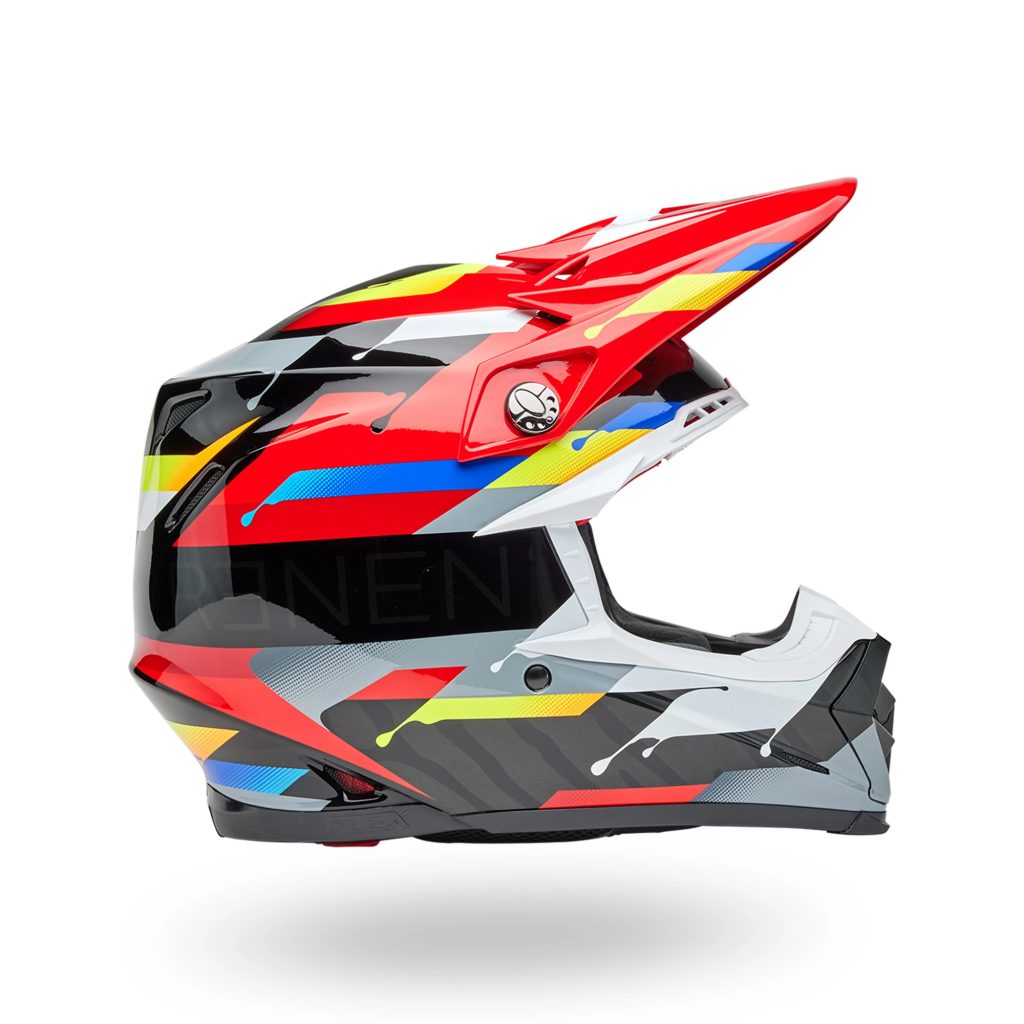
When you’re out on your dirt bike, your helmet is the one thing that stands between you and serious injury. But with so many helmets on the market, how do you know which one truly offers the best protection?
Choosing the safest dirt bike helmet isn’t just about style or price—it’s about protecting your life every time you ride. You’ll discover what makes a helmet the safest choice for you, so you can ride with confidence and peace of mind.
Keep reading—your safety depends on it.

Credit: www.bellhelmets.com
Helmet Safety Standards
Choosing the safest dirt bike helmet means understanding helmet safety standards. These rules ensure helmets protect your head well.
Safety standards test helmets for strength, impact, and coverage. Look for certified helmets to stay safe on dirt bikes.
Dot Certification
The DOT certification is a U.S. safety standard for helmets. It shows that a helmet meets basic protection rules.
DOT tests helmets for impact resistance and penetration. Helmets must also cover enough of the head and stay on during a crash.
- Impact absorption tests
- Penetration resistance
- Retention system strength
- Coverage area requirements
Ece Ratings
ECE ratings are used mainly in Europe. They test helmets for safety and quality in many ways.
The ECE standard checks impact absorption, shell strength, and strap durability. It also tests helmets at higher speeds.
- Impact tests at multiple points
- Shell penetration checks
- Chin strap strength tests
- Field of vision requirements
Snell Standards
Snell standards are strict safety tests done by a private group. They often go beyond government rules.
Snell tests use tougher impact forces. They also check for helmet damage and retention system strength after impacts.
- High-impact energy tests
- Shell and liner damage checks
- Retention system pull tests
- Multiple impact zone testing
Impact Testing Methods
Impact tests measure how well a helmet absorbs shock. These tests use machines to drop helmets from set heights.
Helmets are hit on different spots like front, sides, and top. Sensors inside record the force that reaches the head.
- Drop tests from various heights
- Hits to different helmet areas
- Measuring force inside the helmet
- Checking helmet for cracks or breaks
Key Helmet Features
The safest dirt bike helmets have important features that protect riders. These features help reduce injuries during crashes.
Understanding these features helps you pick a helmet that fits well and keeps you safe.
Shell Material Types
The shell is the helmet’s outer layer. It stops sharp objects and spreads crash forces.
Common materials include:
- Polycarbonate:Lightweight and affordable, good for everyday use.
- Fiberglass Composite:Stronger and lighter, offers better impact resistance.
- Carbon Fiber:Very light and very strong, used in high-end helmets.
Inner Liner Technology
The inner liner cushions your head from impacts. It absorbs shock to reduce injury.
Most helmets use Expanded Polystyrene (EPS) foam. Some use multi-density foam for better protection.
- Single-density EPS foam protects against basic impacts.
- Multi-density liners handle different impact forces better.
- Some liners include advanced materials to reduce rotational forces.
Ventilation Systems
Good ventilation keeps air flowing inside the helmet. It helps riders stay cool and comfortable.
Helmets have vents and channels that move air from front to back.
- Front intake vents bring fresh air in.
- Exhaust vents let warm air escape.
- Internal channels guide airflow around your head.
Chin Strap And Retention
The chin strap keeps the helmet on your head. It must hold tight during a crash.
Look for straps that are easy to adjust and secure well.
- Double-D ring straps offer a strong and reliable hold.
- Quick-release buckles are easy to fasten but still secure.
- Padded straps add comfort under the chin.
Types Of Dirt Bike Helmets
Dirt bike helmets are crucial for rider safety. Different types offer various levels of protection and comfort.
Understanding the options helps you choose the right helmet for your needs.
Full-face Helmets
Full-face helmets cover the entire head. They protect the chin and jaw as well.
- Best for high-speed rides
- Provides maximum protection
- Reduces wind noise
Open-face Helmets
Open-face helmets leave the face exposed. They are lighter and offer more airflow.
These helmets are popular for casual riders who prefer comfort over full protection.
Modular Helmets
Modular helmets combine features of full-face and open-face helmets. The chin bar flips up for convenience.
These helmets are versatile and popular among touring riders.
Motocross Specific Designs
Motocross helmets are designed for off-road racing. They have a sturdy build and extended visor.
| Feature | Purpose |
| Extended Visor | Shields eyes from debris |
| Sturdy Build | Withstands rough impacts |
| Ventilation | Keeps head cool |

Credit: www.bellhelmets.com
Fit And Comfort Factors
Choosing the safest dirt bike helmet means focusing on fit and comfort. A helmet that fits well protects better and feels good to wear.
Comfort keeps riders focused and safe. A tight or loose helmet can cause distractions or injuries.
Measuring Your Head Size
Measure your head size to find the right helmet size. Use a soft tape measure and wrap it around your head.
Measure just above your eyebrows and ears. This is the largest part of your head.
- Use a cloth measuring tape for accuracy
- Take the measurement in centimeters or inches
- Measure twice to confirm the size
- Compare your size with the helmet size chart
Helmet Shape And Fit
Helmet shapes vary to fit different head types. Some helmets fit round heads, others fit oval heads better.
Try helmets to see which shape matches your head. A good fit means the helmet sits snug without pressure points.
- Check for even pressure around the head
- Helmet should not move when you shake your head
- Fit should feel snug but not tight
- Look for a helmet shape that matches your head form
Padding And Adjustability
Padding inside the helmet adds comfort and a better fit. It also helps absorb sweat and reduces noise.
Adjustable pads or liners allow you to customize the fit. Some helmets have removable or replaceable padding.
- Look for helmets with soft, breathable padding
- Check if padding can be removed for cleaning
- Adjustable liners help fit different head shapes
- Good padding reduces helmet movement during riding
Weight Considerations
Lighter helmets reduce neck fatigue and increase comfort. Heavy helmets can tire you faster on long rides.
Balance weight with safety features. A very light helmet might have fewer protective layers.
- Choose a helmet light enough for long use
- Check for strong materials that keep weight down
- Try helmets on to feel their weight on your head
- Comfort improves when the helmet weight is well balanced
Advanced Safety Technologies
Dirt bike helmets protect riders from serious head injuries. Safety technology in helmets keeps riders safer during crashes.
New helmet designs use advanced features to reduce impact forces and protect the brain better.
Mips System
MIPS stands for Multi-directional Impact Protection System. It helps reduce rotational forces on the brain in a crash.
The helmet has a low-friction layer inside. This layer lets the helmet slide slightly on impact, lowering brain twisting.
- Reduces rotational forces during angled impacts
- Works with the helmet’s outer shell
- Improves brain protection beyond normal helmets
Rotational Impact Protection
Rotational impact protection lowers the risk of brain injury from twisting motions. It adds extra safety beyond linear impact protection.
Some helmets use special foam or internal layers to absorb and manage rotational energy during a crash.
- Reduces forces that cause brain strain
- Uses advanced foam or slip layers
- Helps in real-world crash situations
Emergency Release Systems
Emergency release systems help remove helmets safely after a crash. They reduce neck injury risk during helmet removal.
These systems use special cheek pads or quick-release features. Medical staff can remove helmets without pulling hard on the rider’s head.
- Allows fast helmet removal after accidents
- Protects the rider’s neck and spine
- Uses removable cheek pads or tabs
Top Brands And Models
Choosing the safest dirt bike helmet is important for every rider. Helmets protect your head from injuries during accidents. Picking a helmet from trusted brands ensures better safety and comfort.
This guide covers popular helmet brands, high-rated models, and options for different budgets. Learn about helmets that meet safety standards and fit your needs.
Popular Helmet Brands
Many brands make helmets designed for dirt bike riders. These brands focus on safety, quality, and durability. Here are some popular names:
- Bell Helmets
- Fox Racing
- Shoei
- AGV
- HJC
- Arai
High-rated Models
Some helmet models stand out due to their safety ratings and rider reviews. These helmets often use advanced materials and meet or exceed safety standards.
| Helmet Model | Brand | Safety Rating | Key Features |
| Bell Moto-9 Flex | Bell | DOT, ECE | Multi-directional impact protection, lightweight shell |
| Fox V3 RS | Fox Racing | DOT, ECE | Advanced ventilation, double-density foam |
| Shoei VFX-EVO | Shoei | DOT, Snell | Strong fiberglass shell, great fit |
| Arai VX-Pro4 | Arai | DOT, Snell | Excellent ventilation, high comfort |
Budget Vs Premium Options
Dirt bike helmets come in many price ranges. Budget helmets offer basic safety. Premium helmets add comfort and extra protection.
- Budget helmets:Affordable, meet basic safety standards, may be heavier.
- Premium helmets:Use lighter materials, better fit, advanced safety tech.
- Choose based on how often you ride and your safety needs.
Maintenance And Replacement
Keeping your dirt bike helmet safe means regular care and knowing when to change it. Proper maintenance helps the helmet last longer and stay effective.
Follow simple steps to clean, store, and replace your helmet to keep it working well and protect you on every ride.
Cleaning Tips
Clean your helmet carefully to avoid damage. Use mild soap and warm water on the shell and inner padding. Do not use strong chemicals or solvents.
- Remove the liner before washing
- Use a soft cloth to wipe the shell
- Let parts air dry completely
- Do not put the helmet in direct sunlight to dry
- Check vents for dirt and clean gently
When To Replace Your Helmet
Replace your helmet if it has damage or is too old. Cracks, dents, or worn straps reduce safety. Most helmets last about five years.
| Reason | Action |
| After a crash or impact | Replace immediately |
| Visible cracks or damage | Do not use, replace |
| Helmets older than 5 years | Consider replacing |
| Worn or loose straps | Replace or repair |
Storage Best Practices
Store your helmet in a cool, dry place. Avoid heat, sunlight, or heavy objects that can damage it.
Here are tips to keep your helmet safe during storage:
- Keep helmet on a soft surface or helmet stand
- Do not stack heavy gear on top
- Avoid storing in places with high temperature or moisture
- Use a breathable helmet bag for dust protection

Credit: www.btosports.com
Frequently Asked Questions
What Makes A Dirt Bike Helmet The Safest?
A safe dirt bike helmet has strong materials, proper fit, and meets safety standards like DOT or Snell. It must protect against impacts and reduce injury risks during crashes. Ventilation and comfort also contribute to safe riding.
How To Choose The Safest Dirt Bike Helmet Size?
Measure your head circumference and check the manufacturer’s sizing chart. A snug, secure fit without pressure points ensures maximum protection. Avoid helmets that are too loose or too tight to maintain safety and comfort.
Are Full-face Helmets Safer For Dirt Biking?
Yes, full-face helmets offer better protection by covering the chin and face. They absorb impacts and shield against debris, making them the safest choice for off-road riding. Many riders prefer them for enhanced safety and comfort.
What Safety Certifications Should Dirt Bike Helmets Have?
Look for DOT, ECE, or Snell certifications. These standards confirm the helmet passed rigorous impact and durability tests. Certified helmets provide reliable protection and are often required by law in many regions.
Conclusion
Choosing the safest dirt bike helmet means protecting your head well. Always pick a helmet with strong safety certifications. Make sure it fits your head comfortably and stays secure. Good ventilation and clear vision also matter a lot. Remember, a helmet can save your life in a crash.
Safety should be your top priority every time you ride. Stay alert, wear the right gear, and enjoy your ride safely. Your helmet is your best protection on the dirt track.