Choosing the right cutting board might seem simple, but it can make a big difference in your kitchen safety and food hygiene. You want a cutting board that keeps your food safe from bacteria and won’t damage your knives.
But with so many materials out there—wood, plastic, bamboo, glass—how do you know which one is truly the safest for you and your family? Keep reading, because understanding the safest kind of cutting board will help you cook with confidence and protect your health every time you prepare a meal.

Credit: titancuttingboard.com
Types Of Cutting Boards
Cutting boards come in different materials. Each type has its own safety and care needs.
Choosing the safest cutting board helps keep food clean and protects your knives.
Wooden Boards
Wooden cutting boards are popular for their durability and natural look. They are gentle on knives.
Wood can absorb moisture, so clean and dry these boards well to avoid bacteria.
- Made from maple, oak, or walnut
- Self-healing surface reduces knife marks
- Needs regular oiling to stay smooth
- Not dishwasher safe
Plastic Boards
Plastic boards are lightweight and easy to clean. They can go in the dishwasher for sanitizing.
They can get deep knife cuts where bacteria hide. Replace plastic boards when worn out.
- Usually made from polyethylene
- Non-porous and stain resistant
- Easy to sanitize in dishwasher
- May dull knives faster than wood
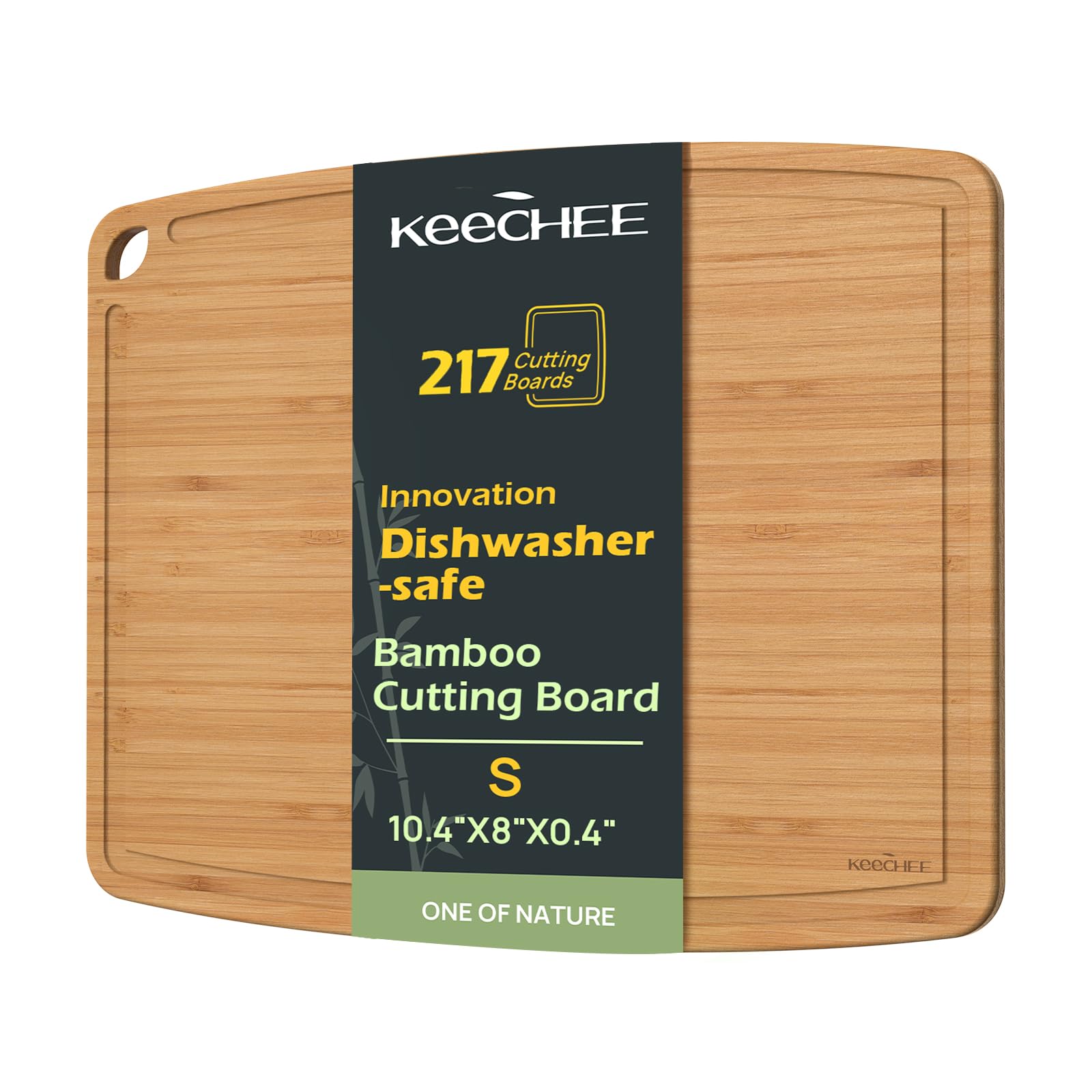
Bamboo Boards
Bamboo boards are eco-friendly and hard. They resist water better than some woods.
They can be tough on knives and need oiling to prevent cracking over time.
- Made from fast-growing bamboo grass
- Less porous than wood
- Durable but harder surface
- Requires regular maintenance
Glass And Marble Boards
Glass and marble boards look stylish and are very easy to clean. They do not absorb odors.
These boards are very hard and can dull or chip knives. They may cause slipping when cutting.
- Non-porous and stain resistant
- Very hard surface, can damage knives
- Not recommended for sharp knife use
- Easy to clean but may slip
Credit: www.crateandbarrel.ca
Safety Factors To Consider
Choosing the safest cutting board helps prevent food contamination. Some boards keep bacteria away better than others.
Durability and how easy a board is to clean affect safety. Also, the board should not damage your knives.
Bacterial Resistance
Some materials stop bacteria from growing more than others. Plastic boards can be cleaned in a dishwasher. Wood boards may absorb moisture and germs.
Hardwoods like maple resist bacteria well. Bamboo is also a good natural choice. Avoid soft wood that can get cut easily.
- Plastic boards clean easily in dishwashers
- Hardwood boards resist bacteria naturally
- Bamboo is less porous than soft wood
- Soft woods can trap germs in cuts
Durability And Maintenance
A cutting board should last long and be simple to clean. Wood boards need oiling to stop cracks. Plastic boards may wear down faster but are easy to wash.
Check the board often for deep cuts. Deep cuts can hold bacteria and are hard to clean. Replace boards with many scratches.
- Wood boards require regular oiling
- Plastic boards can crack with heavy use
- Deep cuts can harbor bacteria
- Replace boards with many scratches
Knife Friendliness
The board should not dull or damage knives quickly. Hard surfaces can make knives blunt fast. Softer surfaces protect knife edges better.
Wood and bamboo boards are gentle on knives. Plastic boards are okay but may get rough over time. Avoid glass or stone boards for knife safety.
- Soft boards protect knife edges
- Wood and bamboo are knife-friendly
- Plastic boards can get rough
- Glass and stone dull knives fast
Comparing Materials For Safety
Choosing the safest cutting board means looking at the material it is made from. Some materials hold germs more than others.
This guide compares common cutting board materials for safety. We focus on how they handle germs, cleaning, and wear.
Porosity And Germ Growth
Porosity means how many tiny holes are in the surface. More holes let germs hide and grow inside the board.
Wood boards can be porous but some types close up when wet, reducing germs. Plastic boards have small pores that can grow germs if scratched.
- Wood: Natural pores, some types resist germs well
- Plastic: Can absorb liquids in scratches, may hold germs
- Bamboo: Less porous, harder surface, fewer germs
- Glass: Non-porous, no germs inside surface
Cleaning And Sanitizing
Cleaning removes food bits and germs from the board. Sanitizing kills bacteria left behind after cleaning.
Plastic boards can go in the dishwasher, which cleans well. Wood boards need hand washing and drying to avoid damage.
- Wood: Hand wash, dry quickly to avoid warping
- Plastic: Dishwasher safe, easy to sanitize
- Bamboo: Hand wash, avoid soaking
- Glass: Dishwasher safe, very easy to clean
Wear And Tear Over Time
Cutting boards get scratches and cuts from knives. These can trap germs and make boards unsafe.
Wood and bamboo boards can self-heal small cuts. Plastic boards show scratches easily and can hold germs there.
- Wood: Cuts close up, less germ hiding
- Plastic: Scratches stay, germs hide in cracks
- Bamboo: Hard surface, fewer scratches
- Glass: No cuts, but knives can slip and break
Health Risks Linked To Cutting Boards
Cutting boards are common in kitchens but can cause health problems. Germs and chemicals can build up on them.
Knowing the risks helps you choose the safest cutting board for your home.
Cross-contamination Issues
Cross-contamination happens when bacteria spread from one food to another. This can cause food poisoning.
Cutting boards can carry bacteria from raw meat to vegetables or cooked food.
- Wood boards can trap bacteria in cracks.
- Plastic boards may get deep cuts where germs hide.
- Cleaning well is key to prevent cross-contamination.
Chemical Treatments And Coatings
Some cutting boards have chemical coatings to protect them or make them look nice. These chemicals can be unsafe.
Over time, coatings can wear off and mix with your food.
- Avoid boards with unknown or harsh chemicals.
- Look for boards labeled food-safe and non-toxic.
- Natural wood boards usually have fewer chemicals.
Allergen Concerns
Cutting boards can hold allergens like nuts or gluten. This can cause reactions in sensitive people.
Using separate boards for allergen foods helps reduce risk.
- Label boards for specific uses if allergies exist.
- Clean boards thoroughly after each use.
- Consider color-coded boards for easy allergen control.
Tips For Maintaining Cutting Board Safety
Using the safest cutting board helps prevent germs from spreading in your kitchen. Keeping your cutting board clean and in good shape is very important.
Follow simple tips to keep your cutting board safe for food preparation. These steps protect your family from harmful bacteria.
Proper Cleaning Techniques
Clean your cutting board right after use. Use hot, soapy water to wash it well. This removes food particles and germs.
For extra safety, sanitize your board. You can use a solution of one tablespoon bleach in one gallon of water. Rinse well and dry completely.
- Wash with hot, soapy water after each use
- Rinse thoroughly to remove soap and debris
- Sanitize with a mild bleach solution regularly
- Air dry or use a clean towel to dry fully
Regular Replacement Guidelines
Replace your cutting board when it gets deep cuts or cracks. These areas can hide bacteria and become unsafe.
Wood and plastic boards both need to be checked often. If they look worn out, it is time to get a new one.
- Inspect boards regularly for cracks or deep grooves
- Replace boards that are hard to clean properly
- Choose durable materials for longer use
Using Separate Boards For Different Foods
Use different cutting boards for raw meat, vegetables, and cooked foods. This stops germs from spreading between foods.
Color-coded boards help you keep track. Assign each board a specific food type to avoid cross-contamination.
- One board for raw meat and poultry
- One board for fruits and vegetables
- One board for cooked foods and bread
- Clean boards well before switching food types
Credit: www.amazon.ca
Eco-friendly And Safe Options
Choosing the right cutting board helps keep your kitchen safe and green. Some materials are better for the environment and your health.
Eco-friendly cutting boards avoid harmful chemicals and last longer. Let’s look at some safe and natural options.
Sustainable Wood Choices
Wood is a popular cutting board material. Some woods grow back fast and do not harm forests.
Hardwoods like maple and bamboo are strong and safe. They resist bacteria when cleaned well.
- Maple is durable and easy to clean
- Bamboo grows quickly and uses less water
- Teak has natural oils that fight germs
Biodegradable Materials
Biodegradable cutting boards break down naturally after use. They reduce waste and pollution.
Materials like wood, bamboo, and rice husk boards decompose safely in soil or compost.
- Wood and bamboo boards last long and biodegrade
- Rice husk boards are made from leftover grain shells
- Choose boards without plastic or synthetic glue
Recycling And Disposal
Proper disposal keeps cutting boards from harming the environment. Some boards can be recycled or composted.
Wood and bamboo boards can be composted if untreated. Plastic boards need special recycling centers.
- Check local recycling rules for plastic boards
- Compost wooden boards free of chemicals
- Cut boards into small pieces before composting
Frequently Asked Questions
What Is The Safest Material For Cutting Boards?
Wood and plastic cutting boards are safest. Wood naturally resists bacteria growth. Plastic boards are dishwasher-safe, ensuring thorough cleaning. Avoid porous materials like bamboo which can harbor bacteria.
Are Wooden Cutting Boards Safer Than Plastic Ones?
Wooden boards have natural antimicrobial properties. They self-heal small cuts, reducing bacteria buildup. Plastic boards can develop deep grooves that trap germs. Both require proper cleaning for safety.
How To Properly Clean A Cutting Board For Safety?
Use hot, soapy water immediately after use. Sanitize with diluted bleach or vinegar solution. Avoid soaking wooden boards to prevent warping. Regular cleaning prevents cross-contamination and bacterial growth.
Can Cutting Boards Cause Foodborne Illnesses?
Yes, contaminated boards can spread bacteria like Salmonella. Using separate boards for raw meat and vegetables reduces risks. Proper cleaning and maintenance are essential to prevent illness.
Conclusion
Choosing the safest cutting board keeps your kitchen clean and healthy. Wooden boards resist bacteria well but need proper care. Plastic boards are easy to clean and dishwasher safe. Avoid boards with deep grooves where germs can hide. Regularly wash and replace your cutting board to stay safe.
Clean boards help prevent food poisoning and keep your meals fresh. Simple care makes a big difference in kitchen safety. Pick a board that fits your cooking style and cleaning habits. Safe cutting boards protect your family every day.