
Choosing the right material for your raised garden beds can make a big difference in the health of your plants and the safety of your family. You want something strong, long-lasting, and free from harmful chemicals.
But with so many options out there, how do you know which one is truly the safest? You’ll discover the best materials that protect your garden and keep your loved ones safe. Keep reading to find out what experts recommend and how you can create a garden bed you’ll feel good about.

Credit: www.amazon.com
Choosing Safe Materials
Raised garden beds are a great way to grow plants in your yard. Picking the right material keeps your garden safe and healthy.
Some materials can release harmful chemicals into the soil. It is important to choose ones that do not harm your plants or your family.
Common Options
Many people use wood, metal, or plastic for raised garden beds. Each material has good and bad points for safety.
- Wood:Cedar and redwood resist rot and are safe to use. Avoid treated wood with chemicals.
- Metal:Galvanized steel or aluminum work well. They do not rot but can heat up in sun.
- Plastic:Use food-safe or recycled plastic. Avoid plastics that contain BPA or toxins.
- Concrete blocks:They are sturdy but may raise soil pH. Use liners to protect plants.
Health Considerations
Safe materials do not leach chemicals into the soil. This keeps your vegetables and flowers free from toxins.
Check if the material has harmful chemicals. Avoid wood treated with arsenic or plastics with BPA for health safety.
- Use natural or untreated wood to avoid chemicals.
- Choose metals that do not rust or release harmful substances.
- Pick plastics labeled food-safe or meant for garden use.
- Line concrete beds to stop soil contact with cement.
Wood Types And Safety
Choosing the right material for raised garden beds is essential. Wood is a popular choice because it’s natural and blends well with the garden environment.
Not all wood types are the same. Some woods are safer for growing edible plants. It’s important to know which woods are best for health and longevity.
Cedar And Redwood Benefits
Cedar and redwood are excellent for raised garden beds. They are naturally resistant to rot and pests. This makes them durable and safe for growing food.
These woods contain natural oils that protect against decay. This means they last longer without the need for chemical treatments.
- Cedar has a pleasant aroma and is lightweight.
- Redwood has a rich color and is strong.
Avoiding Treated Lumber
Treated lumber may contain chemicals that can seep into soil. This is not ideal for growing vegetables or herbs. It’s safer to avoid treated wood in garden beds.
While treated wood lasts longer, the risks to plant safety are significant. It is better to use untreated wood or other safe materials.
- Choose naturally rot-resistant woods like cedar and redwood.
- Consider using alternative materials like stone or metal.
Metal Raised Beds
Metal raised garden beds are popular for their durability and modern look. They resist pests and last longer than wood in many climates.
Choosing the right metal is important for safety and plant health. This guide covers galvanized steel and other metals used in raised beds.
Galvanized Steel Pros And Cons
Galvanized steel is steel coated with zinc to prevent rust. It is strong and holds soil well. The zinc layer protects plants from harmful rust particles.
- Long-lasting and rust-resistant
- Safe for growing most plants
- Can get hot in direct sun, which may affect roots
- May dent if hit hard
- Zinc coating may wear off after many years
Aluminum And Other Metals
Aluminum raised beds do not rust and stay cool in the sun. They are light and easy to move. Some other metals like copper add a decorative touch but can be expensive.
| Metal Type | Advantages | Disadvantages |
|---|---|---|
| Aluminum | Lightweight, rust-proof, stays cool | More expensive, less strong than steel |
| Copper | Decorative, naturally antimicrobial | Very expensive, may patina over time |
| Stainless Steel | Very durable, rust-proof | Costly, heavy |
Plastic And Composite Materials
Plastic and composite materials are common choices for raised garden beds. They offer durability and resistance to decay. These materials can last many years in your garden.
Understanding the benefits and risks helps you decide if these materials suit your gardening needs.
Recycled Plastic Benefits
Recycled plastic is strong and weather-resistant. It does not rot or attract insects like wood. This makes it a low-maintenance option for garden beds.
- Long-lasting without warping or cracking
- Resistant to moisture and pests
- Environmentally friendly by reusing waste materials
- Lightweight and easy to move
- Available in many colors and styles
Potential Risks
Plastic and composite materials have some concerns. Some plastics can release chemicals over time. These may affect soil and plants.
| Risk | Explanation |
| Chemical Leaching | Certain plastics may release harmful substances into the soil |
| Heat Retention | Plastic beds can get hot in direct sun, affecting plant roots |
| Environmental Impact | Plastic production and disposal can harm the environment if not managed well |
Concrete And Stone Options
Concrete and stone are popular choices for raised garden beds. They offer strong support and a natural look.
These materials last long and keep your plants safe from harmful chemicals.
Durability And Safety
Concrete and stone resist weather and pests well. They do not rot or break easily.
Both materials are safe because they do not leach harmful chemicals into the soil.
- Concrete lasts many years without damage.
- Stone is strong and can handle heavy loads.
- Neither material needs extra treatments.
- Safe for growing vegetables and flowers.
Installation Tips
Choose a flat area to build your bed. This helps keep the structure steady.
Use a layer of gravel below to improve drainage and prevent water buildup.
- Mix concrete properly for strong walls.
- Stack stones tightly to avoid gaps.
- Seal concrete if you want extra protection.
- Wear gloves and safety gear during installation.
Avoiding Toxic Materials
Choosing the safest material for raised garden beds helps protect your plants and health. Some materials release harmful chemicals that can enter the soil and plants.
Understanding which chemicals to avoid and which treatments are safe is key for a healthy garden.
Chemicals To Watch For
Some wood and materials contain chemicals that stop decay but can be toxic to plants and humans. Avoid these chemicals in raised beds used for food gardening.
- Arsenic: Found in old pressure-treated wood, it can poison soil and plants.
- Chromated Copper Arsenate (CCA): A chemical once common in treated lumber, now banned for residential use.
- Creosote: Used for wood preservation but highly toxic and not safe near edible plants.
- Pentachlorophenol: A wood preservative harmful to humans and plants.
Safe Sealants And Treatments
Using safe sealants can protect your wood without harming your garden. Look for non-toxic options designed for outdoor use.
| Sealant Type | Benefits | Notes |
| Beeswax | Natural and safe for food gardens | Needs reapplication yearly |
| Linseed Oil | Protects wood and is non-toxic | Use boiled linseed oil for faster drying |
| Water-based Sealants | Low in chemicals, safe for plants | Check for VOC-free labels |
| Natural Oils (e.g., Tung Oil) | Durable and food-safe | May require multiple coats |
Maintenance For Longevity
Choosing the safest material for raised garden beds is only part of the effort. Proper maintenance helps extend the life of your garden bed. This guide covers key care tips to keep your garden beds strong and lasting.
Regular attention prevents damage and helps your materials resist weather and pests. Follow these simple practices to maintain your raised garden beds effectively.
Preventing Material Breakdown
Materials like wood, metal, and plastic can break down over time. Moisture, insects, and sun exposure speed up this process. To avoid early decay, use protective treatments and avoid direct soil contact when possible.
- Apply non-toxic sealants on wooden beds every year.
- Check for rust on metal frames and treat spots quickly.
- Use liners inside plastic beds to prevent cracking.
- Keep raised beds off the ground with small supports to reduce moisture.
Seasonal Care Tips
Weather changes affect your garden beds in different ways. Preparing your beds for each season helps avoid damage and keeps them in good shape.
| Season | Maintenance Task | Benefit |
| Spring | Clean debris and check for damage | Prevents mold and pests |
| Summer | Water wooden beds lightly to avoid drying | Reduces cracking |
| Fall | Apply sealant and tighten joints | Protects from moisture |
| Winter | Cover beds or move portable ones indoors | Prevents freeze damage |
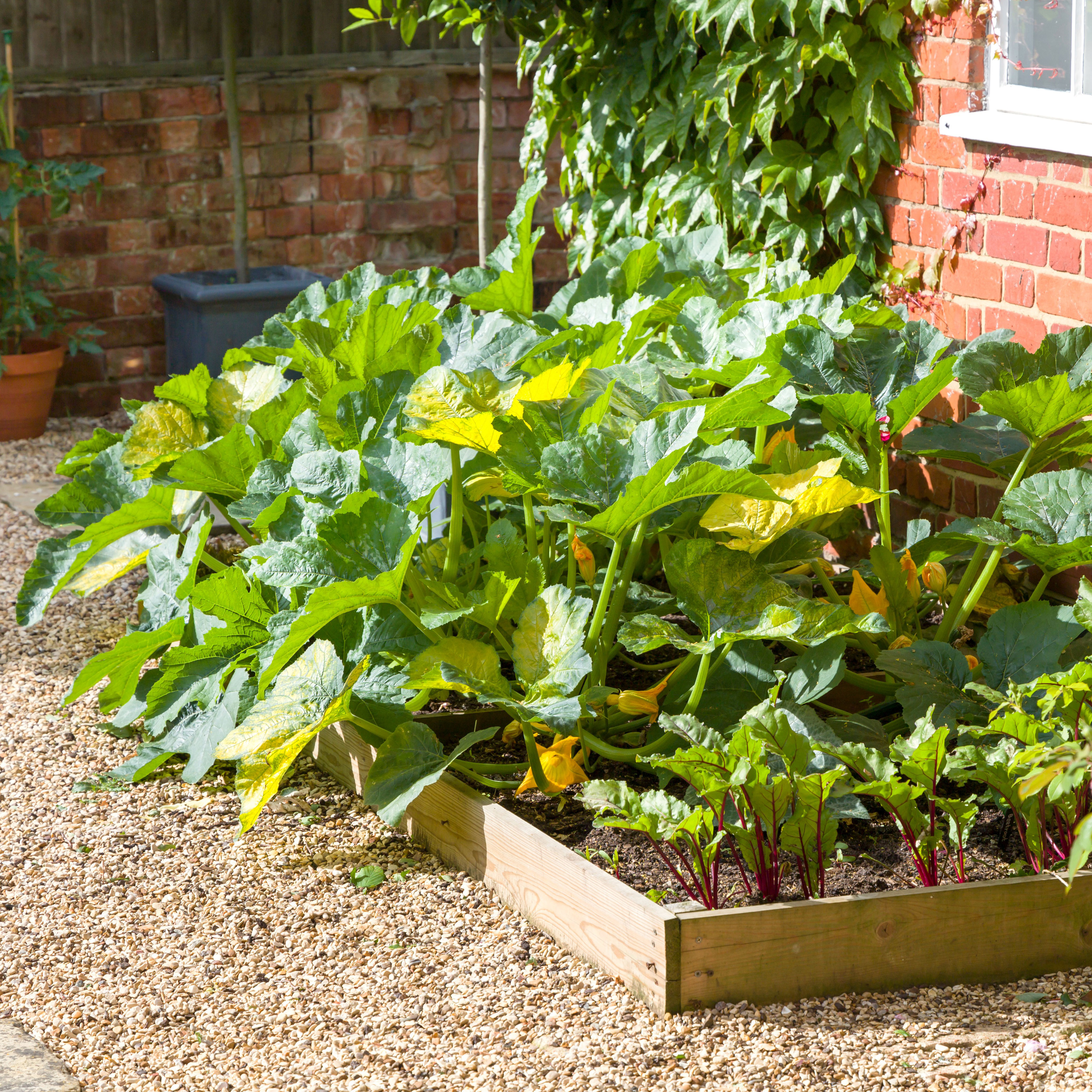
Credit: www.gardeningknowhow.com
Cost And Environmental Impact
Choosing the safest material for raised garden beds depends on cost and environmental impact. You want materials that last long without harming the earth.
Some materials cost less but may not be eco-friendly. Others protect the environment but may be pricier.
Budget-friendly Choices
Wood is a popular, low-cost option for raised garden beds. Untreated cedar and redwood resist rot without chemicals.
Recycled plastic lumber costs more upfront but lasts longer and needs no treatment. It also stops wood rot and insect damage.
- Untreated wood: low initial cost, medium lifespan
- Cedar and redwood: moderate cost, natural rot resistance
- Recycled plastic lumber: higher cost, long lifespan
- Metal: moderate cost, may need rust protection
Sustainability Factors
Safe materials avoid harmful chemicals and break down naturally. Untreated wood is biodegradable and safe for plants.
Recycled plastic reduces waste but does not decompose. It keeps plastics out of landfills and oceans.
- Untreated wood: renewable, biodegradable, no toxins
- Cedar and redwood: natural oils reduce pests, no chemicals
- Recycled plastic: reuse of waste, non-biodegradable
- Metal: recyclable but energy-intensive to produce

Credit: www.epicgardening.com
Frequently Asked Questions
What Is The Safest Wood For Raised Garden Beds?
Cedar and redwood are the safest woods for raised garden beds. They resist rot naturally and contain no harmful chemicals. These woods are durable and safe for growing edible plants. Avoid treated lumber to prevent chemical contamination.
Are Metal Raised Garden Beds Safe For Growing Food?
Yes, metal raised garden beds made from galvanized steel or aluminum are safe. They do not leach harmful chemicals. Metal beds are durable and resistant to pests and rot. Ensure they have a protective coating to prevent rust.
Can Plastic Raised Beds Be Safe For Gardening?
Plastic raised beds can be safe if made from food-grade, BPA-free plastic. They are lightweight and resistant to weather. Avoid recycled plastics that may contain toxins. Properly chosen plastic beds are durable and safe for growing vegetables.
Why Avoid Treated Lumber In Raised Garden Beds?
Treated lumber contains chemicals that can leach into soil and plants. These chemicals may be harmful to health. Using untreated or naturally rot-resistant wood is safer for edible gardens. Always check the treatment type before using lumber.
Conclusion
Choosing safe materials for raised garden beds protects your plants and soil. Natural wood like cedar and redwood resist rot without harmful chemicals. Untreated wood and recycled materials can be safe if they do not contain toxins. Avoid materials that may leach harmful substances into the soil.
Your garden will thrive with thoughtful material choices. Always prioritize safety for healthy, delicious harvests. Simple, safe materials create a garden you can trust and enjoy.