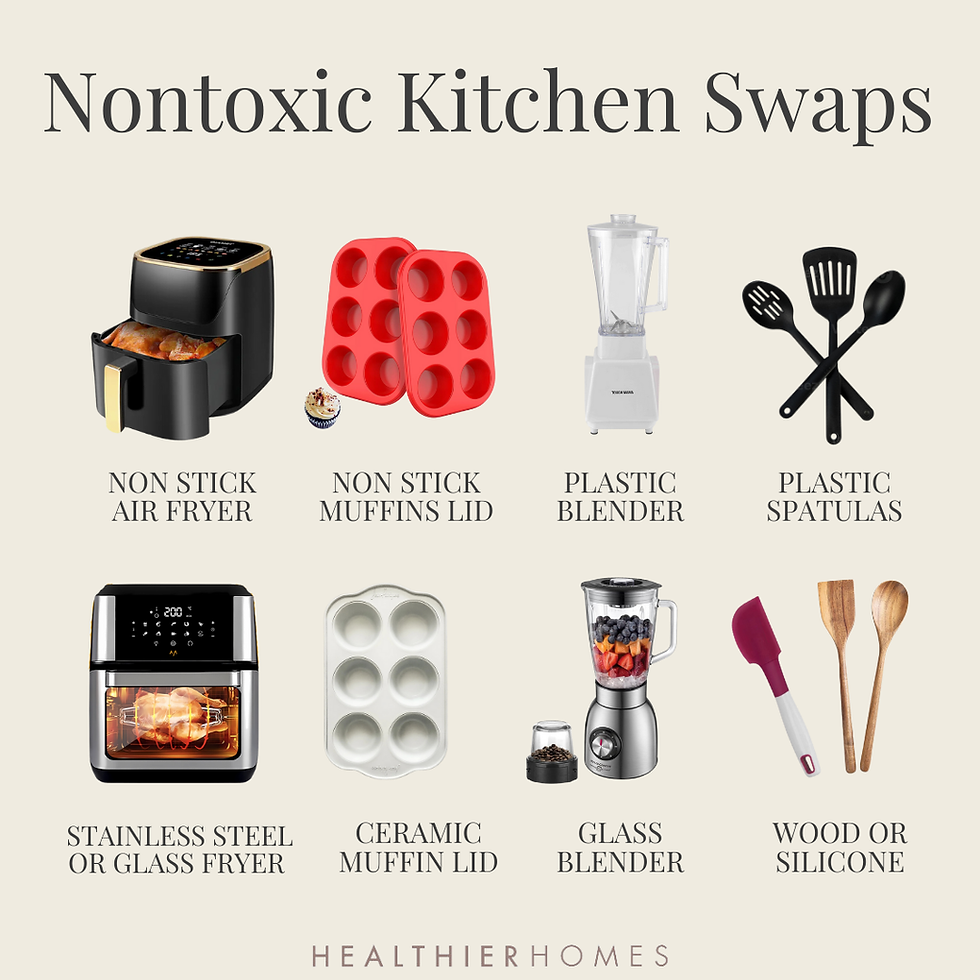
Choosing the right cookware is more important than you might think. What you use every day to prepare your meals can affect your health and the taste of your food.
You want cookware that is not only durable but also safe for you and your family. But with so many options out there, how do you know which one is truly the safest? You’ll discover the best types of cookware that protect your health and make cooking easier.
Keep reading to find out how to make the smartest choice for your kitchen and your well-being.

Credit: www.rd.com
Cookware Materials Compared
Choosing the safest cookware depends on the material used. Each type has its own benefits and risks for health and cooking.
This guide compares common cookware materials to help you decide what suits your kitchen best.
Stainless Steel Benefits And Drawbacks
Stainless steel is popular for being strong and durable. It does not react with food, so it is safe for cooking.
It can be hard to clean if food sticks. Also, it does not heat evenly, which may cause hot spots.
- Non-reactive and safe for all foods
- Durable and long-lasting
- Can cause uneven cooking without layered bases
- Food may stick and require more cleaning effort
Nonstick Coatings And Safety
Nonstick pans use coatings to prevent food from sticking. They make cooking and cleaning easy.
Some coatings can release harmful chemicals if heated too high. Use low to medium heat to stay safe.
- Easy to cook with and clean
- Avoid overheating to prevent toxic fumes
- Coatings may wear off over time
- Best for low-fat cooking
Cast Iron Pros And Cons
Cast iron is heavy but lasts for decades. It heats evenly and adds iron to your food.
It needs special care to avoid rust. It is not good for acidic foods and can be heavy to handle.
- Excellent heat retention and even cooking
- Adds dietary iron to meals
- Requires seasoning and careful cleaning
- Heavy and can rust if not dried properly
Ceramic Cookware Features
Ceramic cookware is known for being non-toxic and eco-friendly. It usually has a smooth surface that resists sticking.
It can chip or crack if dropped. Some ceramic coatings may wear off with use.
- Non-toxic and safe for cooking
- Good nonstick properties without chemicals
- Fragile and can break easily
- May lose coating over time
Copper Cookware Insights
Copper heats very quickly and evenly. It gives great control over cooking temperature.
Pure copper can react with food and cause taste changes. Most copper pans have a lining to prevent this.
- Fast and even heat conduction
- Needs lining to avoid food reaction
- Requires regular polishing to keep shine
- Usually more expensive than other types
Glass Cookware Characteristics
Glass cookware is non-reactive and safe for baking and cooking. It does not release chemicals or metals.
Glass can break or shatter with sudden temperature changes. It is not suitable for stovetop cooking.
- Non-toxic and chemical-free
- Good for baking and microwaving
- Fragile and can break easily
- Not ideal for stovetop use
Health Risks In Cookware
Choosing the right cookware is important for your health. Some materials may release harmful substances into your food.
Understanding health risks in cookware helps you cook safely and protect your family.
Chemical Leaching Concerns
Certain cookware coatings can break down and release chemicals when heated. These chemicals may mix with your food.
Non-stick pans with damaged coatings can leach harmful substances like PFOA and PTFE.
- Always avoid scratched or peeling non-stick cookware.
- Use low to medium heat to reduce chemical release.
- Choose cookware with safe, tested coatings.
Heavy Metals Exposure
Cookware made from some metals may release heavy metals into food. These metals can be toxic if ingested often.
Aluminum, copper, and cast iron pans can leach metals, especially with acidic foods like tomato sauce or lemon juice.
- Use anodized aluminum to reduce metal release.
- Stainless steel is safer for metal leaching.
- Avoid cooking acidic foods in reactive metal pans.
High-temperature Cooking Effects
Cooking at very high heat can cause cookware to break down or create harmful compounds. This happens with many materials.
Overheating non-stick pans can release toxic fumes. High heat can also damage coatings and surfaces.
- Use moderate heat to protect cookware and food safety.
- Avoid empty heating of pans at high temperatures.
- Choose cookware that tolerates high heat well, like stainless steel or cast iron.
Choosing Safe Cookware
Choosing the safest cookware is important for health and food quality. Some materials release harmful chemicals during cooking.
Safe cookware helps keep food tasty and free from toxins. Learn what to look for when buying pots and pans.
Key Safety Certifications
Safety certifications show that cookware meets health and safety standards. Look for these marks before buying.
- FDA approved materials ensure no harmful chemicals
- NSF certification means it is safe for food contact
- Prop 65 compliance shows no toxic substances
- RoHS certification limits hazardous materials
Durability And Maintenance Tips
Durable cookware lasts longer and stays safe to use. Proper care keeps the cookware in good condition.
Follow cleaning and storage tips to avoid damage and harmful build-up.
- Use non-abrasive cleaners to protect coatings
- Avoid metal utensils on non-stick surfaces
- Dry cookware fully to prevent rust
- Replace cookware when coatings peel or wear out
Eco-friendly Cookware Options
Eco-friendly cookware is made from natural or recycled materials. It reduces pollution and waste.
These options often last long and are safe for cooking.
- Cast iron is durable and free of chemicals
- Stainless steel is recyclable and safe
- Ceramic cookware uses natural materials
- Glass cookware does not release toxins

Credit: zyliss.co.uk
Proper Cookware Use And Care
Choosing the safest cookware is just the first step. Proper use and care keep it safe for cooking. This helps food taste better and lasts longer.
Each type of cookware needs special attention. Learning how to clean and handle them protects your investment and your health.
Cleaning Methods For Longevity
Clean your cookware gently to avoid damage. Use soft sponges and mild soap. Avoid harsh scrubbers on nonstick or coated pans.
- Wash by hand instead of dishwasher to protect coatings.
- Dry cookware immediately to prevent rust and stains.
- Use baking soda paste for tough stains on stainless steel.
- For cast iron, avoid soap and dry well before oiling.
Avoiding Damage And Wear
Handle cookware carefully to keep it safe and long-lasting. Using the right tools and avoiding sudden temperature changes help prevent cracks or warping.
| Common Damage | How to Avoid |
| Scratches on nonstick surface | Use wooden or silicone utensils |
| Warped pans | Heat gradually, avoid high heat on empty pans |
| Rust on cast iron | Keep dry and season regularly |
| Stains on stainless steel | Clean quickly after use, avoid strong chemicals |
Safe Cooking Practices
Use your cookware safely to keep food healthy and avoid accidents. Follow simple rules for heating and handling to protect yourself and your pans.
- Preheat pans on low or medium heat only.
- Do not overheat empty pans to avoid toxic fumes.
- Use appropriate utensils to avoid scratching surfaces.
- Check for cracks or chips before each use.
- Allow cookware to cool before cleaning or storing.
Innovations In Cookware Safety
Cookware safety has improved with new materials and smart features. These changes help reduce health risks in the kitchen.
Innovations focus on safer materials and technology that make cooking easier and healthier.
New Non-toxic Materials
Manufacturers use safer materials that do not release harmful chemicals when heated. These non-toxic options protect your health.
- Ceramic coatings free from PTFE and PFOA
- Stainless steel with no toxic additives
- Cast iron that naturally avoids chemicals
- Silicone utensils that resist heat without toxins
- Glass cookware that is fully inert and safe
Smart Cookware Technologies
Smart cookware uses sensors and controls to prevent overheating and reduce burning. This technology improves safety and cooking results.
| Feature | Benefit |
| Temperature Sensors | Stops cooking if too hot |
| Automatic Shut-off | Prevents fires and burns |
| Bluetooth Connectivity | Allows remote monitoring |
| Heat Distribution Control | Even cooking, less risk of hot spots |

Credit: www.rd.com
Frequently Asked Questions
What Is The Safest Cookware Material?
Stainless steel and cast iron are considered safe cookware materials. They are durable, non-reactive, and free from harmful chemicals. Stainless steel is excellent for sautéing and browning, while cast iron retains heat well. Both options offer peace of mind for health-conscious cooks.
Is Ceramic Cookware Safe For Health?
Yes, ceramic cookware is generally safe for health. It is non-toxic, free from harmful chemicals, and provides even heat distribution. Ceramic coatings are made from natural materials, making them an eco-friendly choice. However, ensure to choose high-quality ceramic cookware to avoid potential lead or cadmium risks.
How Does Non-stick Cookware Affect Safety?
Non-stick cookware can be safe if used correctly. Overheating non-stick surfaces can release harmful fumes. Opt for PFOA-free and PTFE-free non-stick options to minimize health risks. Use low to medium heat settings and avoid metal utensils to maintain the coating’s integrity and ensure safe cooking.
Are There Any Risks With Aluminum Cookware?
Aluminum cookware can pose health risks if not coated properly. Uncoated aluminum can react with acidic foods, leaching into the meal. Anodized aluminum or aluminum with a non-stick coating reduces these risks. Choose high-quality options to enjoy the benefits of lightweight and affordable cookware safely.
Conclusion
Choosing safe cookware matters for your health and cooking quality. Materials like stainless steel, cast iron, and ceramic offer safe options. Avoid cookware that can release harmful chemicals when heated. Regular care extends your cookware’s life and keeps it safe.
Think about your cooking needs and budget too. Safe cookware helps you enjoy meals without worry. Keep it simple. Cook smart and stay healthy.