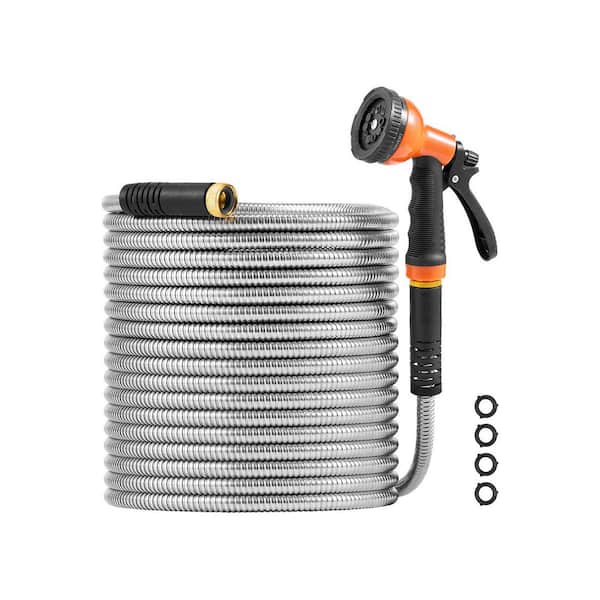
Are you confused about choosing the right garden hose size for your outdoor needs? Knowing the size of your garden hose can make a big difference in how well it works for watering plants, washing your car, or cleaning your patio.
If your hose is too small, water flow might be weak. Too big, and it could be heavy and hard to handle. You’ll discover exactly what garden hose sizes mean and how to pick the perfect one for your tasks.
Keep reading to find out how the right hose size can save you time, effort, and frustration.

Credit: www.amazon.com
Garden Hose Diameter Types
Garden hoses come in different diameters. The diameter affects how much water flows through the hose.
Choosing the right diameter helps your watering tasks work better. It also saves water and time.
Common Hose Sizes
The most common garden hose diameters are 1/2 inch, 5/8 inch, and 3/4 inch. Each size fits different needs.
A 1/2 inch hose is smaller and lighter. It works well for light watering or small gardens.
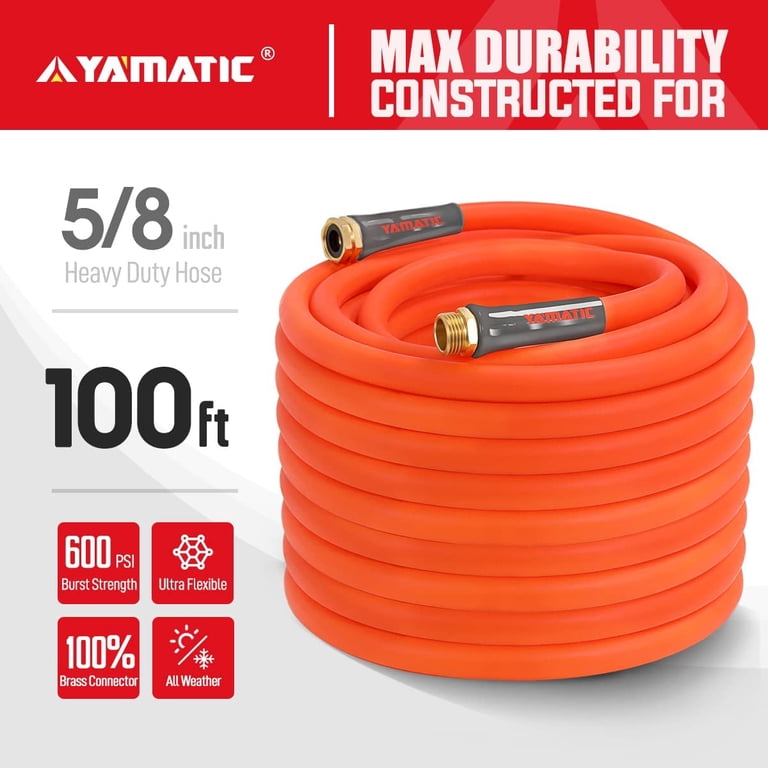
A 5/8 inch hose is the most popular size. It balances water flow and ease of use for many tasks.
A 3/4 inch hose is larger and delivers more water. It is good for big gardens or washing cars.
- 1/2 inch – lightweight, for small watering jobs
- 5/8 inch – common size, good for most gardens
- 3/4 inch – larger flow, for heavy watering
Impact Of Diameter On Flow
The diameter of a garden hose changes how fast water flows through it. Bigger hoses let more water pass.
Smaller hoses reduce water flow and pressure. This can slow down watering and make tasks take longer.
| Diameter | Water Flow | Best Use |
|---|---|---|
| 1/2 inch | Low flow | Small plants, light watering |
| 5/8 inch | Medium flow | General watering, most gardens |
| 3/4 inch | High flow | Large areas, washing vehicles |
Credit: www.walmart.com
Length Options For Garden Hoses
Garden hoses come in various lengths, each suited for different tasks. Choosing the right length is crucial for efficient watering.
Understanding the length options helps you decide which hose best fits your garden’s needs. Let’s explore the choices available.
Short Vs Long Hoses
Short hoses are ideal for small spaces or close watering tasks. They are easy to store and handle. Long hoses cover larger areas but may be heavier.
- Short hoses: 25 to 50 feet
- Long hoses: 75 to 100 feet or more
Choosing Based On Garden Size
The size of your garden influences the hose length you need. Measure the distance from the water source to the farthest point in your garden.
| Garden Size | Recommended Hose Length |
| Small (up to 1000 sq ft) | 25-50 feet |
| Medium (1000-2500 sq ft) | 50-75 feet |
| Large (over 2500 sq ft) | 75 feet or more |
Material And Flexibility
The size of a garden hose depends on the material and how flexible it is. These factors affect how easy the hose is to use and store.
Different materials offer different levels of strength and flexibility. Choosing the right hose helps with watering your garden efficiently.
Types Of Hose Materials
Garden hoses come in various materials. Each type has its own benefits and drawbacks.
- Rubber:Strong and durable but heavier. It resists cracking.
- Vinyl:Lightweight and cheaper but less durable. It can kink easily.
- Polyurethane:Lightweight and flexible. Good for cold weather.
- Reinforced:Has layers for extra strength. It lasts longer under pressure.
Benefits Of Flexible Hoses
Flexible hoses are easier to move around your garden. They bend without kinking, which makes watering easier.
These hoses are also easier to store. You can coil them up without worrying about damage.
- Reduce twisting and tangling
- Lightweight for easy handling
- Store in small spaces
- Better for uneven garden paths
Matching Hose To Water Pressure
Choosing the right garden hose size helps keep water flowing well. It also protects the hose from damage caused by pressure changes.
Understanding water pressure is key. It affects how the hose performs during use.
How Pressure Affects Hose Performance
Water pressure pushes water through the hose. Too much pressure can cause leaks or bursts. Too little pressure lowers water flow and watering speed.
- High pressure may need thicker walls in the hose.
- Low pressure works fine with smaller diameter hoses.
- Long hoses reduce pressure at the end.
- Check your water source pressure before buying.
Selecting Hose Size For Optimal Pressure
Hose size affects both pressure and flow rate. A larger hose carries more water but needs more pressure to fill it.
| Hose Diameter | Best Water Pressure Range (PSI) | Common Use |
| 1/2 inch | 20-40 | Light watering, short distances |
| 5/8 inch | 30-60 | General gardening, medium length |
| 3/4 inch | 40-80 | High flow, long distances |
Fittings And Connectors
Garden hoses need proper fittings and connectors to work well. These parts join hoses to water sources and other tools.
Choosing the right size and type of connector helps prevent leaks and keeps water flowing.
Standard Connector Sizes
The most common garden hose connector size is 3/4 inch. This fits most hoses and taps in the U.S.
Other sizes include 1/2 inch and 5/8 inch, but these are less common. Some hoses use metric sizes too.
| Connector Size | Common Use |
|---|---|
| 1/2 inch | Light garden use, small hoses |
| 5/8 inch | Medium garden hoses |
| 3/4 inch | Standard for most hoses and taps |
| Metric sizes | Used outside the U.S. (e.g., 19mm) |
Ensuring Secure Connections
To avoid leaks, connectors must fit tightly on the hose and tap. Use connectors made of durable materials like brass or plastic.
Check the rubber washers inside connectors. Replace them if worn to keep a good seal.
- Push connectors fully onto hose ends
- Tighten connectors by hand or with a wrench
- Use Teflon tape on threaded parts for extra seal
- Replace damaged connectors promptly
Tips For Measuring Hose Size
Knowing the right size of your garden hose helps you avoid leaks and fit accessories well.
Measuring hose size is easy if you follow a few simple tips. Use the right tools and check carefully.
Measuring Diameter Accurately
Use a ruler or caliper to measure the hose diameter. Measure the inside and outside diameter to get the right size.
- Cut a small piece of the hose or use the hose end.
- Measure the inside diameter (ID) across the opening.
- Measure the outside diameter (OD) across the hose width.
- Record both measurements for accuracy.
- Compare measurements with standard hose sizes.
Checking Compatibility With Accessories
Check your hose size before buying connectors, nozzles, or sprinklers. Accessories must fit the hose diameter.
| Accessory Type | Recommended Hose Size | Notes |
| Connector | 5/8 inch or 3/4 inch | Match connector size to hose ID |
| Nozzle | 5/8 inch | Fits most common garden hoses |
| Sprinkler | 3/4 inch | Check product specs for exact size |
| Hose Clamp | Matches hose OD | Use clamp size close to hose OD |
Common Mistakes To Avoid
Choosing the right size for your garden hose is important. Many people make mistakes that cause problems later.
This guide will help you avoid common errors when picking your garden hose size.
Choosing The Wrong Diameter
Picking a hose with the wrong diameter can reduce water flow. Too small a diameter causes weak water pressure.
Too large a diameter wastes water and makes the hose heavy and hard to use.
- Small diameter: less water flow, slower watering
- Large diameter: heavier hose, harder to handle
- Match diameter to your water needs and pressure
Ignoring Length Requirements
Using a hose that is too short limits your reach. You may have to move the hose often, wasting time.
Too long a hose lowers water pressure and is harder to store. It can also kink easily.
- Short hose: limited watering area
- Long hose: pressure drops, difficult to manage
- Measure the distance before buying a hose

Credit: www.amazon.com
Frequently Asked Questions
What Are The Common Garden Hose Sizes Available?
Garden hoses typically come in 1/2 inch, 5/8 inch, and 3/4 inch diameters. The 5/8 inch size is the most popular for general use. Hose length can vary from 25 to 100 feet, depending on your watering needs.
How Does Garden Hose Size Affect Water Flow?
Larger hose diameters allow more water to flow through, reducing pressure loss. A 3/4 inch hose delivers higher water volume than a 1/2 inch hose. Choosing the right size ensures efficient watering and prevents damage to your hose or equipment.
What Size Garden Hose Is Best For Watering Plants?
A 5/8 inch garden hose is ideal for most home gardening tasks. It balances good water flow with ease of handling. Smaller hoses may restrict water, while larger ones can be bulky and harder to manage.
Can Garden Hose Size Impact Watering Pressure?
Yes, smaller diameter hoses increase water pressure but reduce flow rate. Larger hoses lower pressure but provide more water volume. Selecting the correct hose size ensures optimal pressure and efficient watering.
Conclusion
Choosing the right garden hose size matters for your watering needs. Small hoses suit light tasks like watering flowers. Larger hoses handle bigger jobs and reach farther. Remember, hose diameter affects water flow and pressure. Use this guide to pick a hose that fits your garden.
Proper hose size saves time and water. Keep your plants happy and your garden healthy. Simple choices make gardening easier and more fun.