Are you struggling to find the right garden hose for your watering needs? One key factor you might not have considered is the diameter of the hose.
Choosing the smallest diameter could save you space and make handling easier, but it might also affect water flow. If you want to know exactly what the smallest diameter of a garden hose is and how it impacts your gardening tasks, keep reading.
This simple detail can make a big difference in how efficiently you water your plants and maintain your garden. Let’s dive in and help you pick the perfect hose for your outdoor space.

Credit: www.amazon.in
Common Garden Hose Diameters
Garden hoses come in different sizes. The diameter affects how much water flows through the hose.
Choosing the right diameter helps with watering plants or washing cars efficiently.
Standard Sizes Explained
Most garden hoses have three standard diameters: 1/2 inch, 5/8 inch, and 3/4 inch. These sizes refer to the inside diameter of the hose.
The 5/8 inch size is the most common for home use. It balances water flow and ease of use well.
- 1/2 inch: Smaller diameter, less water flow
- 5/8 inch: Standard size, good water flow
- 3/4 inch: Larger diameter, high water flow
Smallest Available Diameter
The smallest garden hose diameter is usually 1/2 inch. It is easy to carry and works for light watering tasks.
This size is good for small gardens or watering pots, but it has less water flow than larger hoses.
Comparison Of Diameter Options
| Diameter | Water Flow | Best Use |
|---|---|---|
| 1/2 inch | Low | Small gardens, light watering |
| 5/8 inch | Medium | General garden use |
| 3/4 inch | High | Large gardens, heavy watering |
Impact Of Hose Diameter On Performance
The diameter of a garden hose affects how well it works. Smaller diameters mean less water flow. Larger diameters carry more water but can be harder to handle.
Choosing the right hose diameter helps you get the water pressure and flow you need. It also changes how easy the hose is to use and how long it lasts.
Water Flow And Pressure
Small diameter hoses usually have lower water flow. This means less water comes out at once. They keep pressure high but reduce the amount of water delivered.
Larger diameter hoses allow more water to flow. This can lower the pressure if the water source is weak. Small diameter hoses work well for high-pressure needs with less volume.
- Small diameter (1/2 inch) limits water flow
- Medium diameter (5/8 inch) balances flow and pressure
- Large diameter (3/4 inch) offers high flow but may reduce pressure
Ease Of Handling
Smaller diameter hoses are lighter and easier to carry. They bend and coil more easily. This makes them good for small gardens or quick jobs.
Larger hoses are heavier and harder to move. They can be stiff and take up more space. If you need to carry the hose a lot, smaller diameters are better.
- Small diameter hoses are light and flexible
- Medium diameter hoses balance weight and handling
- Large diameter hoses can be heavy and stiff
Durability Considerations
Hose diameter can affect how long the hose lasts. Smaller hoses may wear out faster if used with high pressure. Larger hoses often have thicker walls and last longer.
Thicker hoses resist kinks and cracks better. Small diameter hoses are more prone to damage if bent sharply. Choose the diameter based on how tough you need the hose to be.
- Small diameter hoses may wear out quicker under pressure
- Thicker walls in larger hoses increase durability
- Proper storage helps any hose last longer
Choosing The Right Diameter For Your Needs
The diameter of a garden hose is important for effective water flow. Smaller diameters can impact pressure and volume.
Understanding the right size helps in gardening, irrigation, and cleaning tasks.
Gardening And Lawn Care
Garden hoses come in different diameters. The smallest common size is 3/8 inch. This size is good for light gardening tasks.
- Watering flower beds
- Light plant irrigation
- Small garden areas
Irrigation Systems
Irrigation systems often require hoses with larger diameters. A 1/2 inch hose is common for these systems.
| Hose Diameter | Usage |
| 3/8 inch | Light gardening |
| 1/2 inch | Irrigation systems |
| 5/8 inch | Heavy-duty watering |
Car Washing And Cleaning
For car washing, a hose with a 5/8 inch diameter is preferred. It provides better water flow for rinsing.

Credit: swanhose.com
Materials And Diameter Compatibility
The smallest diameter of a garden hose affects water flow and pressure. Choosing the right material helps match the hose size with your watering needs.
Different materials offer various strengths and flexibility. They also influence which diameters work best for your garden hose.
Rubber Vs. Vinyl Hoses
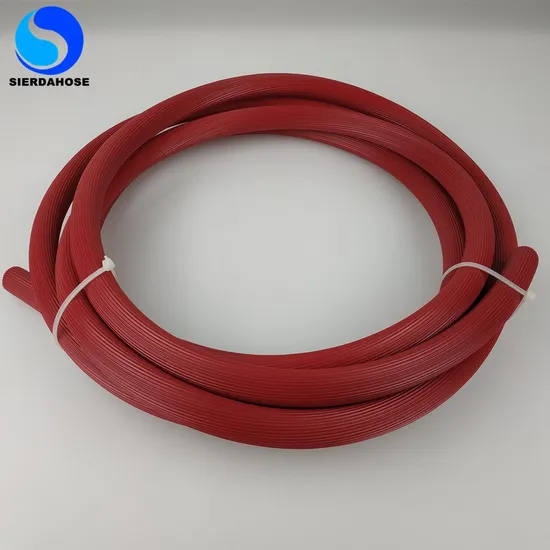
Rubber hoses are heavy but very durable. They usually come in smaller diameters like 1/2 inch or 5/8 inch.
Vinyl hoses are lighter and cheaper. They often have a minimum diameter of 5/8 inch for good water flow.
- Rubber hoses handle higher pressure well
- Vinyl hoses are less flexible but lighter
- Smaller diameters suit rubber better due to strength
- Vinyl hoses work best at 5/8 inch or larger
Flexible Vs. Reinforced Hoses
Flexible hoses bend easily and are good for small gardens. They usually start at 1/2 inch diameter.
Reinforced hoses have extra layers for strength. This support lets them handle smaller diameters without bursting.
- Flexible hoses are light and easy to move
- Reinforced hoses resist kinks and damage
- Reinforced hoses can have smaller diameters safely
- Flexible hoses often need larger diameter for durability
Tips For Maintaining Small Diameter Hoses
Small diameter garden hoses need special care to last long. Proper maintenance helps avoid damage and keeps water flowing well.
Use simple steps to prevent common problems like kinks and leaks. Good storage also protects your hose from wear.
Preventing Kinks And Leaks
Kinks and leaks reduce the hose’s life and cause water waste. Avoid sharp bends and rough handling to keep the hose smooth.
- Unroll the hose fully before use.
- Do not drag it over sharp edges or rough surfaces.
- Use hose guides or reels to keep it straight.
- Check connectors for tight seals to prevent leaks.
- Replace washers regularly to avoid dripping.
Storage Best Practices
Proper storage keeps small diameter hoses safe from damage. Store the hose in a cool, dry place away from direct sunlight.
| Storage Method | Benefit |
| Hanging on a hose hanger | Prevents kinks and tangles |
| Coiling loosely on the ground | Easy to access and prevents damage |
| Using a hose reel | Keeps hose neat and extends life |
| Indoor storage in winter | Protects from freezing and cracking |
Credit: www.amazon.in
Frequently Asked Questions
What Is The Smallest Diameter Of A Garden Hose?
The smallest common diameter for garden hoses is 1/2 inch. It’s ideal for light watering tasks and small gardens. Smaller diameters reduce water flow but increase pressure, suitable for precise watering.
How Does Hose Diameter Affect Water Flow?
A smaller diameter restricts water flow, limiting volume but increasing pressure. Larger diameters allow more water but reduce pressure. Choose diameter based on watering needs and desired pressure.
Can A 1/2 Inch Hose Handle High Water Pressure?
Yes, a 1/2 inch hose can handle moderate water pressure. However, it’s not recommended for heavy-duty tasks needing high flow. It’s best for small gardens or container plants.
Why Choose A Smaller Diameter Garden Hose?
Smaller diameter hoses are lightweight and flexible. They are easy to store and ideal for tight spaces. They conserve water by delivering less volume, perfect for delicate plants.
Conclusion
Choosing the right garden hose diameter matters for water flow and ease of use. The smallest diameter hose works well for light watering tasks and tight spaces. It saves space and is easy to carry around. Yet, it may not deliver water quickly for larger jobs.
Think about your garden size and needs before picking. Small diameter hoses fit small gardens and delicate plants best. Use this guide to help you decide wisely. Happy gardening!