Have you ever wondered what the Tent of Meeting in the Bible really is and why it mattered so much? This mysterious place holds deep meaning and reveals important lessons about faith, connection, and guidance.
Understanding the Tent of Meeting can bring new insight to your reading of the Scriptures and help you see how ancient practices still speak to your spiritual journey today. Keep reading to uncover the secrets behind this special tent and why it continues to inspire people like you.
Credit: craigtowens.com
Origins Of The Tent Of Meeting
The Tent of Meeting is an important place in the Bible. It was where God met with Moses and the Israelites.
This tent had special meaning and was a symbol of God’s presence among his people.
Biblical References
The Tent of Meeting appears first in the Book of Exodus. It is also called the Tabernacle in some parts of the Bible.
- Exodus 25 describes God’s instructions to build the tent.
- Exodus 33 shows Moses meeting God in the tent.
- Leviticus mentions the tent as the place of worship.
- Numbers refers to the tent as the center of Israelite camp.
Historical Context
The Tent of Meeting was a portable sanctuary. It allowed the Israelites to worship God during their travels.
| Feature | Description |
|---|---|
| Structure | Made with wooden frames and covered with cloth and animal skins |
| Purpose | Place for God to meet and speak with Moses |
| Location | Center of the Israelite camp during desert journey |
| Significance | Symbolized God’s presence and guidance |

Credit: medium.com
Structure And Design
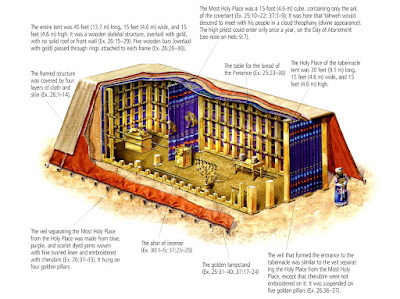
The Tent of Meeting was a special place where God met with Moses and the Israelites. It had a clear and detailed design. The structure was made to be portable and sacred.
This tent served as a holy place for worship and communication with God. Its design showed great care and meaning.
Materials Used
The Tent of Meeting was built with specific materials that were both strong and beautiful. These materials helped make the tent holy and durable.
- Fine linen for curtains and coverings
- Goat hair for the outer tent covering
- Ram skins dyed red for protection
- Badger skins for the outermost layer
- Acacia wood for the framework and boards
- Gold, silver, and bronze for decorations and tools
Layout And Features
The layout of the Tent of Meeting had two main parts. Each part had a special purpose and design.
The outer area was called the Holy Place. The inner part was the Most Holy Place, or the Holy of Holies.
- The Holy Place held the table, lampstand, and altar of incense.
- The Holy of Holies held the Ark of the Covenant.
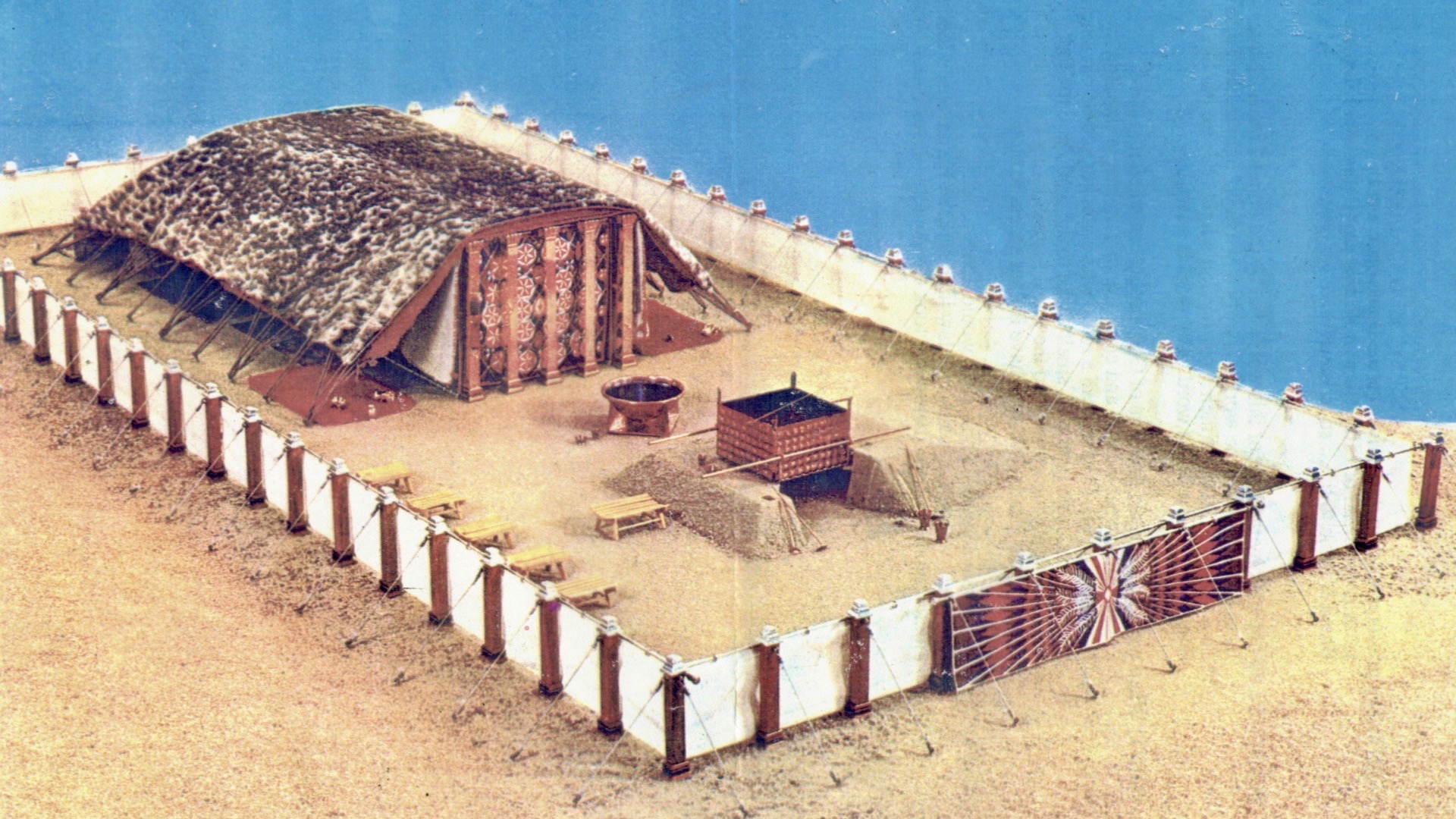
- The tent was surrounded by a courtyard with a bronze altar and basin.
- The structure stood on boards made of acacia wood.
- It was covered by several layers of cloth and skins.
- Entrance curtains were embroidered with blue, purple, and scarlet yarn.
Purpose And Function
The Tent of Meeting is a special place in the Bible where God met with His people. It served as a holy space for communication between God and the Israelites.
This tent was important for worship and for keeping God’s instructions. It helped the people stay connected to God during their journey.
Place For Divine Encounter
The Tent of Meeting was where God appeared to Moses and the Israelites. It was a sacred space designed for direct contact with God.
Inside the tent, God’s presence was shown by a cloud or fire. This symbolized that God was near and listening to His people.
Role In Worship And Sacrifice
The Tent of Meeting was the main place for worship and sacrifices. People brought offerings to show their faith and ask for forgiveness.
Priests performed rituals and sacrifices inside the tent. These acts helped maintain the relationship between God and the Israelites.
- Place for burnt offerings and sin offerings
- Priests led prayers and ceremonies
- Helped teach God’s laws and commands

Credit: bibleandbookministry.com
Symbolic Meaning
The Tent of Meeting in the Bible holds deep symbolic meaning. It represents the dwelling place of God among His people.
This sacred space was central to the Israelites’ journey. It served as a physical reminder of God’s presence.
God’s Presence Among People
The Tent of Meeting was where God communicated with Moses. This shows God’s desire to be near His people.
- God’s voice was heard from the Tent.
- The cloud of glory rested upon it.
- It was a sign of divine guidance.
Connection To The Tabernacle And Temple
The Tent of Meeting was a precursor to the Tabernacle and Temple. It laid the foundation for future places of worship.
| Structure | Purpose |
| Tent of Meeting | Temporary meeting place |
| Tabernacle | Portable worship space |
| Temple | Permanent house of God |
Significance In Israelite Life
The Tent of Meeting was a special place for the Israelites. It was more than a tent; it was where they met with God. This tent played a key role in their daily lives and faith.
This place helped keep the community close and guided their actions. It showed them how to live and worship God properly.
Center Of Community Worship
The Tent of Meeting was the heart of worship for the Israelites. They gathered there to pray, offer sacrifices, and celebrate holy days. It united them in faith and purpose.
- Place for daily prayers and sacrifices
- Where priests performed sacred duties
- Location for important festivals and gatherings
- Symbol of God’s presence among the people
Guidance For The Israelites
The Tent of Meeting gave the Israelites clear direction. It was where they received God’s instructions. Leaders and people sought advice there for decisions and laws.
| Purpose | Function |
| Receiving God’s commands | Prophets and priests communicated God’s will |
| Judgment | Leaders settled disputes with divine guidance |
| Teaching | People learned about God’s laws and ways |
Legacy And Influence
The Tent of Meeting plays an important role in the Bible. It was a sacred place where God met with Moses and the Israelites. This tent shaped many religious ideas and traditions.
Its influence can be seen in both old and modern religious practices. Many people still learn from its meaning and symbolism today.
Impact On Later Religious Practices
The Tent of Meeting influenced many religious customs. It became a model for places of worship and connection with God.
- It inspired the design of the ancient Temple in Jerusalem.
- It set a pattern for how priests perform rituals.
- It showed the importance of a holy space for worship.
- It influenced the use of sacred objects in religious ceremonies.
Modern Interpretations
Today, the Tent of Meeting is seen as a symbol of God’s presence among people. It teaches about faith, worship, and community.
| Interpretation | Meaning |
|---|---|
| Symbol of Divine Presence | God is always near and accessible |
| Place of Worship | Focus on prayer and meeting God |
| Community Gathering | People come together in faith |
| Spiritual Journey | Faith grows through encounters with God |
Frequently Asked Questions
What Is The Tent Of Meeting In The Bible?
The Tent of Meeting was a portable sanctuary used by the Israelites. It served as a place where God met with Moses and communicated His laws and guidance.
Why Was The Tent Of Meeting Important To Israelites?
It symbolized God’s presence among His people. The Tent provided a holy space for worship, sacrifices, and divine instructions during their desert journey.
Where Was The Tent Of Meeting Located In The Bible?
The Tent was set up outside the Israelite camp. It was placed between the camp and Mount Sinai, allowing easy access for the people.
Who Entered The Tent Of Meeting In Biblical Times?
Only priests and Moses could enter the Tent. They performed rituals and received God’s commandments on behalf of the people.
Conclusion
The Tent of Meeting played a key role in Bible stories. It served as a special place for God and people to connect. This tent showed God’s presence and guidance clearly. Understanding it helps us learn about faith and worship.
The Tent of Meeting reminds us of God’s closeness. It inspires respect and trust in His plans. Many lessons come from this sacred space. It remains important in Bible history and faith today.