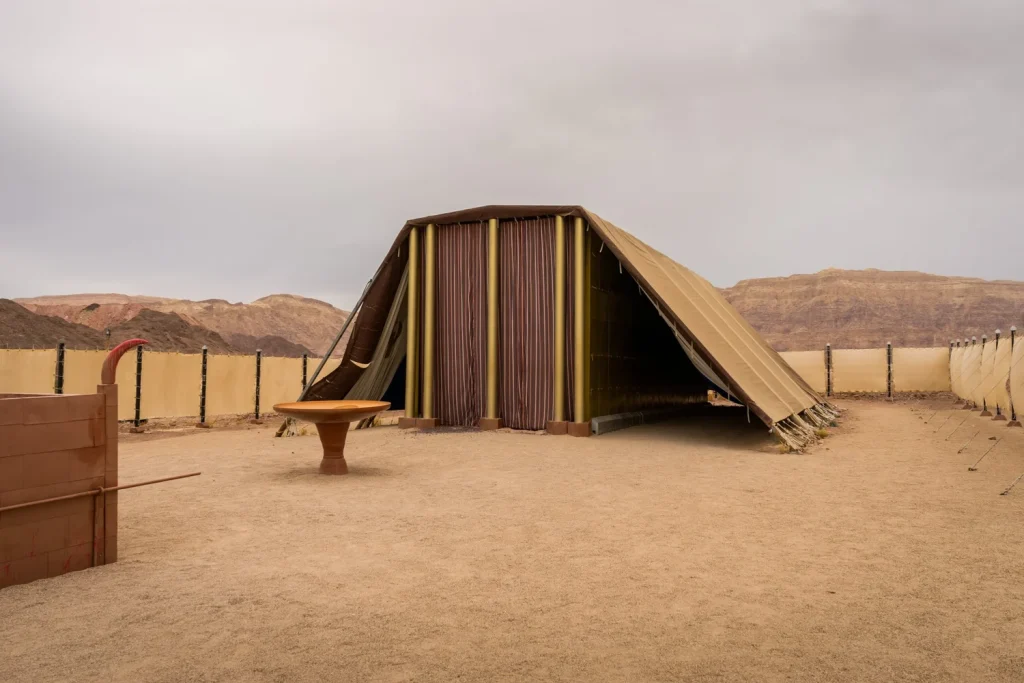
Imagine stepping into a world where the divine and the earthly intertwined, a sacred space where the whispers of history meet the echoes of spirituality. The Tent of Meeting is not just an ancient relic or a forgotten structure; it’s a significant chapter in a story that continues to captivate hearts and minds.
As you delve into the mystery of this remarkable tent, you’ll uncover its profound role in history, its spiritual significance, and why it still holds relevance today. What secrets does it hold? How does it connect to your own spiritual journey?
Stay with us as we explore these questions and unveil the fascinating truths about the Tent of Meeting. Your understanding of this sacred space could transform how you perceive your own connection to the divine.
Credit: craigtowens.com
Origins Of The Tent Of Meeting
The Tent of Meeting is a sacred place in the Bible. It was used for worship and communication with God.
This tent served as a mobile sanctuary for the Israelites during their journey in the desert.
Biblical Context
The Tent of Meeting first appears in the Book of Exodus. God gave Moses instructions to build it.
The tent was where Moses spoke with God face to face. It was a symbol of God’s presence among the people.
- Located outside the Israelite camp
- Used for sacrifices and prayers
- Contained the Ark of the Covenant
- Moses entered it to receive God’s laws
Historical Background
The Tent of Meeting was a portable structure. It allowed the Israelites to worship while traveling.
Its design reflected ancient Near Eastern tents but had unique religious features. The tent showed the central role of worship in Israelite life.
- Made with fine linen and animal skins
- Divided into holy and most holy areas
- Set up by priests during travel
- Used until the Temple in Jerusalem was built

Credit: medium.com
Structure And Design
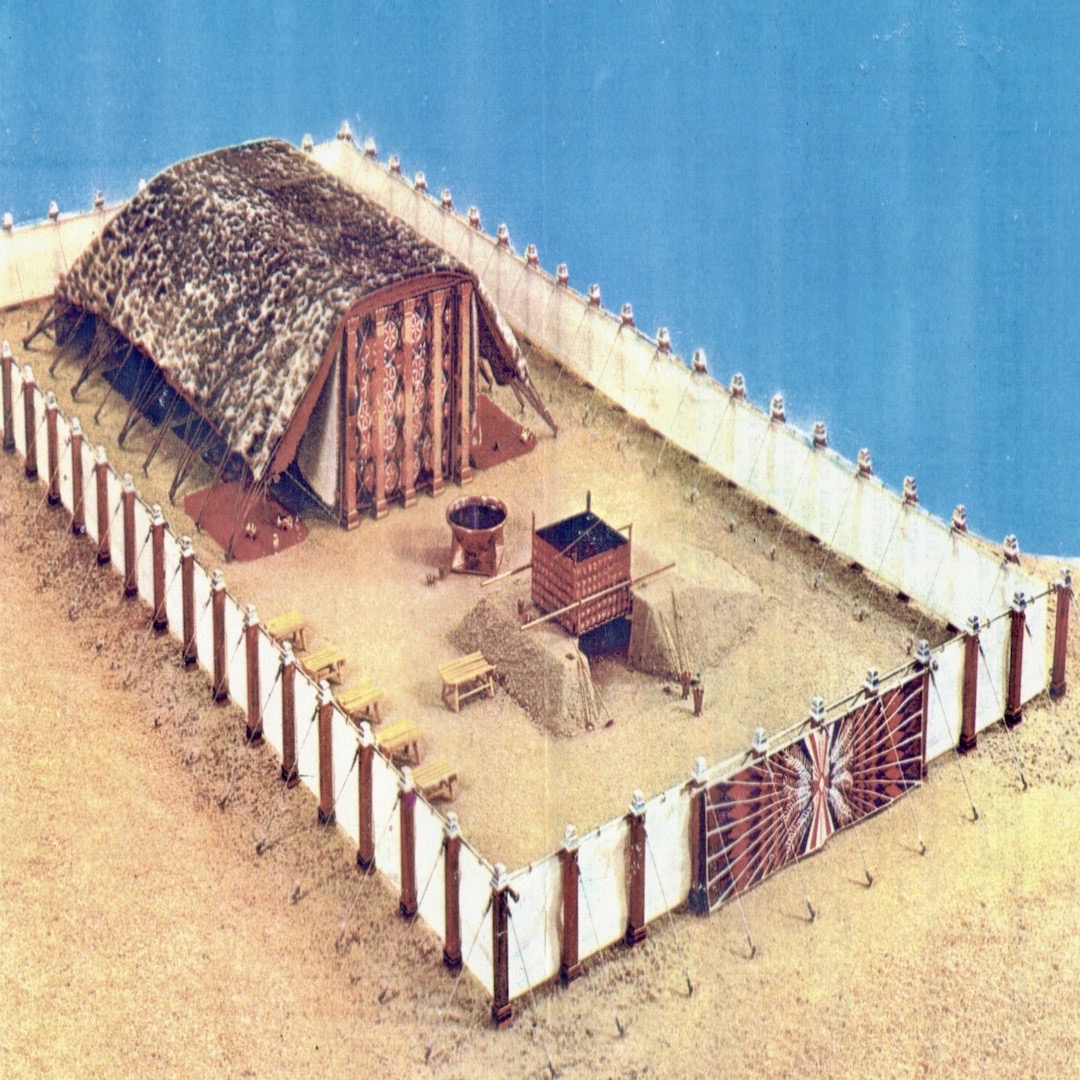
The Tent of Meeting was a sacred place where God met with Moses. It served as a central point for worship and guidance. Its design was both practical and symbolic.
The structure combined various materials and had specific dimensions. These details helped make the tent holy and functional.
Materials Used
The Tent of Meeting used several special materials. Each had a purpose and meaning in the design.
- Fine linen cloth for the curtains
- Goat hair for the outer covering
- Ram skins dyed red for protection
- Acacia wood for the framework
- Bronze for the bases and fittings
Layout And Dimensions
The Tent of Meeting had clear measurements and a planned layout. It was divided into two main parts.
| Part | Size (cubits) | Description |
| Outer Court | 100 x 50 | Area around the tent for gatherings |
| Holy Place | 30 x 10 | First section inside the tent |
| Most Holy Place | 10 x 10 | Inner sacred room with the Ark |
Role In Worship
The Tent of Meeting was a sacred place where God met with His people. It served as a special spot for worship and prayer.
This tent was important because it showed God’s presence among the Israelites. It helped them connect with God in their daily lives.
Place Of Divine Encounter
The Tent of Meeting was where God revealed Himself to the Israelites. It was the place for receiving guidance and instructions.
People came to this tent to seek God’s presence and hear His voice. It was a holy space for communication with God.
- God spoke to Moses from the Tent
- People gathered to worship and pray
- It symbolized God’s dwelling among His people
Priestly Functions
The Tent of Meeting was the center for priestly duties. Priests offered sacrifices and made prayers for the people here.
Only priests could enter certain parts of the tent. They acted as mediators between God and the Israelites.
- Priests burned incense to honor God
- They brought offerings and sacrifices
- They maintained the holy space and its rituals
Symbolism And Meaning
The Tent of Meeting was a special place in the Old Testament. It showed how God stayed close to His people. The tent was a sign of God’s care and presence.
This tent was more than a shelter. It had deep meanings that helped people understand God better. It was a symbol of God’s love and His promises.
God’s Presence Among People
The Tent of Meeting was where God met His people face to face. It showed that God was near and listened to their prayers. God’s presence brought comfort and guidance.
Inside the tent, God’s glory appeared as a cloud or fire. This showed God’s power and protection. People knew they were safe with God close by.
- God met Moses and the Israelites here
- It was a sign that God was with His people
- God’s presence guided the people’s journey
Covenant Representation
The Tent of Meeting also reminded the people of God’s covenant. This was a special promise between God and His people. The tent showed that God would keep His promises.
The tent held the Ark of the Covenant, which had the Ten Commandments. These rules showed how people could live in God’s way. The tent was a symbol of God’s faithfulness and the people’s duties.
- Held the Ark of the Covenant inside
- Represented God’s promise to His people
- Helped people remember their responsibilities
The Tent In Israelite Life
The Tent of Meeting was very important to the Israelites. It was a special place where they met God.
This tent was not just a building. It was the heart of their community and faith.
Central Gathering Spot
The Tent of Meeting served as the main place for the people to gather. They came together for worship and important decisions.
It was where the priests performed rituals and offered sacrifices. The people felt close to God in this space.
Guidance For The Journey
The Tent of Meeting was also a guide for the Israelites on their travels. God’s presence was said to rest above the tent.
The people looked for the tent’s location to know where to camp and when to move during their journey.
- The tent showed God’s presence among the people.
- It directed when to travel and where to stay.
- It gave hope and comfort during hard times.

Credit: shawnethomas.com
Legacy And Influence
The Tent of Meeting holds an important place in religious history. It served as a sacred space for communication between God and the people.
Its design and purpose have left a lasting mark on worship and religious traditions.
Impact On Later Religious Practices
The Tent of Meeting influenced many religious buildings and rituals. It became a model for creating sacred spaces.
- It inspired the design of temples and synagogues.
- Priestly roles and rituals trace back to the tent’s practices.
- It emphasized the importance of a dedicated place for worship.
- The focus on God’s presence shaped later religious teachings.
Modern Interpretations
Today, the Tent of Meeting symbolizes connection with the divine. Many view it as a lesson on how to create meaningful worship spaces.
| Aspect | Modern Meaning |
| Structure | Symbol of God’s presence among people |
| Rituals | Inspiration for prayer and meditation practices |
| Community | Focus on gathering and shared faith experience |
Frequently Asked Questions
What Is The Tent Of Meeting In The Bible?
The Tent of Meeting was a sacred place where God met Moses. It served as a mobile tabernacle during the Israelites’ desert journey. This tent was central for worship, sacrifice, and receiving divine guidance.
Why Was The Tent Of Meeting Important For Israelites?
It symbolized God’s presence among His people. The Tent of Meeting provided a direct communication link between God and Moses. It also unified the Israelites in worship and obedience during their travels.
How Was The Tent Of Meeting Constructed?
The Tent of Meeting was made with fine fabrics, wood, and gold. It had a specific layout including the Holy Place and the Holy of Holies. Its design followed God’s exact instructions to Moses.
Who Could Enter The Tent Of Meeting?
Only priests and Moses were allowed inside. The High Priest entered the Holy of Holies once a year on Yom Kippur. This ensured respect and holiness in worship practices.
Conclusion
The Tent of Meeting served as a special place for communication with God. It held great meaning for the people and their faith. Through it, they found guidance and hope. Understanding this helps us see its role in history and belief.
It shows how people sought closeness with the divine. The Tent reminds us of the importance of faith and connection. Its story continues to inspire and teach us today.