Are you tired of struggling to connect your garden hose to faucets or sprinklers that just don’t fit right? Knowing the thread size of your garden hose can save you time, money, and a lot of frustration.
Whether you’re watering your plants, washing your car, or setting up a new irrigation system, the right thread size makes all the difference. You’ll discover exactly what thread size your garden hose needs and how to choose the perfect fit every time.
Keep reading to make your gardening tasks easier and hassle-free!

Credit: www.reddit.com
Common Garden Hose Thread Sizes
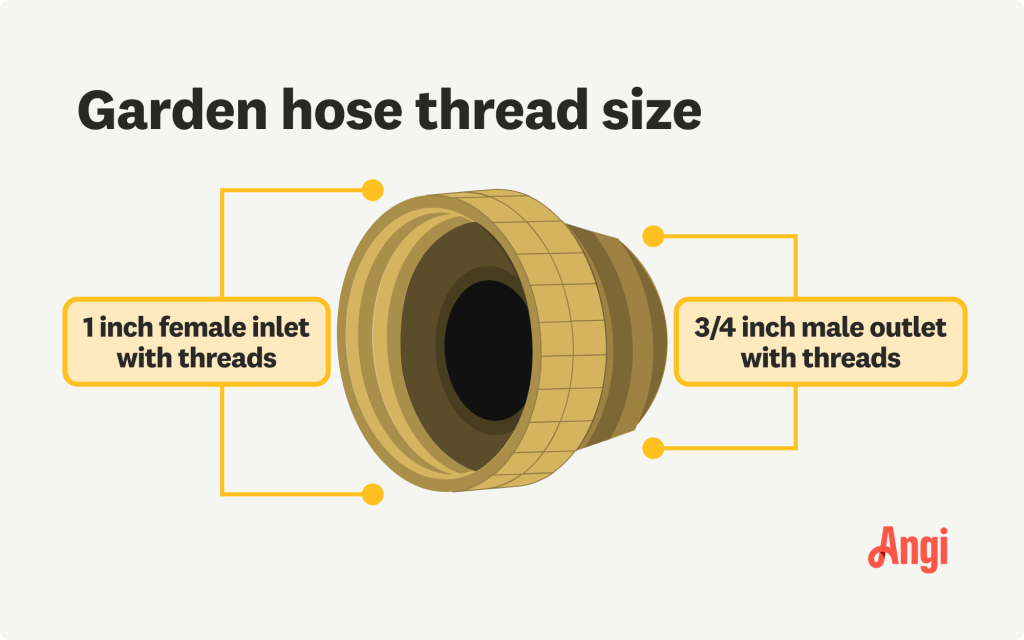
Garden hoses have different thread sizes for connecting to faucets and accessories. Knowing the thread size helps you buy the right fittings and avoid leaks.
Most garden hoses use standard thread sizes that fit most outdoor water systems. This guide covers the common thread types you will find.
Standard Thread Dimensions
Thread size is measured by diameter and thread pitch. Diameter is the width of the thread. Thread pitch is the number of threads per inch.
Garden hoses usually use inch-based thread sizes. The most common are 3/4 inch diameter with 11.5 threads per inch or 14 threads per inch.
| Thread Type | Diameter | Threads Per Inch (TPI) |
|---|---|---|
| National Hose Thread (NHT) | 3/4 inch | 11.5 |
| Garden Hose Thread (GHT) | 3/4 inch | 11.5 |
National Hose Thread (nht)
National Hose Thread is a common standard for garden hoses in the USA. It uses a 3/4 inch diameter with 11.5 threads per inch.
NHT threads are tapered. This means the thread gets tighter as you screw it in. This helps create a better seal to stop leaks.
- Diameter: 3/4 inch (0.75 inches)
- Thread Pitch: 11.5 threads per inch
- Tapered thread design for sealing
Garden Hose Thread (ght)
Garden Hose Thread is the standard thread type used on most garden hoses. It also has a 3/4 inch diameter and 11.5 threads per inch.
GHT threads are straight, not tapered. They need a rubber washer inside the coupling to prevent leaks. This type is easy to connect and disconnect.
- Diameter: 3/4 inch (0.75 inches)
- Thread Pitch: 11.5 threads per inch
- Straight thread design
- Uses rubber washers for sealing

Credit: mincost.co.uk
How To Measure Garden Hose Threads
Knowing the thread size of your garden hose helps you find the right connectors. Measuring hose threads is simple if you have the right tools.
This guide explains how to measure garden hose threads correctly and what the measurements mean.
Tools Needed For Measurement
To measure the thread size, you need a few basic tools. These tools help you get accurate thread measurements.
- Ruler or tape measure
- Thread pitch gauge (optional but helpful)
- Caliper for precise diameter measurement
- Pen and paper to record measurements
Step-by-step Measuring Process
First, clean the threads to remove dirt. This ensures you measure the thread size correctly.
Next, measure the outside diameter of the male thread or inside diameter of the female thread. Use a caliper or ruler for this.
- Place the ruler across the widest part of the threads.
- Note the measurement in inches or millimeters.
- Use a thread pitch gauge to count threads per inch if available.
- Write down both the diameter and thread count.
Interpreting Thread Measurements
The diameter tells you the size of the hose thread. Common garden hose threads are 3/4 inch.
The thread pitch shows how many threads fit in one inch. This helps match connectors properly.
| Measurement | Meaning |
| 3/4 inch diameter | Standard garden hose thread size |
| 11.5 threads per inch | Standard thread pitch for garden hoses |
| Different diameter or pitch | May need adapter or special connector |
Thread Size Variations By Region
Garden hose thread sizes vary depending on the region. Different countries use different standards. This affects how hoses and fittings connect.
Knowing these differences helps you buy the right hose or adapter. It also prevents leaks and fitting problems.
Us And Canada Standards
The US and Canada use the National Hose (NH) or Garden Hose Thread (GHT) standard. This is a common thread size for garden hoses.
The thread size is 3/4 inch with 11.5 threads per inch. It is a straight thread, not tapered.
- Thread size: 3/4 inch (0.75 inch)
- Threads per inch (TPI): 11.5
- Thread type: Straight (parallel)
- Standard name: NH or GHT
European Thread Sizes
Europe mainly uses the BSP (British Standard Pipe) thread for garden hoses. BSP threads are tapered and differ from US threads.
The common BSP thread size for garden hoses is 3/4 inch BSP. It has 14 threads per inch and a tapered design.
- Thread size: 3/4 inch BSP
- Threads per inch (TPI): 14
- Thread type: Tapered
- Standard name: BSP (British Standard Pipe)
Other International Variations
Many other countries use different thread standards. Some use metric threads or other pipe thread types.
For example, Japan uses JIS (Japanese Industrial Standard) threads. Australia and New Zealand often use BSP threads like Europe.
| Region | Common Thread Size | Thread Type | Notes |
|---|---|---|---|
| Japan | 3/4 inch JIS | Straight or tapered | Similar to BSP but not identical |
| Australia/New Zealand | 3/4 inch BSP | Tapered | Same as European BSP |
| Other Metric Countries | Various metric sizes | Straight or tapered | Sizes vary by country |
Choosing The Right Thread Size For Your Hose
Understanding the thread size of a garden hose is crucial. It ensures proper connections and prevents leaks. Proper thread size helps in achieving a smooth gardening experience.
Most garden hoses in the United States use a 3/4-inch diameter thread. This is commonly known as the GHT or Garden Hose Thread. It is important to match this size with fittings and connectors.
Matching Hose And Fittings
Using the correct thread size ensures compatibility. It helps in maintaining a secure connection between the hose and faucet or other attachments.
Always check the thread size before buying new fittings. Make sure they match the hose size to avoid problems.
- Check the packaging for thread size information
- Match the thread size of hose and fittings
- Test fittings before use to ensure a tight fit
Avoiding Leaks And Compatibility Issues
Leaks can waste water and lead to higher bills. Ensuring the right thread size is a key step in preventing leaks.
Compatibility issues arise when thread sizes do not match. This can cause fittings to be loose and leak water.
- Use thread tape for a tighter seal
- Regularly check connections for leaks
- Replace worn-out fittings promptly
Adapters And Connectors For Different Thread Sizes
Garden hoses come with various thread sizes. Choosing the right adapter or connector is key. It ensures a tight fit and stops leaks.
This guide covers common adapter types, how to use thread seal tape, and tips for secure connections.
Common Adapter Types
- Male to Female Adapters: Connect hoses with different thread ends.
- Thread Size Converters: Change hose thread sizes to match fittings.
- Quick Connect Adapters: Allow fast hose changes without tools.
- Hose Menders: Repair damaged threads or hose ends.
Using Thread Seal Tape
Thread seal tape helps create a watertight seal between hose threads and connectors. Wrap the tape around the male threads before attaching.
| Step | Action |
| 1 | Clean the threads of dirt and debris |
| 2 | Wrap tape clockwise around male threads |
| 3 | Cover threads 2-3 times with tape layers |
| 4 | Screw the connector tightly by hand |
Tips For Secure Connections
Follow these tips to keep your garden hose connections tight and leak-free.
- Always match thread sizes before connecting.
- Use thread seal tape on all threaded joints.
- Hand-tighten connectors, then use a wrench carefully.
- Check connections regularly for leaks or wear.
- Replace worn adapters or connectors promptly.

Credit: www.amazon.com
Troubleshooting Thread Size Problems
Garden hoses use specific thread sizes to connect parts. If the threads do not match, water leaks or connection issues occur.
Understanding thread sizes helps fix problems quickly. It also prevents damage to hose fittings and connectors.
Identifying Mismatched Threads
Hose threads come in different sizes and types. A mismatch happens when threads cannot fit together tightly.
Check the thread size by measuring the diameter of the hose end. Also, count the number of threads per inch (TPI).
- Garden hoses usually use 3/4 inch GHT (Garden Hose Thread)
- Threads may be male or female; both must match
- Different brands may have slight size variations
Fixing Loose Or Leaking Connections
Loose or leaking hose connections often result from poor thread fit or worn washers. Tightening alone may not stop leaks.
Replace old washers with new rubber ones. Use plumber’s tape on threads to create a better seal.
- Remove the hose connector
- Wrap plumber’s tape around male threads
- Insert a new rubber washer inside the female connector
- Reconnect and tighten by hand, then use pliers if needed
Frequently Asked Questions
What Is The Standard Thread Size For Garden Hoses?
The standard thread size for most garden hoses in the U. S. is 3/4-inch GHT (Garden Hose Thread). This size ensures compatibility with common hose fittings and accessories, making it easy to connect and use various watering tools.
Are Garden Hose Thread Sizes The Same Worldwide?
No, garden hose thread sizes vary by region. The U. S. uses 3/4-inch GHT, while other countries may use different standards, such as BSP threads in the UK. Always check local standards before purchasing hose fittings internationally.
How Can I Measure My Garden Hose Thread Size?
Use a thread gauge or ruler to measure the diameter of the hose fitting. Measure the outer diameter across the threads to confirm if it matches the standard 3/4-inch GHT or another size.
Why Is Knowing Garden Hose Thread Size Important?
Knowing the thread size ensures you buy compatible fittings and avoid leaks. It helps in selecting the right connectors, sprayers, and nozzles, ensuring efficient watering and preventing damage to the hose or accessories.
Conclusion
Knowing the thread size of a garden hose helps you pick the right parts. Most hoses use standard sizes, making it easy to find connectors. A proper fit stops leaks and keeps water flowing smoothly. Check the size before buying any hose or accessory.
This saves time and prevents frustration. Now, you can water your garden without worries. Simple steps lead to better results.