Are you or a loved one dealing with back pain, and you’ve come across the term “Vacuum Disc Phenomenon”? You’re not alone, and understanding the treatment options is crucial for relief and recovery.
This condition might sound complex and intimidating, but the solutions are more within reach than you might think. By exploring the latest treatment options, you can take a proactive step towards alleviating your discomfort and improving your quality of life.
Ready to discover how you can manage this condition effectively? Keep reading to uncover the treatments that could make a significant difference for you.
Credit: link.springer.com
Causes Of Vacuum Disc Phenomenon
The Vacuum Disc Phenomenon occurs due to changes inside the spinal discs. Understanding its causes helps in managing and treating the condition effectively. Several factors contribute to the formation of gas within the disc space, leading to this phenomenon.
Degenerative Disc Changes
Discs lose their structure over time. The outer layer weakens and cracks. These cracks allow gas to collect inside the disc. This process is part of disc degeneration. It reduces the disc’s ability to cushion the spine.
Spinal Stress And Trauma
Repeated stress on the spine causes damage. Injuries or heavy lifting strain the discs. This stress can create small tears in the disc wall. Gas then enters these tears, causing the vacuum effect.
Aging And Disc Dehydration
Discs dry out as people age. Water content inside discs decreases naturally. Dehydrated discs shrink and lose height. This creates space for gas to accumulate inside. Aging is a major factor in this process.
Symptoms Linked To Vacuum Disc Phenomenon
Understanding the symptoms linked to Vacuum Disc Phenomenon (VDP) can help you recognize its impact early and seek appropriate treatment. VDP involves the presence of gas, primarily nitrogen, within the spinal disc, which can change the way your spine functions. These symptoms often affect your daily activities and overall comfort, making it important to identify and address them promptly.
Back Pain And Stiffness
One of the most common signs of VDP is persistent back pain. You might notice a dull ache or sharp pain that worsens with movement or prolonged sitting. Stiffness often accompanies this pain, limiting your ability to bend or twist comfortably.
Sometimes, the pain can feel like it’s coming from deep within your spine, making it hard to pinpoint. Have you ever experienced back discomfort that doesn’t improve with rest? That could be related to changes in your discs caused by VDP.
Nerve Compression Effects
When the vacuum phenomenon causes discs to collapse or shift, nearby nerves can become compressed. This compression may lead to symptoms like numbness, tingling, or weakness in your legs or arms, depending on the affected spinal area.
These nerve-related symptoms can interfere with your daily tasks, such as walking or gripping objects. If you notice sudden weakness or unusual sensations, it’s a sign to consult your healthcare provider promptly.
Mobility Limitations
VDP often restricts your spinal movement, making simple actions feel difficult or painful. You might find it harder to perform activities like bending down, turning your head, or climbing stairs.
These limitations can affect your quality of life, leading to frustration or avoidance of physical activity. Have you caught yourself avoiding certain movements because of discomfort? Understanding this can motivate you to seek solutions that restore your mobility.
Diagnostic Methods
Diagnosing vacuum disc phenomenon accurately is crucial to determine the right treatment path. It involves a combination of imaging and physical assessments to understand the condition’s extent and impact on your spine. Let’s look at the key diagnostic methods that doctors use to get a clear picture.
X-rays And Imaging Techniques
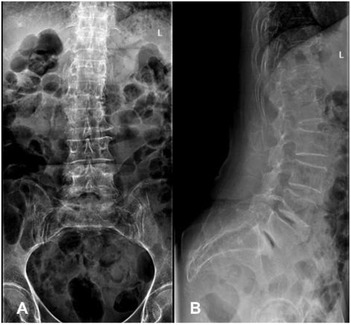
X-rays are often the first step in diagnosing vacuum disc phenomenon. They reveal the presence of gas bubbles within the disc space, a hallmark of this condition. You might be surprised how much a simple X-ray can show about your spine’s health.
Special imaging techniques like fluoroscopy can also help by providing real-time moving X-rays. This allows doctors to see how your spine behaves during movement. Such insights can be valuable if your symptoms worsen with certain activities.
Mri And Ct Scans
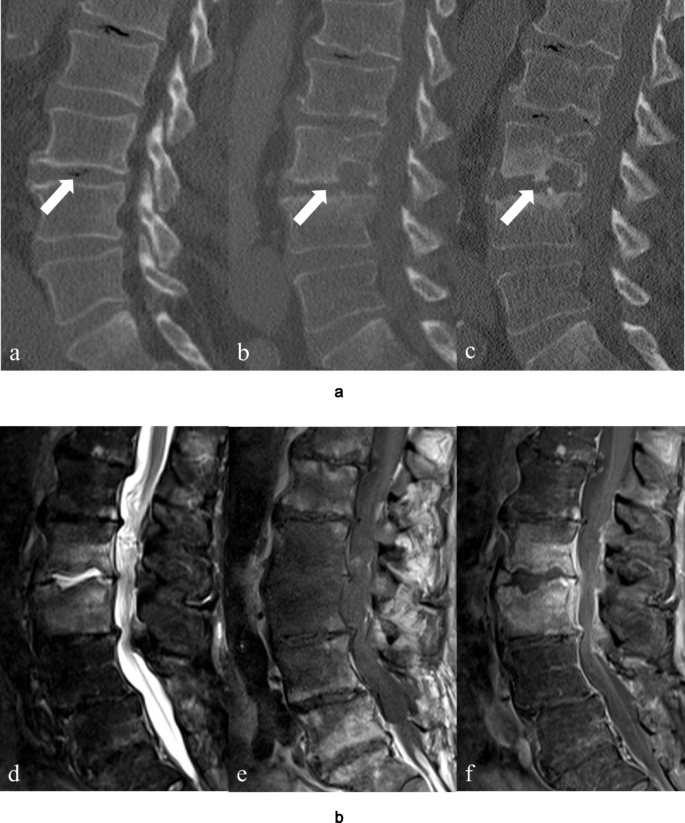
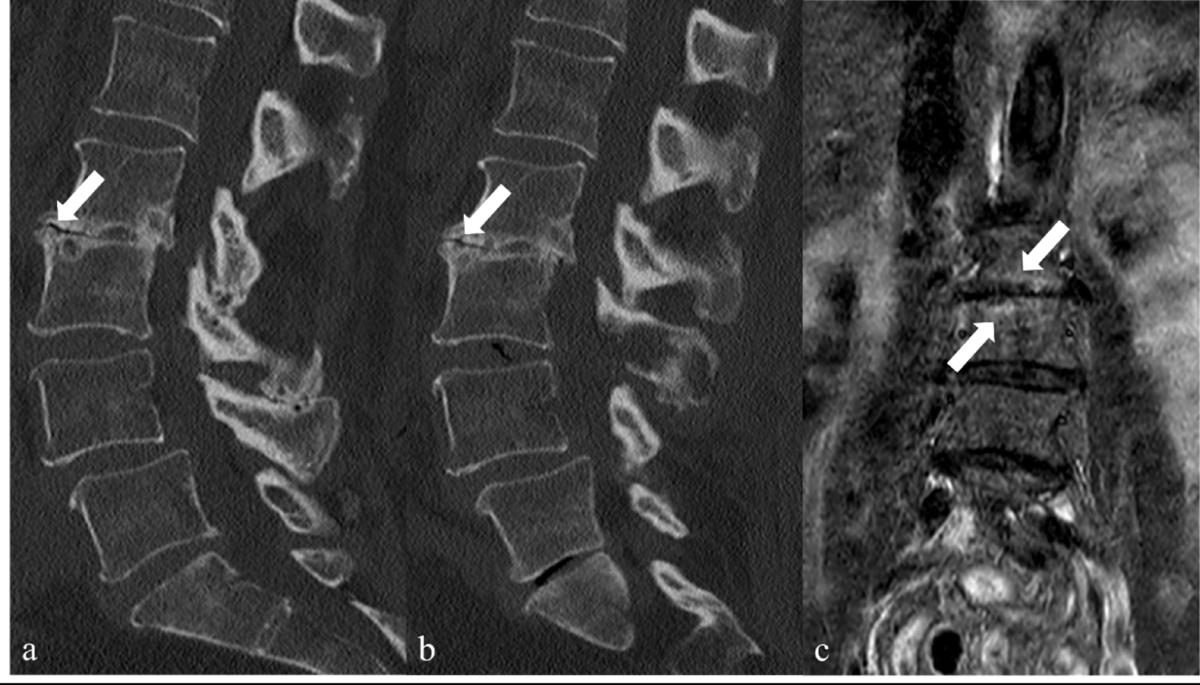
Magnetic Resonance Imaging (MRI) is essential for examining the soft tissues around your discs. It shows detailed images of nerves, discs, and spinal cord, which helps identify any nerve compression or inflammation. If you’ve ever wondered why your pain feels sharp or radiates, MRI might provide the answer.
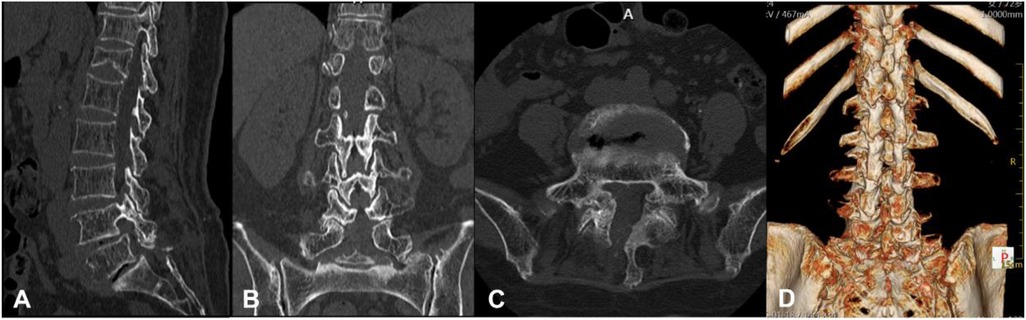
CT scans offer a more detailed look at the bone structures and can highlight the vacuum phenomenon more clearly than X-rays. This is especially useful if your doctor suspects complex spinal changes. Both MRI and CT scans complement each other and give a full picture of your spinal health.
Clinical Examination
Imaging tells one side of the story, but your doctor’s hands-on examination completes it. They assess your range of motion, muscle strength, and reflexes to understand how the vacuum disc phenomenon affects your daily life. Have you noticed if certain movements trigger more discomfort? This is what your doctor wants to know.
During the clinical exam, your doctor may also check for tenderness or swelling around the affected area. These physical findings, combined with imaging results, guide the treatment plan tailored to your specific needs. Remember, your feedback during this process shapes the care you receive.
Credit: link.springer.com
Conservative Treatment Options
Conservative treatment options for Vacuum Disc Phenomenon focus on relieving pain and improving spine function. These approaches avoid surgery and aim to manage symptoms effectively. Early intervention can help prevent further damage and maintain quality of life.
Physical Therapy Approaches
Physical therapy plays a key role in managing Vacuum Disc Phenomenon. Therapists design exercises to strengthen back muscles and improve flexibility. Gentle stretching reduces stiffness and supports spinal alignment. Manual therapy techniques may ease muscle tension and improve movement. Regular sessions help restore function and reduce discomfort.
Pain Management Strategies
Pain relief is essential for daily comfort. Over-the-counter pain medications, like acetaminophen or ibuprofen, reduce inflammation and soreness. Cold and heat therapy can soothe aching muscles. In some cases, doctors may recommend stronger prescription medications or muscle relaxants. Careful monitoring ensures safe use of these treatments.
Lifestyle Modifications
Adapting daily habits supports long-term spine health. Maintaining a healthy weight reduces pressure on discs. Avoiding heavy lifting and sudden twisting motions protects the spine. Using ergonomic furniture helps keep proper posture. Regular low-impact activities, such as walking or swimming, promote overall spine strength without strain.
Minimally Invasive Procedures
Minimally invasive procedures offer targeted relief for Vacuum Disc Phenomenon without the need for extensive surgery. These techniques focus on reducing pain and improving mobility with less downtime. If you’ve been hesitant about treatment due to recovery time, these options might change your perspective.
Epidural Steroid Injections
Epidural steroid injections deliver anti-inflammatory medication directly to the area around your spinal nerves. This helps reduce swelling and irritation caused by the disc degeneration. Many patients notice significant pain relief within days, allowing them to return to daily activities sooner.
Have you ever wondered how a small injection can make such a big difference? The precision of this treatment targets the exact spot of inflammation, minimizing side effects compared to oral medications.
Nerve Block Techniques
Nerve block techniques involve injecting anesthetic or anti-inflammatory drugs near specific nerves to interrupt pain signals. This approach can provide immediate pain relief and help identify which nerves are causing discomfort. Some people find this helpful before considering other treatments.
If you’re struggling to pinpoint your pain source, nerve blocks can serve as both a diagnostic and therapeutic tool. It’s a straightforward way to test how your body responds before moving on to more complex interventions.
Disc Decompression Methods
Disc decompression methods aim to reduce pressure inside the affected disc by removing small amounts of disc material. This can alleviate nerve compression and improve symptoms without cutting through muscle or bone. Many patients appreciate the shorter recovery time compared to traditional surgery.
Think about how relieving pressure in one area can restore overall function. Decompression offers a practical solution that targets the root cause of pain, often avoiding the need for more invasive procedures.
Surgical Solutions
Surgical solutions for Vacuum Disc Phenomenon come into play when conservative treatments no longer relieve your pain or restore function. These options aim to stabilize your spine and reduce discomfort by addressing the damaged disc directly. Understanding each surgical choice helps you make informed decisions about your health journey.
Spinal Fusion Surgery
Spinal fusion surgery involves joining two or more vertebrae together to stop movement in the painful segment. This procedure eliminates the motion that causes pain from the degenerated disc with the vacuum phenomenon.
During surgery, your surgeon uses bone grafts and metal hardware like screws or plates to hold the vertebrae in place. Over time, the bones fuse into a single solid structure.
Think about how stopping movement in a shaky part of a fence can prevent further damage. That’s the idea behind fusion. However, it limits flexibility in that part of your spine, which might affect your daily activities.
Disc Replacement Options
Instead of fusing vertebrae, disc replacement surgery swaps out the damaged disc with an artificial one. This option aims to preserve your spine’s natural movement and flexibility.
The artificial disc mimics the shape and function of a healthy disc, cushioning your vertebrae as you move. It suits patients who want to maintain more mobility compared to fusion.
Are you curious about how an artificial disc feels during everyday activities? Many patients report smoother movement and less stiffness after recovery, but it’s important to discuss if this option matches your specific condition.
Risks And Recovery
Every surgery has risks. With spinal fusion or disc replacement, possible complications include infection, nerve damage, or issues with the hardware used.
Recovery times vary. Fusion often requires several months for bones to fully heal, while disc replacement may allow for quicker return to normal activities.
Your commitment to physical therapy and follow-up care significantly impacts your healing process. How ready are you to take an active role in your recovery to get the best results?
Alternative And Complementary Therapies
Alternative and complementary therapies can offer relief and improved mobility for those dealing with Vacuum Disc Phenomenon. These treatments often work alongside conventional methods to reduce pain and enhance spinal health. They focus on natural, non-invasive approaches that support your body’s ability to heal and maintain function.
Chiropractic Care
Chiropractic care targets spinal alignment to ease pressure on affected discs. Gentle adjustments can help improve your range of motion and reduce discomfort. Many patients notice better posture and less stiffness after regular sessions, which may slow down disc degeneration.
Have you considered how spinal alignment affects your daily pain levels? A chiropractor can tailor treatments to your specific condition and lifestyle.
Acupuncture Benefits
Acupuncture stimulates specific points on your body to release tension and improve blood flow. This can reduce inflammation around the damaged discs and soothe nerve irritation. You might find that regular acupuncture sessions help manage chronic pain without relying heavily on medications.
Could targeted needle therapy be the key to unlocking your body’s natural pain relief?
Herbal And Nutritional Support
Certain herbs and nutrients support disc health and reduce inflammation naturally. Omega-3 fatty acids, turmeric, and glucosamine are popular choices that may ease symptoms. Adding these supplements to your diet can complement other treatments and promote overall spinal wellness.
What changes can you make to your diet today to support your spine tomorrow?
Credit: www.frontiersin.org
Prevention And Long-term Care
Prevention and long-term care play a vital role in managing vacuum disc phenomenon. Maintaining spinal health reduces pain and slows progression. Simple daily habits protect your spine and improve quality of life.
Taking care of your back requires attention to posture, movement, and overall health. Consistency is key to preventing further damage. Small changes can lead to lasting benefits for your spine.
Ergonomic Practices
Use chairs that support the natural curve of your spine. Avoid slouching or leaning forward for long periods. Position your computer screen at eye level. Keep feet flat on the floor or use a footrest. Take short breaks to stretch and change positions often.
Regular Exercise Routines
Engage in low-impact activities like walking, swimming, or cycling. Strengthen core muscles to support your spine better. Include gentle stretching to maintain flexibility. Avoid heavy lifting or sudden twisting movements. Exercise improves blood flow and reduces stiffness.
Weight Management Tips
Maintain a healthy weight to reduce stress on spinal discs. Eat a balanced diet rich in fruits, vegetables, and lean proteins. Avoid excessive sugar and processed foods. Drink plenty of water to keep discs hydrated. Small weight losses can ease back pain and improve mobility.
Frequently Asked Questions
What Is The Common Treatment For Vacuum Disc Phenomenon?
Treatment usually involves conservative methods like physical therapy, pain management, and activity modification. Surgery is rare and considered only if severe pain or nerve compression occurs.
Can Physical Therapy Help Vacuum Disc Phenomenon?
Yes, physical therapy helps strengthen supporting muscles, improve flexibility, and reduce pain caused by vacuum disc phenomenon. It is a key non-surgical treatment.
When Is Surgery Needed For Vacuum Disc Phenomenon?
Surgery is considered only if conservative treatments fail and symptoms worsen. It addresses severe nerve compression or spinal instability caused by the condition.
Are Pain Medications Effective For Vacuum Disc Phenomenon?
Pain medications like NSAIDs or muscle relaxants can relieve symptoms temporarily. They help manage inflammation and discomfort but don’t cure the underlying condition.
Conclusion
Treating vacuum disc phenomenon focuses on reducing pain and improving movement. Doctors often suggest physical therapy and pain medicines first. Keeping active helps keep the spine strong. In some cases, injections or surgery may be needed. Early care can stop problems from getting worse.
Always follow your doctor’s advice and ask questions. Taking small steps leads to better spine health. Stay patient and consistent with your treatment plan. Recovery takes time but is possible with the right care.