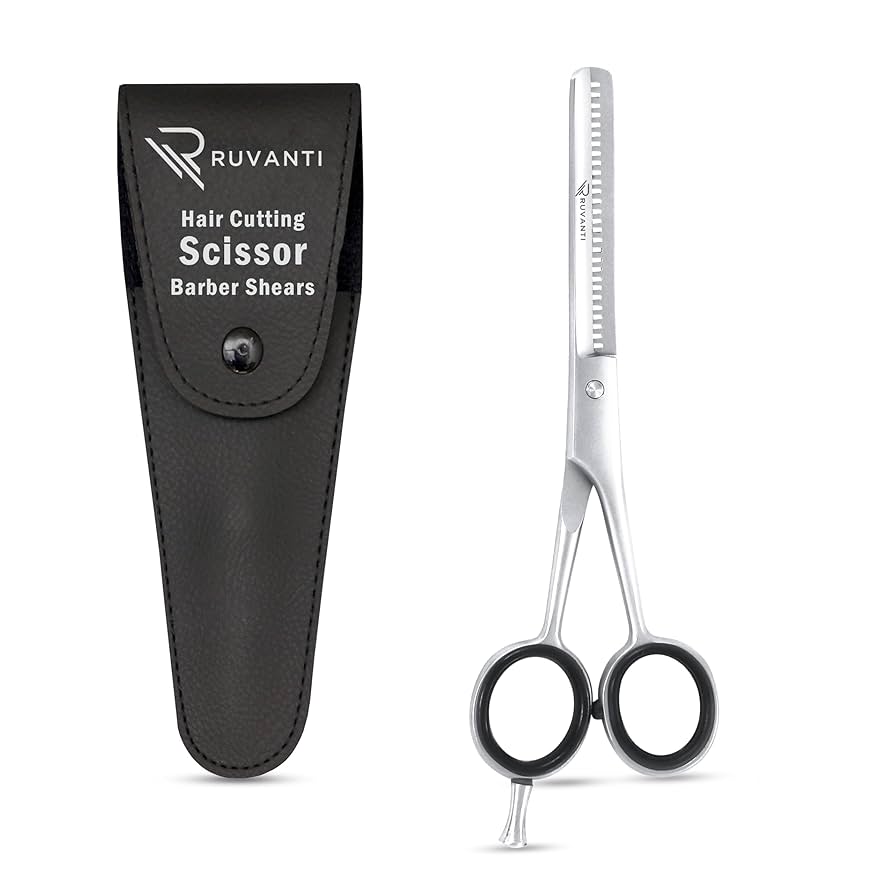
Have you ever wondered how hairstylists create those perfectly textured looks without making your hair too short? The secret often lies in a tool called thinning shears.
If you want to learn how to add volume, reduce bulk, or blend layers seamlessly, understanding what thinning shears are and how they work can make a big difference. Keep reading, because by the end of this article, you’ll know exactly why thinning shears might be the game-changer your hair routine has been missing.
Credit: www.walmart.ca
Thinning Shears Basics
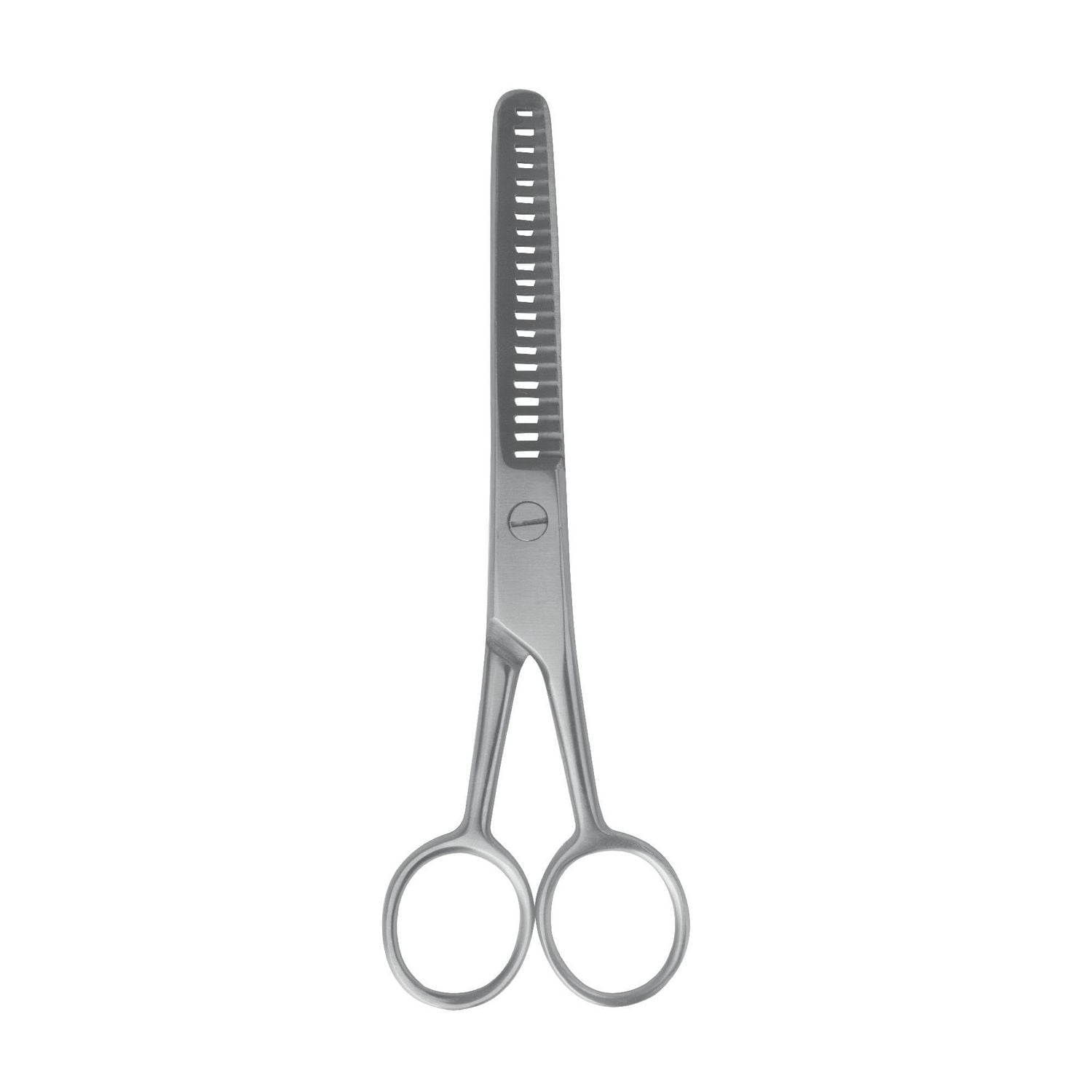
Thinning shears are special scissors used in hair cutting. They help remove bulk from hair without changing the overall style.
These shears are popular among hairdressers and barbers for blending and texturing hair.
What Are Thinning Shears
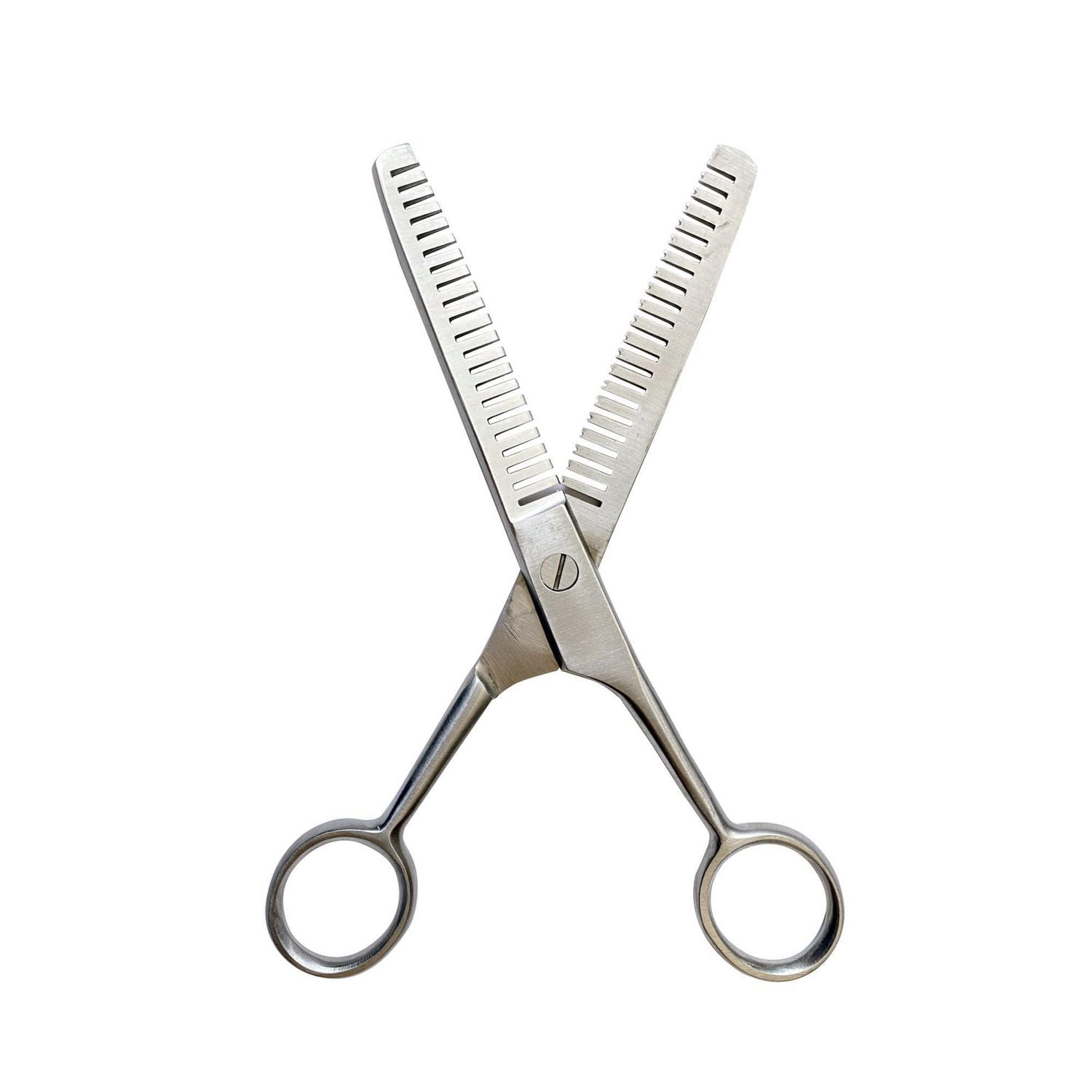
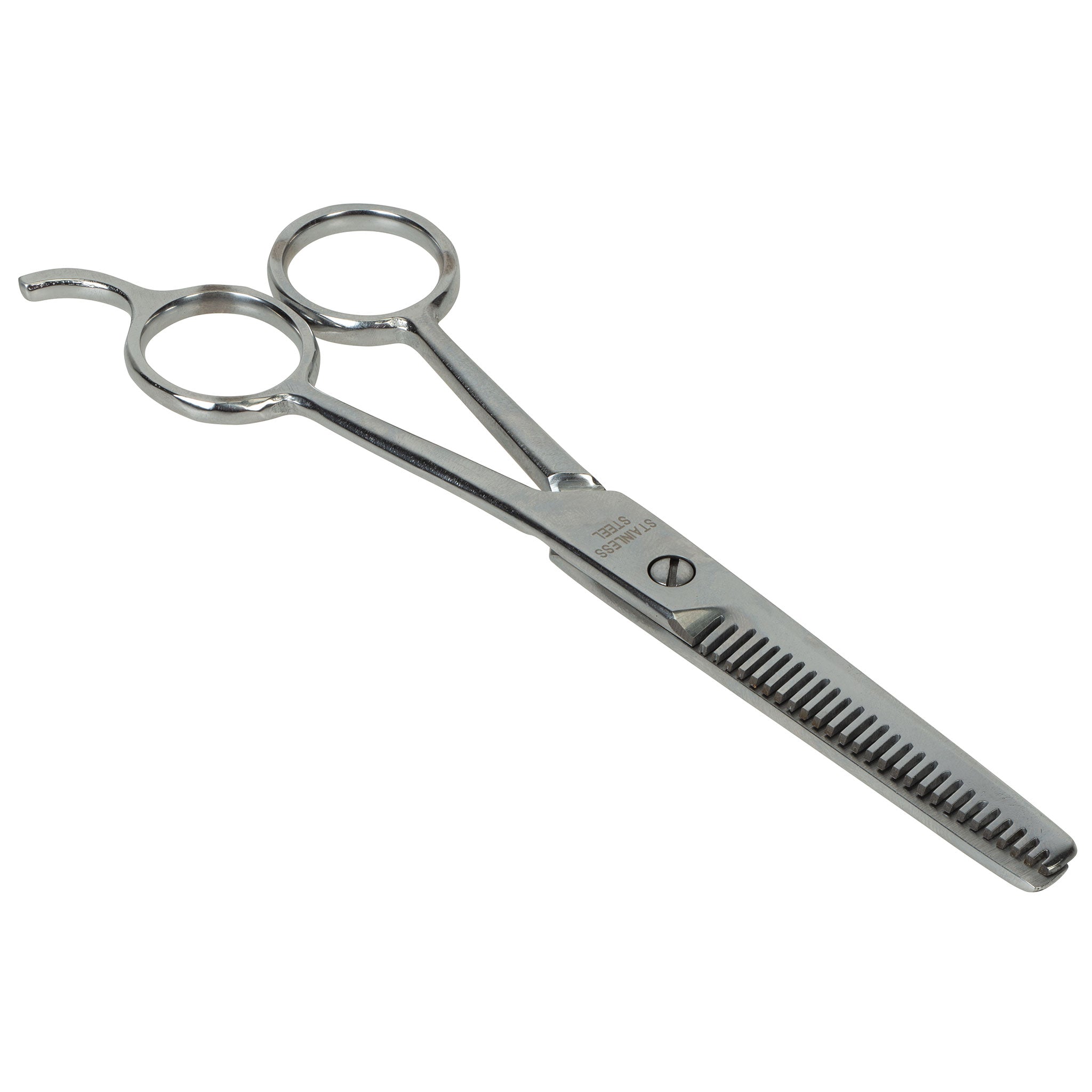
Thinning shears look like regular scissors but have teeth on one or both blades. These teeth cut only some hair strands while leaving others untouched. This creates a softer, more natural look.
Types Of Thinning Shears
There are different types of thinning shears. Each type is good for certain hair needs and styles.
- Blended Shears:Have teeth on one blade and a smooth edge on the other. Good for general thinning.
- Chunking Shears:Have wider teeth to remove larger sections of hair quickly.
- Texturizing Shears:Create soft layers by cutting smaller amounts of hair.
- Swivel Shears:Feature a rotating thumb ring for better hand comfort.
How Thinning Shears Work
Thinning shears cut hair unevenly to reduce thickness. The teeth catch some hairs while the gaps let others pass through.
| Feature | Purpose |
|---|---|
| Teeth on one blade | Cut a portion of the hair strands |
| Gaps between teeth | Allow some hair to remain uncut |
| Blade movement | Snips hair as shears close |
Benefits Of Using Thinning Shears
Thinning shears help hairstylists shape hair with precision. They remove excess bulk while keeping the style intact.
These tools create natural looks by softening harsh lines. They work well on all hair types and lengths.
Creating Texture And Volume
Thinning shears add texture to flat hair. They cut some strands shorter, which lifts the hair and adds volume.
- Break up thick sections for softer looks
- Enhance natural waves or curls
- Make hair easier to style and manage
Blending Layers Seamlessly
These shears blend layers without sharp edges. They help hair look smooth and balanced from root to tip.
| Layering Issue | How Thinning Shears Help |
|---|---|
| Harsh lines between layers | Soften edges for natural flow |
| Uneven thickness | Blend different lengths smoothly |
| Visible cut marks | Reduce bluntness with small cuts |
Reducing Bulk Without Changing Length
Thinning shears remove bulk but keep hair length. This makes thick hair lighter and easier to style.
- Cut some strands, not all
- Keep the hair shape intact
- Prevent hair from looking too thin
Choosing The Right Thinning Shears
Thinning shears are essential tools in hair styling. They help create texture and reduce bulk in hair.
Selecting the right pair involves understanding different features and materials. Let’s explore the key aspects.
Blade Types And Teeth Count
Blade types and teeth count affect the thinning shears’ performance. Different combinations suit various hair types.
- Convex blades offer smooth and precise cuts.
- Serrated blades provide better grip on hair.
- Higher teeth count results in finer thinning.
- Lower teeth count is ideal for removing bulk.
Material And Durability
The material of thinning shears determines their longevity. High-quality materials ensure durability and performance.
| Material | Durability |
| Stainless Steel | High |
| Titanium | Very High |
| Carbon Steel | Moderate |
Comfort And Handle Design
Comfort is key when using thinning shears for extended periods. Handle design plays a crucial role in user experience.
Credit: www.walmart.ca
Techniques For Perfect Haircuts
Thinning shears help reduce hair thickness and add texture. They create softer, natural-looking cuts.
Using the right techniques with thinning shears can improve haircut results. Let’s explore key tips.
Proper Hand Positioning
Hold thinning shears with your dominant hand for control. Use your thumb and ring finger in the shears’ holes.
Keep your wrist relaxed and steady. Support the hair with your other hand to guide the cut smoothly.
Angle And Cutting Methods
Cut hair at different angles to create texture and blend layers. Use horizontal cuts for soft thinning.
Try point cutting by opening and closing shears while moving through hair. This adds natural movement.
- Cut close to the scalp for heavy thinning
- Use mid-length cuts for gradual blending
- Cut ends lightly for soft texture
Common Mistakes To Avoid
Do not use thinning shears on wet hair only. They work best on dry or slightly damp hair for control.
Avoid over-thinning. Too much cutting can make hair look thin and uneven.
- Cut small sections to avoid mistakes
- Do not cut too close to the scalp
- Use thinning shears only on thick or bulky hair
Maintenance And Care Tips
Thinning shears help create texture and remove bulk from hair. Proper care keeps them sharp and safe. Regular maintenance extends their life.
Cleaning, sharpening, and storing thinning shears correctly prevent damage. Follow simple steps to keep your shears in top condition.
Cleaning And Lubricating
Clean your thinning shears after each use. Hair and dirt can cause rust and dull blades. Use a soft cloth and rubbing alcohol to wipe blades.
- Remove hair from between the blades with a small brush.
- Wipe blades with a cloth dipped in rubbing alcohol.
- Apply a drop of oil on the pivot point to keep movement smooth.
- Open and close shears several times to spread the oil evenly.
- Wipe off any extra oil to avoid buildup.
Sharpening And Repairs
Dull shears do not cut well and can damage hair. Check sharpness regularly. Use a professional sharpening service for best results.
| Issue | Solution |
| Dull blades | Get professional sharpening |
| Loose pivot screw | Tighten screw carefully |
| Rust spots | Clean with fine steel wool and oil |
| Loose or damaged blades | Consult a repair specialist |
Safe Storage Practices
Store thinning shears in a dry and safe place. Avoid dropping or banging them. Use a protective case or pouch.
- Keep shears in a closed case after cleaning.
- Store away from moisture to prevent rust.
- Do not store with other sharp tools to avoid damage.
- Keep out of reach of children.
Credit: www.weaverequine.com
When To Use Thinning Shears
Thinning shears help reduce hair thickness without changing the haircut’s shape. Use them to soften bulky or heavy hair.
They work well for blending layers and removing excess volume in certain areas. This tool is great for subtle texturing.
Suitable Hair Types
Thinning shears are best for thick and coarse hair. They help manage heavy hair by removing bulk.
People with curly or wavy hair can use thinning shears to reduce frizz and add softness. Fine hair needs gentle use to avoid looking thin.
- Thick hair: removes bulk and adds texture
- Coarse hair: softens harsh lines
- Curly or wavy hair: controls volume and frizz
- Fine hair: use lightly to prevent thinning
Styling And Finishing Touches
Use thinning shears after cutting to blend layers smoothly. They create a natural finish without harsh edges.
Styling becomes easier because the hair feels lighter. Thinning shears help hair look soft and polished.
- Blend layers for smooth transitions
- Reduce bulk at the ends for softness
- Create texture without shortening length
- Make styling tools more effective
Alternatives To Thinning Shears
Texturizing scissors cut hair differently to add movement but remove less bulk. Razor cutting thins hair with a blade.
These tools work well for shaping hair but need skill to avoid damage. Clippers can also reduce bulk on very thick hair.
- Texturizing scissors: add movement, less bulk removal
- Razor cutting: softens edges, thins hair carefully
- Hair clippers: remove bulk quickly on thick hair
Frequently Asked Questions
What Are Thinning Shears Used For?
Thinning shears remove bulk from hair without changing its length. They blend layers and create texture for a natural look. They are essential for softening harsh lines and adding volume control in hairstyling.
How Do Thinning Shears Differ From Regular Scissors?
Thinning shears have one or two serrated blades with teeth, unlike regular scissors with smooth blades. This design cuts only some hair strands, thinning hair gradually without a blunt cut. It helps in blending and texturizing hair more precisely.
Can Thinning Shears Damage Hair?
When used correctly, thinning shears do not damage hair. Overuse or improper technique can cause split ends or uneven texture. Proper care and professional use ensure hair remains healthy and styled smoothly.
Who Should Use Thinning Shears?
Both professional hairstylists and individuals can use thinning shears. They are ideal for those wanting to reduce hair volume or soften thick hair layers. Beginners should practice or seek guidance to avoid uneven results.
Conclusion
Thinning shears help shape hair by removing bulk gently. They create soft, natural looks without harsh cuts. Many hairstylists use them for blending layers smoothly. Using thinning shears can save time and effort. They work well on thick or curly hair types.
Choosing the right shears makes a big difference. Practice helps improve your cutting skills quickly. Understanding thinning shears will improve your hairstyling results. Give them a try to see the difference yourself.