Have you ever wondered how construction projects manage to dig safely and efficiently without causing damage to underground utilities? If you’ve ever seen those warning signs about buried cables and pipes, you might be curious about the technology that makes it possible to excavate without hitting them.
This is where vacuum excavation comes into play. Imagine being able to dig with precision, avoiding costly mistakes and disruptions. Sounds impressive, right? We’ll dive into what vacuum excavation is, how it works, and why it could be the perfect solution for your next project.
Stay with us to discover how this innovative method can save you time, money, and stress.

Credit: trenchlesstechnology.com
Vacuum Excavation Basics
Understanding the basics of vacuum excavation is essential if you want a safer and more efficient way to dig around underground utilities or fragile landscapes. This method uses powerful suction to remove soil and debris without damaging the surrounding area. It’s not only precise but also reduces the risk of costly accidents.
How Vacuum Excavation Works
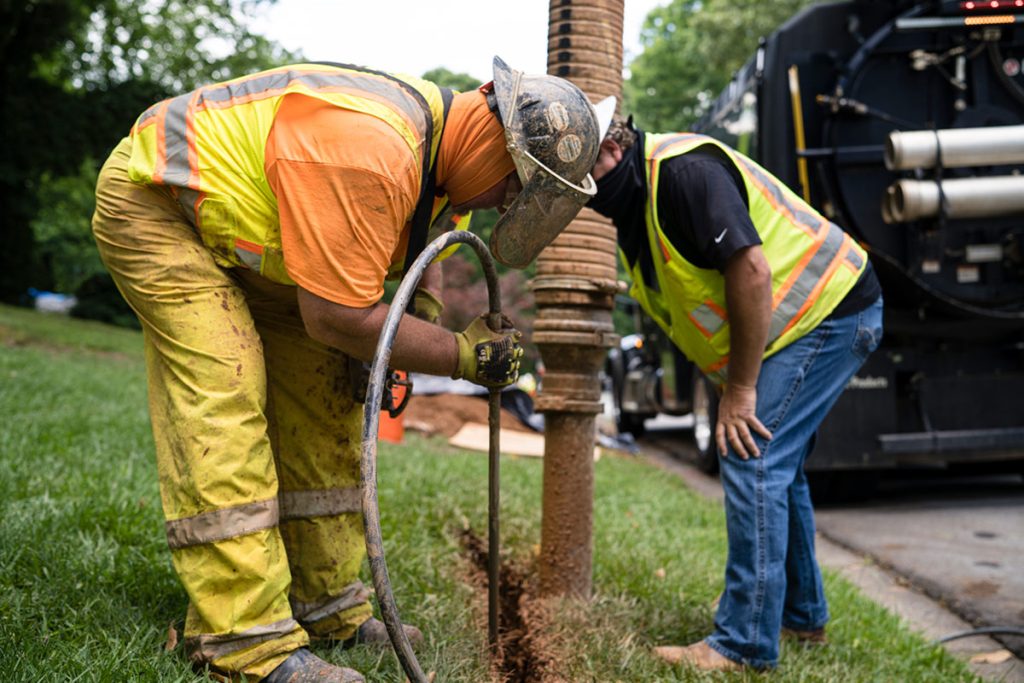
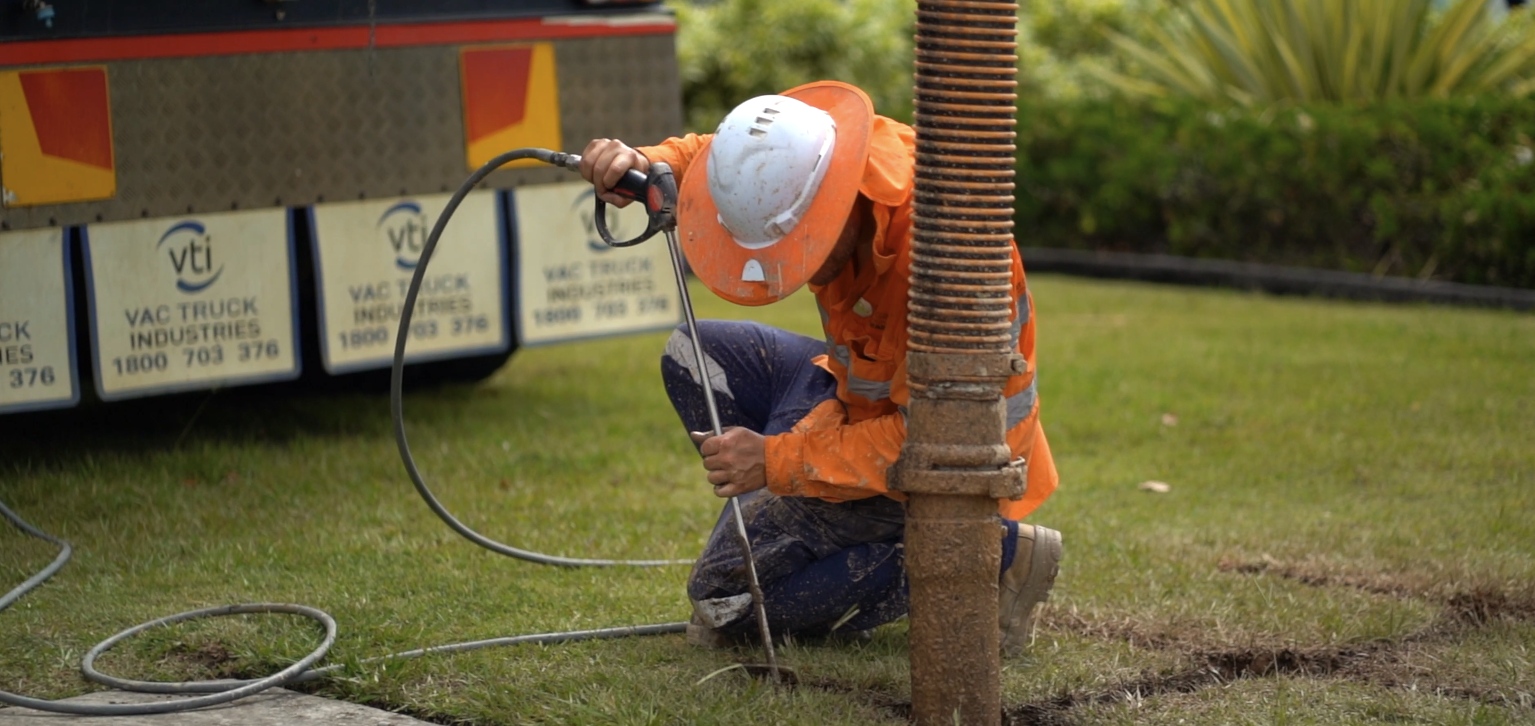
Vacuum excavation uses a high-powered vacuum system to suck up soil, water, and debris from the digging site. Instead of using traditional digging tools that can accidentally cut through cables or pipes, this method gently loosens the earth with water or air pressure first.
Once the ground is loosened, the vacuum system quickly removes the material, exposing underground utilities safely. Have you ever worried about hitting a gas line during construction? This technique greatly reduces that risk.
Types Of Vacuum Excavation Systems
- Hydro Excavation:Uses high-pressure water to loosen soil before vacuuming it up. This is great for hard or compacted ground.
- Air Excavation:Employs compressed air to break up the soil. It’s ideal for sensitive areas where water could cause damage.
- Combination Systems:Allow operators to switch between air and water depending on the job’s needs, offering flexibility on site.
Choosing the right type depends on your project’s environment and what you’re trying to protect underground.
Key Components Of Vacuum Excavators
| Component | Function |
|---|---|
| Vacuum Pump | Creates the suction force to pull up soil and debris. |
| Water or Air Pressure System | Loosens the soil before it’s vacuumed, depending on the excavation type. |
| Storage Tank | Holds the excavated material until it can be safely disposed of. |
| Hoses and Nozzles | Direct the suction and pressure precisely where needed. |
| Control Panel | Allows operators to adjust suction power, pressure, and other settings. |
Knowing these parts helps you understand how vacuum excavation offers both power and precision. Have you seen a job site where this equipment was used? Noticing the clean, careful work might change your view on traditional digging methods.
Advantages Of Vacuum Excavation
Vacuum excavation offers several clear advantages that make it a preferred choice for many construction and utility projects. It enhances safety, reduces environmental harm, cuts costs, and ensures precise digging. Understanding these benefits can help you decide if this method suits your needs.
Safety Benefits
Vacuum excavation significantly lowers the risk of damaging underground utilities, which can cause serious accidents. Instead of using heavy machinery that might accidentally hit cables or pipes, vacuum excavation carefully removes soil with suction.
This reduces the chance of injury to workers and prevents costly service interruptions. Have you ever seen how careful digging can avoid a disaster? Vacuum excavation puts that care into every job.
Environmental Impact
This method minimizes disruption to the surrounding environment. Since vacuum excavation uses suction rather than large blades or buckets, it limits soil displacement and preserves nearby plants and structures.
It also reduces the amount of contaminated soil and debris, making cleanup easier and less harmful. How important is protecting the environment on your project site? Vacuum excavation helps you keep that balance.
Cost Efficiency
Vacuum excavation can save money by reducing repair costs for damaged utilities and minimizing project delays. It requires less manual labor and causes fewer site disruptions, speeding up the overall timeline.
Although equipment rental might seem expensive at first, the savings from avoiding accidents and rework often outweigh the initial cost. Wouldn’t you want a method that protects your budget as well as your site?
Precision And Accuracy
This technique offers unmatched control over the digging process. Operators can target specific areas without disturbing surrounding soil, making it ideal for locating and exposing underground utilities accurately.
The precise removal helps prevent over-excavation, saving time and resources. When accuracy matters most, vacuum excavation gives you the control you need to get the job done right.
Applications In Different Industries
Vacuum excavation is a versatile technique that finds valuable use across various industries. Its precision and safety make it an attractive choice where traditional digging methods could pose risks or cause damage. Understanding how different sectors apply this technology can help you see its practical benefits and consider if it fits your project needs.
Utility And Pipeline Installation
Vacuum excavation is essential in utility and pipeline installation. It allows workers to expose underground utilities without damaging cables or pipes. This reduces costly repairs and project delays.
You can safely dig around electrical cables, gas lines, and water pipes using this method. The controlled excavation also helps in accurate placement of new pipelines. Have you ever faced unexpected utility hits during digging? Vacuum excavation could prevent those costly surprises.
Construction And Landscaping
In construction and landscaping, vacuum excavation helps prepare sites with minimal disturbance. It’s perfect for digging precise holes for trees, poles, or foundations. This method keeps the surrounding soil intact and reduces cleanup time.
Contractors often prefer it for tight spaces where heavy machinery can’t operate safely. It also lowers the chance of accidents on busy sites. Could your next landscaping project benefit from a cleaner, safer digging process?
Environmental And Geotechnical Services
Environmental and geotechnical professionals use vacuum excavation to collect soil and sediment samples cleanly. It avoids contamination of samples, which is crucial for accurate analysis. This technique also helps in removing underground storage tanks and assessing soil conditions.
Its precision reduces environmental impact by limiting disturbance to surrounding areas. If you work in environmental cleanup or site assessment, vacuum excavation offers a way to get the job done efficiently and responsibly.
Credit: get-directed.com.au
Safety Practices For Vacuum Excavation
Vacuum excavation is a powerful and precise technique, but it comes with its own safety challenges. Paying close attention to safety practices can prevent accidents and protect both workers and equipment. Knowing what to prepare for and how to respond is crucial when you’re on site.
Site Preparation And Risk Assessment
Before digging, thoroughly inspect the work area. Identify any underground utilities like gas lines, electrical cables, or water pipes to avoid costly damage and dangerous situations.
Mark the excavation zone clearly. Use barriers and signs to keep unauthorized people away. Ask yourself: have you checked for hidden hazards that could disrupt your project or cause injury?
Operator Training And Certification
Operators must be well-trained and certified to handle vacuum excavation equipment safely. Proper training covers machine operation, emergency procedures, and recognizing potential risks.
Never assume that experience alone is enough. Regular refresher courses keep skills sharp and knowledge up to date. What would happen on your site if an operator missed a critical safety step?
Common Hazards And Prevention Measures
Common hazards include underground utility strikes, equipment malfunction, and air quality issues from dust or debris. Wearing personal protective equipment (PPE) like gloves, helmets, and eye protection is essential.
Keep equipment well-maintained to prevent breakdowns. Use vacuum excavators with built-in safety features, such as automatic shutoff sensors. Are you prepared to handle unexpected hazards quickly to minimize risk?
Equipment Maintenance And Troubleshooting
Equipment maintenance and troubleshooting are essential for vacuum excavation machines. Proper care keeps machines running smoothly and prevents costly repairs. Regular checks help catch problems early. Quick fixes save time and reduce downtime. Understanding basic maintenance steps improves machine reliability and safety.
Routine Inspection Procedures
Start with a visual check of the entire machine. Look for leaks, cracks, or worn parts. Check hoses and fittings for tightness and damage. Inspect filters and clean or replace them as needed. Test all controls and gauges to ensure they work correctly. Verify fluid levels, including oil and hydraulic fluids. Keep a log of inspections and any maintenance performed.
Common Issues And Fixes
- Clogged hoses:Clear debris with compressed air or water pressure.
- Vacuum loss:Check for leaks in seals or connections and replace damaged parts.
- Engine overheating:Clean radiators and check coolant levels regularly.
- Filter blockage:Replace filters following the manufacturer’s guidelines.
- Hydraulic problems:Inspect hoses and connections for leaks and secure loose fittings.
Extending Equipment Lifespan
Use the machine according to the manufacturer’s instructions. Avoid overloading or pushing the machine beyond limits. Schedule regular professional servicing to address complex issues. Store equipment in a dry, clean place when not in use. Use quality replacement parts for repairs. Train operators on proper use and care. Regular maintenance reduces breakdowns and extends machine life.

Credit: get-directed.com.au
Regulations And Industry Standards
Understanding the regulations and industry standards surrounding vacuum excavation is essential for anyone involved in this field. These rules ensure the safety of workers, protect underground utilities, and maintain the quality of the excavation work. Ignoring these standards can lead to costly damages and legal troubles, so it’s crucial to know what you must follow and why.
Compliance Requirements
Vacuum excavation operators must comply with local, state, and federal regulations. These often include guidelines on how to safely expose underground utilities without causing damage. For example, OSHA in the United States sets clear safety standards that protect workers from hazards like accidental utility strikes.
Are you aware of the specific regulations in your area? Staying updated with the latest compliance rules can prevent fines and work stoppages. Many companies track these requirements closely to avoid unexpected project delays.
Best Practice Guidelines
Beyond legal requirements, best practice guidelines help you perform vacuum excavation efficiently and safely. Industry groups like the Common Ground Alliance (CGA) provide detailed recommendations on procedures, equipment use, and site management.
Following these guidelines doesn’t just reduce risks; it improves your project outcomes. For instance, using dry vacuum excavation methods in sensitive areas can minimize environmental impact. Have you considered how adopting best practices could make your job easier and safer?
Certification And Licensing
Many regions require operators and companies to hold specific certifications and licenses before performing vacuum excavation work. These credentials prove that you have the necessary training and knowledge to operate safely and responsibly.
Obtaining certification can also boost your reputation and open doors to bigger projects. Think about how your business or career could benefit from recognized qualifications. Are you ready to invest in the credentials that set you apart in this competitive field?
Future Trends In Vacuum Excavation
Looking ahead, vacuum excavation is set to evolve in ways that could change how you approach digging and site preparation. The future holds exciting possibilities that blend technology, environmental care, and expanding market needs. Understanding these trends can help you stay ahead and make smarter decisions on your projects.
Technological Innovations
Technology is pushing vacuum excavation to new levels of efficiency and safety. Imagine equipment with smarter sensors that detect underground utilities more precisely, reducing the risk of costly damage. Automation and remote control features are becoming more common, letting operators work from safer distances.
One emerging innovation is the integration of real-time data analytics. This means you can monitor soil conditions and equipment performance instantly, helping you adjust your approach on the fly. How could this level of control change the way you plan your digs?
Sustainability Developments
Vacuum excavation is already cleaner than traditional digging, but future trends aim to make it even greener. New systems are being designed to use less water and produce less waste, which is crucial if you care about reducing your environmental footprint. Some companies are experimenting with biodegradable materials to improve soil restoration after excavation.
Energy-efficient vacuum systems powered by electric or hybrid engines are also gaining traction. These reduce emissions and noise pollution, making your projects more community-friendly. Would you consider switching to a more sustainable setup if it lowered your operational costs and improved public perception?
Market Growth And Opportunities
The demand for vacuum excavation is rising across industries like construction, utilities, and environmental services. This growth means more options and better pricing for you as a customer. It also opens doors for specialized services tailored to unique project needs, such as working in sensitive urban areas or fragile ecosystems.
As regulations around underground utility safety tighten, vacuum excavation will become a preferred choice for compliance. Are you prepared to leverage these market shifts to secure more contracts or improve your project outcomes? Staying informed about emerging opportunities could give you a serious advantage.
Frequently Asked Questions
What Is Vacuum Excavation Used For?
Vacuum excavation safely exposes underground utilities. It removes soil with high-pressure air or water. This prevents damage to pipes and cables during construction or repairs.
How Does Vacuum Excavation Work?
Vacuum excavation uses a powerful vacuum to suck debris. Air or water loosens soil around underground utilities. The vacuum hose then collects the loosened material efficiently and cleanly.
Why Choose Vacuum Excavation Over Traditional Digging?
Vacuum excavation reduces risk of utility damage and injury. It is less invasive, faster, and produces less soil disruption. This method improves safety and project accuracy on job sites.
What Industries Benefit From Vacuum Excavation?
Construction, utilities, telecommunications, and environmental sectors use vacuum excavation. It helps in locating pipes, cables, and pipelines safely. It also aids in site cleanup and maintenance.
Conclusion
Vacuum excavation is a safe and efficient digging method. It uses air or water to remove soil gently. This reduces damage to underground utilities and pipes. Many industries prefer it for its precision and speed. It also helps save time and money on projects.
Understanding this method helps you choose the right digging technique. Consider vacuum excavation for safer, cleaner, and smarter digging work. It’s a modern tool that meets today’s construction needs well.